Comics news and insights for your local market
Follow webtoon, manga, manhwa, AI comic, creator economy, and storytelling trends curated for each region.
The 2026 Transmedia Scripting Standard: A Masterclass in Multi-Format Narrative Architectu
In 2026, the most successful creators don't write for one platform; they build 'format-agnostic' scripts. This guide breaks down the new Transmedia Scripting Standard for simultaneous multi-format production.
The 2026 ‘Zero-Latency’ Translation Architecture: Engineering Real-Time Localization for G
The era of regional delays is over. Discover how Zero-Latency Translation (ZLT) uses neural context engines to synchronize global webtoon launches in seconds.
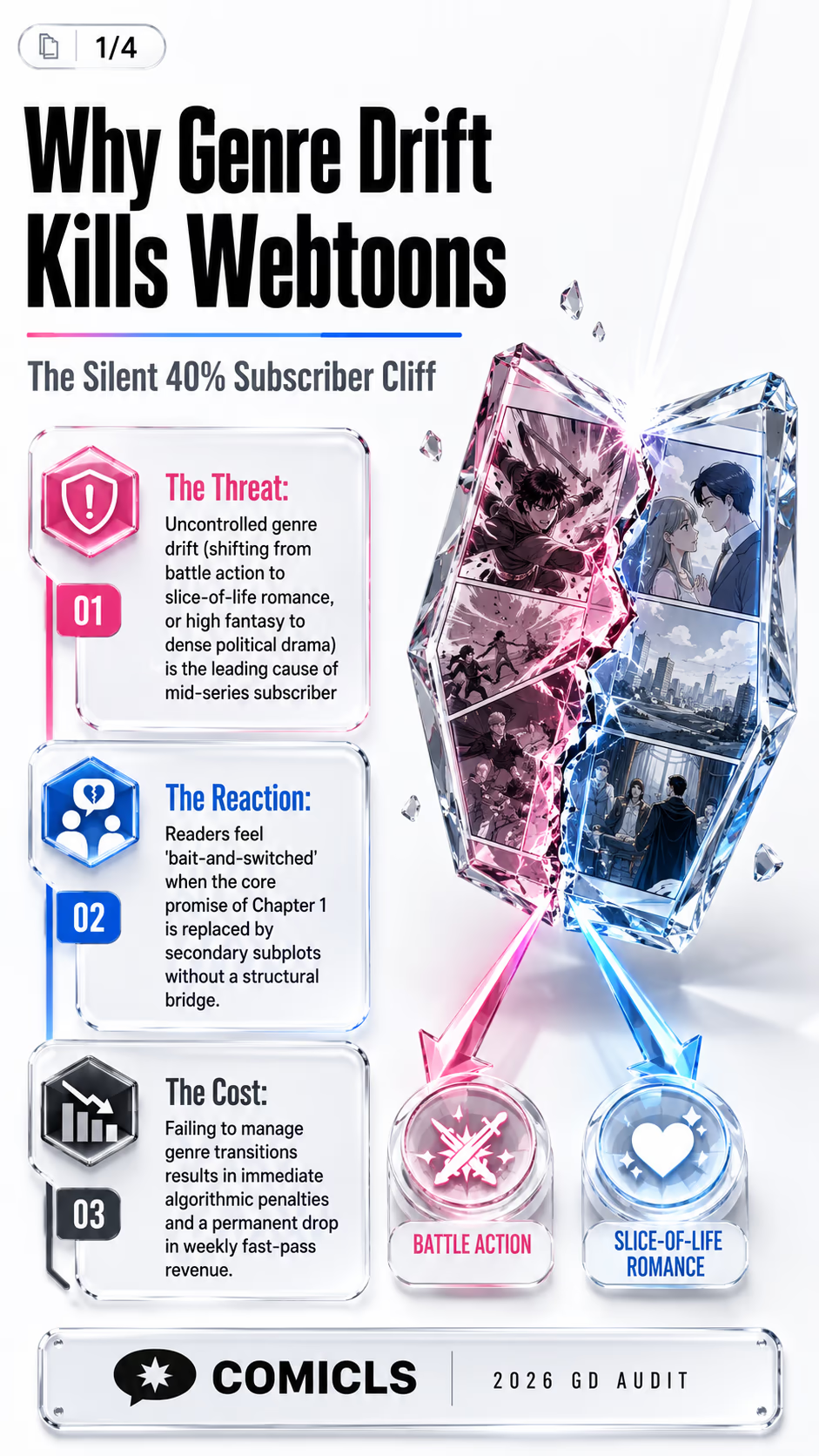
Why Genre Drift Kills Webtoons: The 2026 GD Audit
When long-form series shift from action to romance or fantasy to politics, reader churn spikes. Master the 2026 GD Audit to transition genres safely.
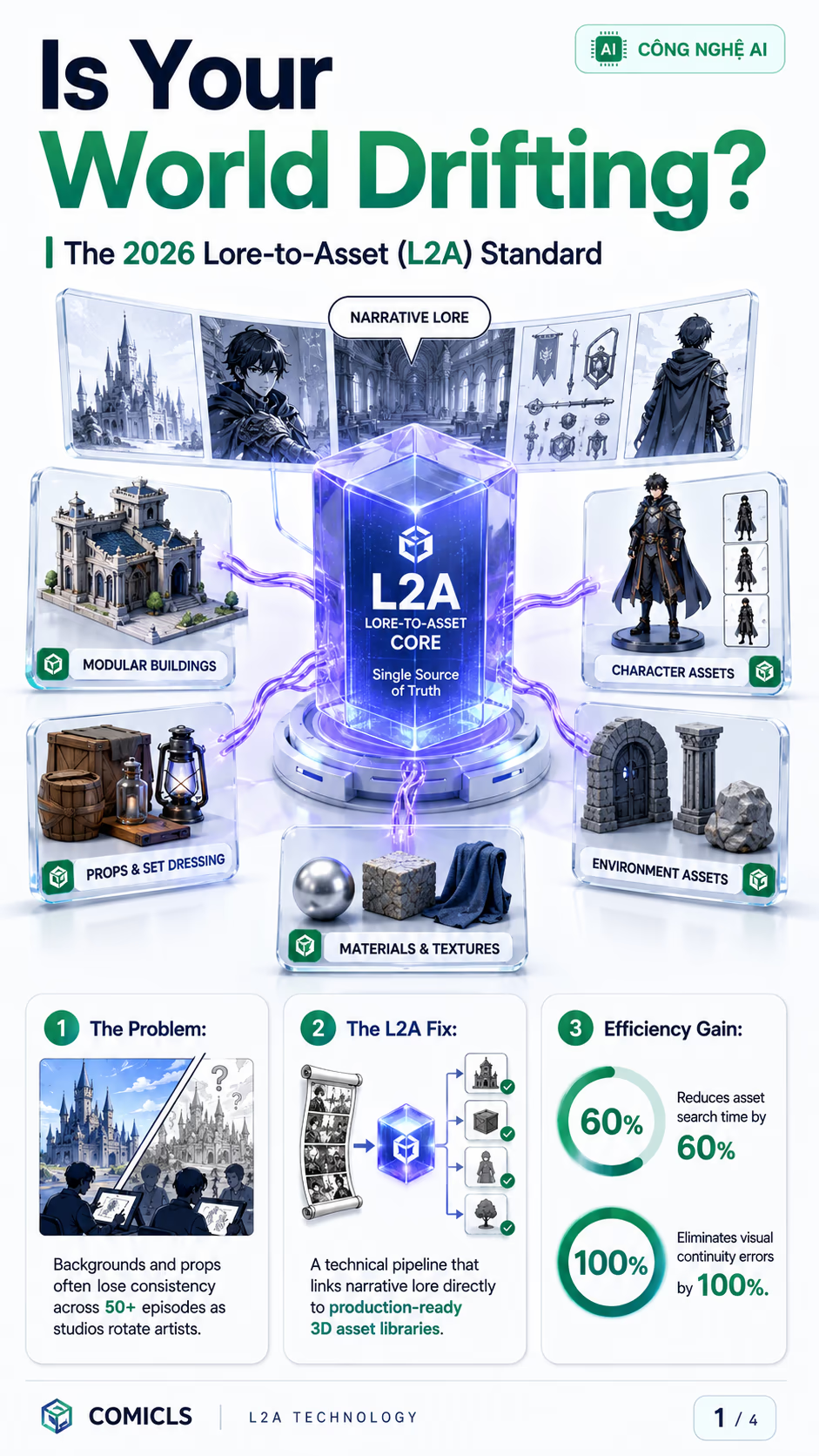
Does Your Lore Scale? The 2026 L2A Tech Standard
Discover the 2026 L2A standard for linking narrative lore to production-ready 3D assets. Solve background drift and boost studio efficiency by 40%.
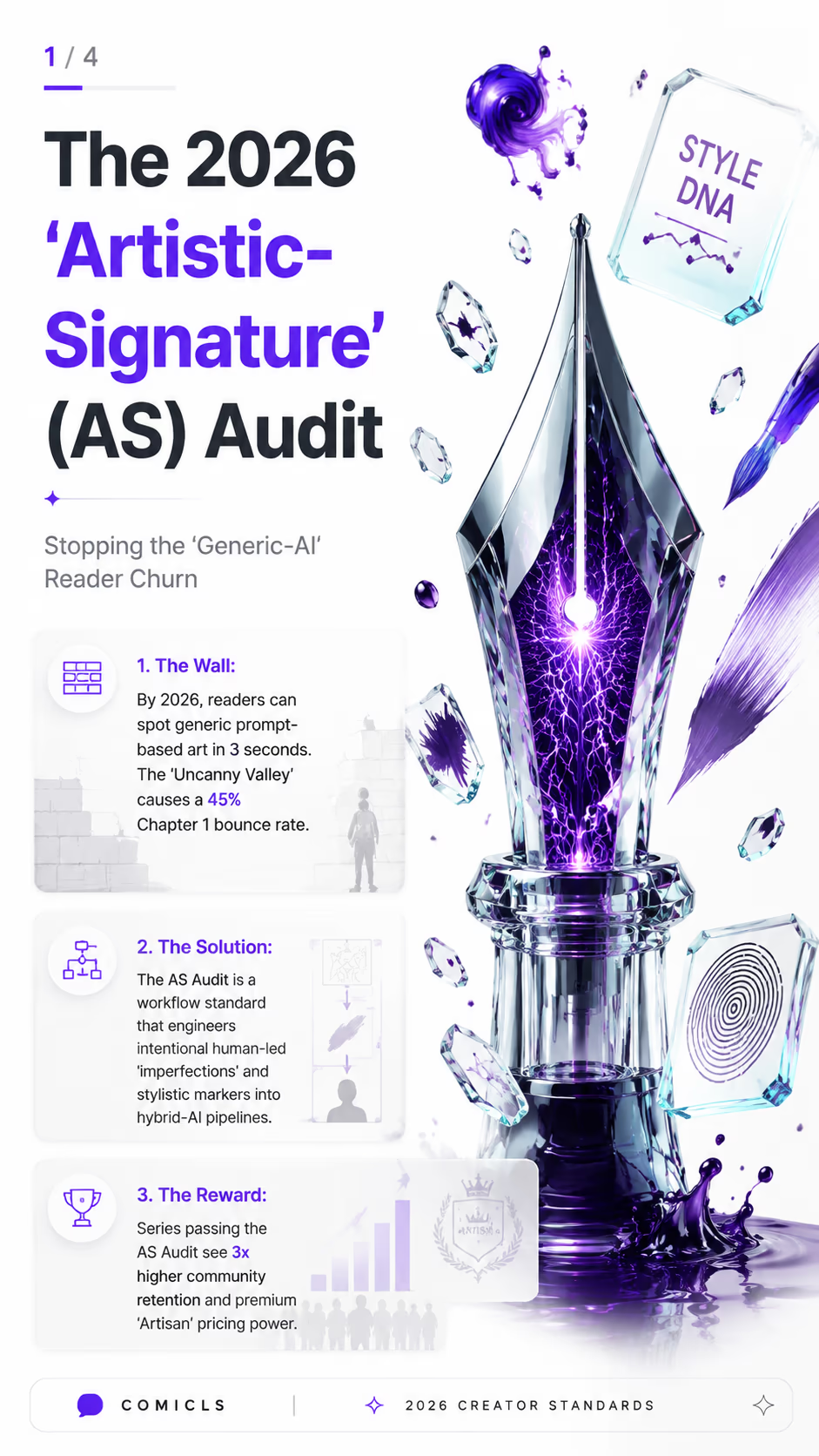
The 2026 ‘Artistic-Signature’ (AS) Audit: Fixing the AI-Uncanny Valley
Discover the 2026 AS Audit—a strategic framework for creators to engineer 'human-signature' markers into their webtoons and manga to bypass reader AI-fatigue.
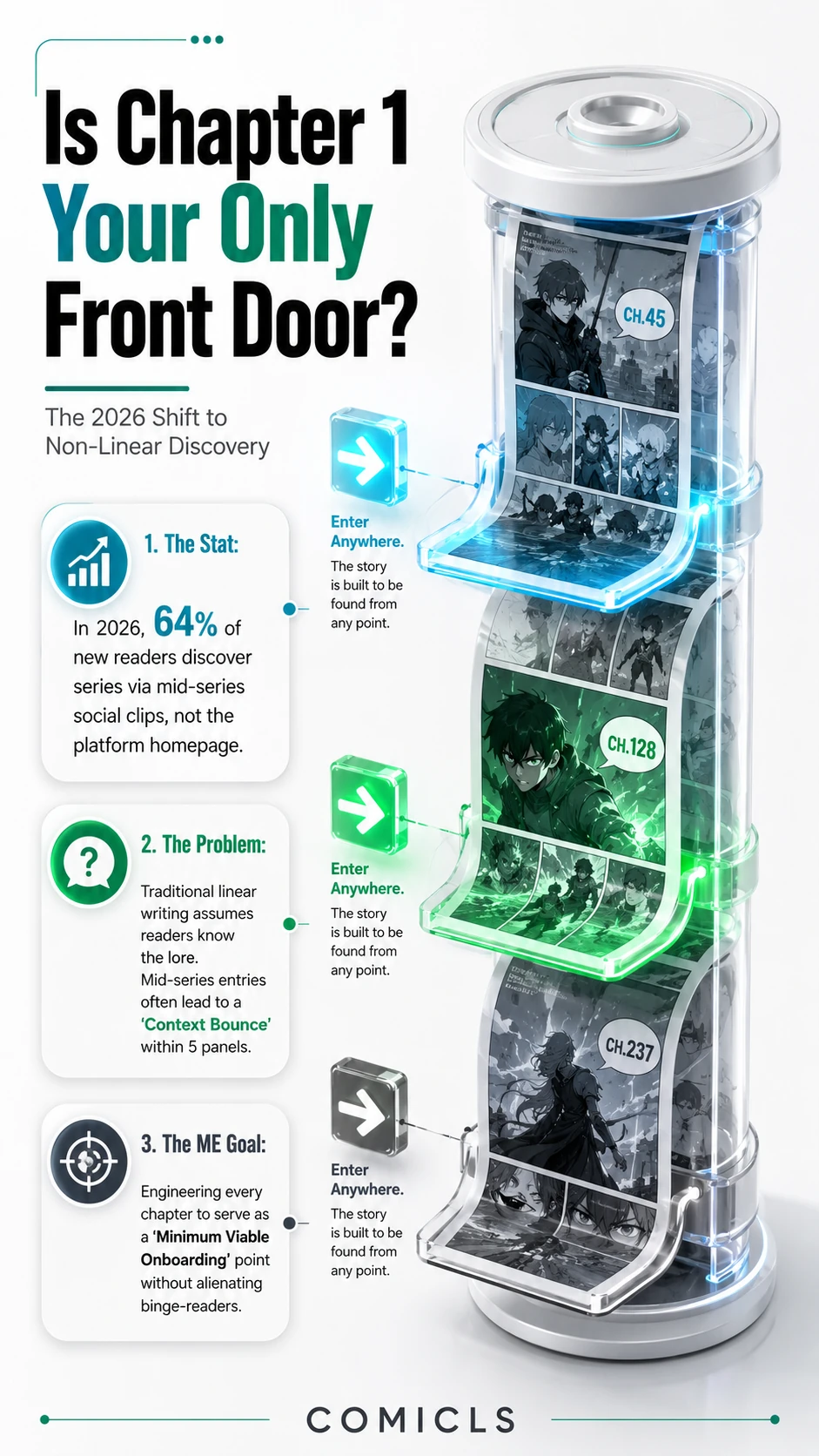
Does Your Webtoon Pass the 'Multi-Entry' (ME) Test?
In 2026, readers no longer start exclusively at Chapter 1. Discover the Multi-Entry (ME) Standard to turn every chapter into a high-conversion 'front door' for your series.
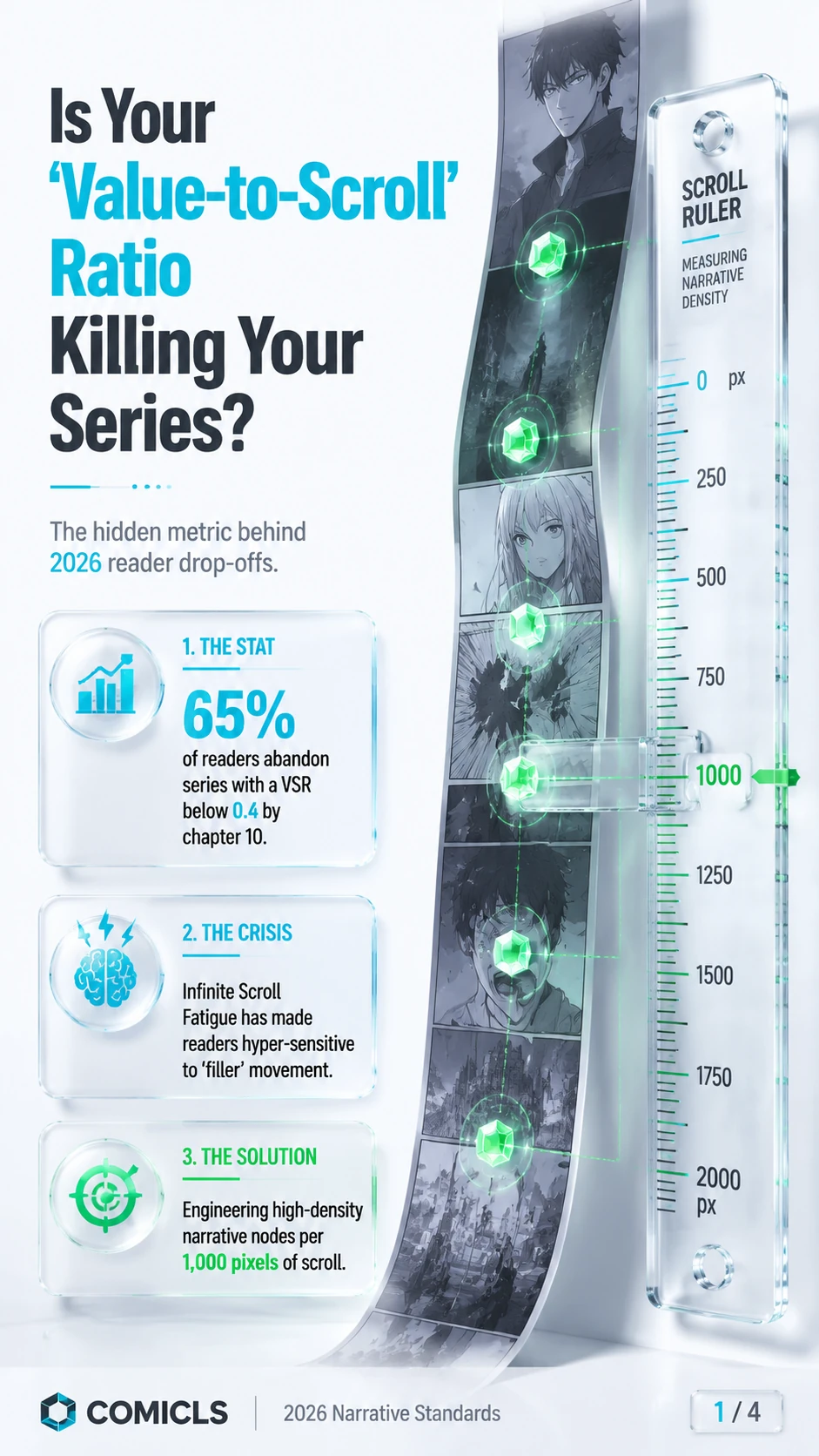
Fixing the 'Value-to-Scroll' Ratio in Your Webtoon
In 2026, 'Infinite Scroll Fatigue' is the leading cause of series abandonment. Learn how the Value-to-Scroll (VSR) metric helps creators engineer high-retention chapters.
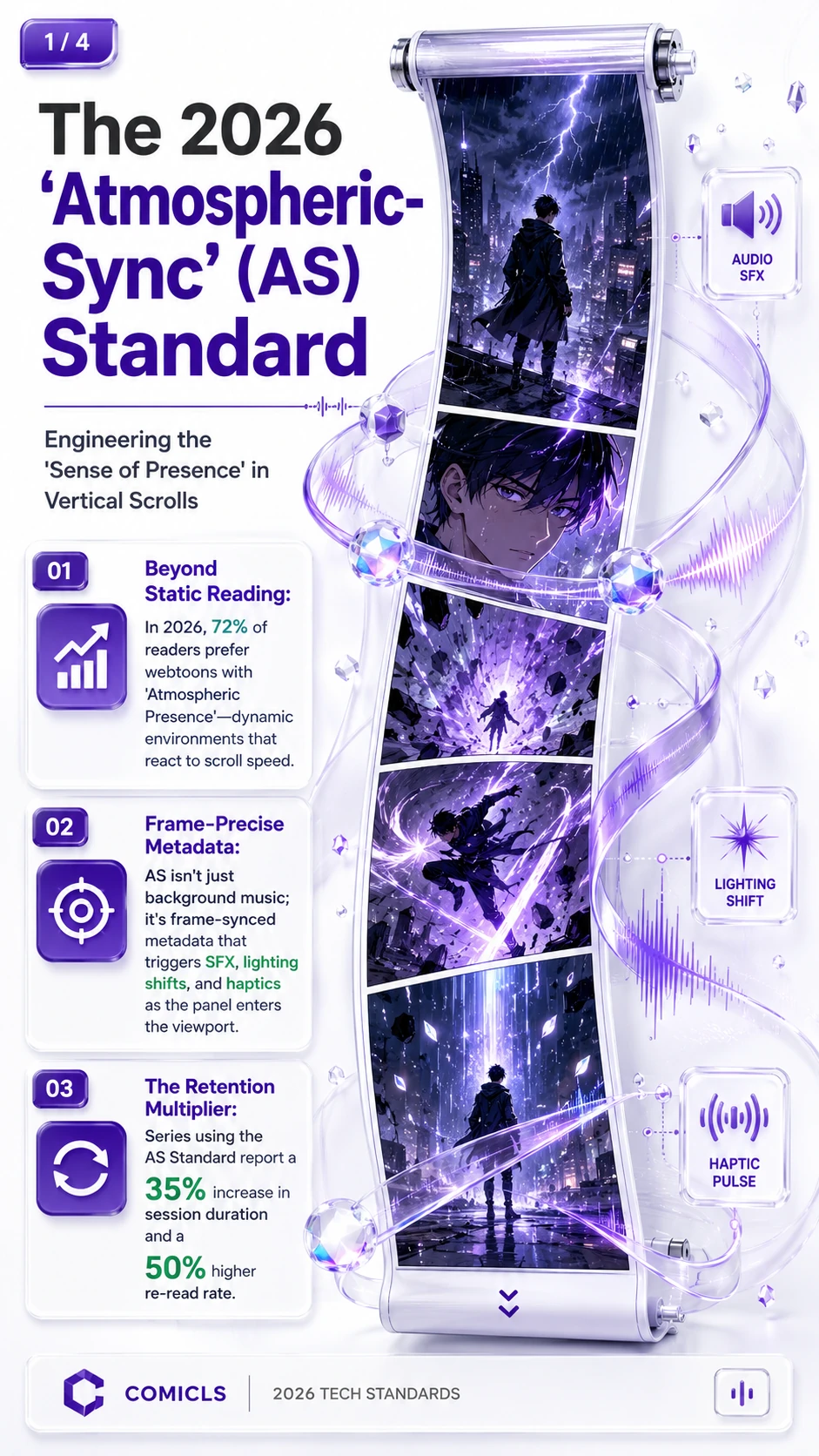
The 2026 ‘Atmospheric-Sync’ (AS) Standard: Engineering Immersive Audio
Master the 2026 AS Standard to bridge the gap between static panels and cinematic immersion. Learn to engineer frame-precise audio-visual metadata for vertical scroll comics.
All
The 2026 ‘Trans-Pacific’ Co-Production Standard: Engineering Global Mega-Hits through US-K
The era of regional silos is over. Learn how the 2026 Trans-Pacific Co-Production Standard (TPCS) is enabling creators and studios to build multi-billion dollar IP through cross-border collaboration.

The 2026 Independent Syndication Playbook: A Guide to Multi-Platform Sovereignty
In 2026, the 'Exclusive Platform' era has ended. This guide provides a step-by-step roadmap for creators to build a sovereign syndication network that maximizes reach and revenue.

The 2026 ‘Micro-Imprint’ Model: Engineering Sovereign Distribution for Independent Creator
Discover how independent creators are abandoning platform-exclusive deals to build sovereign micro-imprints. Learn the technical and strategic framework for collective-driven distribution in 2026.

The 2026 ‘Semantic Panel’ Architecture: Engineering Webtoons for Universal Accessibility a
In 2026, accessibility is no longer optional; it is a core discovery signal. Learn how semantic panel architecture allows creators to reach visually impaired readers while boosting AI-driven search visibility.
Latest
The 2026 ‘Transcreation-First’ Workflow: A Guide to Engineering Cultural Nuance in Global
In 2026, simple translation is no longer enough to scale globally. This guide explores the 'Transcreation-First' workflow, a method for engineering deep cultural resonance in webtoon exports through hybrid AI-human systems.
The 2026 Genre-Liquidity Report: Why Ultra-Niche Micro-Communities are Outperforming Mass-
The era of the 'Mega-Hit' is being replaced by a liquid market of hyper-specific micro-genres. Learn why creators are finding more success in 'Cozy-Cyberpunk' than in general Action or Romance.

The 2026 ‘Universal Asset Protocol’ (UAP) Launch: Major Platforms Standardize Global Webto
The 2026 launch of the Universal Asset Protocol (UAP) marks a historic shift in the comic industry, finally standardizing how webtoons are packaged and distributed across global platforms. This move eliminates the 'reformatting tax' and allows creators to reach 10+ international markets with a singl

The 2026 'Zero-Churn' Narrative Pivot: How Studio Vertex Rescued a Failing Flagship IP
In 2026, the cost of reader acquisition has made retention more critical than ever. This case study explores how Studio Vertex used real-time sentiment data to execute a high-risk narrative pivot, saving their flagship IP from a terminal drop-off.

The 2026 ‘Trope-First’ Discovery Trend: Why Granular Narrative Search is Outperforming Tra
In 2026, the traditional 'Action' or 'Romance' tags are being replaced by high-intent trope searches. This shift is forcing platforms to rebuild their discovery engines around granular narrative DNA.
The 2026 ‘Pilot-to-Series’ (P2S) Case Study: Engineering Lean Production in High-Risk Webt
Learn how the 2026 P2S framework allows studios to validate narrative-market fit before committing to long-form serialization. A deep dive into Studio Nox's 60% waste reduction strategy.
The 2026 ‘IP-Bonding’ Standard: How Fractional Ownership is Stabilizing the Mid-Tier Webto
The 2026 market shift toward 'IP-Bonding' is allowing mid-tier studios to secure liquidity without selling their majority stakes. This new financial framework is stabilizing the industry against AI-driven market volatility.

The 2026 ‘Community-Led Continuity’ (CLC) Framework: Engineering Fan-Driven Lore without C
The 2026 CLC framework allows creators to harness fan creativity as a growth engine. Learn how to architect a 'Sandboxed Canon' that protects your IP while empowering your community.

The 2026 ‘Vertical Flow’ Optimization: Engineering Eye-Tracking Patterns for 60-Second Mob
Master the art of 'Vertical Flow' to capture the 2026 mobile reader's 60-second attention window. Learn how to engineer panel placements and gutter ratios for maximum ergonomic engagement.
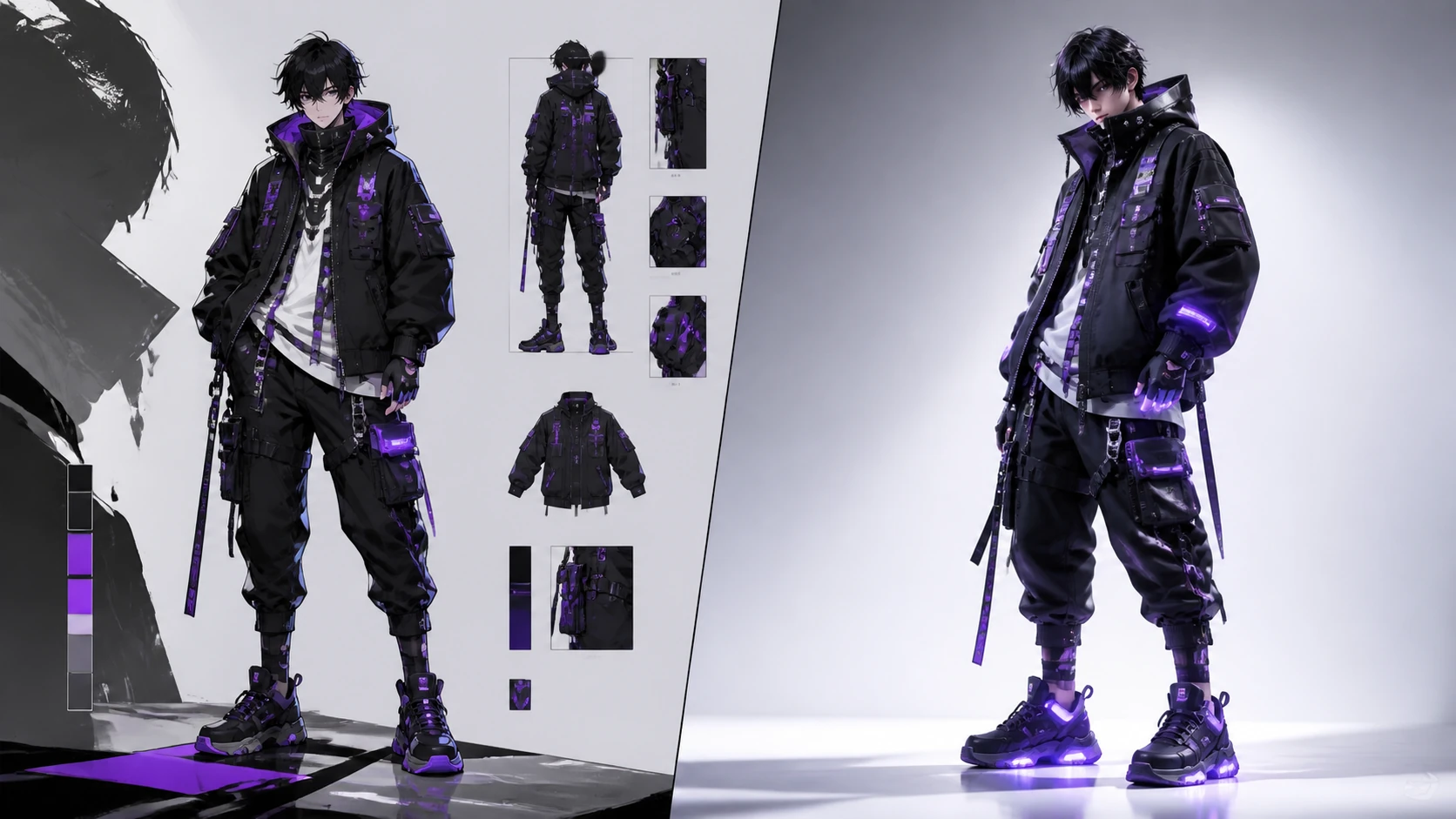
The 2026 ‘Direct-to-Avatar’ (D2A) Licensing Framework: A Creator’s Guide to the Digital Fa
The 2026 D2A economy allows comic creators to monetize character designs as virtual fashion assets. This guide explains how to bridge the gap between 2D panels and 3D social spaces.
The 2026 Narrative-Market Fit (NMF) Framework: Engineering IP for Specific Reader Psychogr
In 2026, traditional demographics like age and gender are no longer sufficient to predict series success. The Narrative-Market Fit (NMF) framework provides a data-driven methodology for aligning story architecture with specific reader psychographics to ensure high-retention launches.
The 2026 Narrative-Driven Data Privacy Standard: Engineering Zero-Party Data through Inter
In 2026, the intersection of data privacy and webtoon engagement is being redefined by Narrative-Driven Data (NDD). Discover how creators are building high-value reader profiles through story-based choices rather than invasive cookies.

The 2026 Vertical-Scroll Narrative Architecture (VSNA) Standard: Engineering Pacing for th
The Vertical-Scroll Narrative Architecture (VSNA) is the 2026 industry standard for engineering story flow in the age of infinite mobile distractions. Master the art of thumb-controlled pacing and focal anchoring to boost reader retention.

The 2026 ‘Print-Native Reconstruction’ (PNR) Case Study: Engineering Physical Assets from
Discover how Studio Chroma leveraged the Print-Native Reconstruction (PNR) framework to transform a digital-only webtoon into a luxury hardcover series that outperformed its digital revenue by 140%.

The 2026 ‘Aesthetic Affinity’ Trend: Engineering Visual Styles through Audience Sentiment
In 2026, the 'vibe' of a webtoon is no longer a creative accident but an engineered outcome of audience sentiment mapping. Learn how data-driven art direction is redefining visual storytelling for global markets.

The 2026 Narrative Archeology Framework: Reverse-Engineering Top-Tier Webtoon Structures
Narrative Archeology is the professional standard for deconstructing the 'invisible' structural layers of successful comic IP. Learn how to reverse-engineer high-retention webtoons to build your own scalable narrative foundation in 2026.
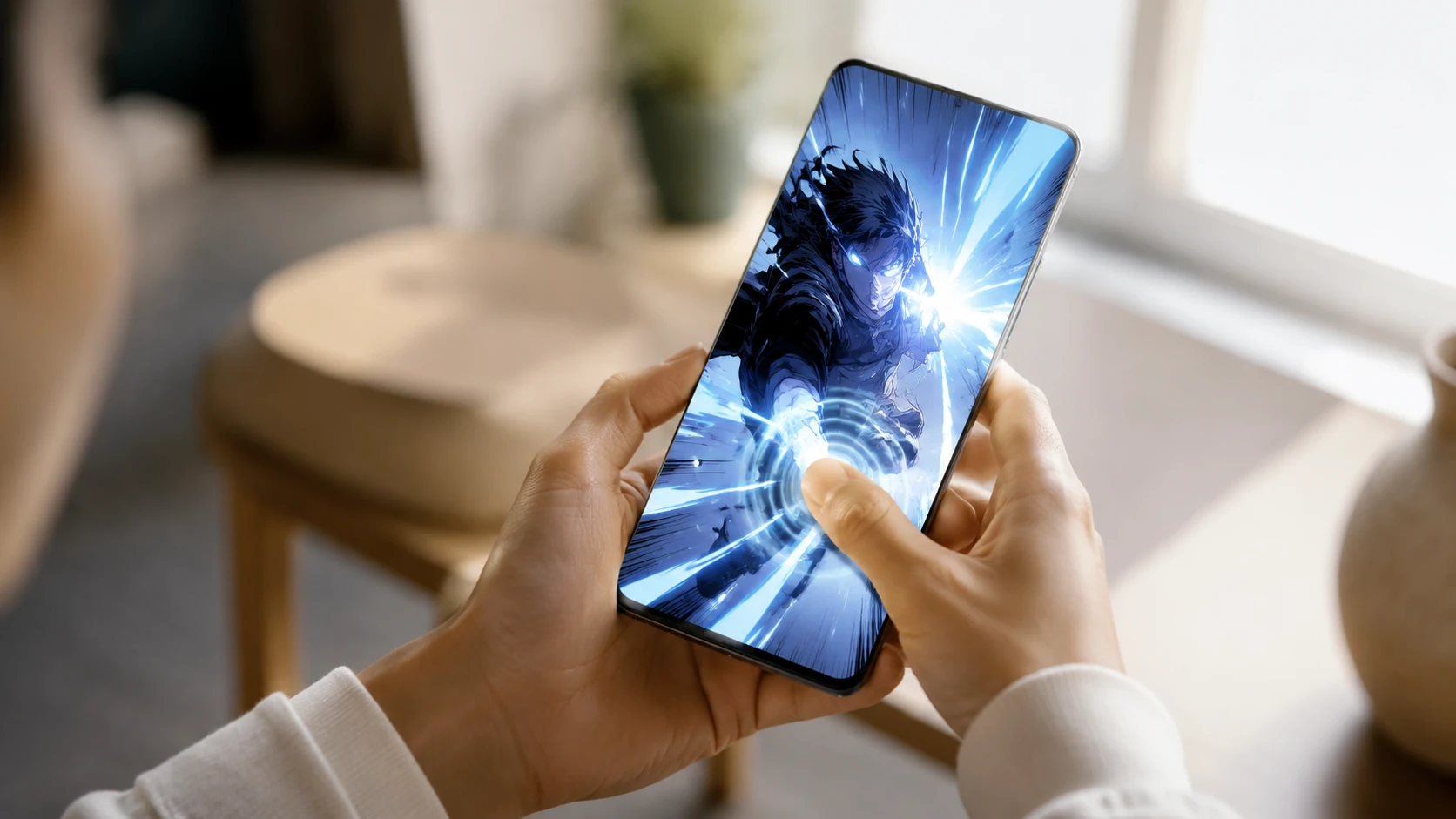
The 2026 Haptic-Narrative Integration (HNI) Standard: Engineering Tactile Feedback for Imm
Discover the 2026 Haptic-Narrative Integration (HNI) standard, a technical framework for embedding synchronized tactile feedback into vertical-scroll comics.
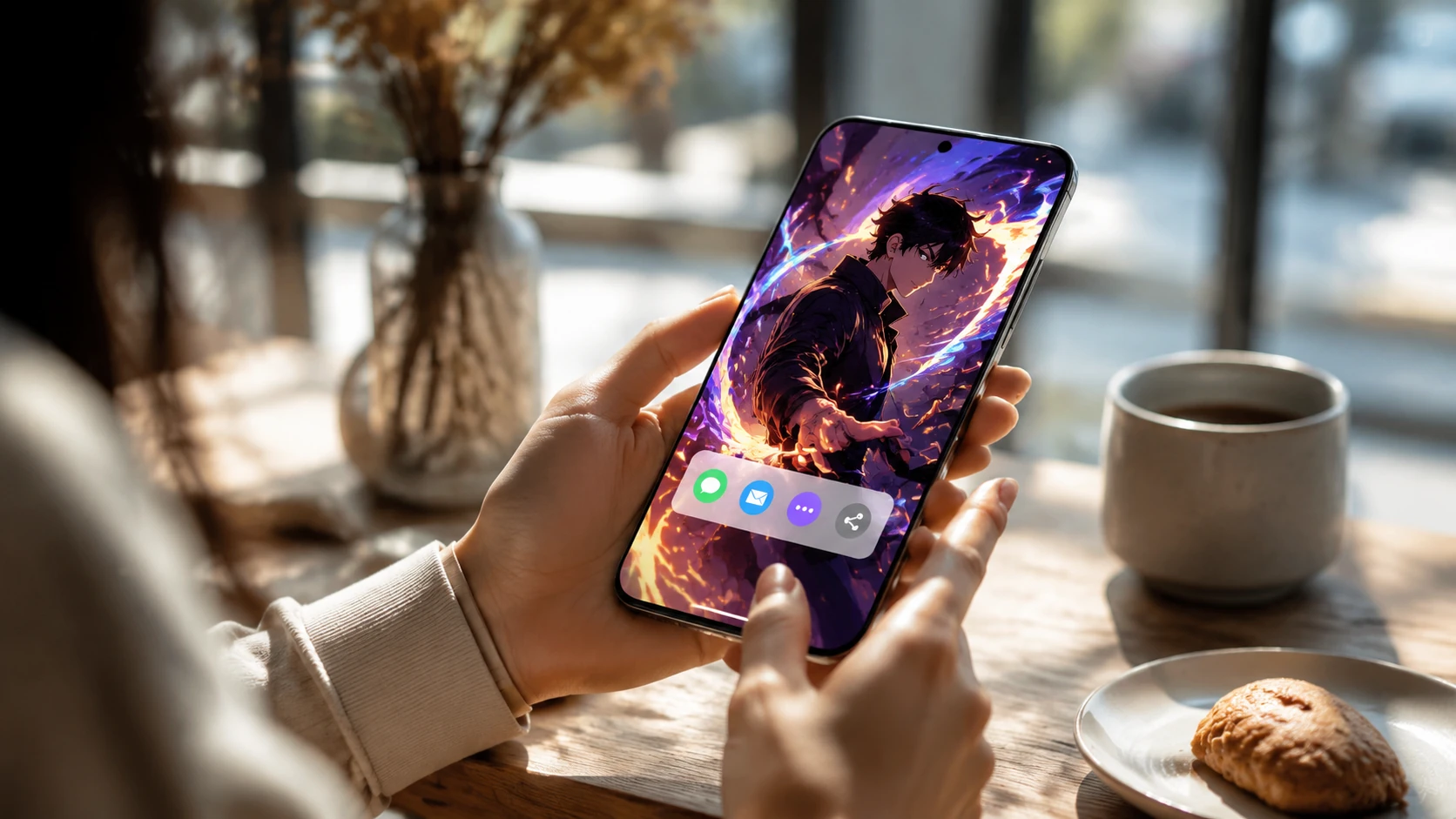
The 2026 ‘Narrative-Led’ Growth Hacking Guide: Engineering Viral Comic Moments for Algorit
Discover how to intentionally engineer 'viral moments' within your comic's narrative to trigger platform algorithms and drive organic reader discovery in the 2026 market.