The 2026 Genre-Liquidity Report: Why Ultra-Niche Micro-Communities are Outperforming Mass-
The era of the 'Mega-Hit' is being replaced by a liquid market of hyper-specific micro-genres. Learn why creators are finding more success in 'Cozy-Cyberpunk' than in general Action or Romance.
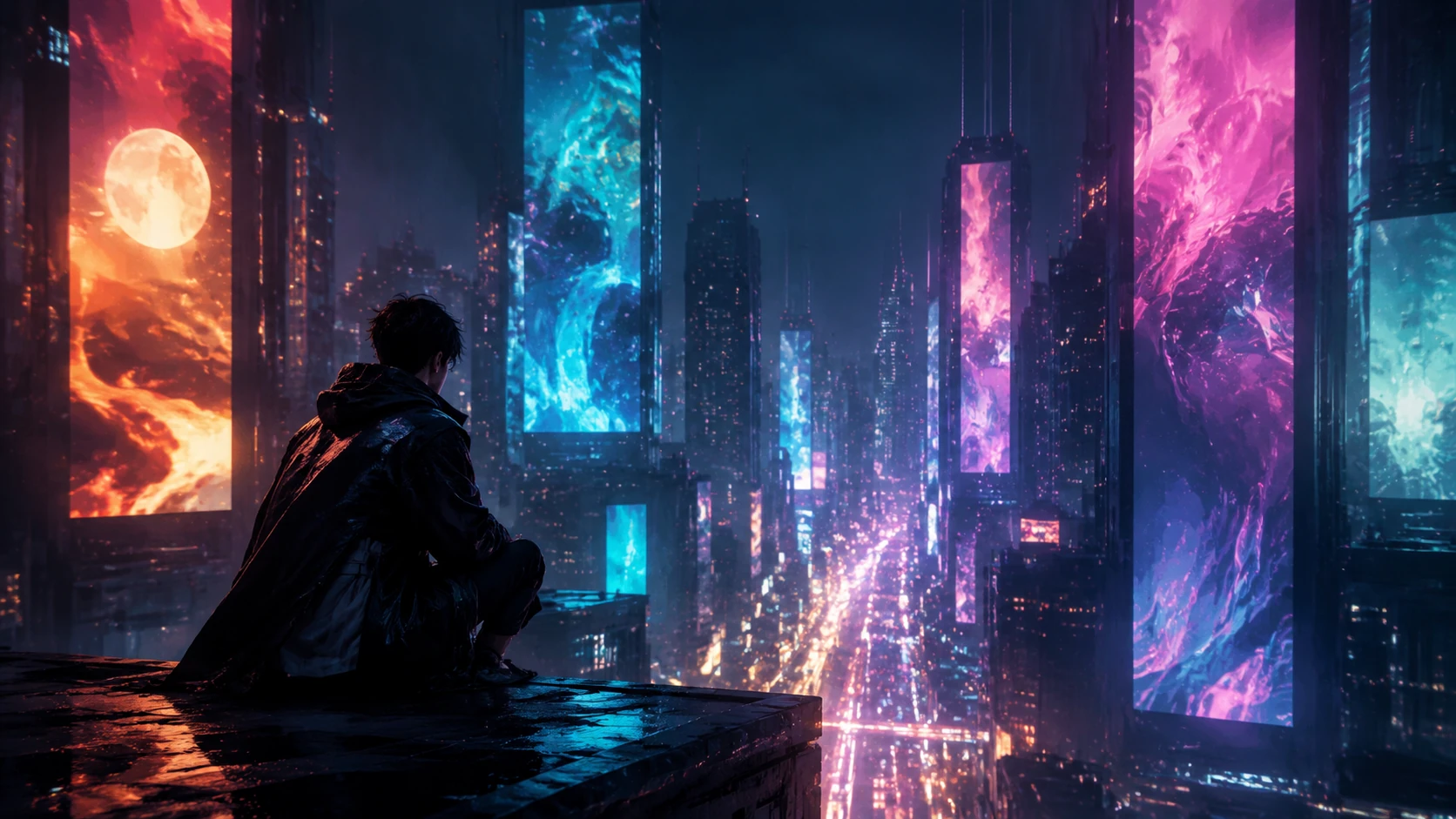
By mid-2026, the comic and webtoon industry has reached a pivotal inflection point: the 'Mainstream' is officially dead. For decades, the industry chased the 'Mega-Hit'—the one series that everyone read. However, the rise of AI-driven generative search and sophisticated recommendation engines has fundamentally fractured the audience into thousands of 'Hyper-Niche Micro-Communities.' This phenomenon, which we at COMICLS call 'Genre-Liquidity,' describes a market where readers no longer identify with broad categories like 'Action' or 'Romance.' Instead, they gravitate toward highly specific 'vibes' and thematic intersections that would have been commercially unviable just three years ago. This report explores why these micro-communities are now outperforming mass-market titles in terms of per-capita engagement and long-term IP value.
The End of the 'Generalist' Tag
In the 2026 search landscape, tagging a series as simply 'Fantasy' is a recipe for invisibility. Modern discovery engines, built on the foundations of Generative Engine Optimization (GEO), ignore broad descriptors in favor of semantic depth. Readers are no longer searching for genres; they are searching for specific narrative payloads. A typical search query in 2026 looks less like 'best new manga' and more like 'low-stakes industrial fantasy with found-family tropes.' This shift has forced a massive re-evaluation of how IP is developed. Generalist stories designed to please everyone are increasingly finding themselves pleasing no one, as they lack the 'semantic hook' required to trigger the high-intent recommendation loops of modern platforms.
Why Micro-Communities Outperform Mass Markets
Data from the first half of 2026 shows a startling trend: series with an audience of 50,000 'niche-obsessed' readers are generating 40% more revenue than series with 500,000 'casual' readers. This is due to the higher Lifetime Value (LTV) and conversion rates within micro-communities. When a reader finds a story that perfectly matches their specific 'liquid' genre preference—such as 'Solarpunk-Detective-Noir'—their emotional investment is exponentially higher. This results in higher Fast Pass conversion rates, better merchandise take-up, and a significantly lower churn rate. These readers aren't just consumers; they are stakeholders in a narrative ecosystem that feels tailor-made for them.
The Mechanics of 'Vibe-Matching'
- Semantic Tagging: Moving beyond plot-based tags to atmospheric and psychological descriptors.
- Algorithmic Trust: How platforms use reader heart-rate and scroll-speed data to identify 'Genre-Liquid' matches.
- Community Sovereignty: The rise of private Discord and Telegram layers where micro-genres thrive outside of platform censorship.
- Adaptive Narrative: Creators tweaking story beats based on the specific 'vibe' feedback of their core micro-community.
Case Study: The 'Cozy-Cyberpunk' Surge
One of the most surprising success stories of 2026 was the explosion of 'Cozy-Cyberpunk.' Traditionally, Cyberpunk is high-octane, violent, and nihilistic. However, a micro-community emerged that craved the aesthetic of high-tech cities but with the narrative pacing of 'Slice-of-Life' and 'Healing' fiction. This intersection—once considered an oxymoron—became one of the highest-earning categories on boutique platforms. Creators who recognized this 'liquid' shift early were able to capture a loyal audience before the major studios even realized the niche existed. This demonstrates the power of the 'first-mover' advantage in the long-tail economy.
Strategic Implications for 2026 Creators
To survive the Genre-Liquidity era, creators must stop trying to build 'The Next Big Thing' and start building 'The Only Thing' for a specific group of people. This requires a shift in mindset from 'broad appeal' to 'deep resonance.' Success in 2026 is measured by the density of the connection, not the width of the reach. Creators should conduct 'Narrative Gap Analysis' to find underserved intersections of tropes and moods. By positioning a series at the center of a developing micro-niche, a creator can achieve 'topical authority' that protects them from the competitive pressure of high-budget studio releases.
The Future of Discovery: Mood over Category
As we look toward 2027, the trend of Genre-Liquidity will only accelerate. We expect to see platforms completely remove traditional 'Genre Tabs' in favor of 'Mood Sliders' and 'Entity-Based Discovery.' In this environment, the most successful creators will be those who master the art of 'Atmospheric Engineering'—the ability to evoke a very specific, repeatable emotional state in the reader. The market is no longer a monolith; it is a sea of islands, and your job is to build the most beautiful lighthouse on your specific island.
FAQ
What is Genre-Liquidity in the 2026 comic market?
Genre-Liquidity refers to the shift where rigid genres dissolve into fluid, hyper-specific narrative 'vibes' and trope-intersections driven by AI discovery.
How do micro-genres make more money than mass-market titles?
Micro-genres benefit from higher reader retention, deeper emotional investment, and significantly higher conversion rates for premium content and merchandise.
Is it risky to write for an ultra-niche audience?
In 2026, the real risk is being a generalist. Niche audiences provide a protective 'moat' of loyalty and better visibility in AI-driven search engines.