The 2026 Haptic-Narrative Integration (HNI) Standard: Engineering Tactile Feedback for Imm
Discover the 2026 Haptic-Narrative Integration (HNI) standard, a technical framework for embedding synchronized tactile feedback into vertical-scroll comics.
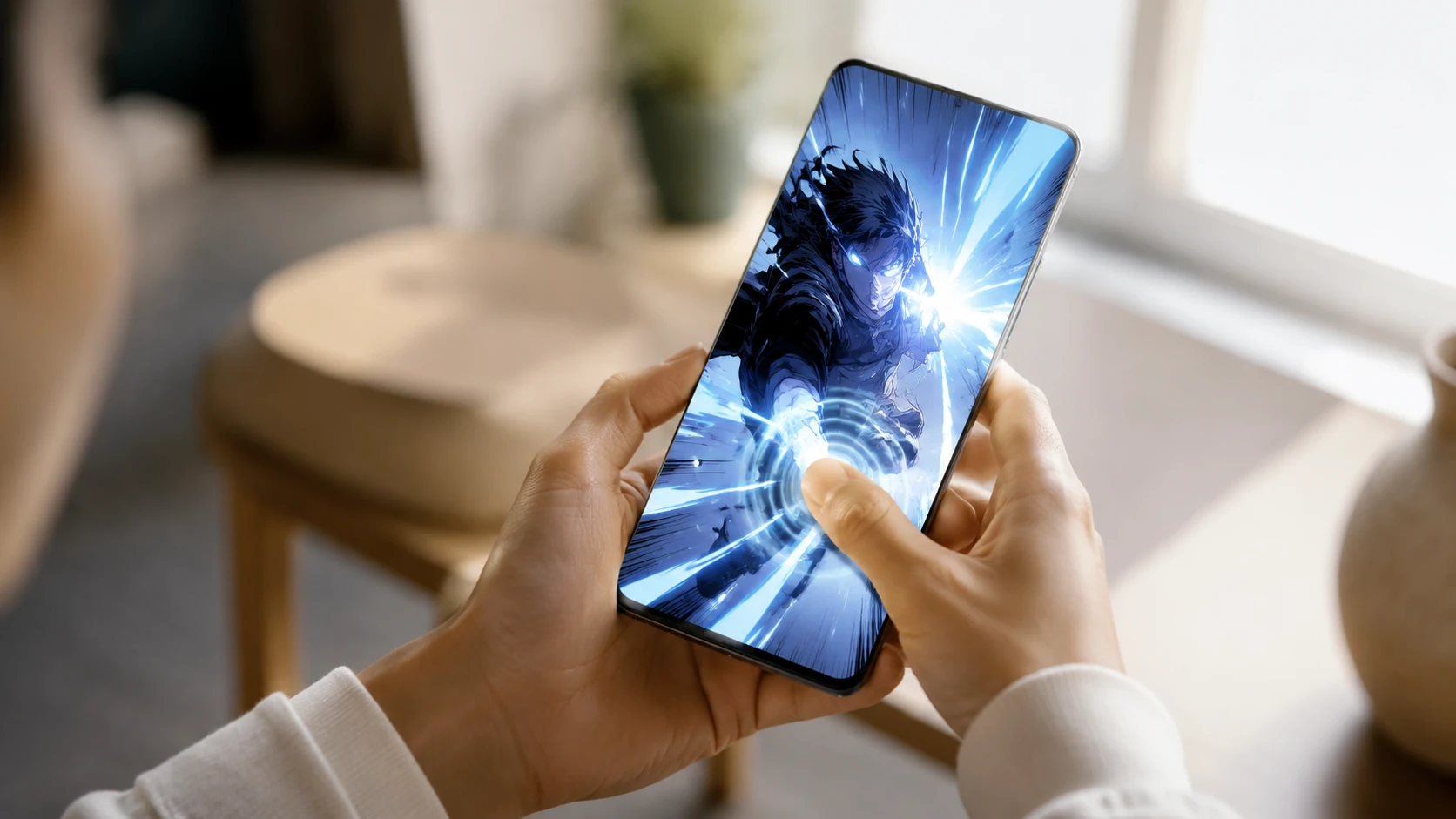
By 2026, the 'zombie scroll'—the passive, low-engagement consumption of vertical comics—has become the primary enemy of reader retention. To combat this, the industry has coalesced around the Haptic-Narrative Integration (HNI) standard. This framework moves beyond simple phone vibrations, offering a sophisticated technical protocol for embedding synchronized tactile feedback directly into the vertical scroll. HNI allows creators to 'physicalize' the digital reading experience, turning a flat glass screen into a medium that can simulate the weight of a sword strike, the rapid heartbeat of a romantic lead, or the low-frequency rumble of a distant explosion. As mobile hardware in 2026 features increasingly granular haptic engines, HNI provides the software bridge necessary to translate narrative tension into physical sensation without breaking the reader's immersion.
The Three Pillars of the HNI Protocol
The HNI standard is built on three distinct haptic layers, each designed to serve a specific narrative function. Unlike early mobile games that used haptics as a gimmick, 2026's HNI implementation is disciplined, ensuring that tactile events are meaningful and non-fatiguing for the user.
1. Impact Triggers (Kinetic Feedback)
Impact triggers are high-amplitude, short-duration bursts synchronized with action panels. When a character lands a punch or a door slams shut, the HNI-encoded panel triggers a sharp, localized vibration. Technical precision is key here; the vibration must align within 15 milliseconds of the user scrolling the 'impact point' into the center of the viewport.
2. Atmospheric Resonance (Ambient Feedback)
Atmospheric resonance uses low-frequency, sustained haptic patterns to simulate environments. A rainy scene might feature a faint, irregular 'patter' felt through the device frame, while a scene set in a high-tech engine room might emit a steady, barely-perceivable hum. These are designed to reside in the reader's subconscious, deepening the sense of presence.
3. Emotional Pulsing (Biometric Sync)
One of the most innovative 2026 applications is emotional pulsing—simulating a character's physiological state. During a high-stakes confession or a moment of terror, the device can mimic a rhythmic heartbeat. This creates a powerful empathetic link between the reader and the protagonist, effectively 'sharing' the character's physical stress.
Technical Implementation: The Metadata Layer
From a production standpoint, HNI is not baked into the image file itself. Instead, it exists as a JSON-based metadata layer that sits alongside the image assets in the webtoon engine. This allows for 'responsive haptics' that adapt to the reader's device capabilities and personal sensitivity settings.
- Scroll-Position Mapping: Haptic triggers are mapped to specific Y-axis coordinates within a chapter.
- Intensity Scaling: The engine automatically scales the vibration strength based on the device's battery level and haptic motor type (LRA vs. ERM).
- User Customization: Readers can toggle 'Haptic Intensity' or disable specific types (e.g., keeping Impact but disabling Ambient).
Avoiding Sensory Fatigue: The 'Less is More' Rule
The greatest risk with HNI is sensory overload. If every panel vibrates, the reader will quickly become desensitized or annoyed, leading to an immediate 'Haptics Off' action. Professional 2026 workflows prioritize 'Tactile White Space'—ensuring that at least 70% of a chapter is haptic-free.
Strategic implementation focuses on the 'Climax-Only' model, where haptics are reserved for the 2-3 most pivotal moments in an episode. This preserves the 'novelty' of the sensation and ensures that when the device does vibrate, it signals something of genuine narrative importance. Furthermore, the HNI standard mandates 'Soft Entry/Exit' for ambient haptics, preventing the jarring 'buzz' of a motor starting up abruptly.
Accessibility and the Haptic-to-Visual Fallback
Inclusive design is a core part of the 2026 HNI standard. Not all readers can feel haptic feedback due to sensory processing differences or hardware limitations. The protocol includes a 'Visual Haptic' fallback, where the engine translates tactile data into subtle screen shakes or chromatic aberration effects for users who have haptics disabled. This ensures that the 'emphasis' intended by the creator is communicated, regardless of the medium of delivery.
FAQ
Will HNI significantly drain my smartphone battery?
The 2026 HNI standard is highly optimized. Modern Linear Resonant Actuators (LRAs) are extremely efficient, and the standard includes 'Eco-Modes' that reduce intensity when battery life falls below 20%.
Can I add haptics to my existing webtoons?
Yes. Because HNI is a metadata layer, you can retroactively add haptic triggers to published chapters without re-uploading your art assets.
Do all webtoon platforms support HNI in 2026?
Most major global platforms have adopted the HNI open standard to ensure cross-platform compatibility, though implementation depth varies between mobile apps and web-based viewers.