Comics news and insights for your local market
Follow webtoon, manga, manhwa, AI comic, creator economy, and storytelling trends curated for each region.
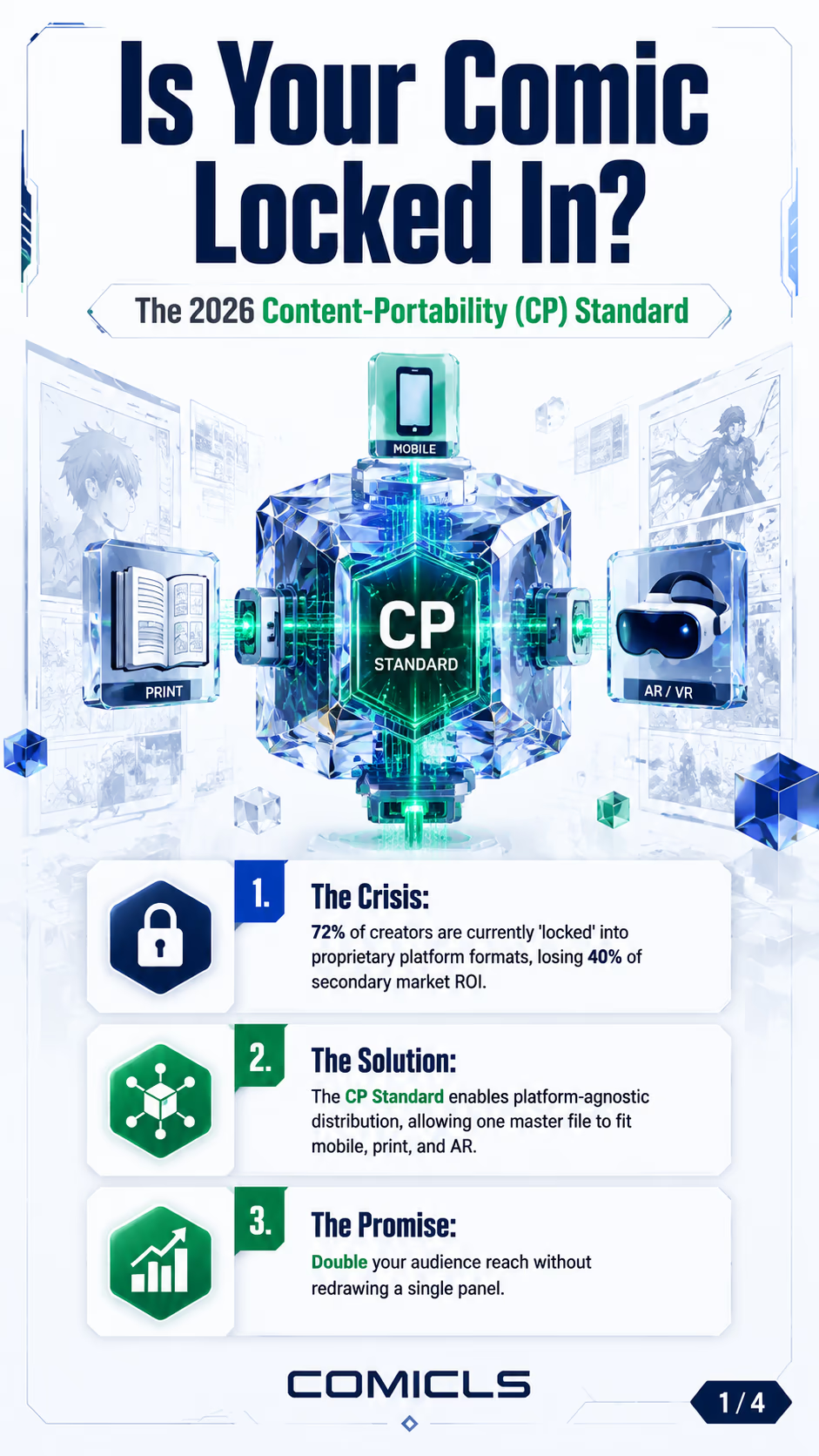
Is Your Comic Locked In? The 2026 CP Standard
Discover how the 2026 Content-Portability (CP) Standard ends creator platform-lock through modular asset design and responsive layout engineering.
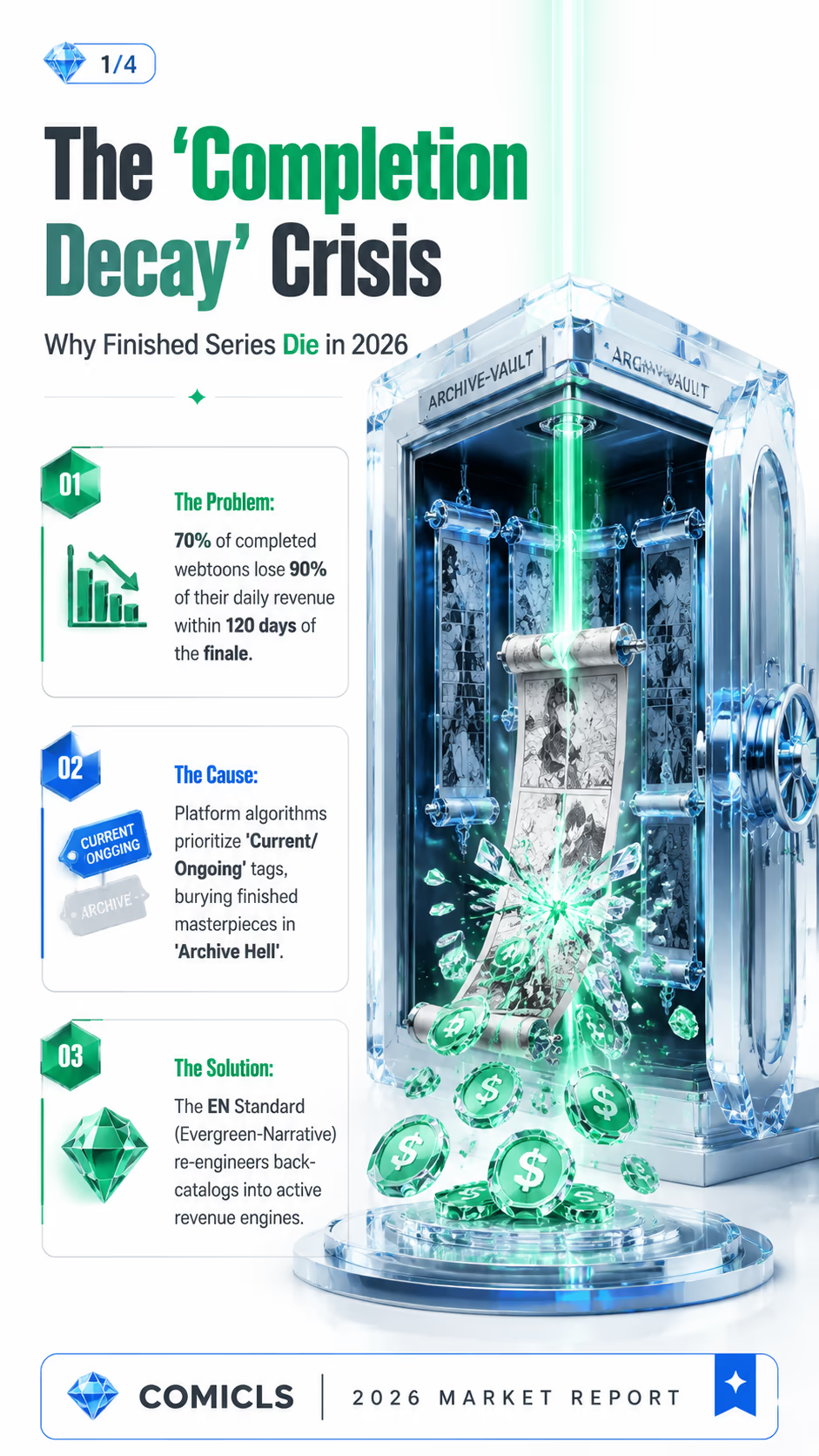
Maximizing Back-Catalog ROI: The 2026 EN Standard
Discover how the 2026 EN Standard prevents 'completion decay' by transforming finished series into high-yield evergreen assets. Learn the four pillars of long-tail comic monetization.
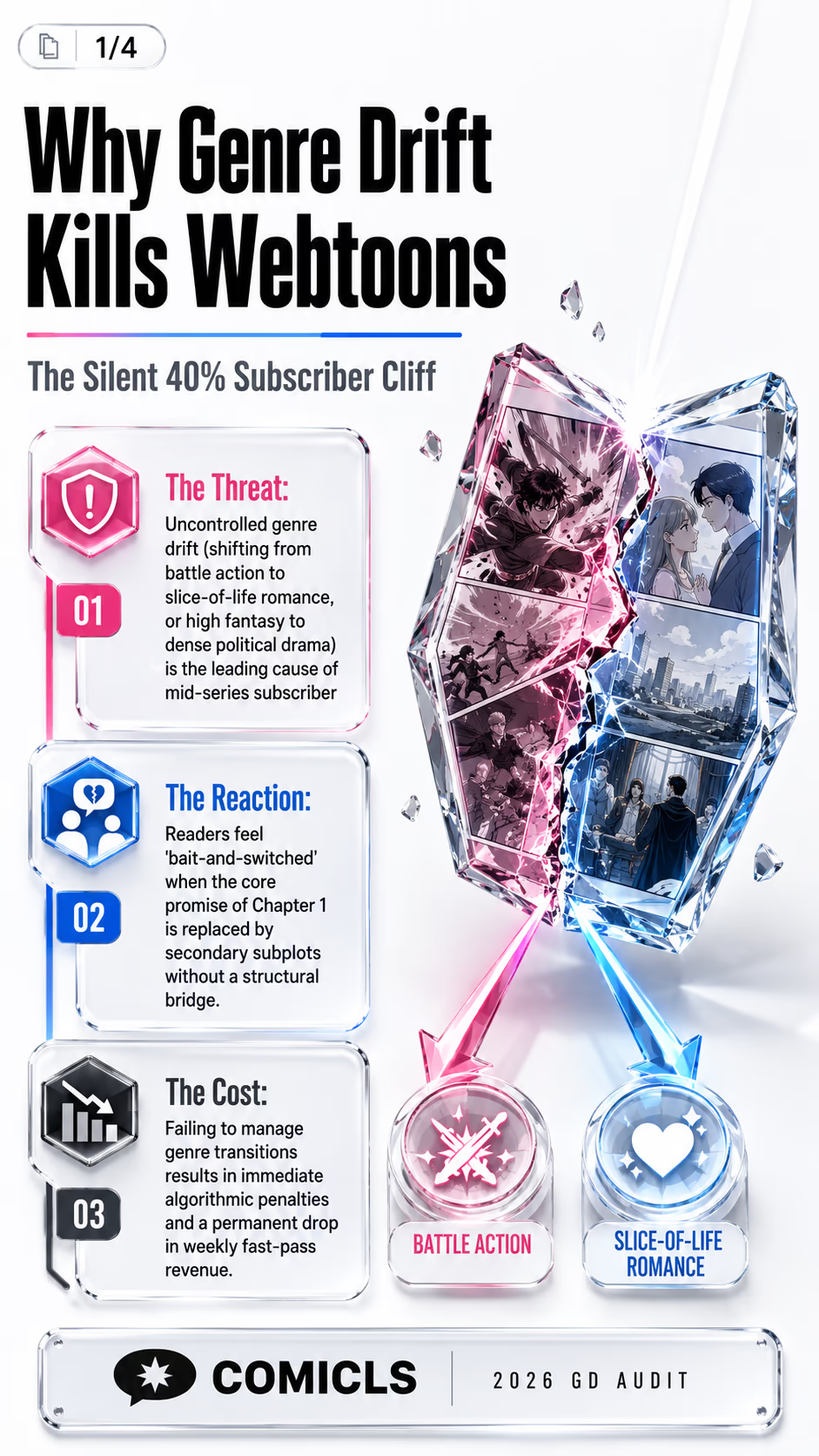
Why Genre Drift Kills Webtoons: The 2026 GD Audit
When long-form series shift from action to romance or fantasy to politics, reader churn spikes. Master the 2026 GD Audit to transition genres safely.
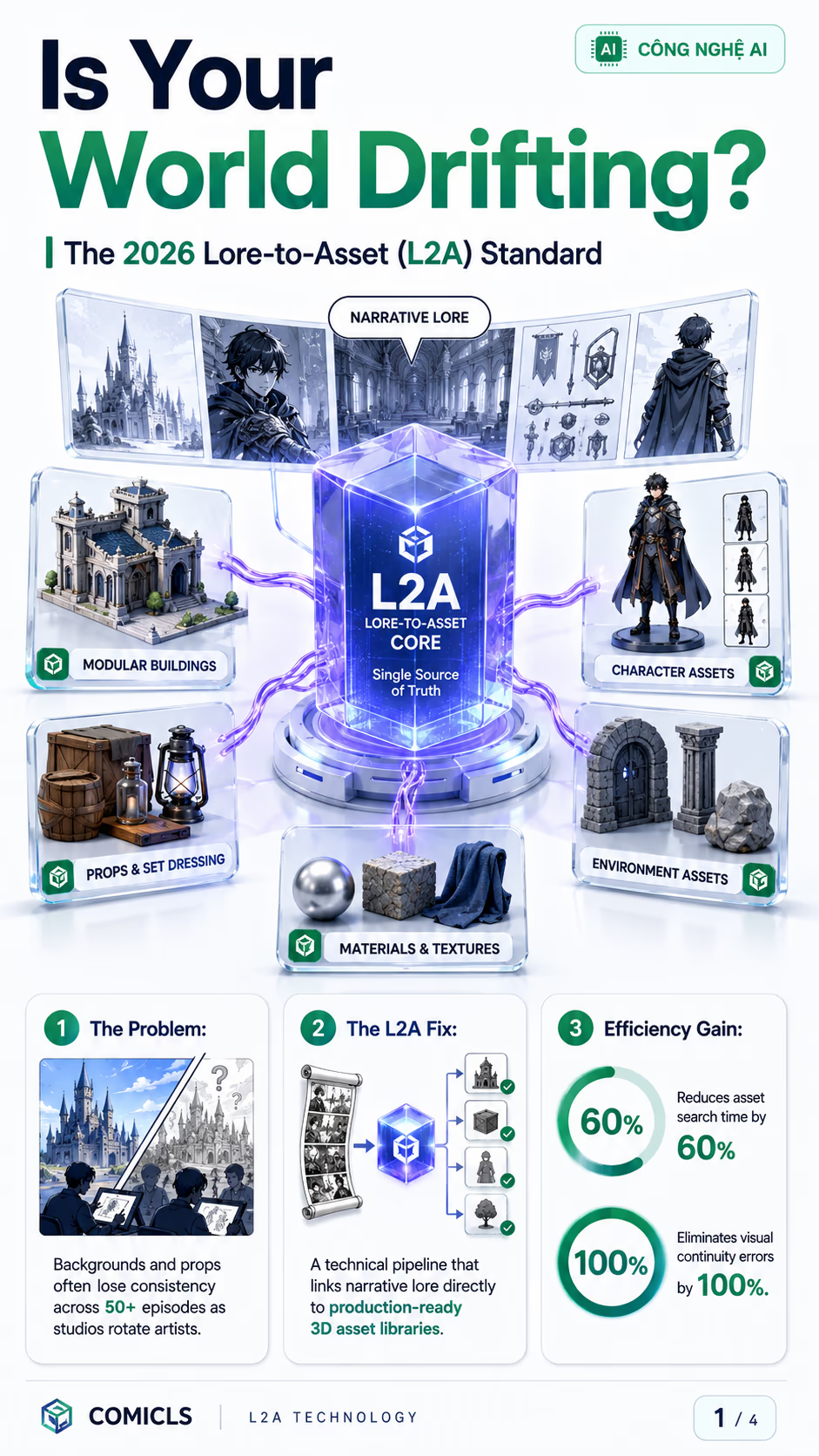
Does Your Lore Scale? The 2026 L2A Tech Standard
Discover the 2026 L2A standard for linking narrative lore to production-ready 3D assets. Solve background drift and boost studio efficiency by 40%.

The 2026 ‘Artistic-Signature’ (AS) Audit: Fixing the AI-Uncanny Valley
Discover the 2026 AS Audit—a strategic framework for creators to engineer 'human-signature' markers into their webtoons and manga to bypass reader AI-fatigue.
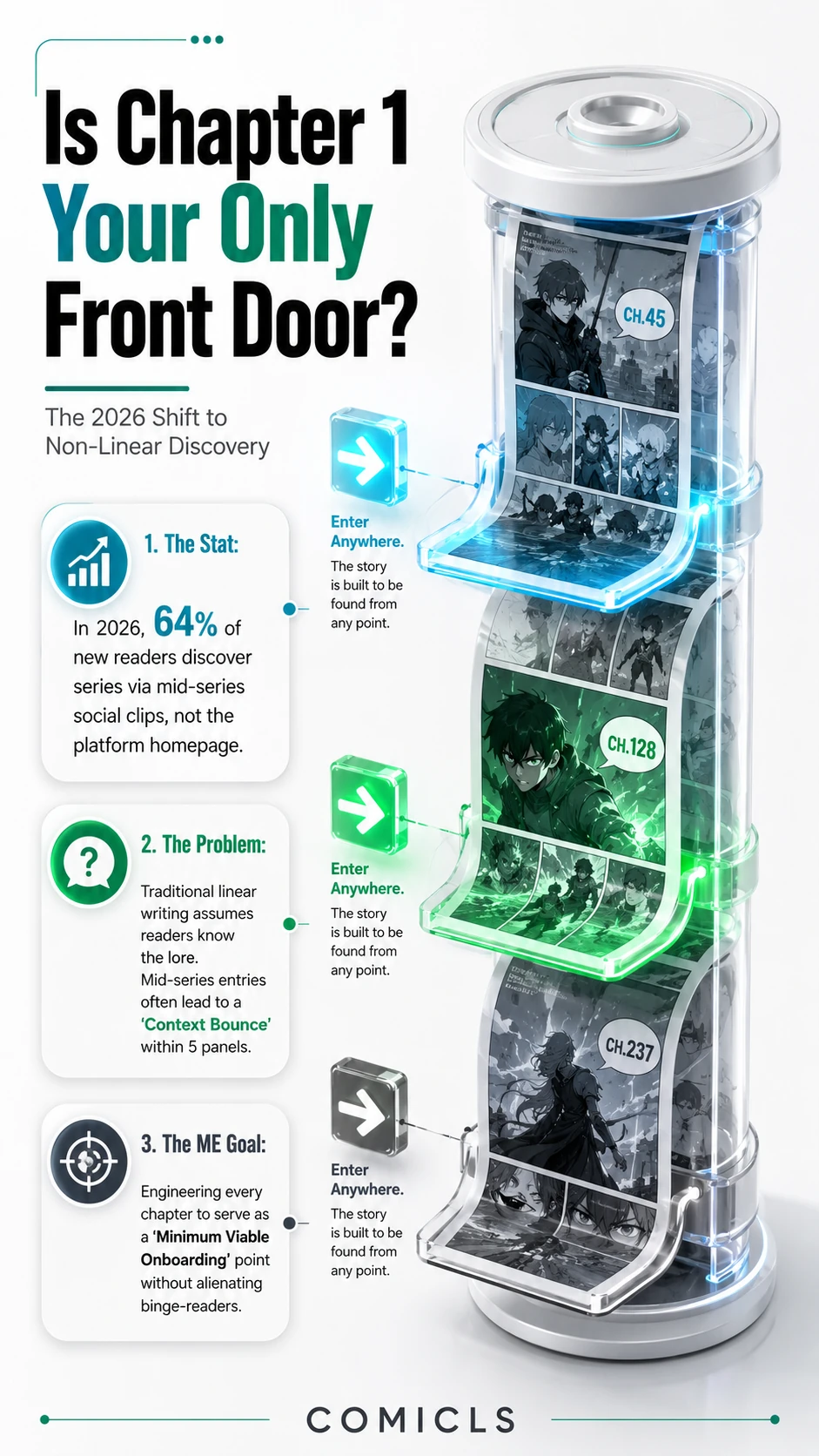
Does Your Webtoon Pass the 'Multi-Entry' (ME) Test?
In 2026, readers no longer start exclusively at Chapter 1. Discover the Multi-Entry (ME) Standard to turn every chapter into a high-conversion 'front door' for your series.
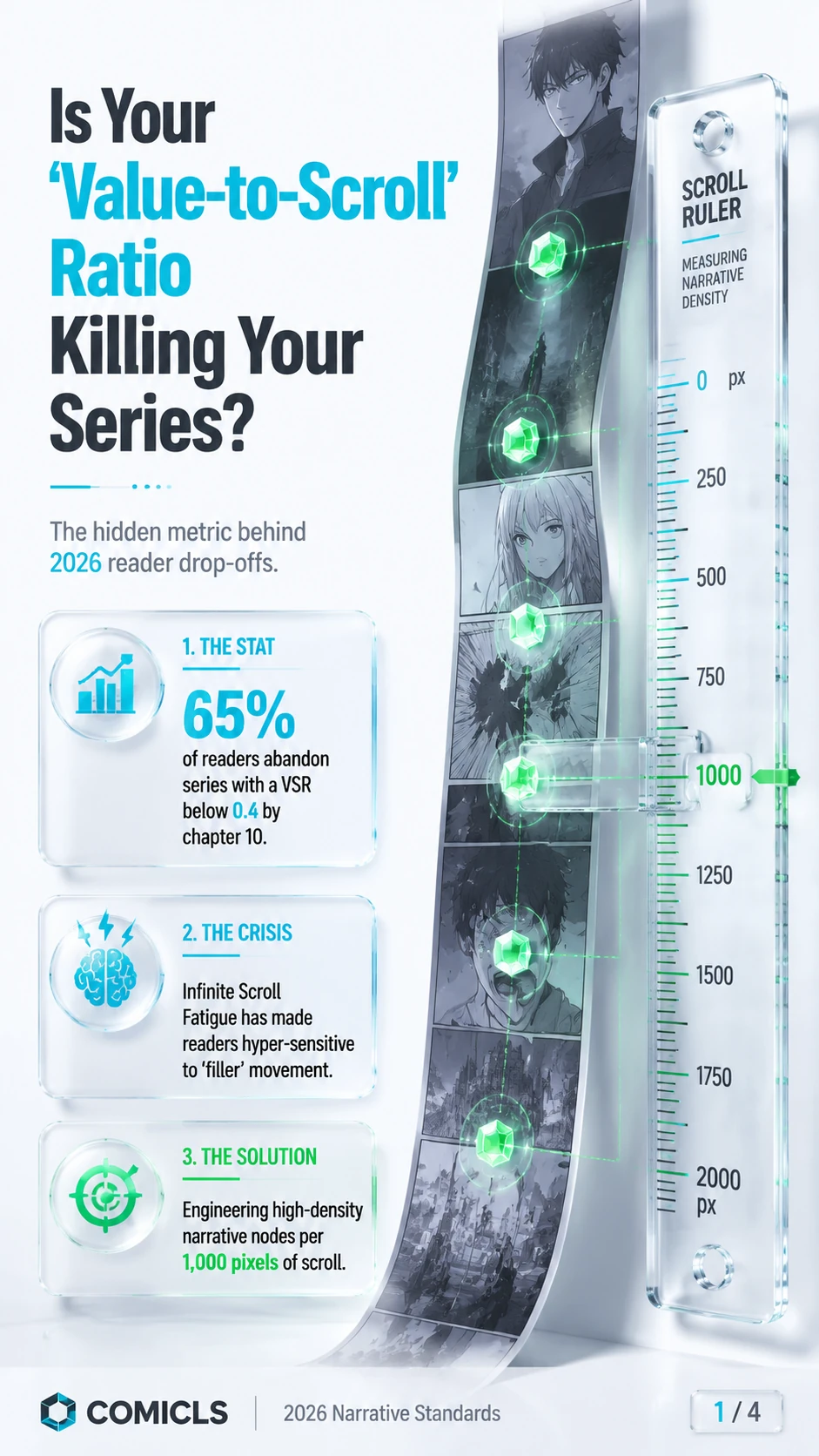
Fixing the 'Value-to-Scroll' Ratio in Your Webtoon
In 2026, 'Infinite Scroll Fatigue' is the leading cause of series abandonment. Learn how the Value-to-Scroll (VSR) metric helps creators engineer high-retention chapters.
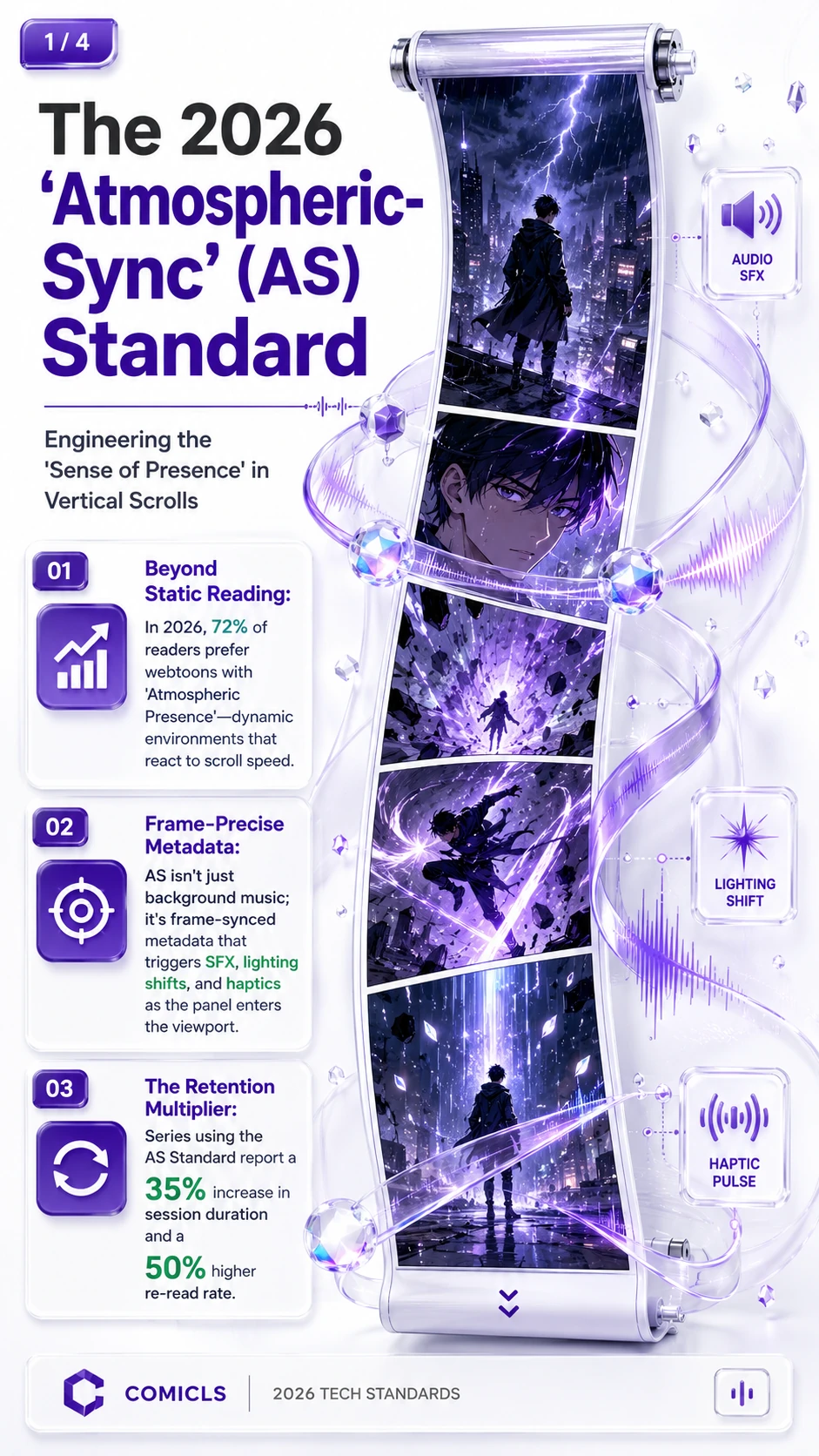
The 2026 ‘Atmospheric-Sync’ (AS) Standard: Engineering Immersive Audio
Master the 2026 AS Standard to bridge the gap between static panels and cinematic immersion. Learn to engineer frame-precise audio-visual metadata for vertical scroll comics.
Comics Market
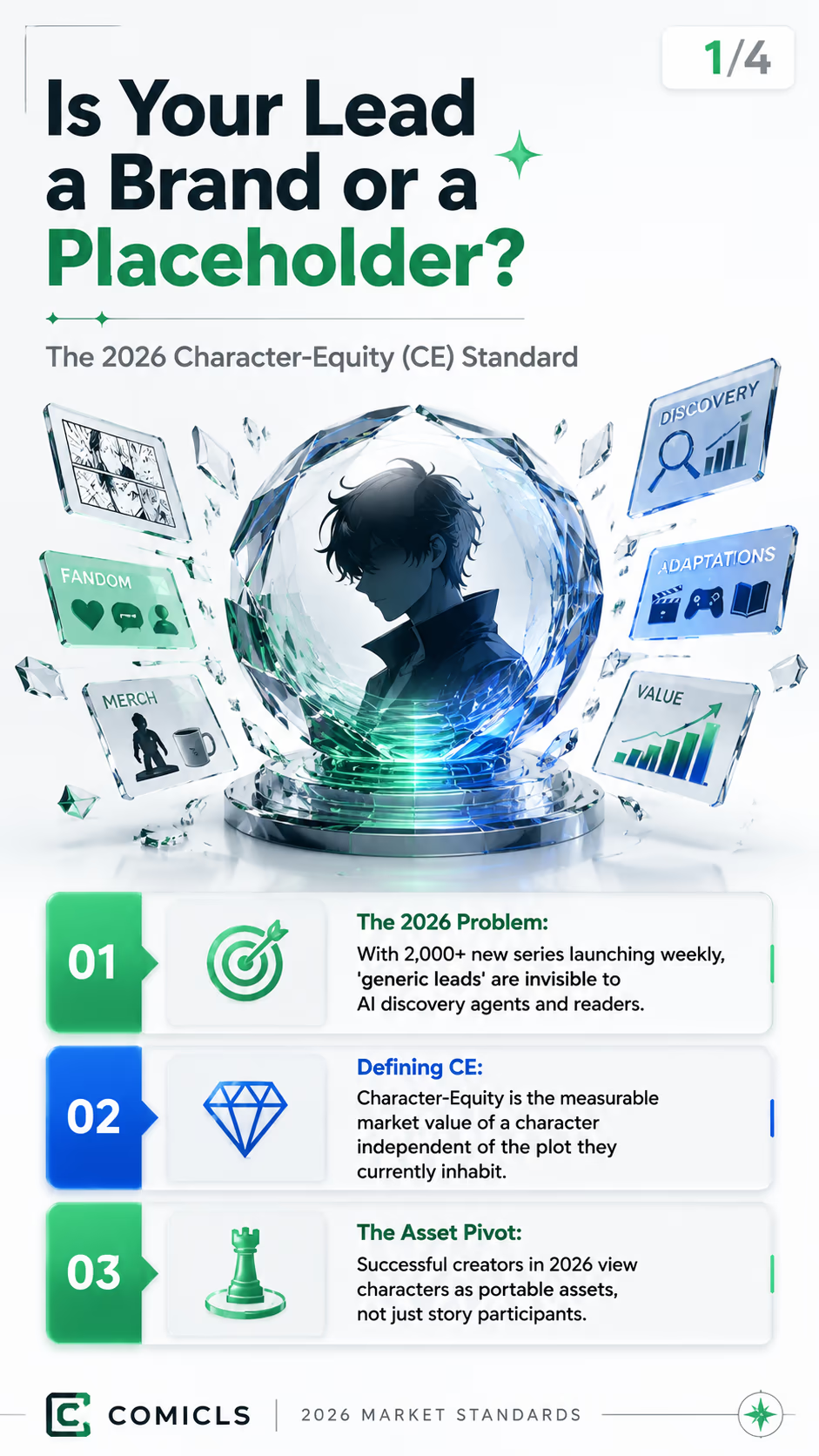
Why Character-Equity (CE) is 2026’s Top Creator Asset
In 2026, a story is only as strong as its lead's marketability. Learn the Character-Equity (CE) Standard to protect and scale your most valuable creative asset.
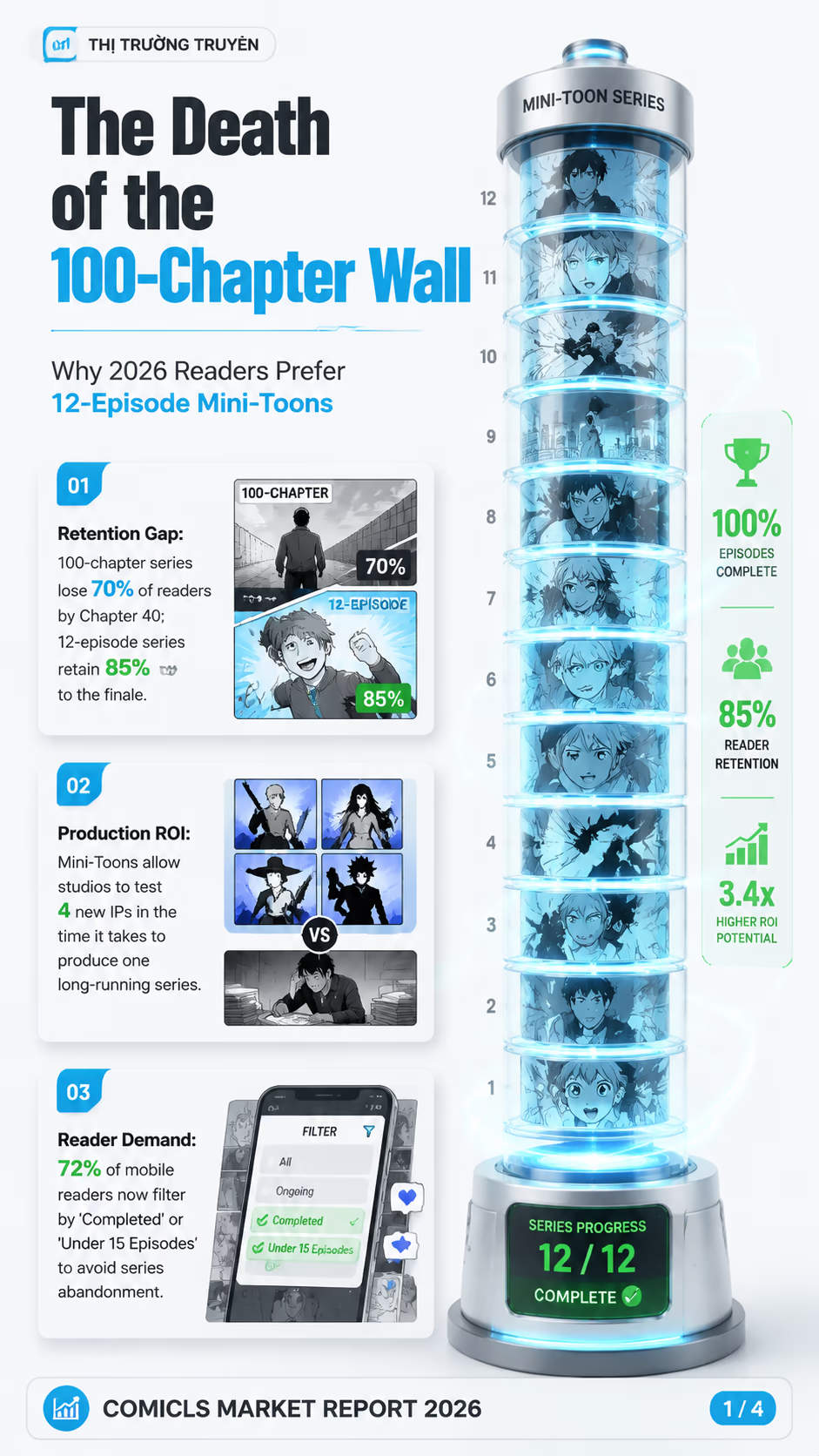
Why 12-Episode 'Mini-Toons' are 2026’s Top ROI Driver
In 2026, infinite scroll fatigue has led to the rise of the 12-episode 'Mini-Toon.' These micro-series offer 3x higher completion rates and faster ROI for independent studios.
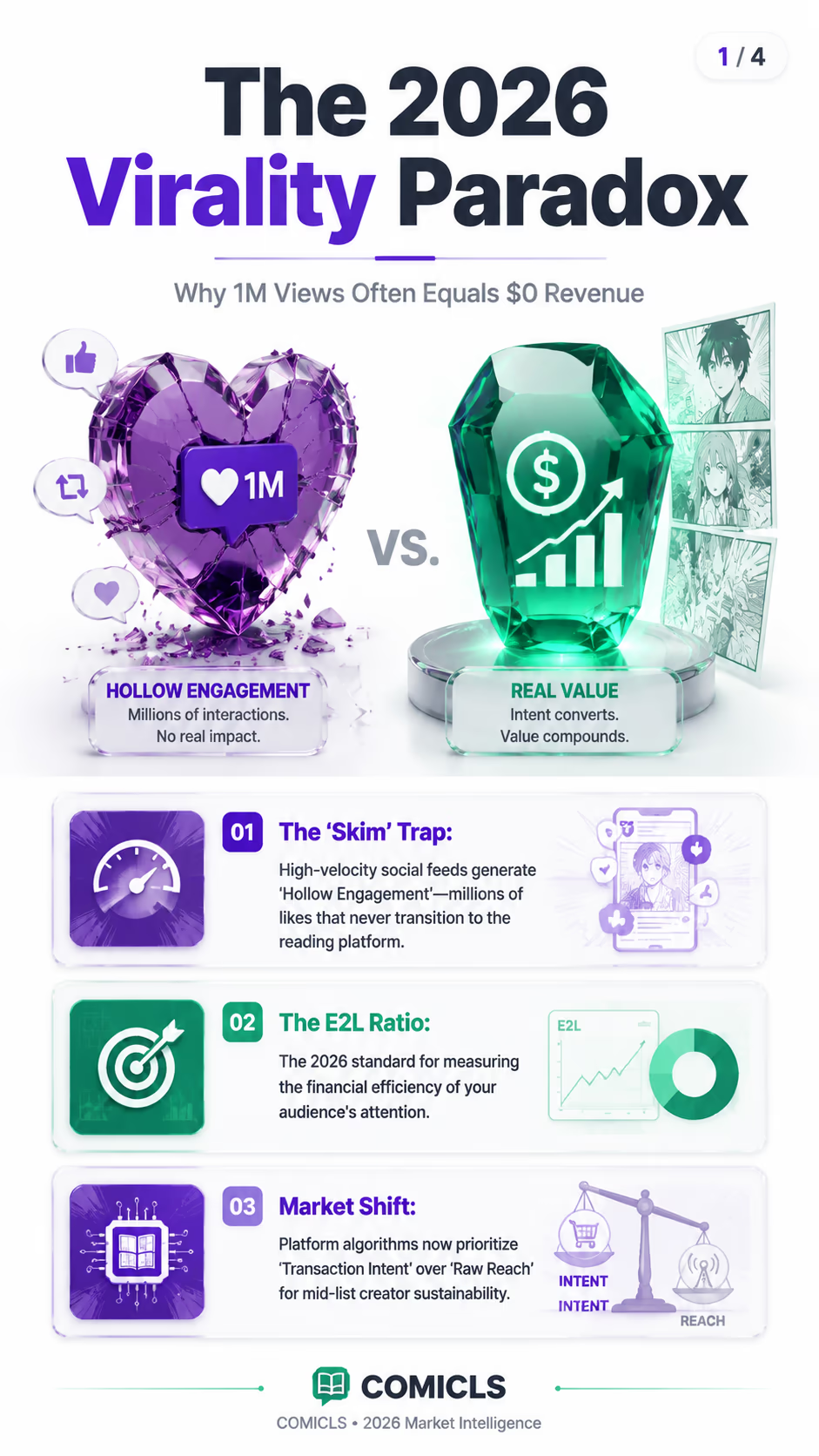
Is Your Virality Killing Your Profits? The 2026 E2L Gap
In 2026, millions of views no longer guarantee profit. Learn the Engagement-to-LTV (E2L) standard to fix the 'hollow virality' trap and build a high-margin series.
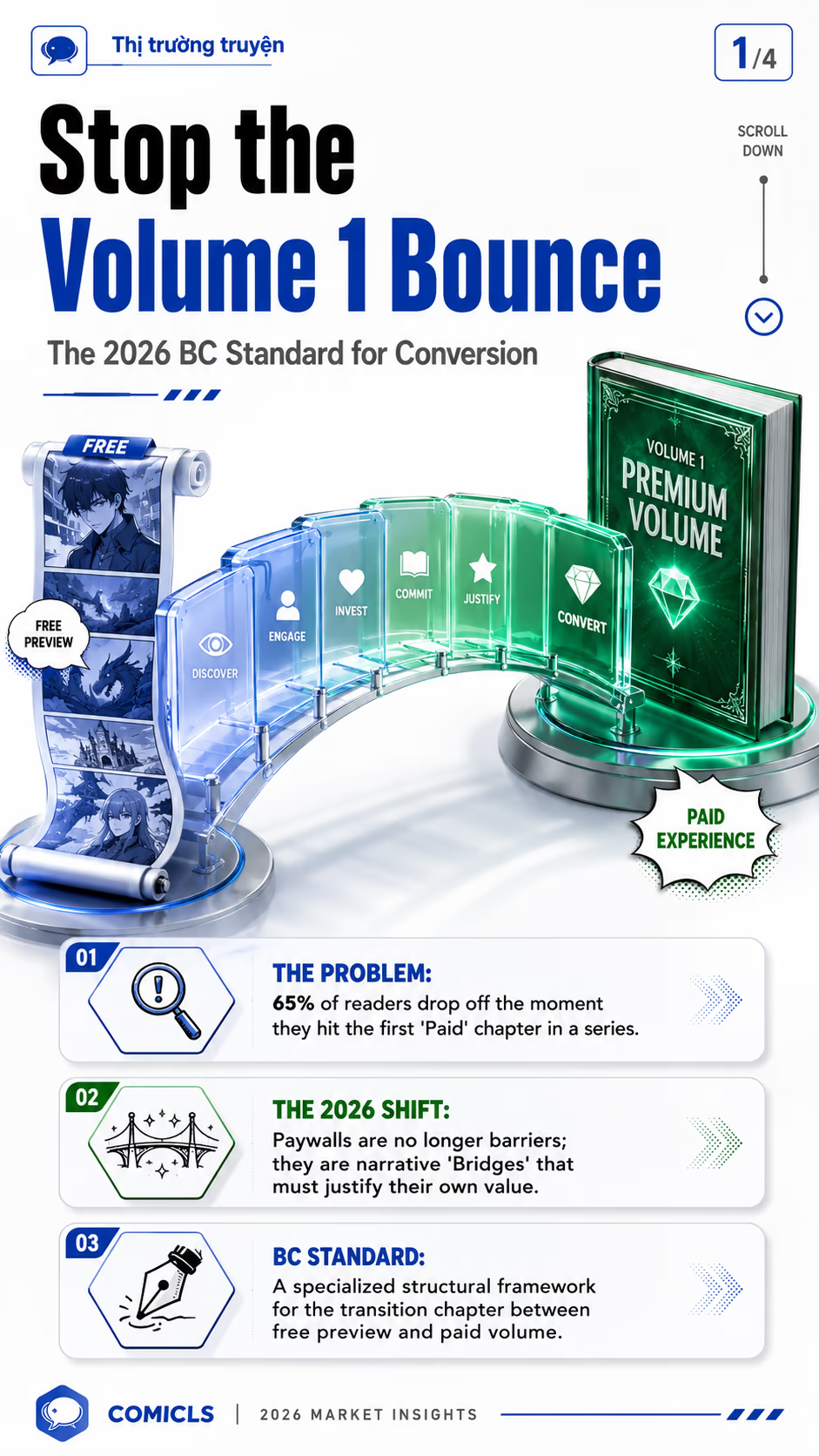
Solving the ‘Volume 1 Gap’: The 2026 BC Standard
Discover how the 2026 Bridge-Chapter (BC) Standard solves the critical drop-off point where free readers meet paywalls. Master the psychology of conversion in the high-competition webtoon market.
Latest
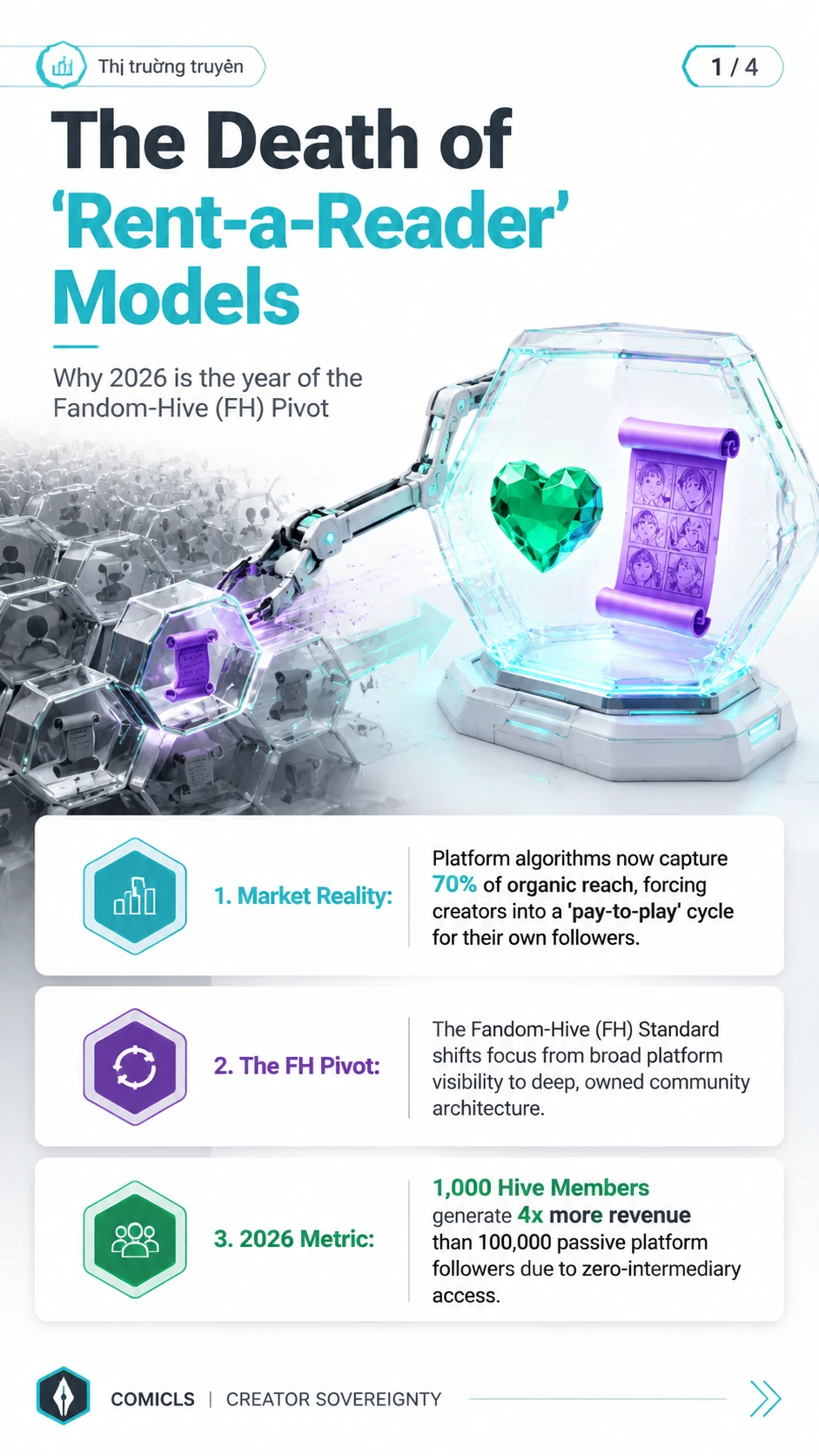
The 2026 Fandom-Hive (FH) Shift: Ending Creator Platform-Lock
Discover why the 2026 Fandom-Hive (FH) model is the definitive solution for creators looking to escape platform dependency and build sovereign reader communities. Master the transition from passive followers to owned, high-LTV fanbases.
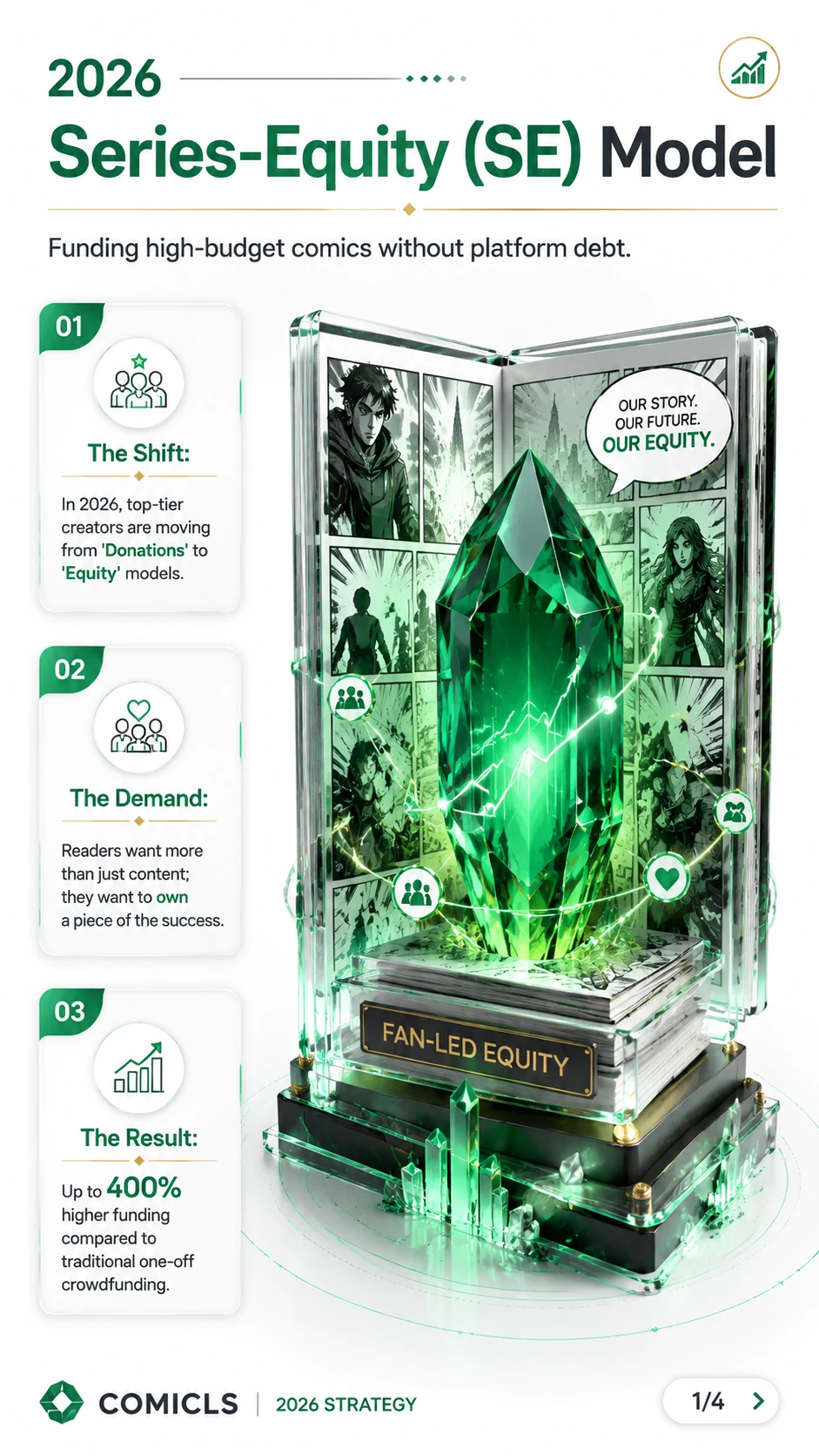
2026 Series-Equity (SE) Model: Fund Your Comic Without Platforms
The 2026 Series-Equity (SE) Model is revolutionizing how independent creators fund high-budget productions. Discover how to turn readers into financial stakeholders to secure production capital.
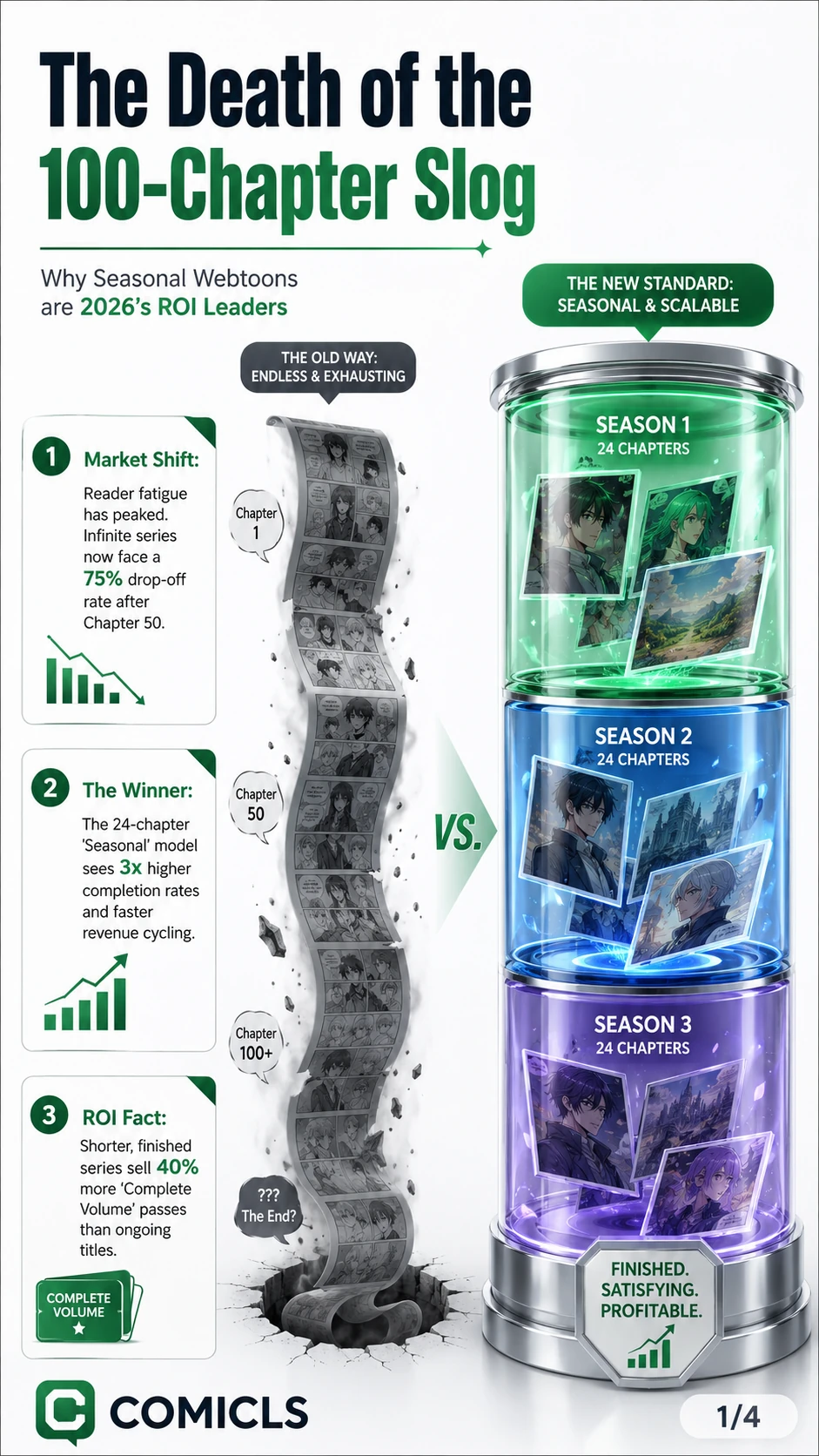
Why the 'Seasonal' Standard is 2026’s Top Webtoon ROI Driver
In 2026, the 'Infinite Scroll' era is giving way to high-density Seasonal Webtoon Architecture (SWA). Learn how shorter series drive higher completion rates and 3x the ROI per panel.
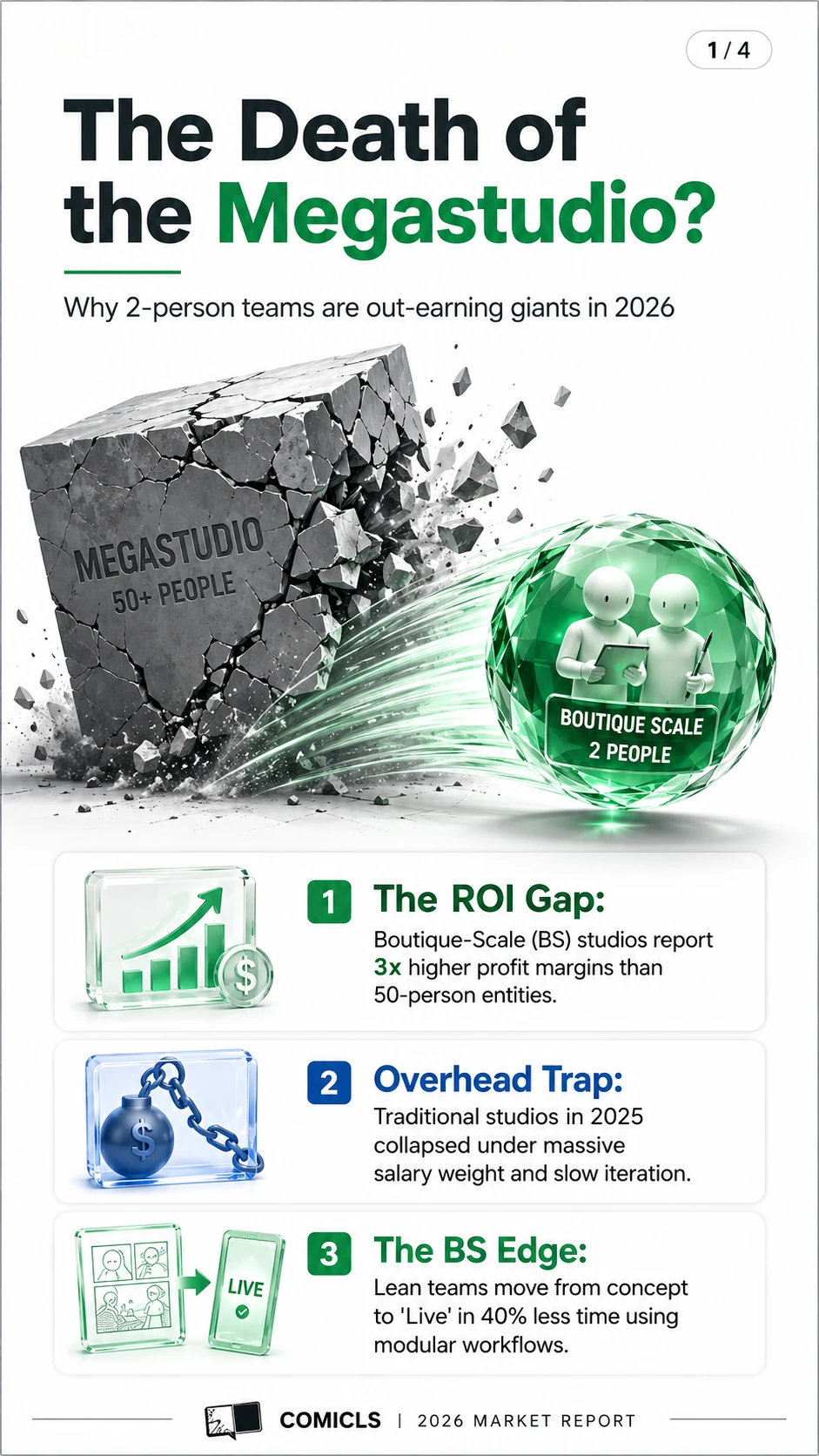
Why ‘Boutique-Scale’ Studios are Dominating the 2026 Webtoon Market
The 2026 market shift favors the lean. Learn why Boutique-Scale studios are achieving 3x higher ROI than traditional megastudios using modular asset ecosystems.
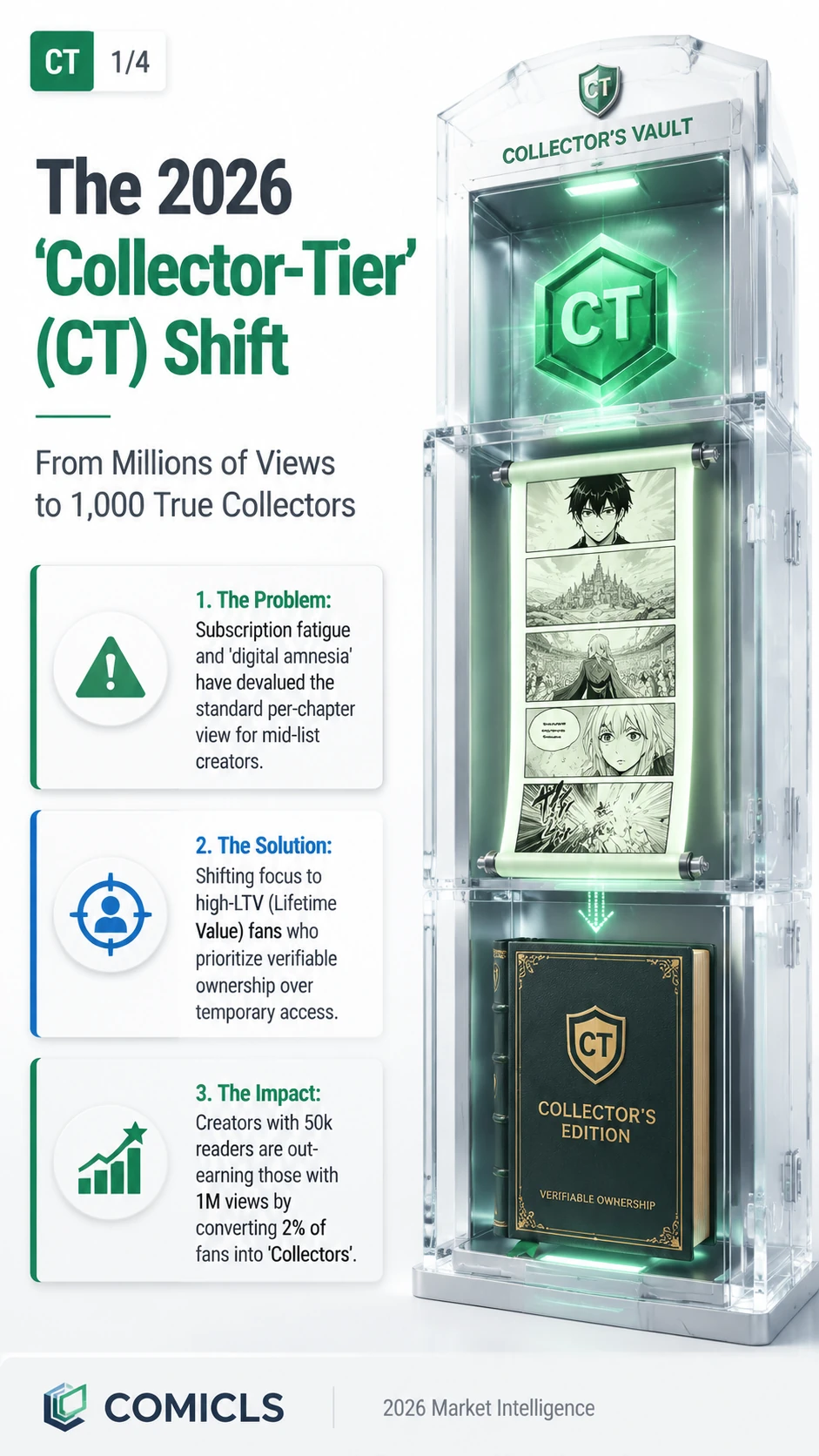
Why the ‘Collector-Tier’ (CT) Shift is Reviving Mid-List Revenue
In 2026, mid-list webtoon creators are abandoning the 'mass-view' race for the 'Collector-Tier' (CT) model. Learn how digital-physical hybrid ownership is fixing the monetization gap.
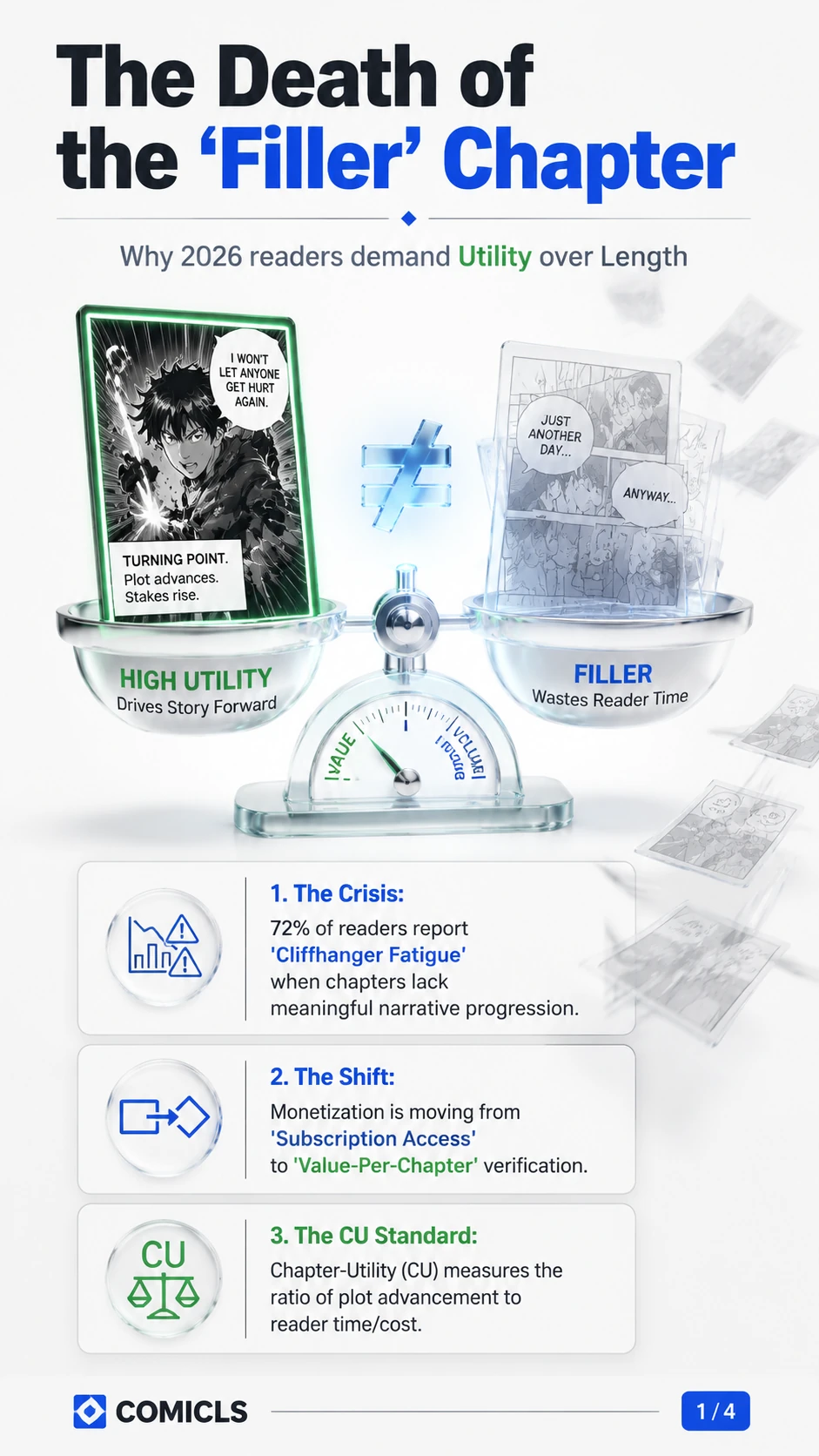
Why 'Chapter-Utility' (CU) is 2026’s Core Webtoon Monetization Metric
In 2026, readers are rejecting long, filler-heavy chapters. The Chapter-Utility (CU) standard helps creators engineer high-value episodes that maximize per-chapter ROI.
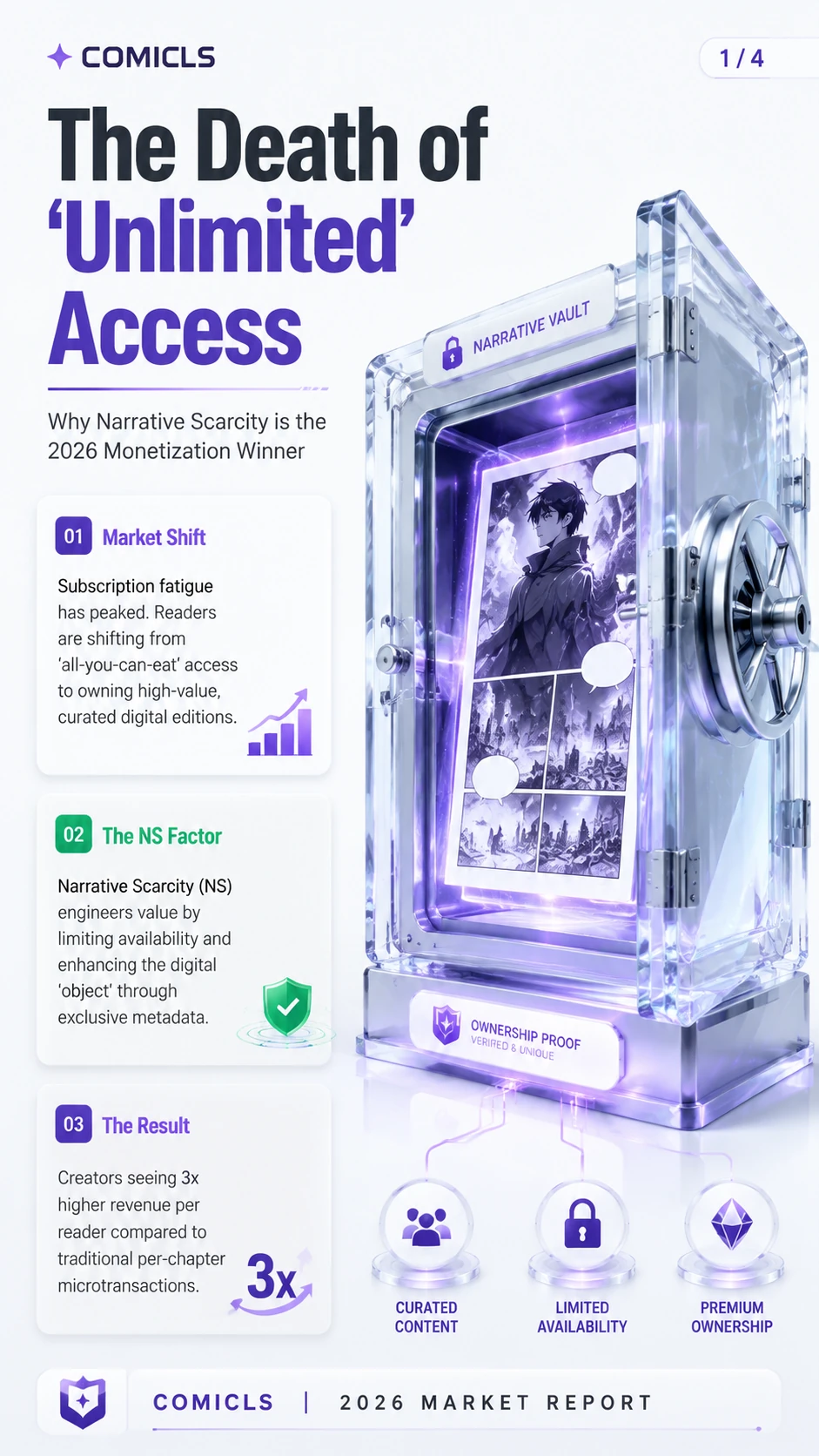
The 2026 ‘Narrative-Scarcity’ (NS) Standard: Engineering Premium Digital
The era of subscription bloat is ending. Discover how the 2026 ‘Narrative-Scarcity’ (NS) Standard helps creators engineer high-margin digital editions through verifiable rarity and exclusive lore.

The 2026 ‘Creative-Control’ (CC) Licensing Standard: Engineering Autonomy and Narrative Integrity in Global Adaptation Deals
As webtoon adaptations dominate global streaming, creators are fighting back against 'Narrative Drift.' The 2026 Creative-Control (CC) Standard provides a technical and legal framework for maintaining IP integrity during high-value licensing deals.

The 2026 ‘Finale-as-a-Funnel’ (FaaF) Market Shift: Engineering High-Retention Transitions for Post-Series IP Growth
In 2026, the most successful webtoon studios are no longer chasing infinite serialization. Learn how the 'Finale-as-a-Funnel' shift is turning series endings into high-LTV migration points for new IP.

The 2026 ‘Transactional-Lore’ (TL) Engineering Standard: Integrating Direct-to-Consumer Retail within the Webtoon Narrative Flow
Discover the 2026 'Transactional-Lore' (TL) Standard, a revolutionary framework for embedding seamless e-commerce directly into the webtoon reading experience. Learn how to engineer shoppable panels that convert narrative emotional investment into high-margin retail revenue.

The 2026 ‘Asset-Sovereignty’ (AS) Model: Engineering a High-Margin Ownership Economy for Independent Webtoon Studios
The 2026 market is shifting from platform-locked subscriptions to 'Asset Sovereignty.' This guide explores how to engineer high-margin ownership models for independent comic IP.

The 2026 ‘Narrative-Velocity’ (NV) Audit: Engineering Sustainable Release Cadence for Independent Webtoon Studios
In the high-frequency market of 2026, independent studios must master 'Narrative-Velocity' (NV) to survive. This audit framework provides the technical roadmap for balancing speed, quality, and creator sustainability.

The 2026 ‘Attention-Yield’ (AY) Metric: Engineering Webtoon ROI for the Post-Impression Advertising Era
The 2026 shift from impressions to 'Attention Yield' (AY) is redefining how webtoons are valued. Discover how to engineer your narrative for high-depth engagement and premium revenue.

The 2026 ‘Universal IP Passport’ (UIP) Standard: Engineering Seamless Cross-Platform Liquidity for Independent Comic Creators
The 2026 Universal IP Passport (UIP) is dismantling the walled gardens of the comic industry. Learn how this standardized metadata container allows creators to move IP across platforms and media with zero friction.

The 2026 ‘Narrative-Supply-Chain’ (NSC) Resilience Standard: Engineering Anti-Fragile Production Pipelines for Global Webtoon Studios
Discover the 2026 Narrative-Supply-Chain (NSC) standard. Engineering production resilience is now the primary metric for studio valuation and global IP scalability.
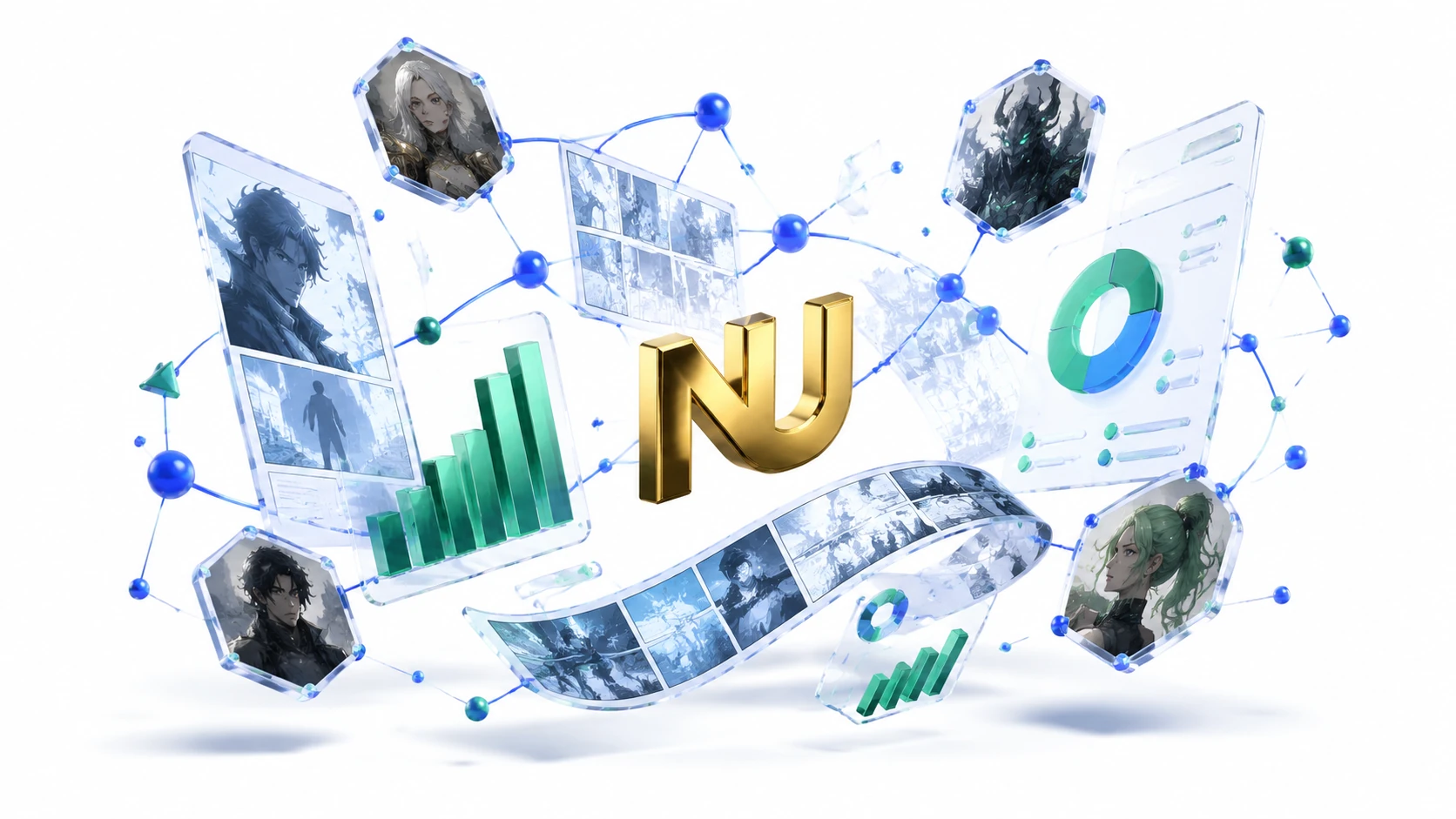
The 2026 ‘Narrative-Unit’ (NU) Valuation Standard: Engineering Granular IP Metrics for the Webtoon M&A and Studio Acquisition Market
The 2026 shift from platform traffic to 'Narrative-Unit' (NU) metrics is revolutionizing how webtoon studios are valued. Learn to engineer your IP for high-liquidity M&A and studio acquisitions.

The 2026 ‘Creator-Revenue Transparency’ (CRT) Protocol: Engineering Sustainable Income and Fair Equity for the Global Webtoon Workforce
Discover how the 2026 Creator-Revenue Transparency (CRT) Protocol is dismantling opaque platform models and engineering a fair, sustainable future for independent comic creators and studios.

The 2026 ‘Direct-to-Reader’ (D2R) App Ecosystem: Engineering Independent Growth in the Post-Platform Era
The 2026 comic market is shifting from monolithic platforms to sovereign Direct-to-Reader (D2R) ecosystems. Discover how independent studios are engineering their own tech stacks to secure reader loyalty and revenue.