Does Your Lore Scale? The 2026 L2A Tech Standard
Discover the 2026 L2A standard for linking narrative lore to production-ready 3D assets. Solve background drift and boost studio efficiency by 40%.
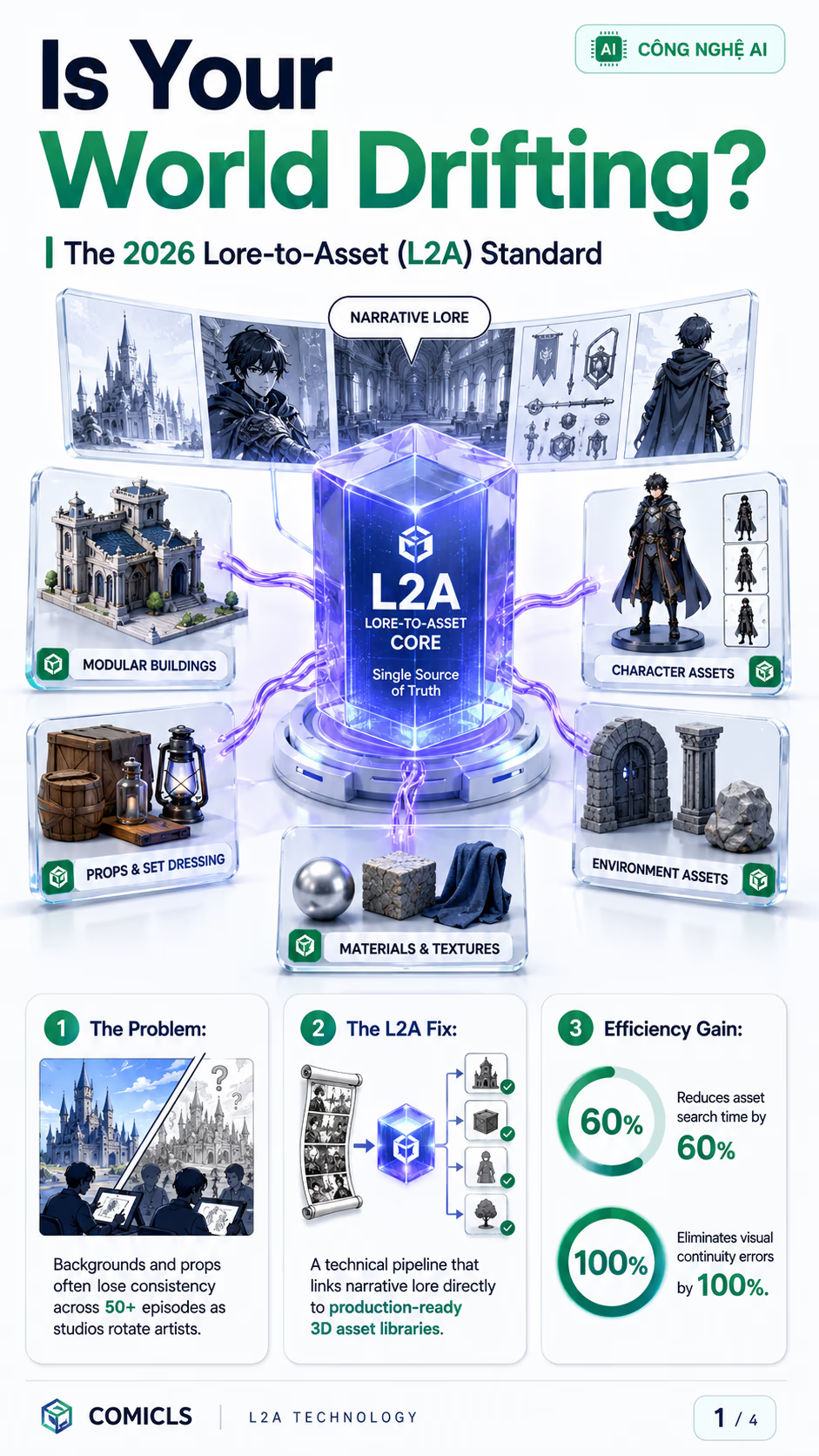
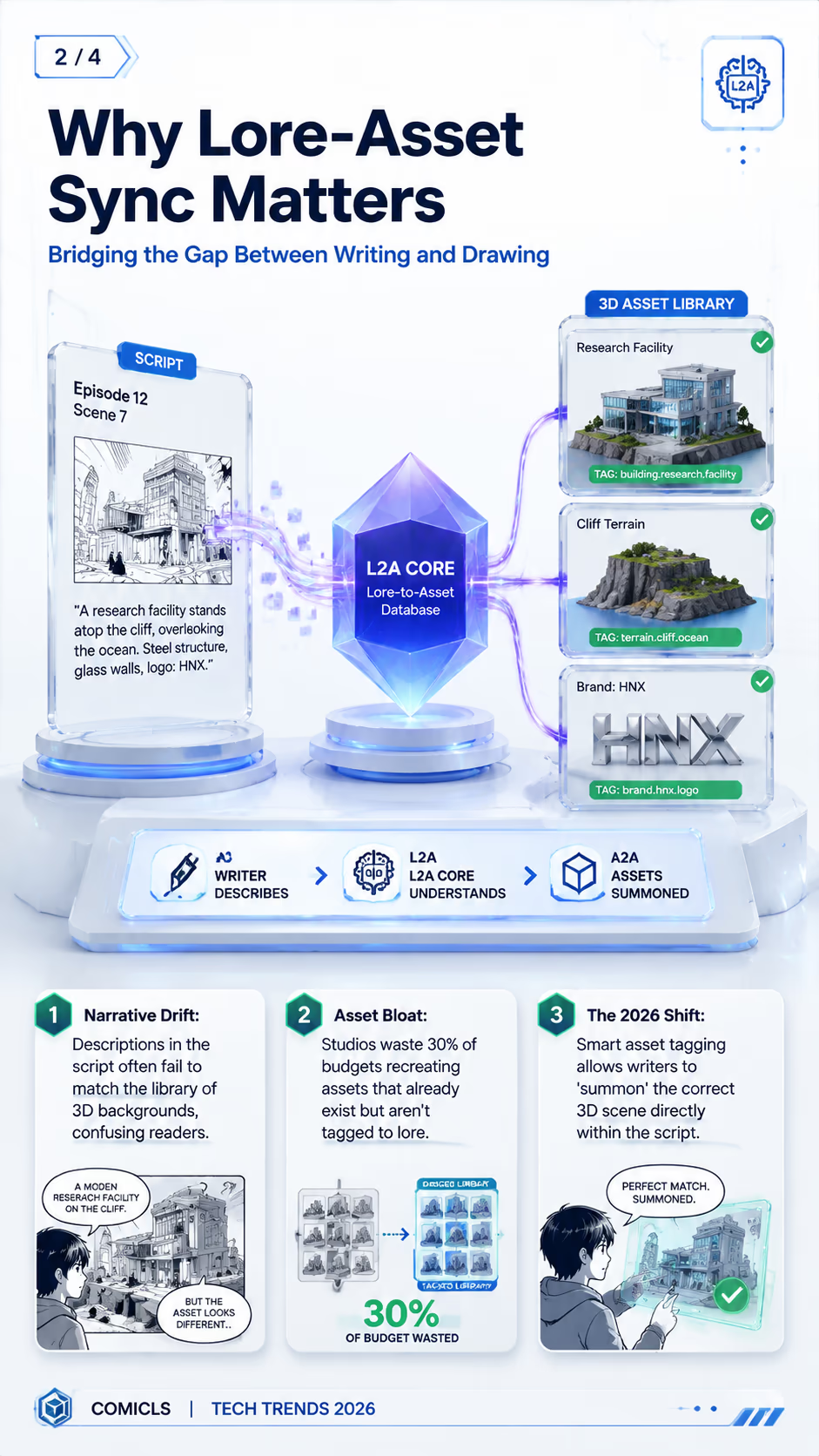
The 2026 Lore-to-Asset (L2A) standard is a technical breakthrough for studios struggling with visual consistency in long-form webtoons and manga. As series reach 100+ chapters, the gap between the writer's intent and the artist's visual execution often widens, leading to 'background drift' and character-prop errors. The L2A standard solves this by treating world-building as a structured database where narrative descriptions are hard-linked to production-ready 3D assets and lighting presets.
- Learn how L2A eliminates visual inconsistency by linking script metadata to 3D asset IDs.
- Discover why background drift is the leading cause of late-series reader immersion loss.
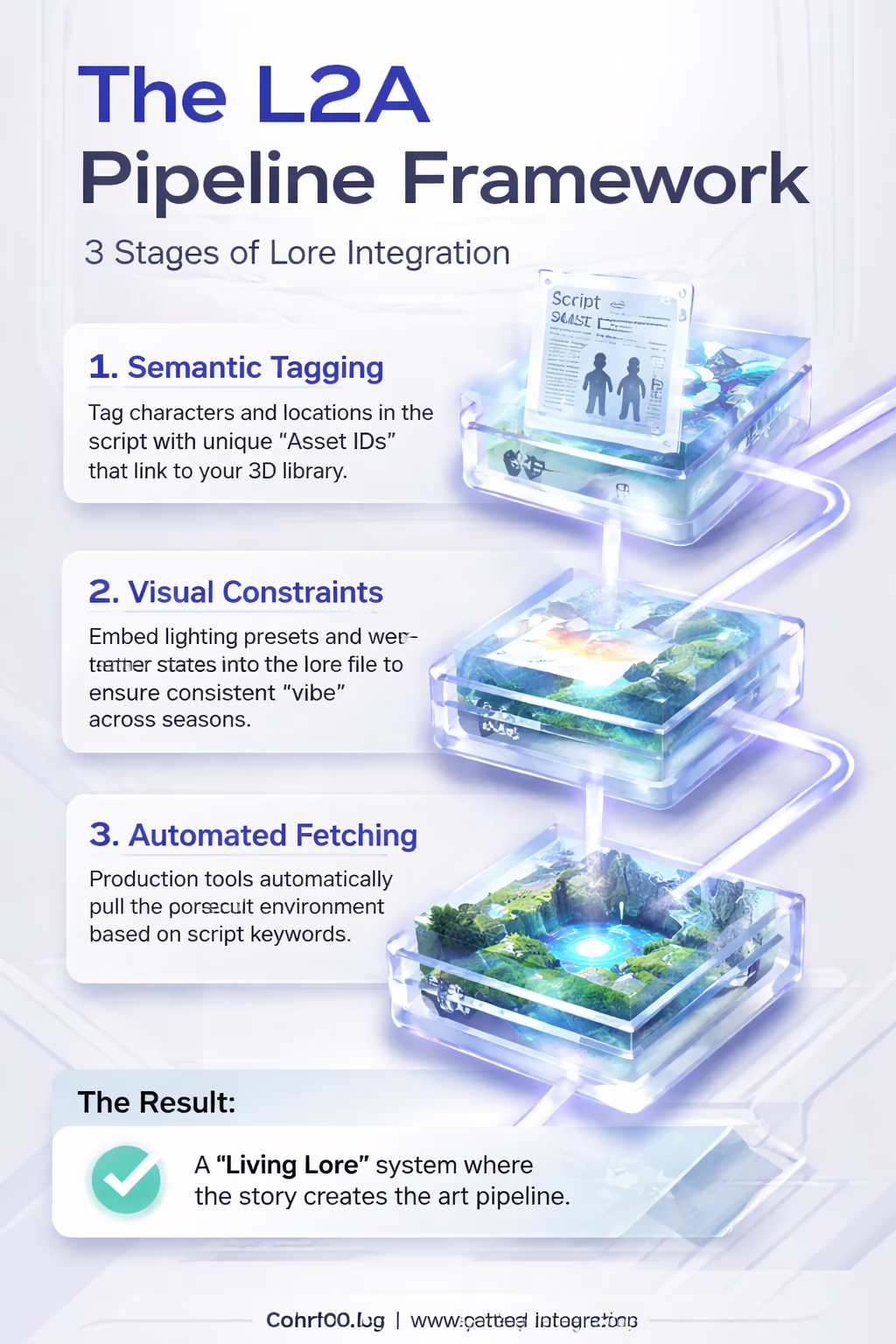
- Implement the 3-stage L2A pipeline: Semantic Tagging, Visual Constraints, and Automated Fetching.
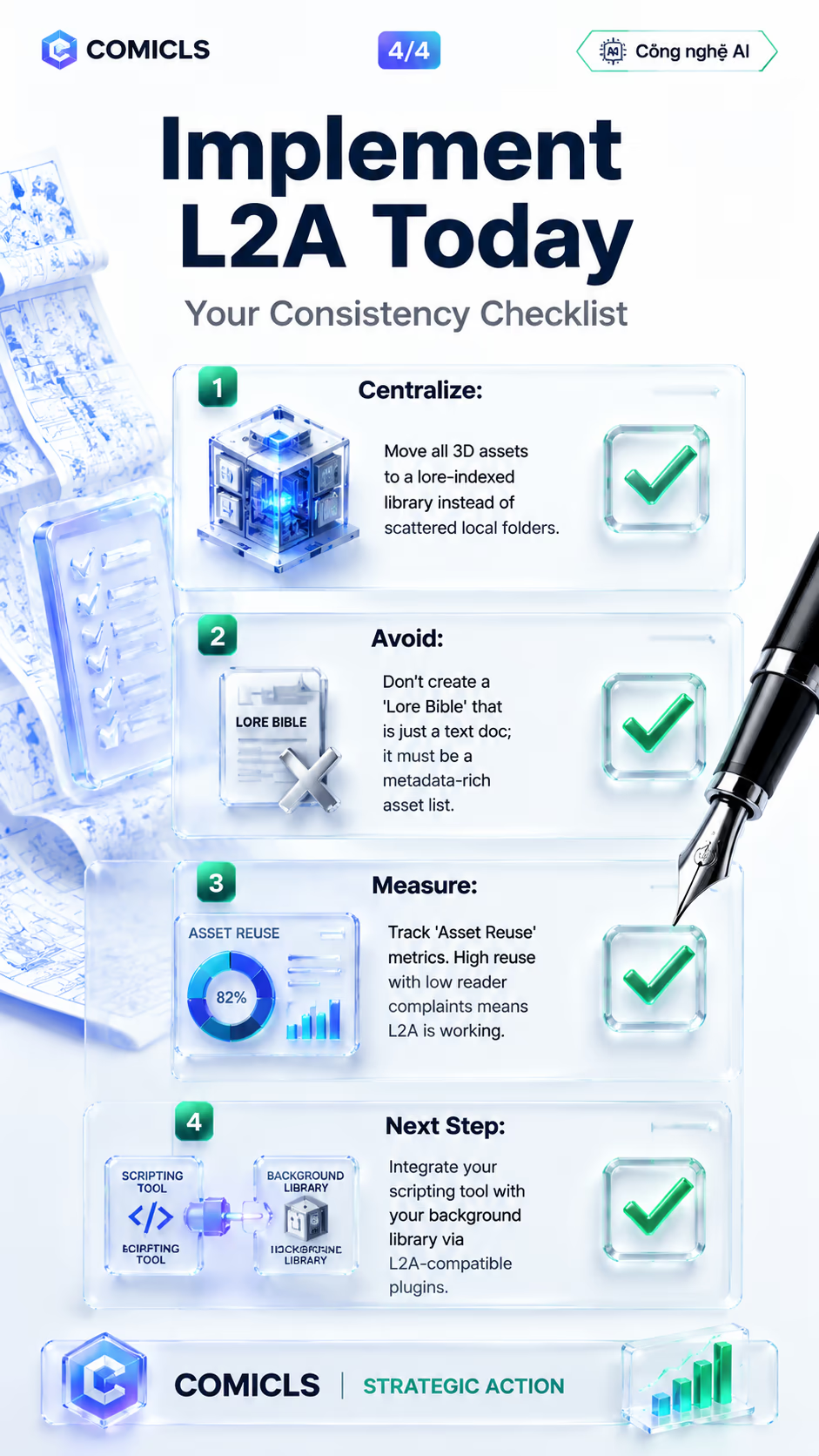
- Follow the checklist to transition your studio from a manual workflow to a lore-driven asset ecosystem.
FAQ
What is the L2A Standard in webtoons?
The Lore-to-Asset (L2A) standard is a workflow where narrative world-building elements are digitally linked to specific 3D assets and technical presets to ensure visual consistency.
How does L2A improve studio efficiency?
By automating the discovery of correct backgrounds and props based on the script, L2A reduces production prep time by up to 60%.
Can solo creators use the L2A standard?
Yes, by organizing your 3D library with consistent tags that match your story notes, you can significantly speed up your weekly chapter production.