Comics news and insights for your local market
Follow webtoon, manga, manhwa, AI comic, creator economy, and storytelling trends curated for each region.
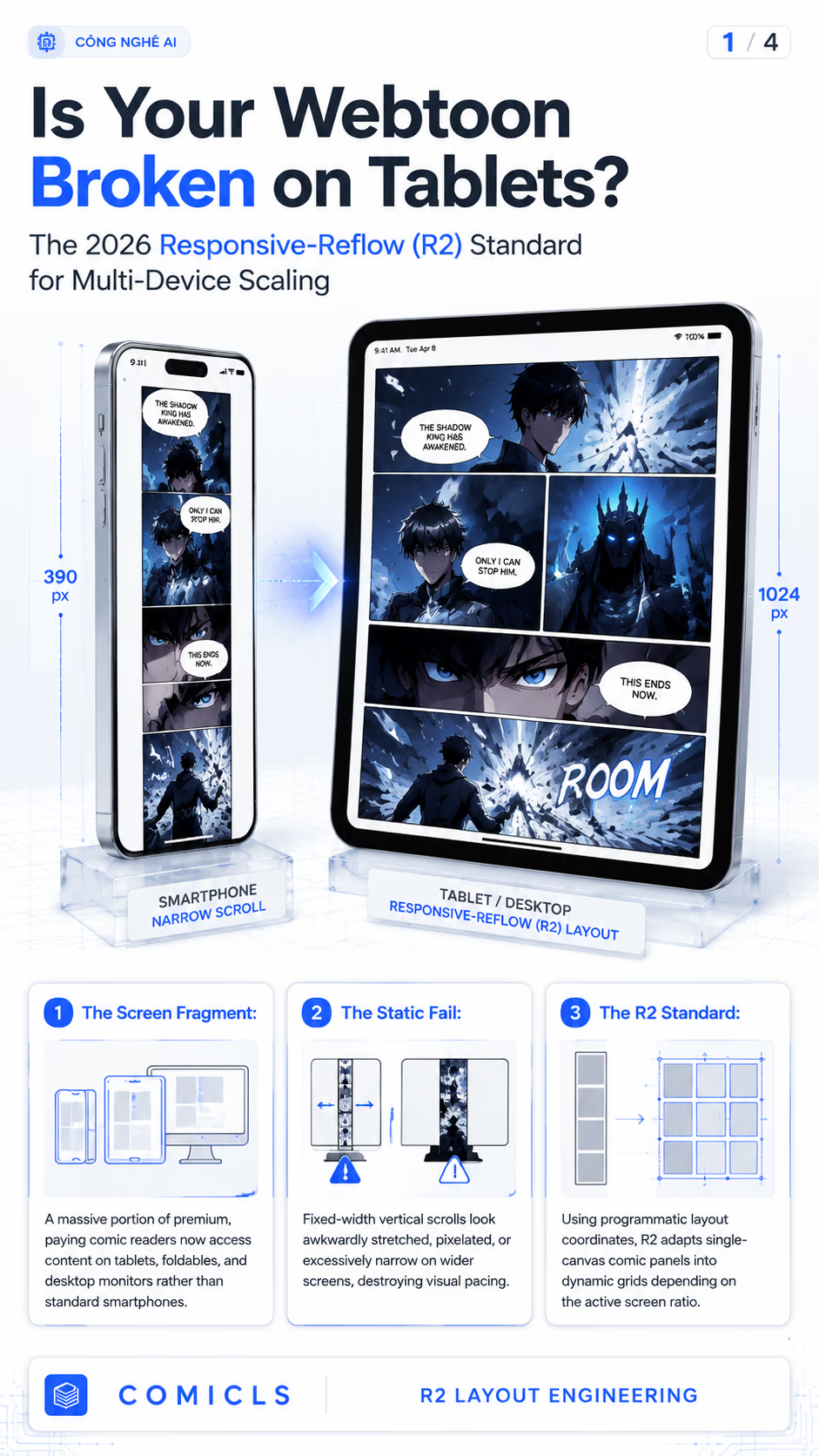
Is Your Webtoon Broken on Tablets? The 2026 R2 Standard
Discover the 2026 R2 Standard for digital comics. Learn how programmatic coordinate-tagging reflows vertical scrolls into elegant multi-device grids.
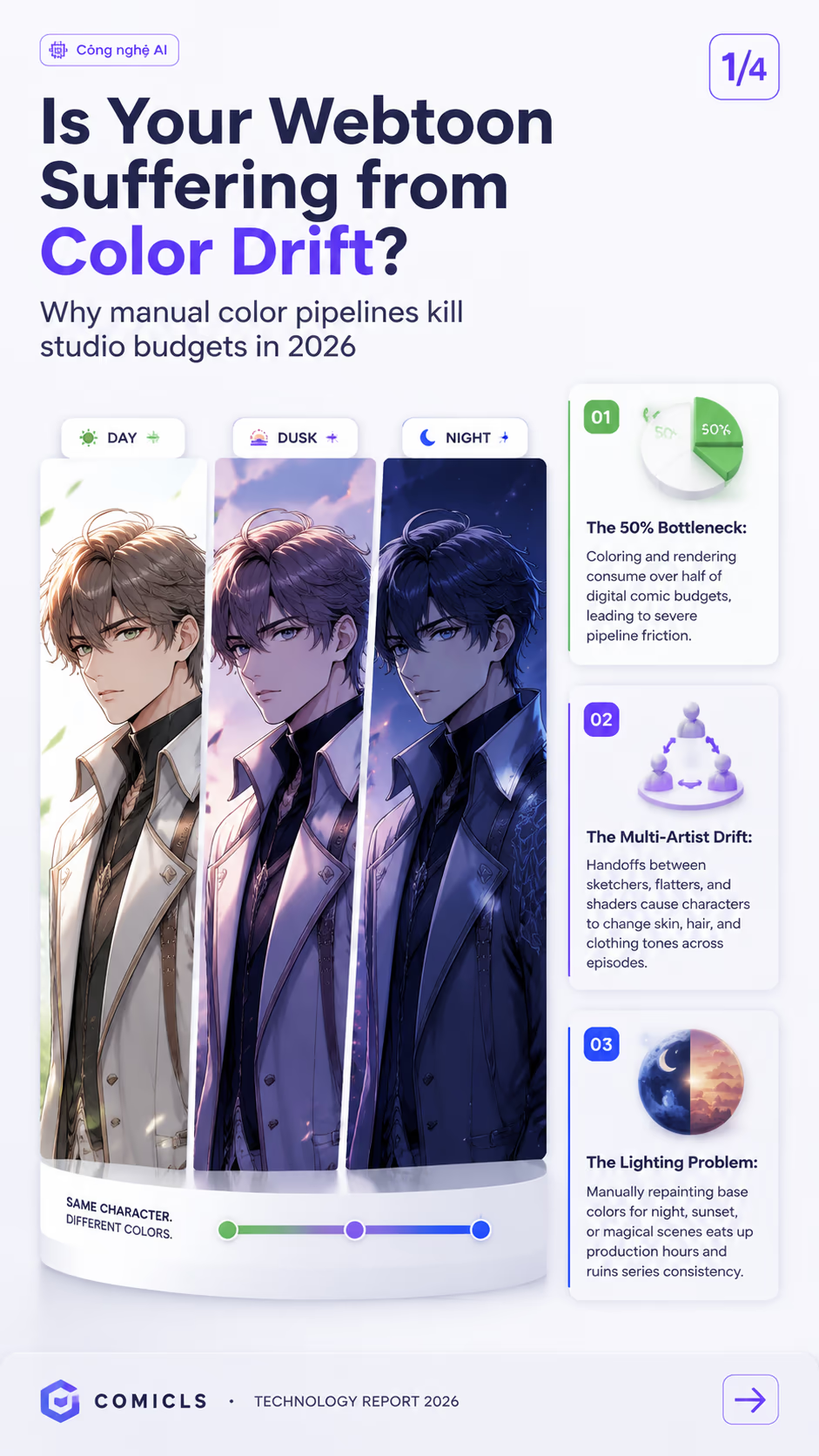
Stopping Webtoon Color Drift: The 2026 SCK Standard
Webtoon coloring takes up over 50% of production budgets and causes severe visual drift across artists. Discover how the 2026 SCK Standard uses semantic color-tagging to automate lighting shifts and protect visual consistency.
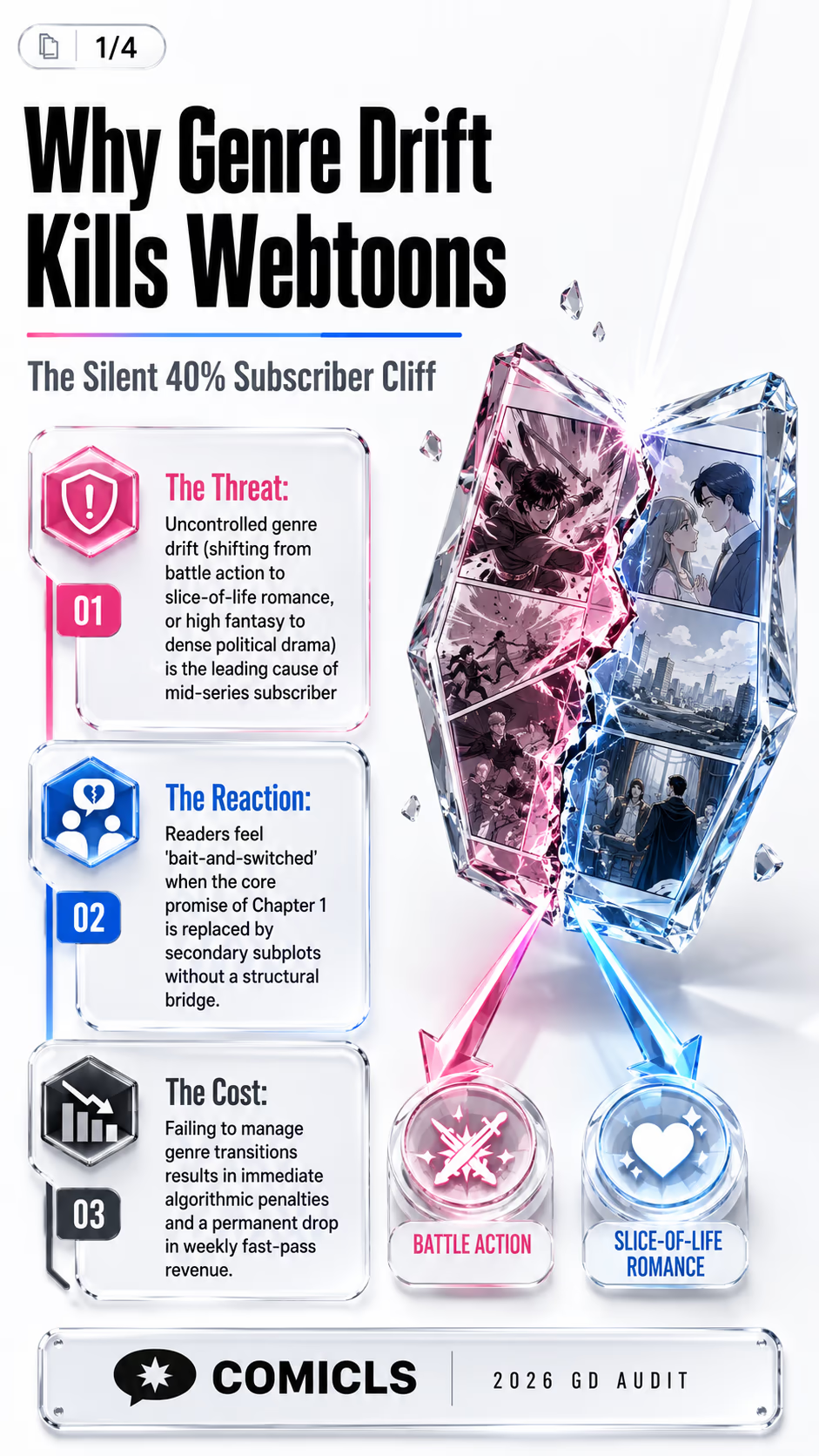
Why Genre Drift Kills Webtoons: The 2026 GD Audit
When long-form series shift from action to romance or fantasy to politics, reader churn spikes. Master the 2026 GD Audit to transition genres safely.
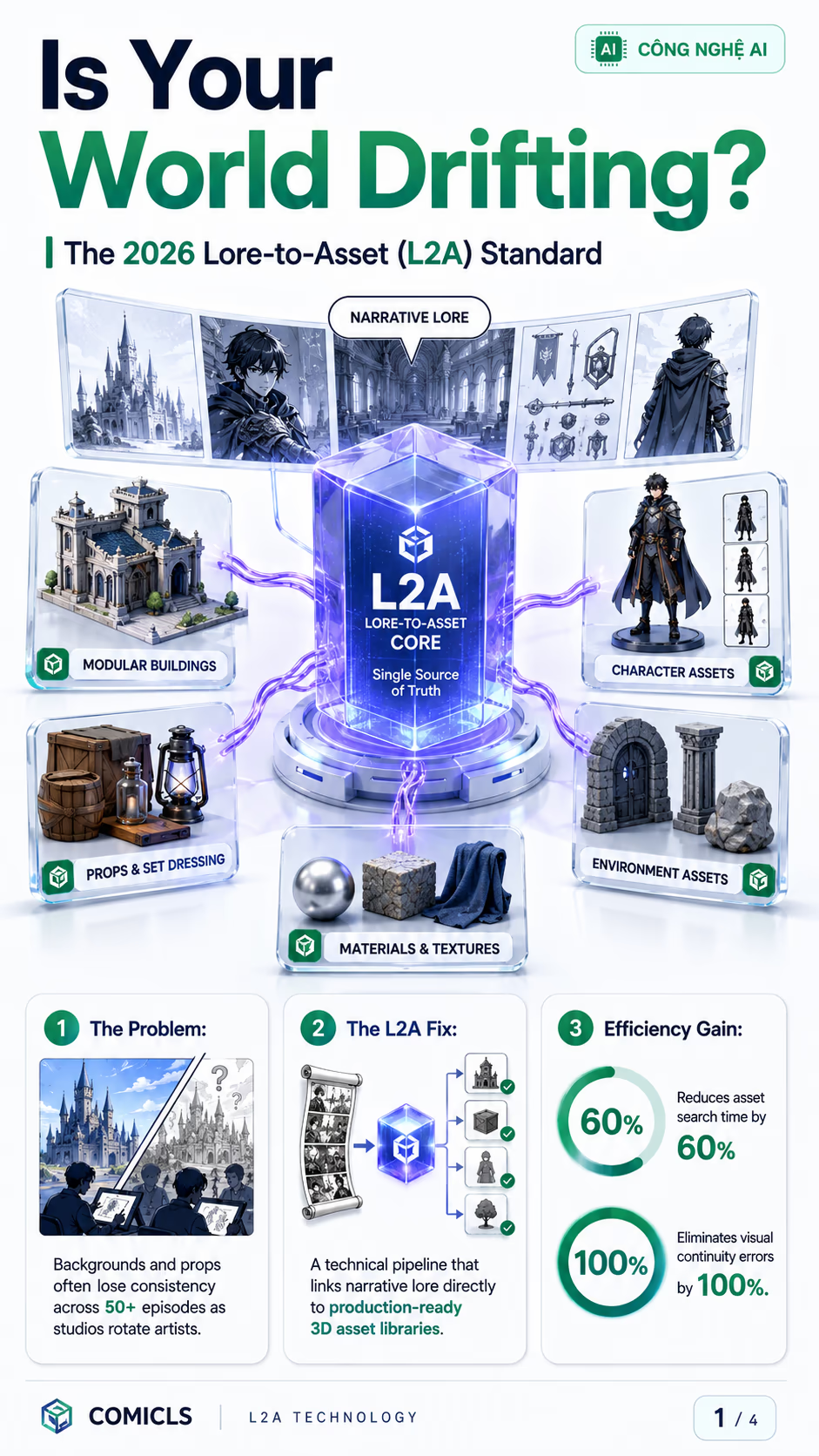
Does Your Lore Scale? The 2026 L2A Tech Standard
Discover the 2026 L2A standard for linking narrative lore to production-ready 3D assets. Solve background drift and boost studio efficiency by 40%.
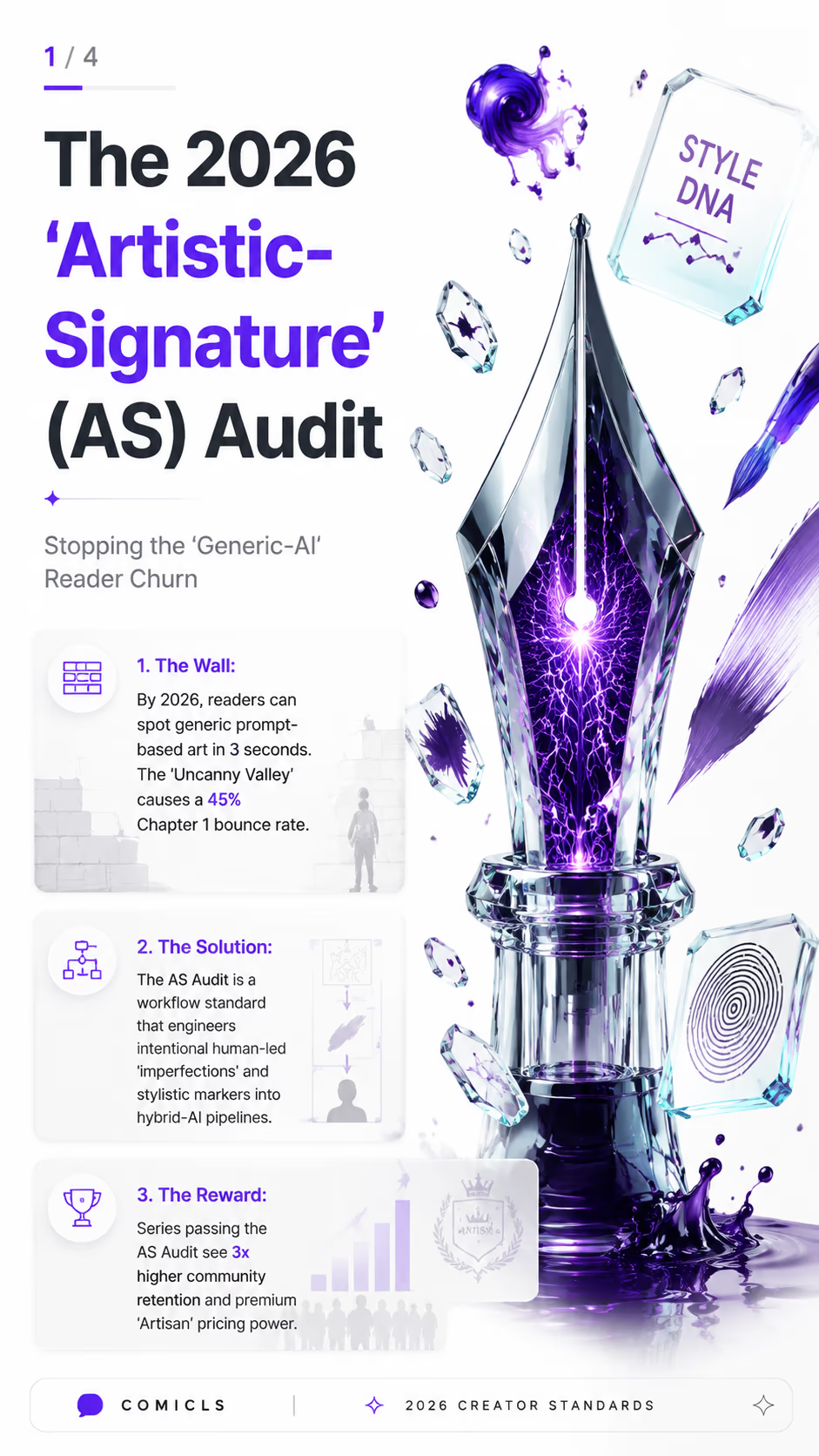
The 2026 ‘Artistic-Signature’ (AS) Audit: Fixing the AI-Uncanny Valley
Discover the 2026 AS Audit—a strategic framework for creators to engineer 'human-signature' markers into their webtoons and manga to bypass reader AI-fatigue.
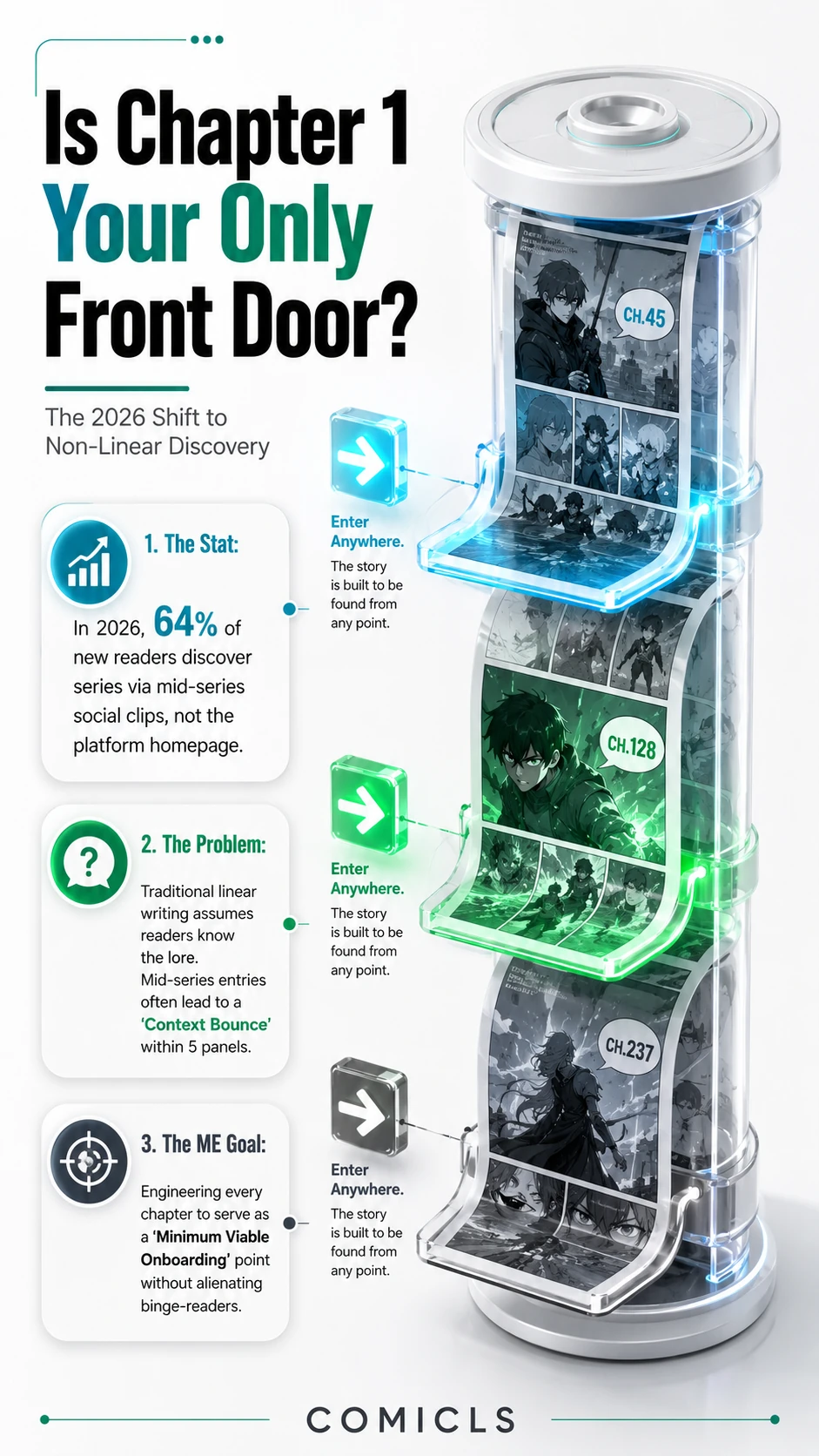
Does Your Webtoon Pass the 'Multi-Entry' (ME) Test?
In 2026, readers no longer start exclusively at Chapter 1. Discover the Multi-Entry (ME) Standard to turn every chapter into a high-conversion 'front door' for your series.
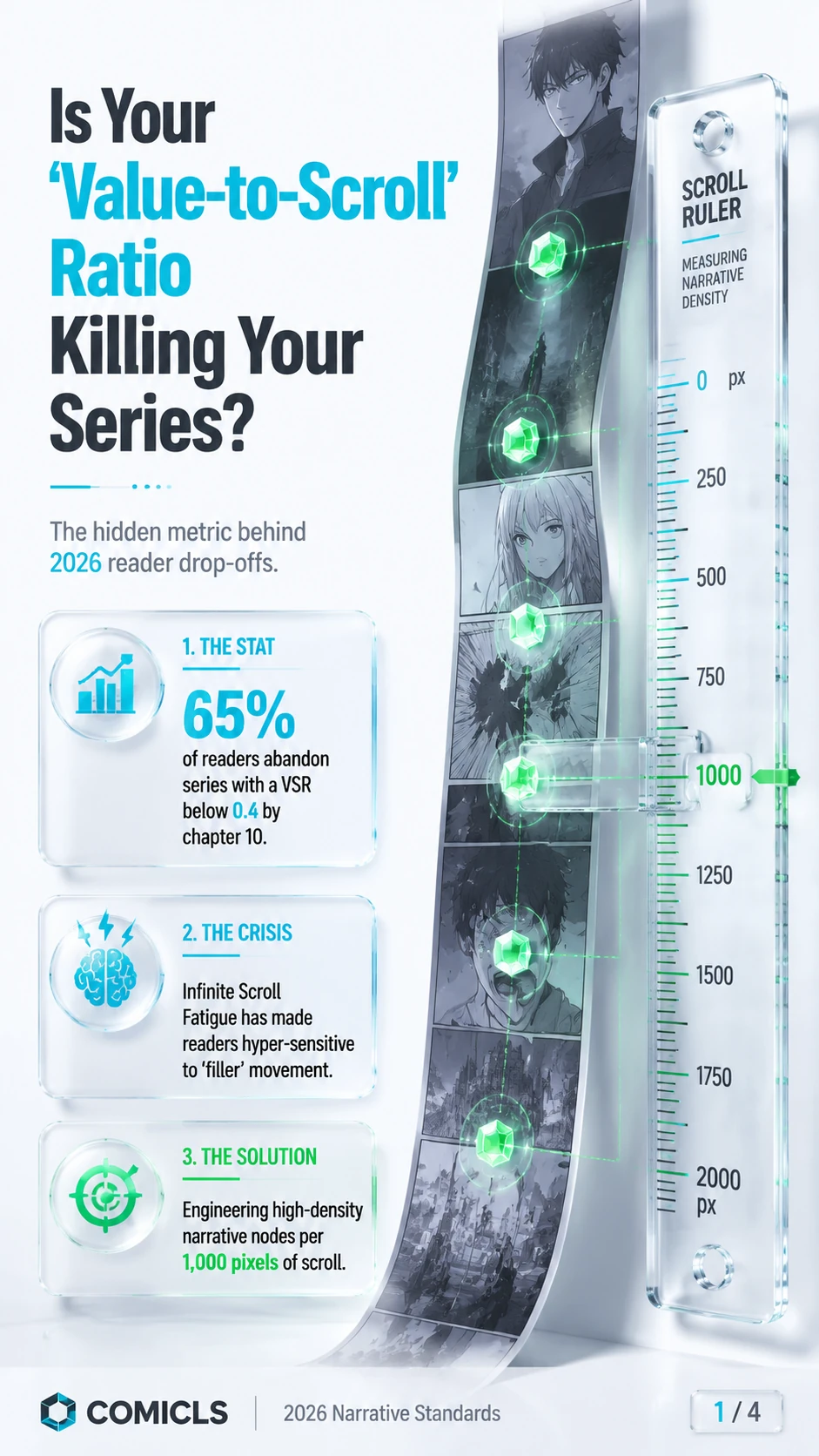
Fixing the 'Value-to-Scroll' Ratio in Your Webtoon
In 2026, 'Infinite Scroll Fatigue' is the leading cause of series abandonment. Learn how the Value-to-Scroll (VSR) metric helps creators engineer high-retention chapters.
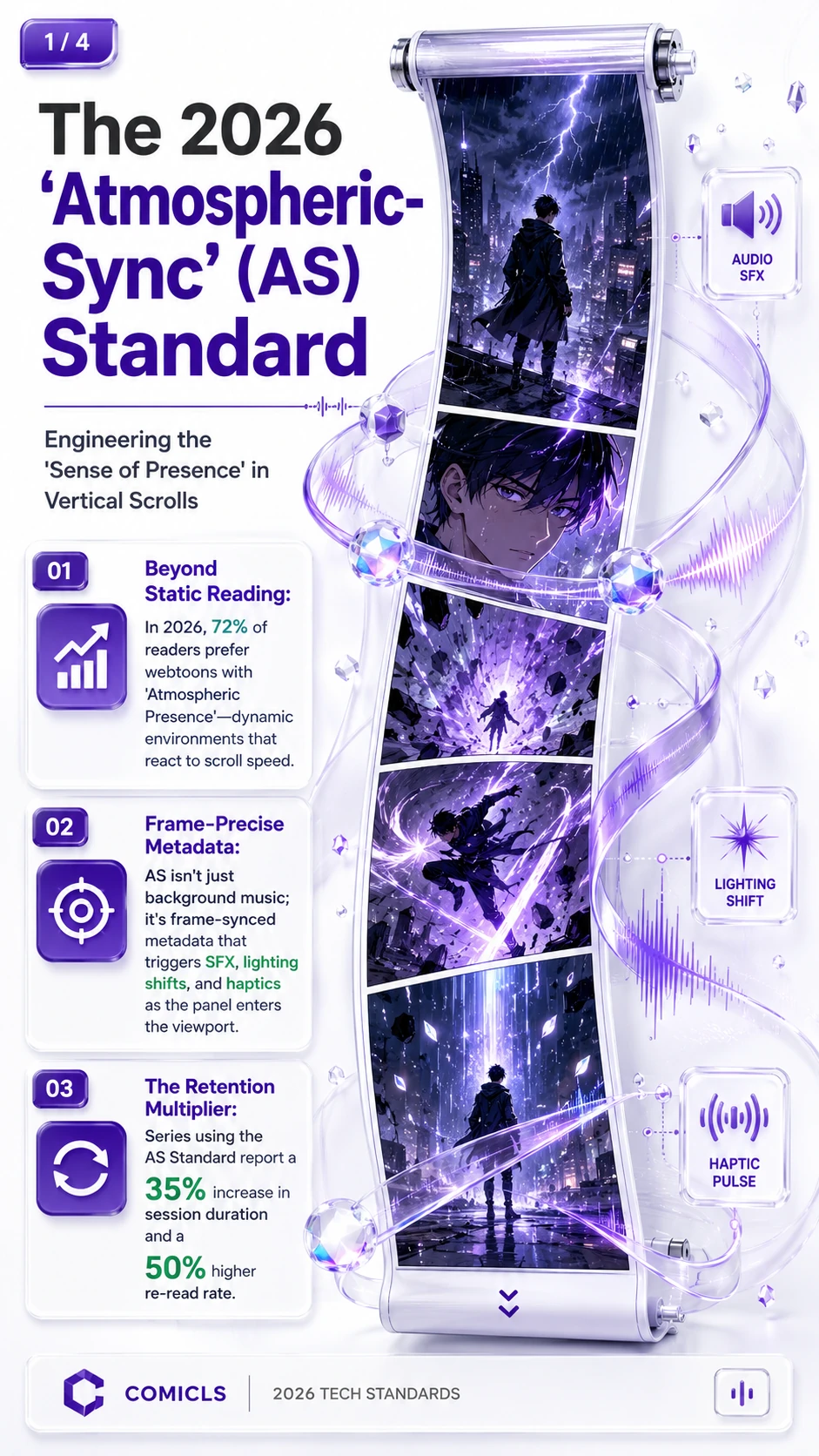
The 2026 ‘Atmospheric-Sync’ (AS) Standard: Engineering Immersive Audio
Master the 2026 AS Standard to bridge the gap between static panels and cinematic immersion. Learn to engineer frame-precise audio-visual metadata for vertical scroll comics.
AI Technology
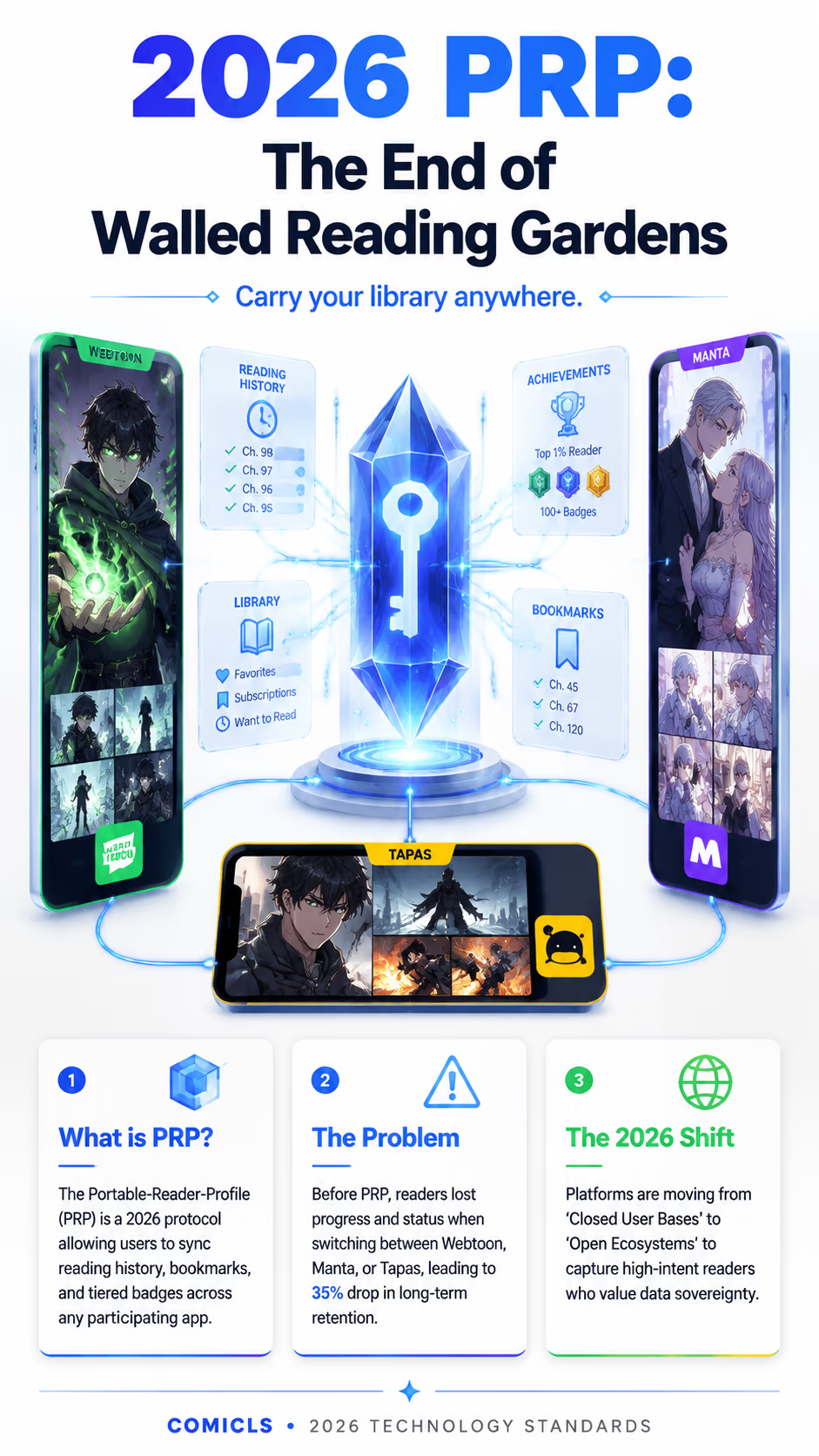
2026 PRP: Why Portable Reader Profiles are Changing the Game
The 2026 PRP Standard allows readers to carry their history, badges, and library across different webtoon apps. Discover how this shift from walled gardens to open ecosystems is redefining creator-reader loyalty.
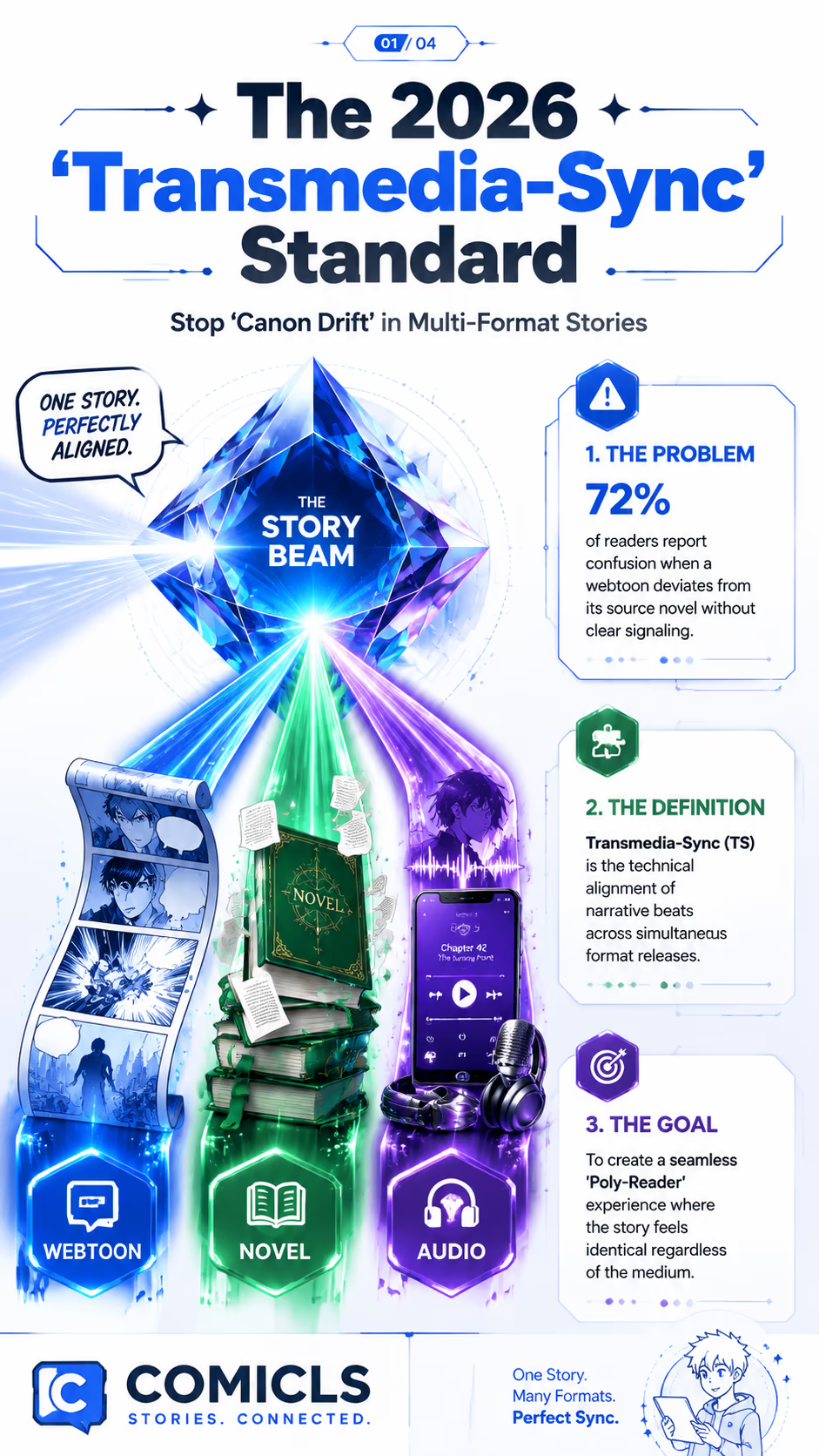
Does Your Story Drift? The 2026 TS Standard
In 2026, readers consume stories across multiple formats simultaneously. Learn how the Transmedia-Sync (TS) Standard prevents 'Canon Drift' and maintains high-integrity franchises.
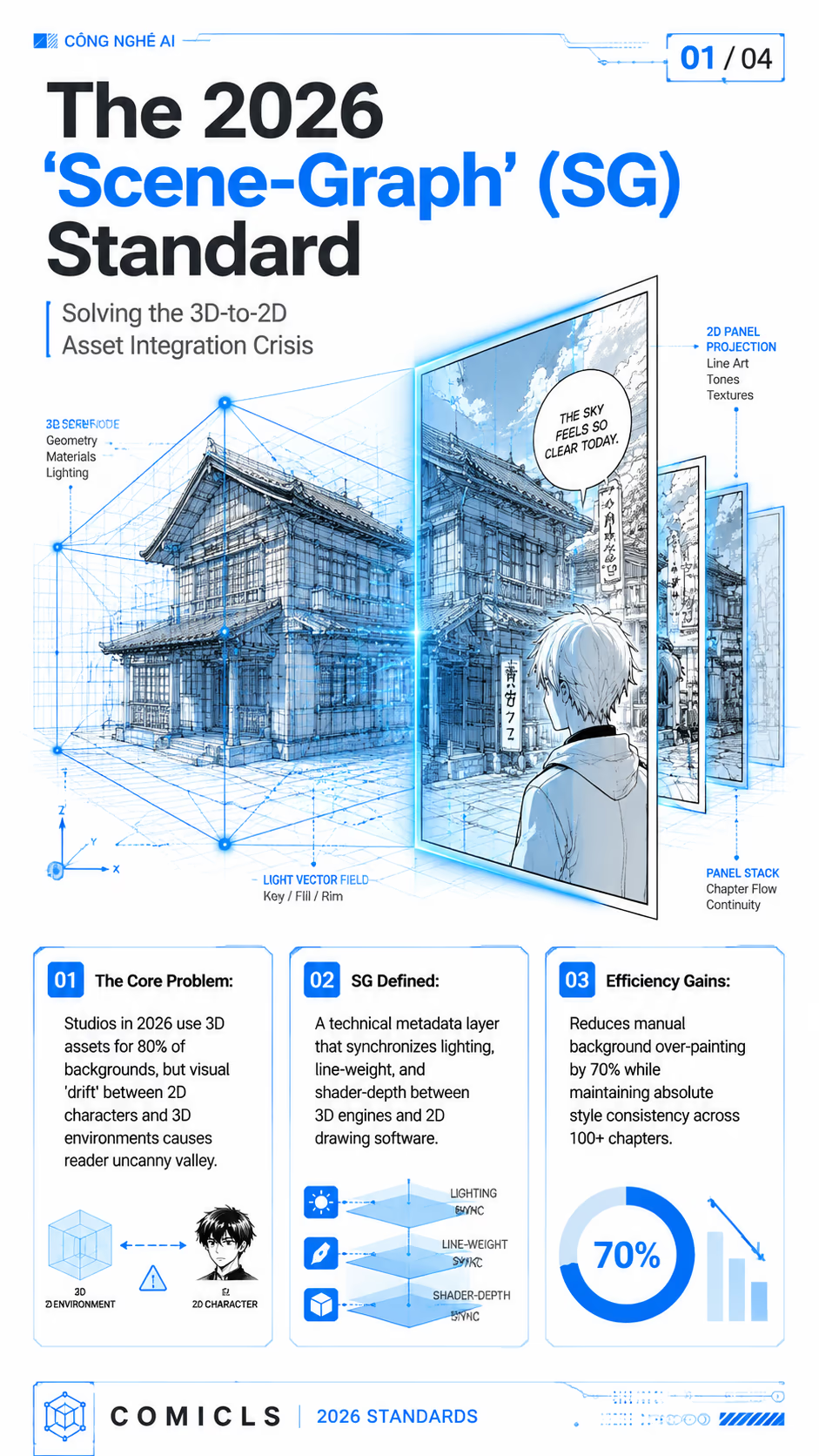
The 2026 ‘Scene-Graph’ (SG) Standard for Studios
Discover the 2026 Scene-Graph (SG) Standard, the technical framework solving the 3D-to-2D integration crisis for high-volume comic studios.
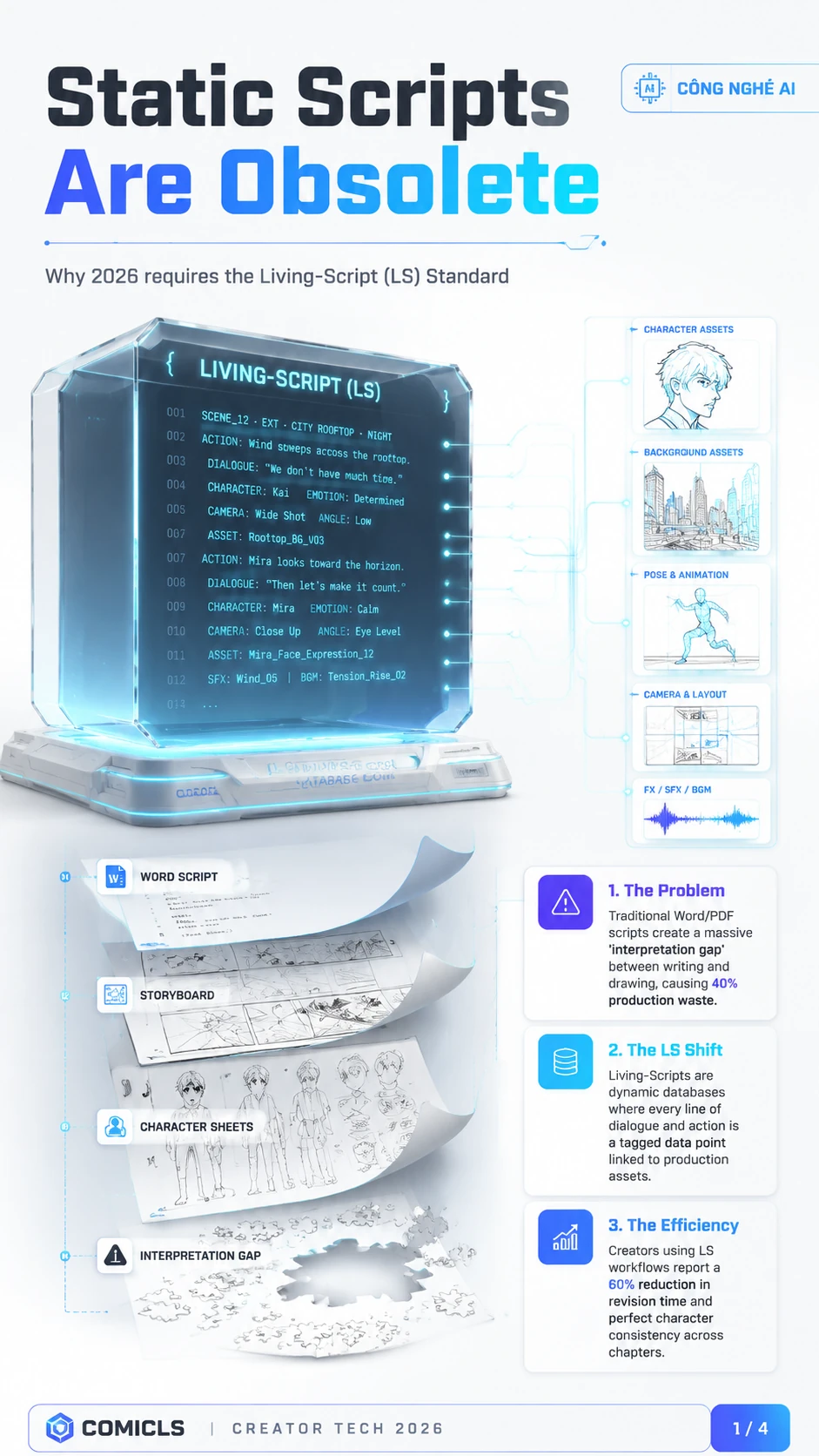
The 2026 ‘Living-Script’ (LS) Standard
Discover the 2026 Living-Script (LS) Standard. Learn how to transform static scripts into dynamic, asset-linked systems that automate production and ensure series consistency.
Latest
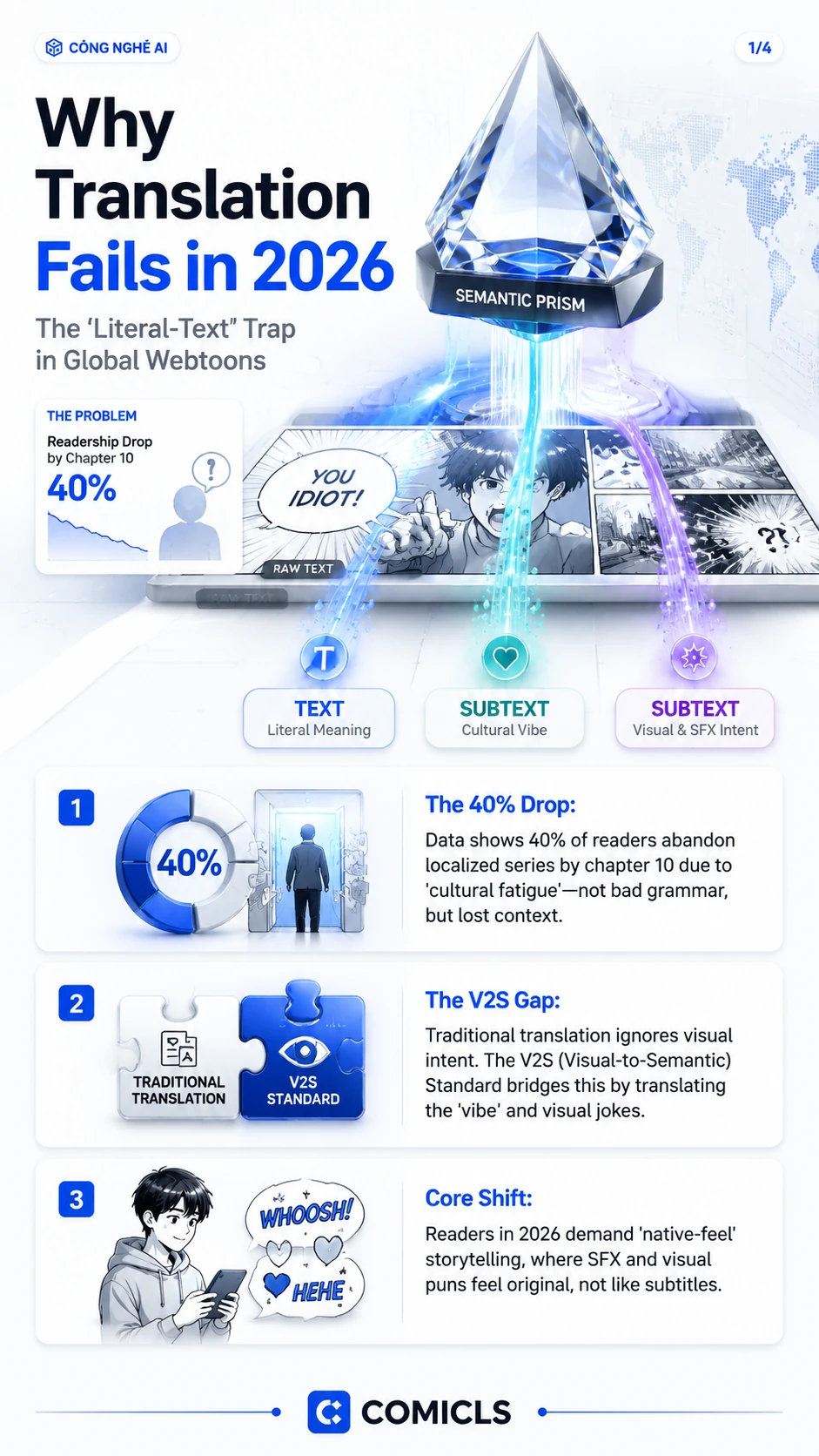
V2S Standard: Translating the 'Soul' of Global Webtoons
Discover why basic text translation is causing high churn in localized webtoons and how the 2026 V2S Standard fixes cultural friction.
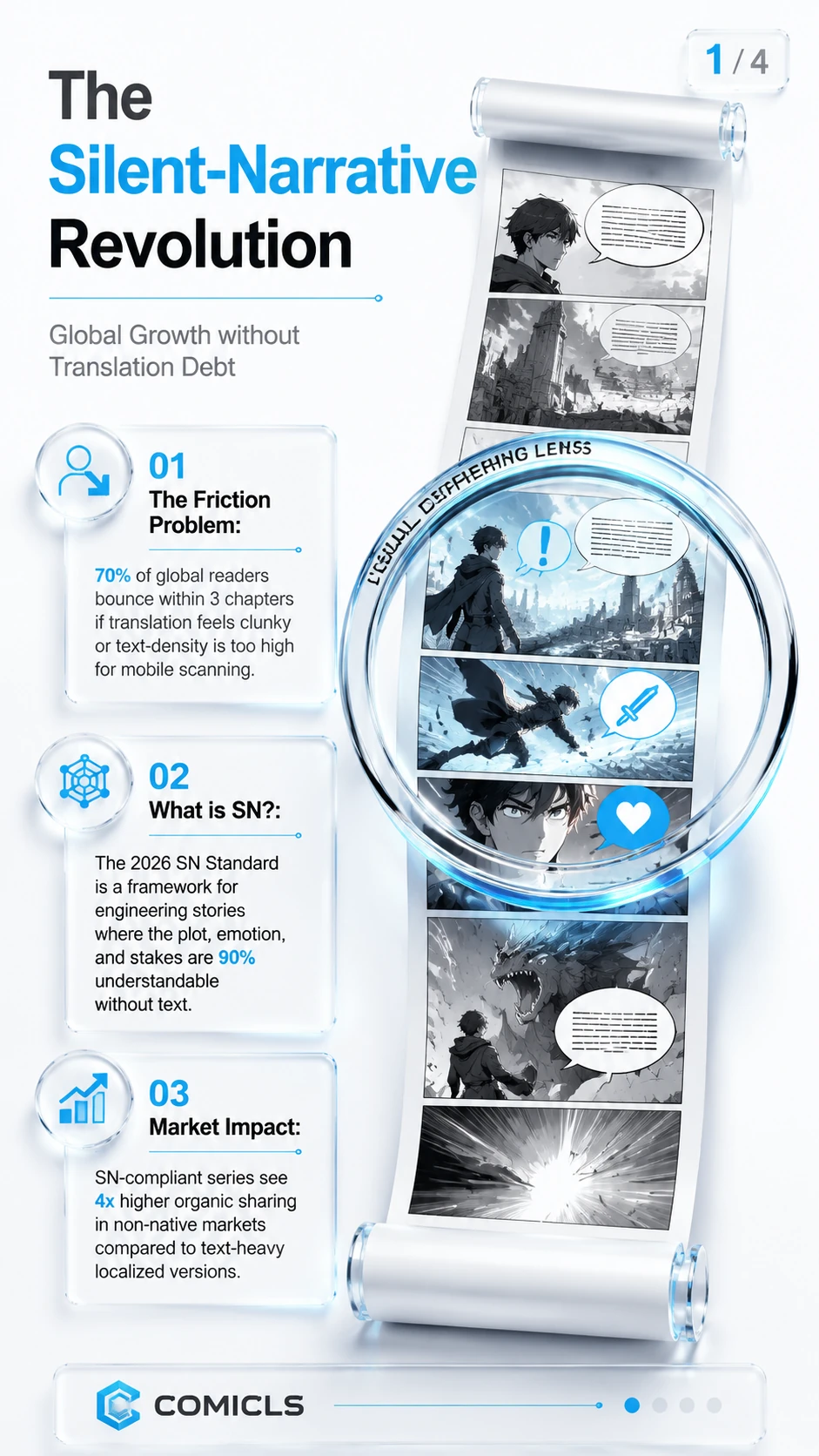
How the ‘Silent-Narrative’ (SN) Standard Scales Webtoons Globally
Discover the 2026 SN Standard: a visual-first engineering framework designed to eliminate translation friction and capture global audiences through 'zero-text' storytelling.
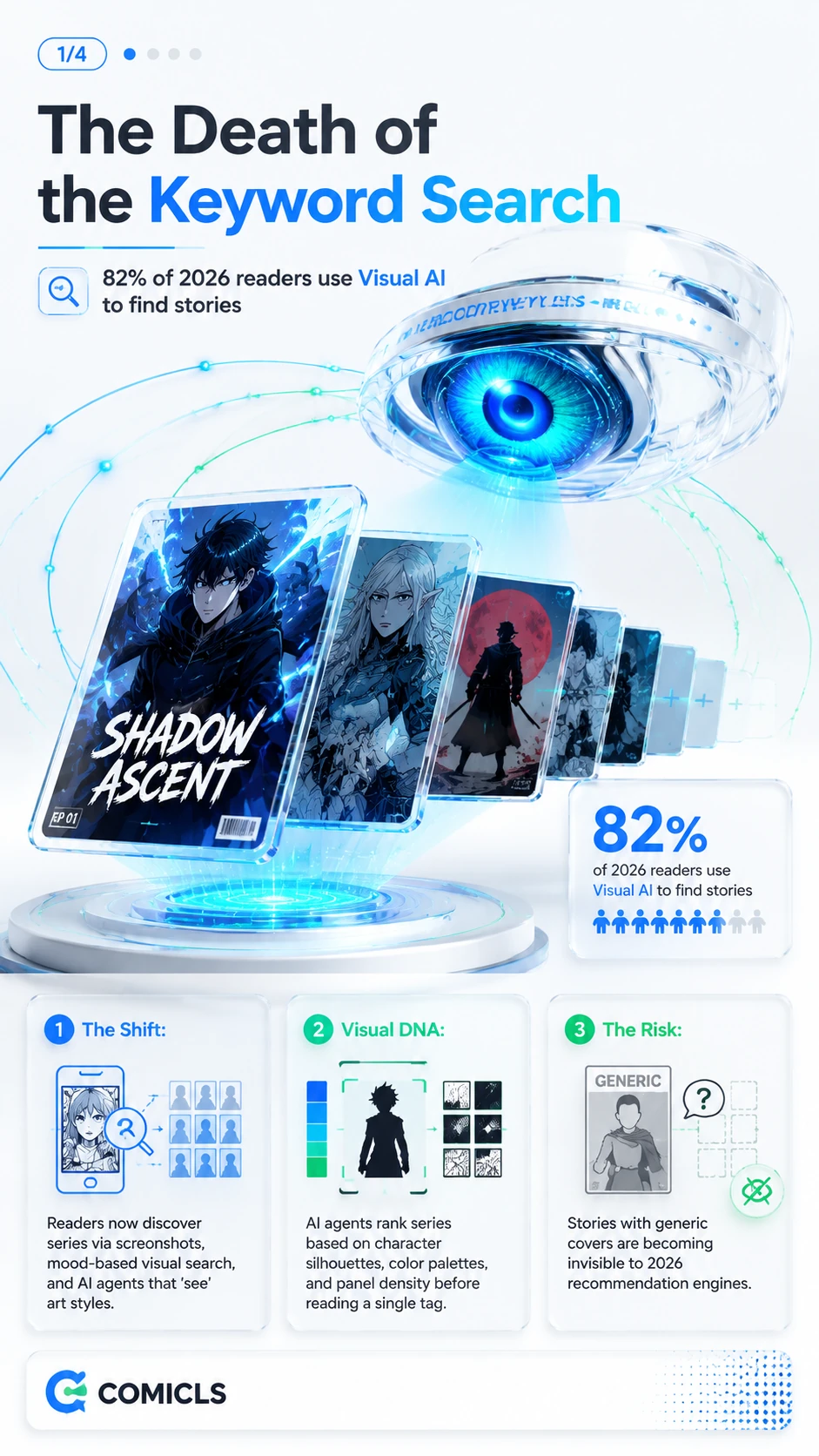
Why Your Cover Fails the 2026 Visual AI Search Test
In 2026, readers find new stories via screenshots and visual AI agents, not just keywords. Learn to engineer your 'Visual DNA' for the next-gen search economy.
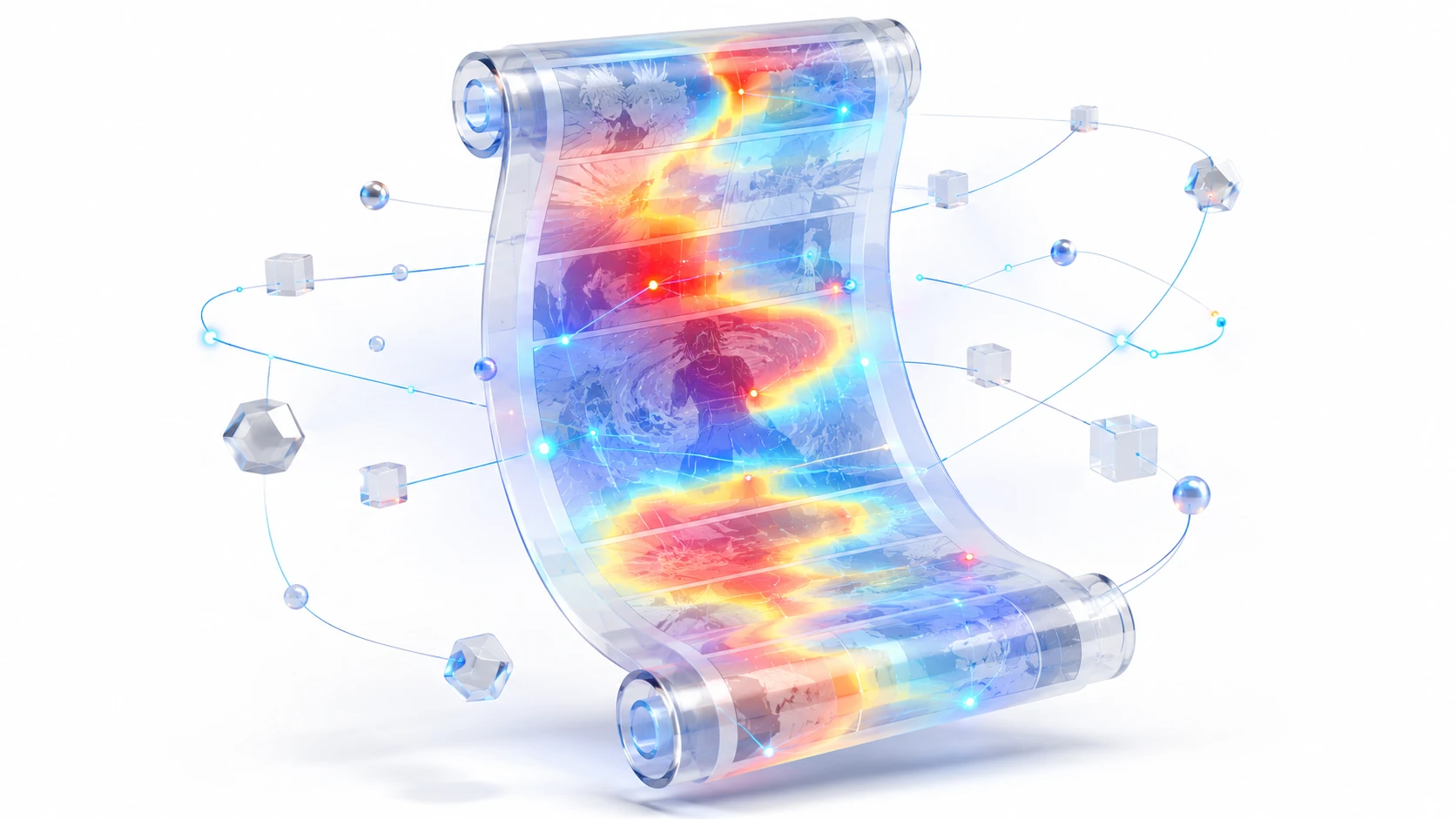
The 2026 ‘Algorithmic Feedback Loop’ (AFL) Standard: Engineering Real-Time Narrative Adaptation and Dynamic Content Optimization for High-Retention Webtoon Series
Master the 2026 AFL Standard. Discover how to engineer dynamic webtoon narratives that adapt to real-time reader behavior, scroll velocity, and engagement heatmaps.
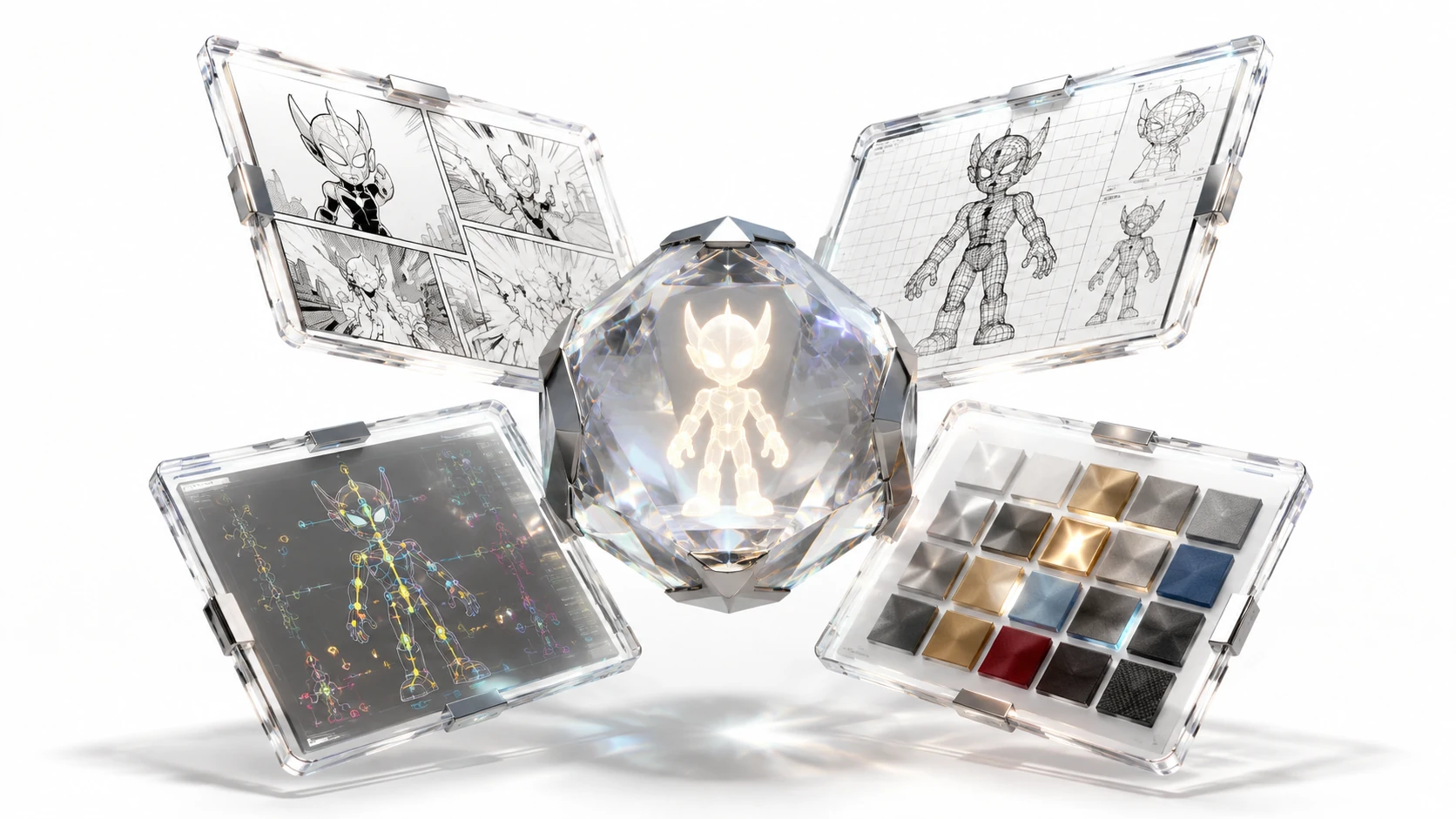
The 2026 ‘Latent-Space Vectorization’ (LSV) Standard: Engineering Universal Character Consistency for Multi-Platform IP Scalability
Discover the 2026 technical standard for 'baking' character consistency into latent-space vectors, enabling seamless IP scaling from 2D webtoons to 3D media.
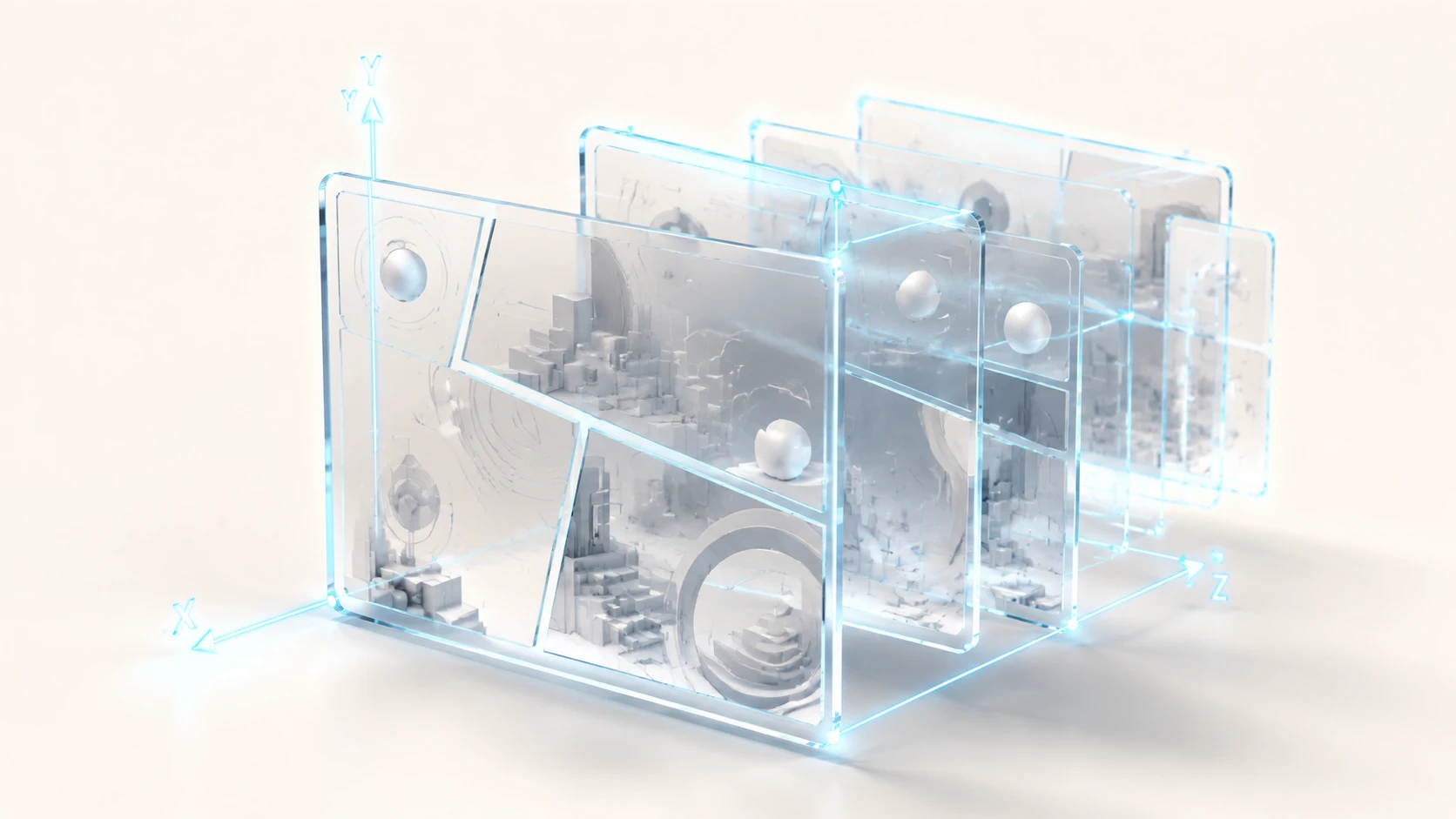
The 2026 ‘Spatial-Depth’ (SD) Layout Standard: Engineering 3D Narrative Environments for the Post-Flat-Screen Webtoon Era
Discover how the 2026 Spatial-Depth (SD) Standard is revolutionizing webtoon production by moving narratives into 3D environments for AR/VR devices.
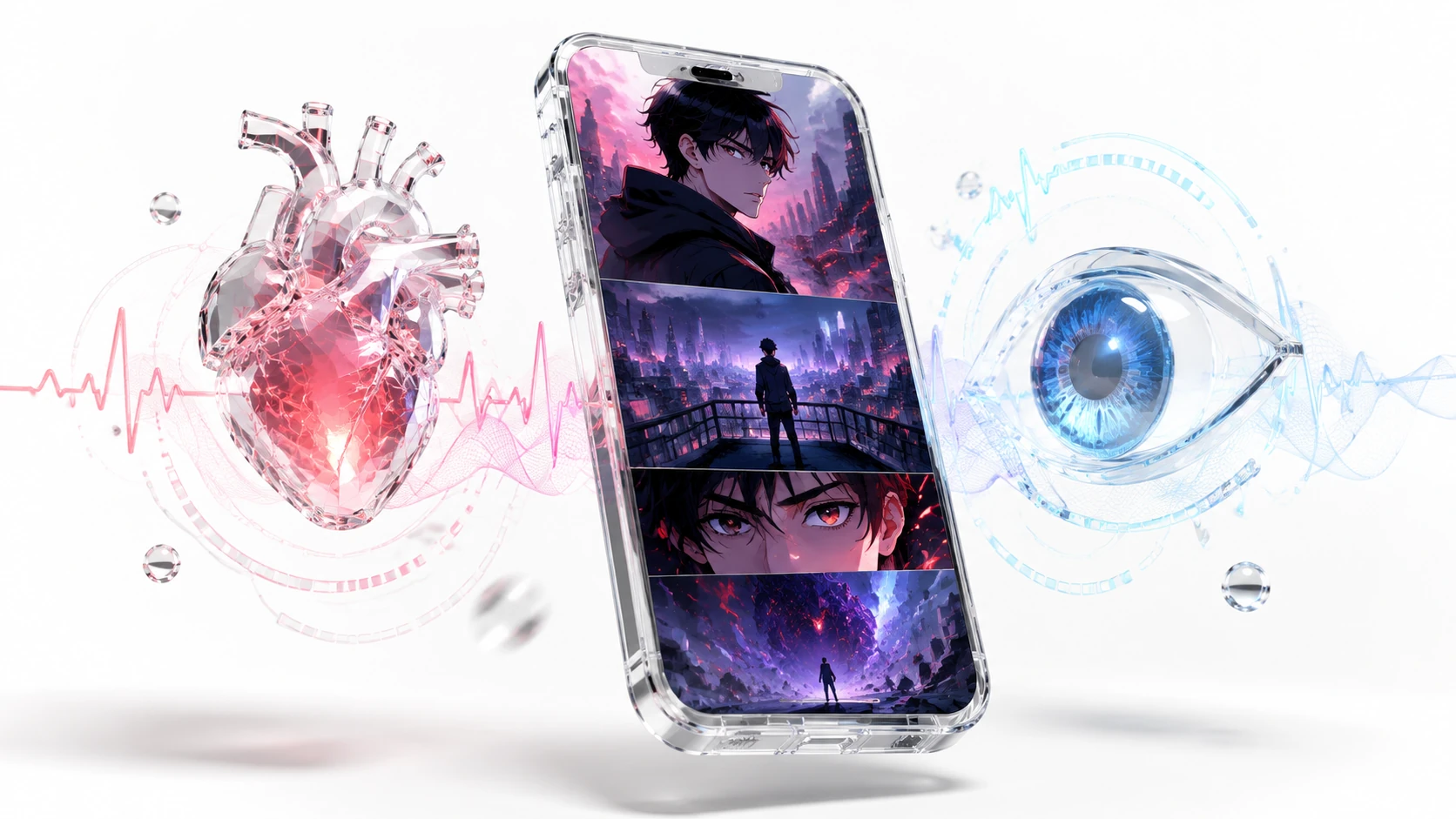
The 2026 ‘Bio-Adaptive’ (BA) Narrative Standard: Engineering Webtoons for Real-Time Physiological Engagement
Discover the 2026 ‘Bio-Adaptive’ (BA) Standard, a framework for engineering webtoons that respond to reader heart rate and eye movement in real-time. Learn how to optimize narrative pacing for maximum physiological engagement.

The 2026 ‘Semantic-Lore’ (SL) Documentation Standard: Engineering Webtoon Narrative Bibles for AI-Agent Reasoning and Multi-Platform Consistency
In 2026, the 'Semantic-Lore' (SL) Standard has replaced traditional static story bibles with machine-readable narrative frameworks. This shift enables AI agents to reason through complex webtoon lore, ensuring perfect multi-platform consistency and dominant search visibility.
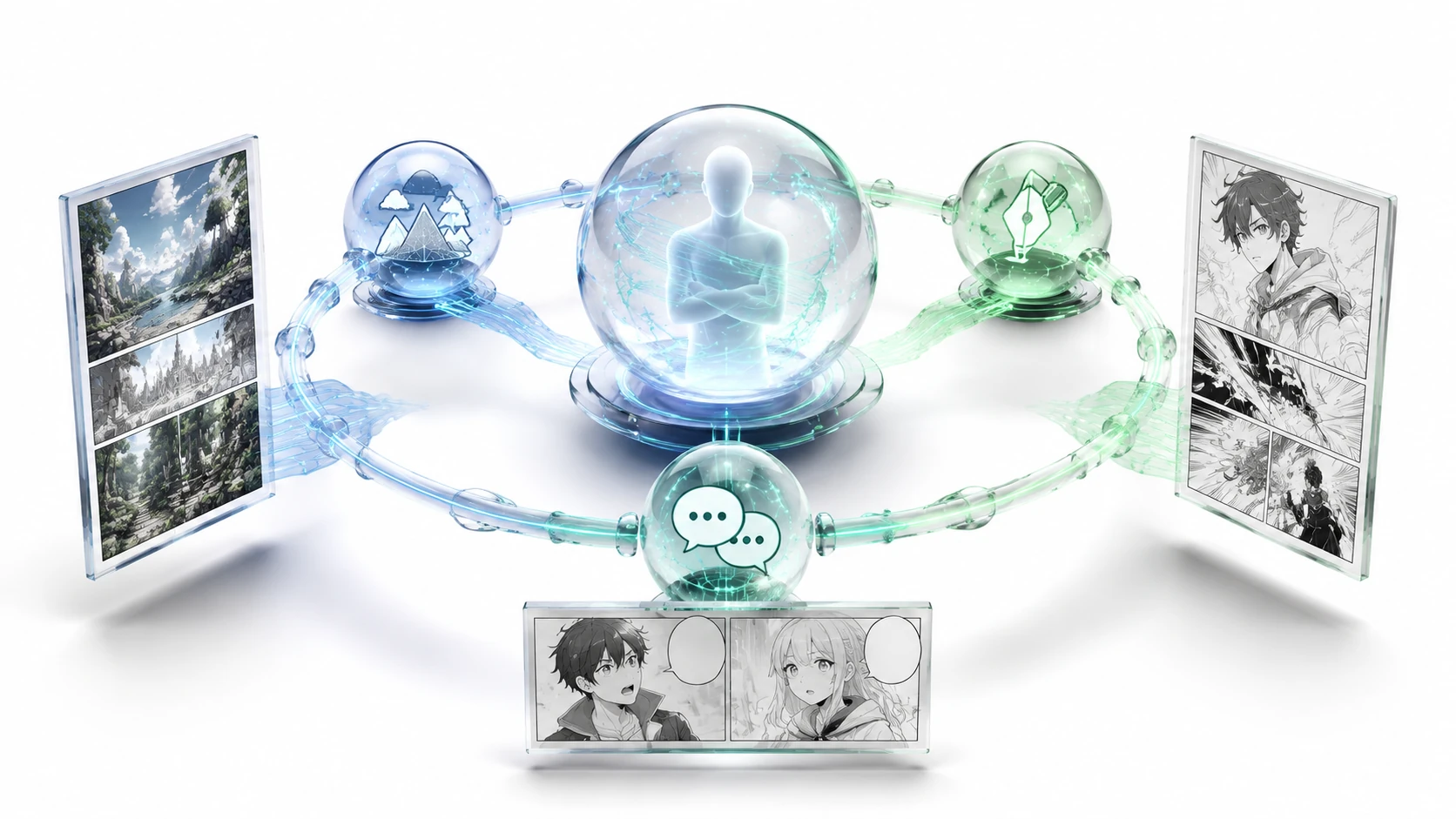
The 2026 ‘Multi-Agent Orchestration’ (MAO) Standard: Engineering High-Output Webtoon Studios with Autonomous AI Pipelines
Transition from manual AI prompting to autonomous Multi-Agent Orchestration (MAO). This 2026 framework defines how webtoon studios scale production by 400% through specialized agent hierarchies.
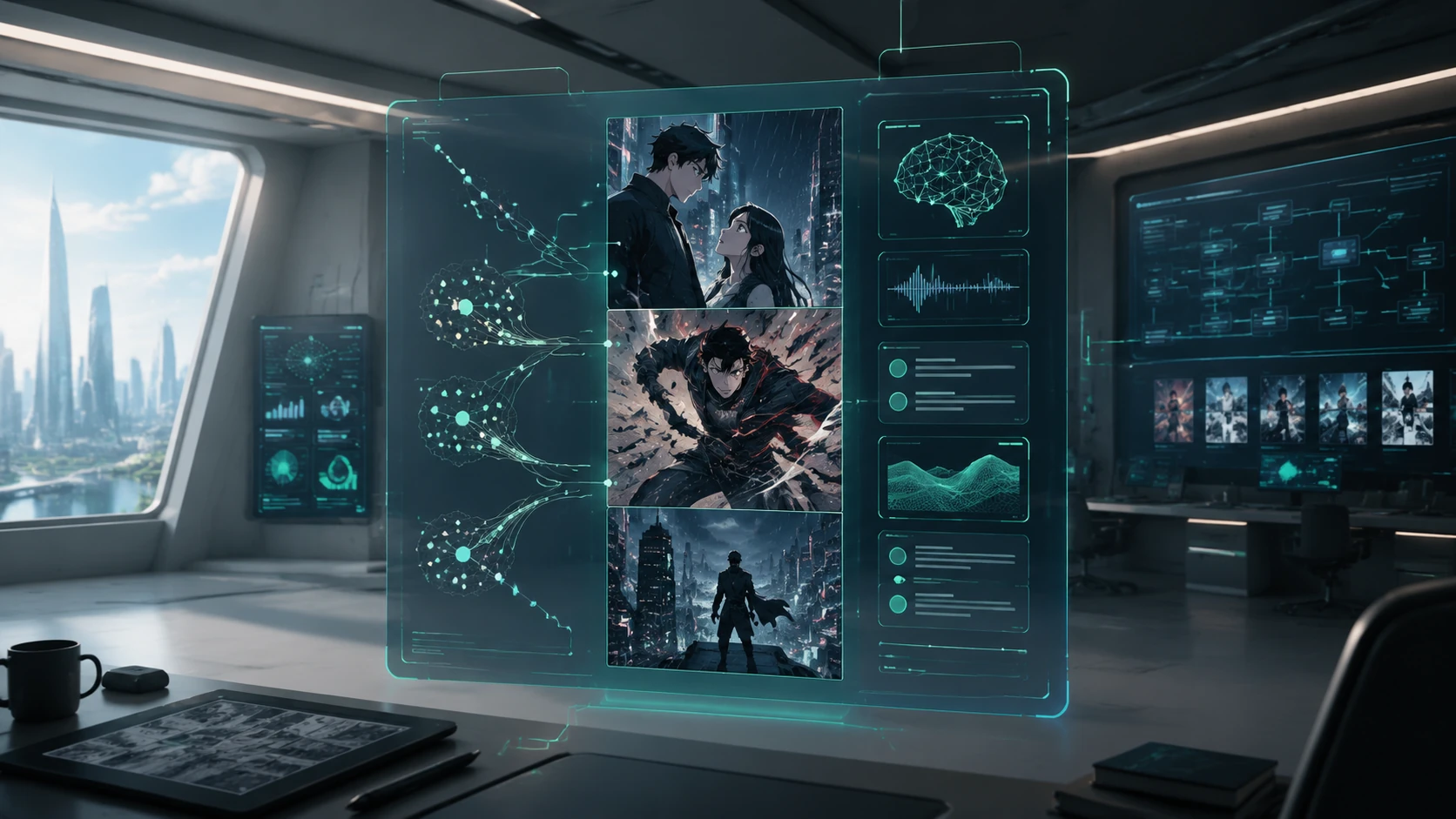
The 2026 ‘Visual-Semantic’ Panel Indexing Standard: Engineering Webtoons for Scene-Specific AI Discovery and Retrieval
Discover how the 2026 Visual-Semantic Panel Indexing (VSPI) standard is transforming comic discovery by enabling AI agents to search and retrieve specific story moments rather than just titles.
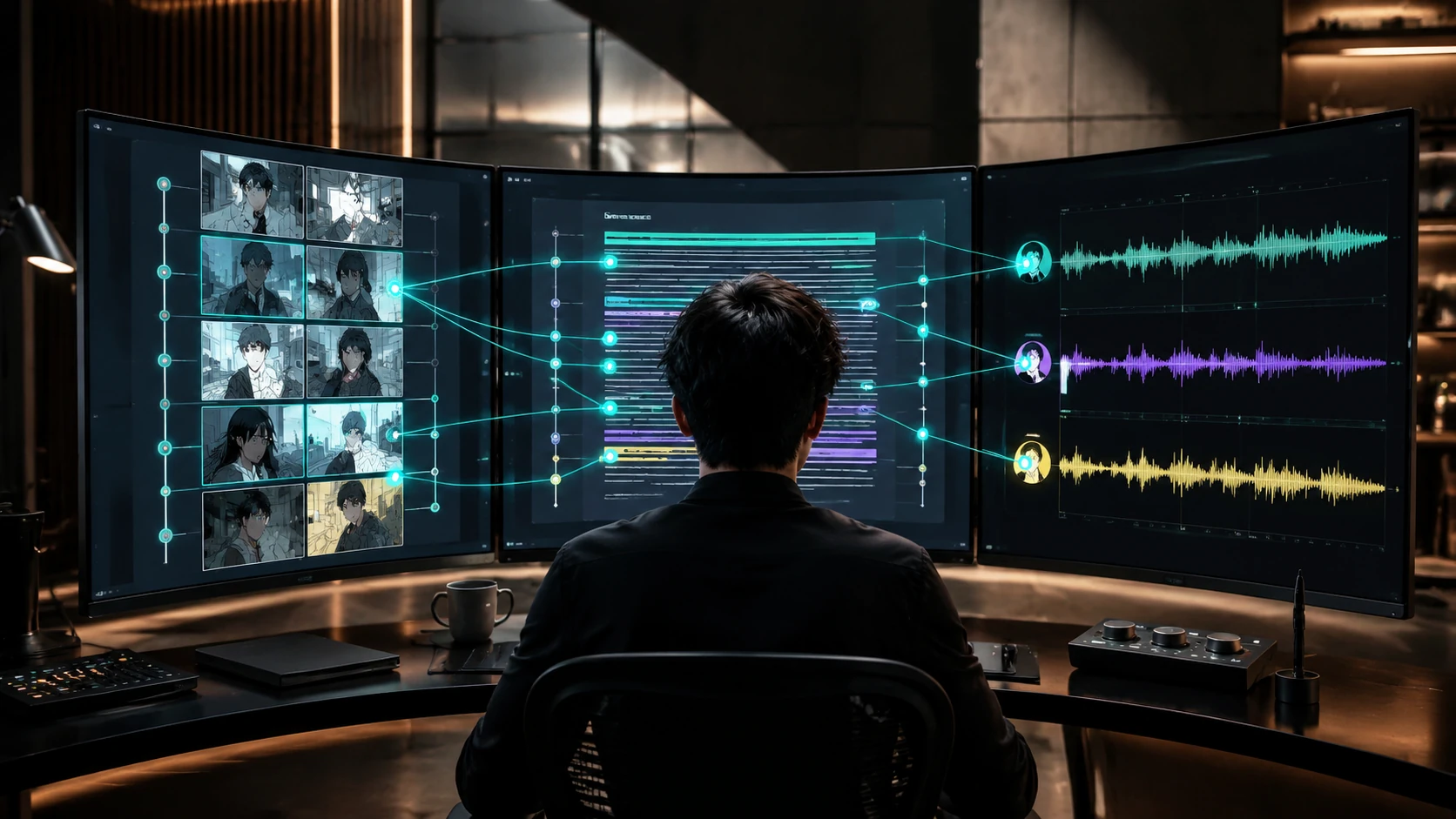
The 2026 ‘Trans-Media Narrative Sync’ (TMNS) Protocol: Engineering Real-Time Story Coherence Across Webtoons, Light Novels, and Audio-Dramas
Master the 2026 Trans-Media Narrative Sync (TMNS) protocol to maintain story consistency across simultaneous webtoon, novel, and audio releases. Explore the technical architecture of the 'Single Source of Truth' for modern IP studios.
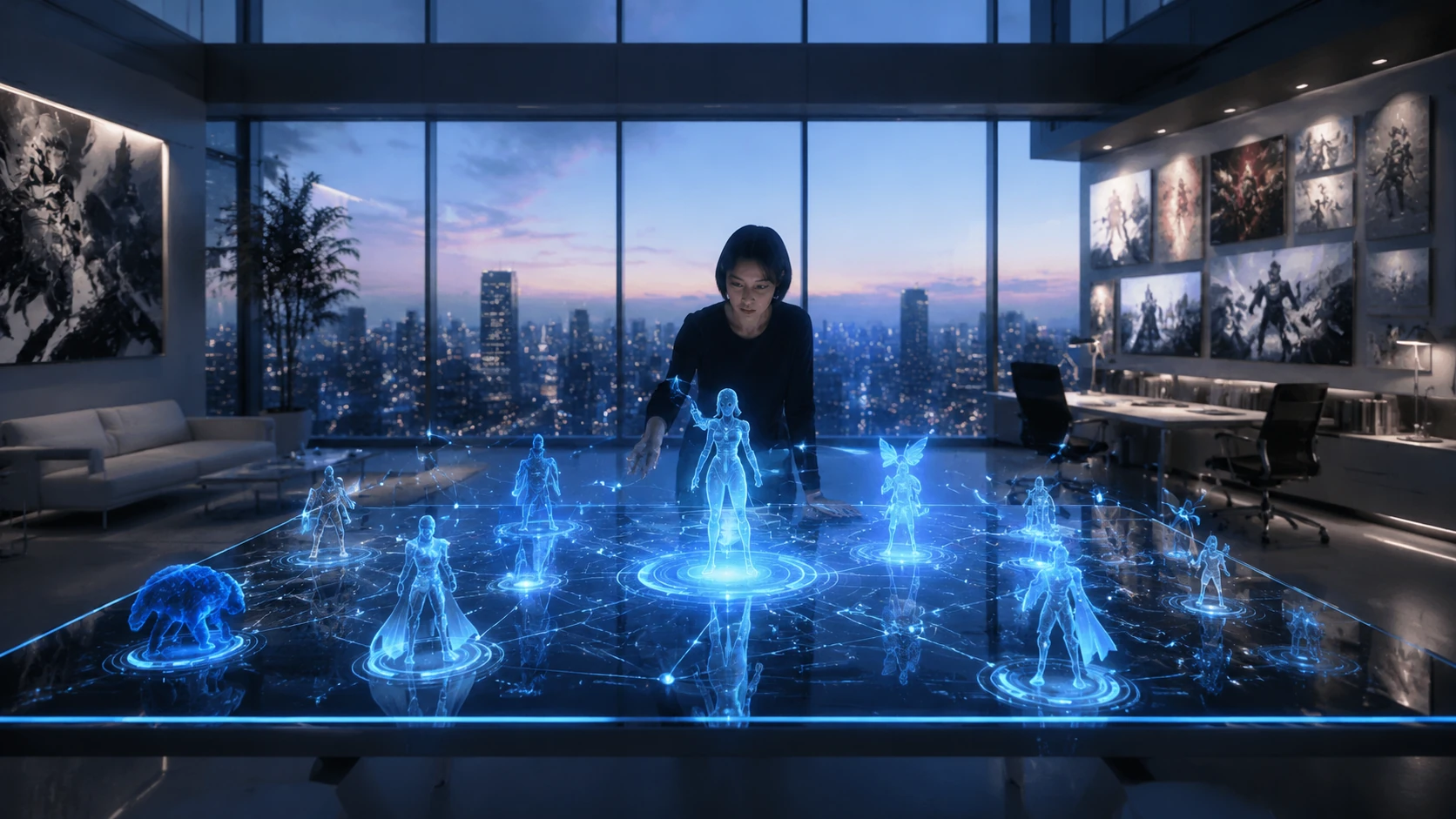
The 2026 ‘Narrative State-Persistence’ (NSP) Protocol: Engineering Long-Form Consistency in AI-Hybrid Webtoons
Learn the 2026 Narrative State-Persistence (NSP) Protocol. Master the technical workflow for maintaining lore integrity, character stability, and world-state logic in high-frequency AI-hybrid comic production.
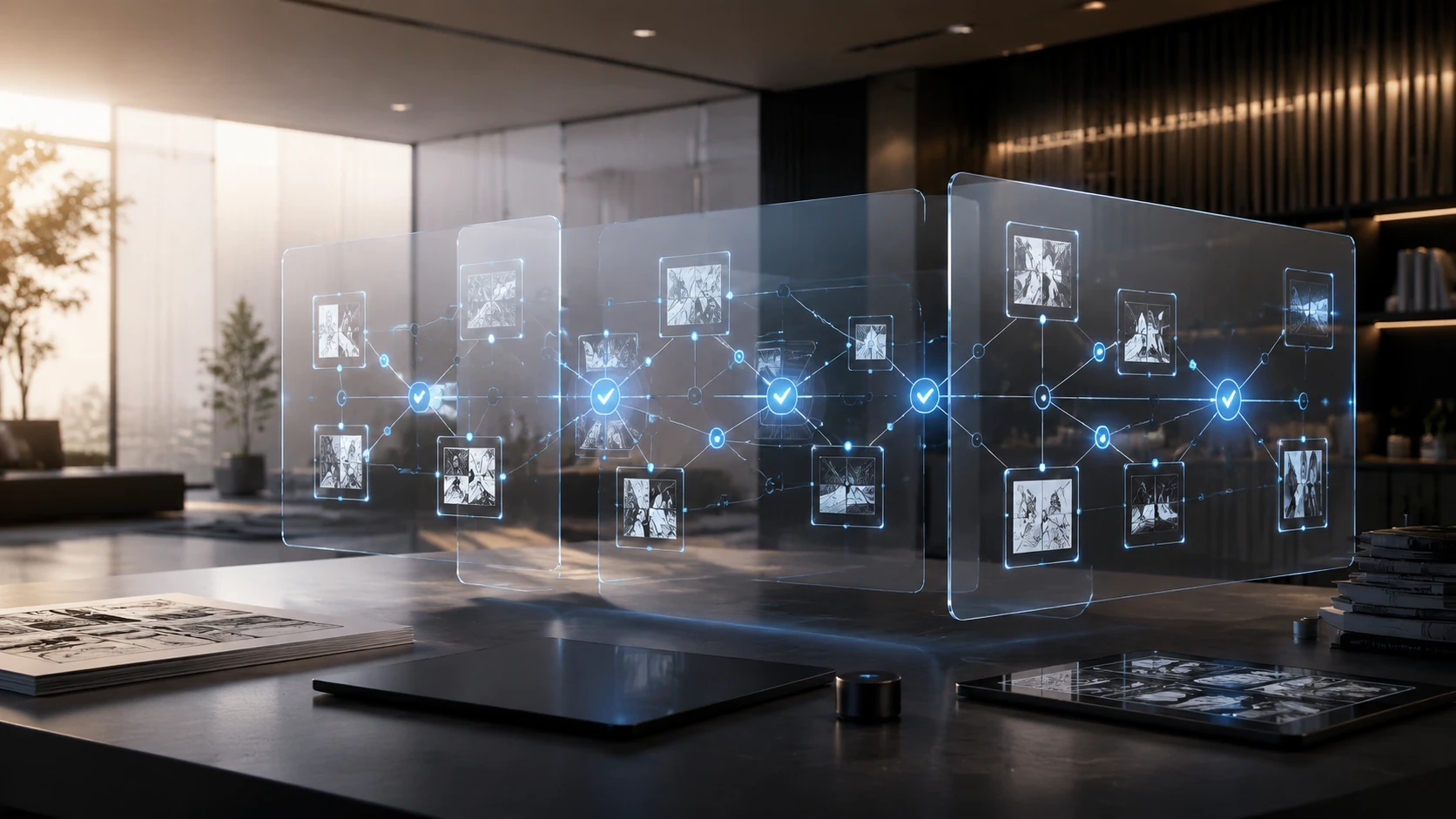
The 2026 ‘Narrative-Chain’ Provenance Standard (NCPS): Engineering IP Traceability for the AI-Agent Search Era
Discover the 2026 standard for narrative traceability. Learn how to engineer your webtoon's digital lineage to secure AI-search authority and protect your intellectual property.
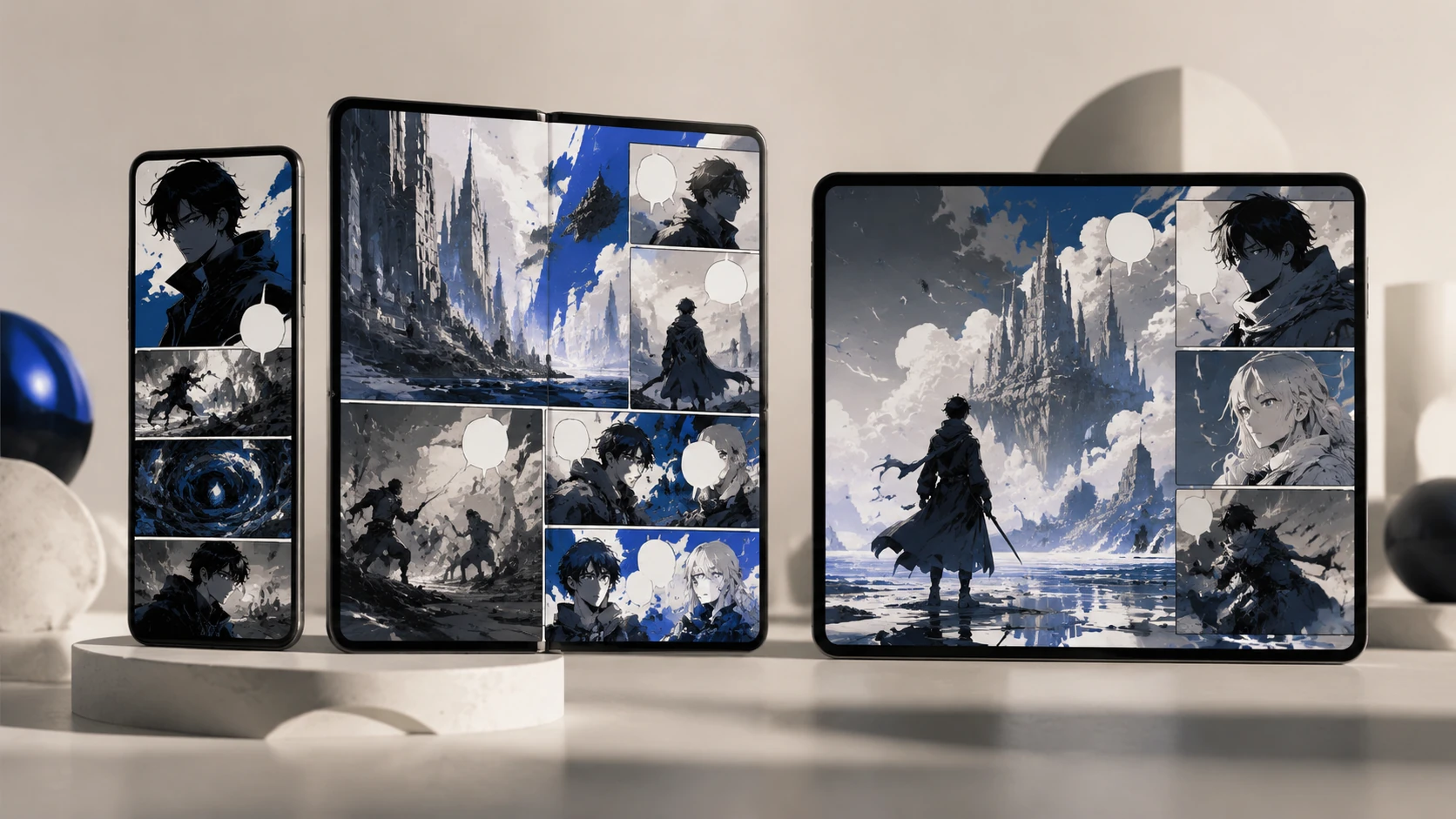
The 2026 ‘Responsive Narrative Architecture’ (RNA) Standard: Engineering Webtoons for the
As device fragmentation peaks in 2026, the Responsive Narrative Architecture (RNA) standard moves beyond the static vertical scroll. Learn how to engineer adaptive layouts that preserve narrative flow across every screen size.
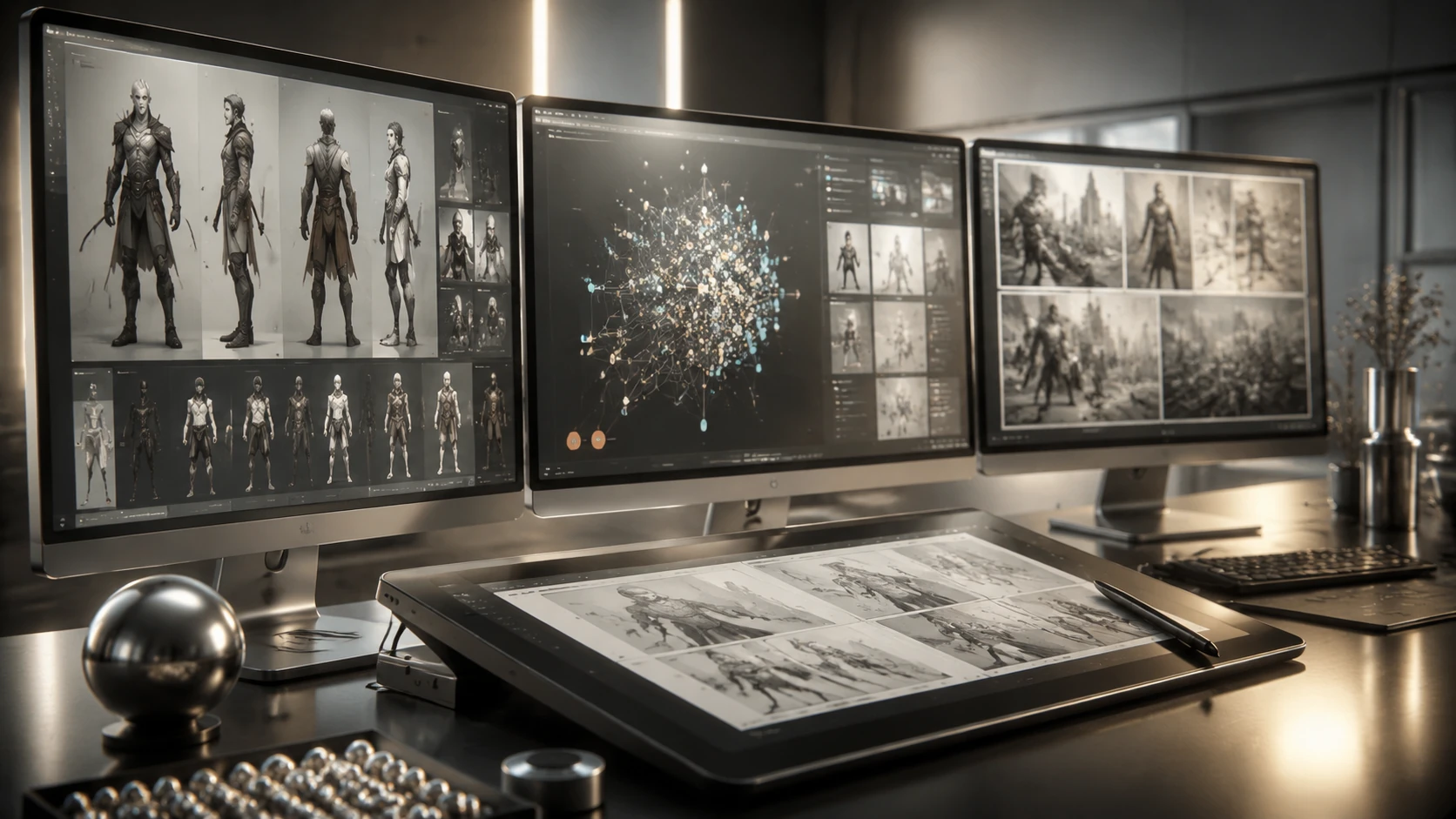
The 2026 ‘Latent-Space’ Asset Standard (LSAS): Engineering Visual Continuity in AI-Hybrid
Master the 2026 LSAS framework to solve the visual drift crisis in AI-assisted comics. This technical guide explains how to engineer persistent character seeds and style weights for professional-grade continuity.
The 2026 ‘Ethical-Attribution’ Ledger (EAL): Engineering Transparency and SEO Trust in AI-
The Ethical-Attribution Ledger (EAL) has emerged as the definitive technical standard for certifying human-AI collaboration ratios in 2026. This guide explains how to implement EAL to protect your IP and secure high-authority search signals.