Is Your Webtoon Broken on Tablets? The 2026 R2 Standard
Discover the 2026 R2 Standard for digital comics. Learn how programmatic coordinate-tagging reflows vertical scrolls into elegant multi-device grids.
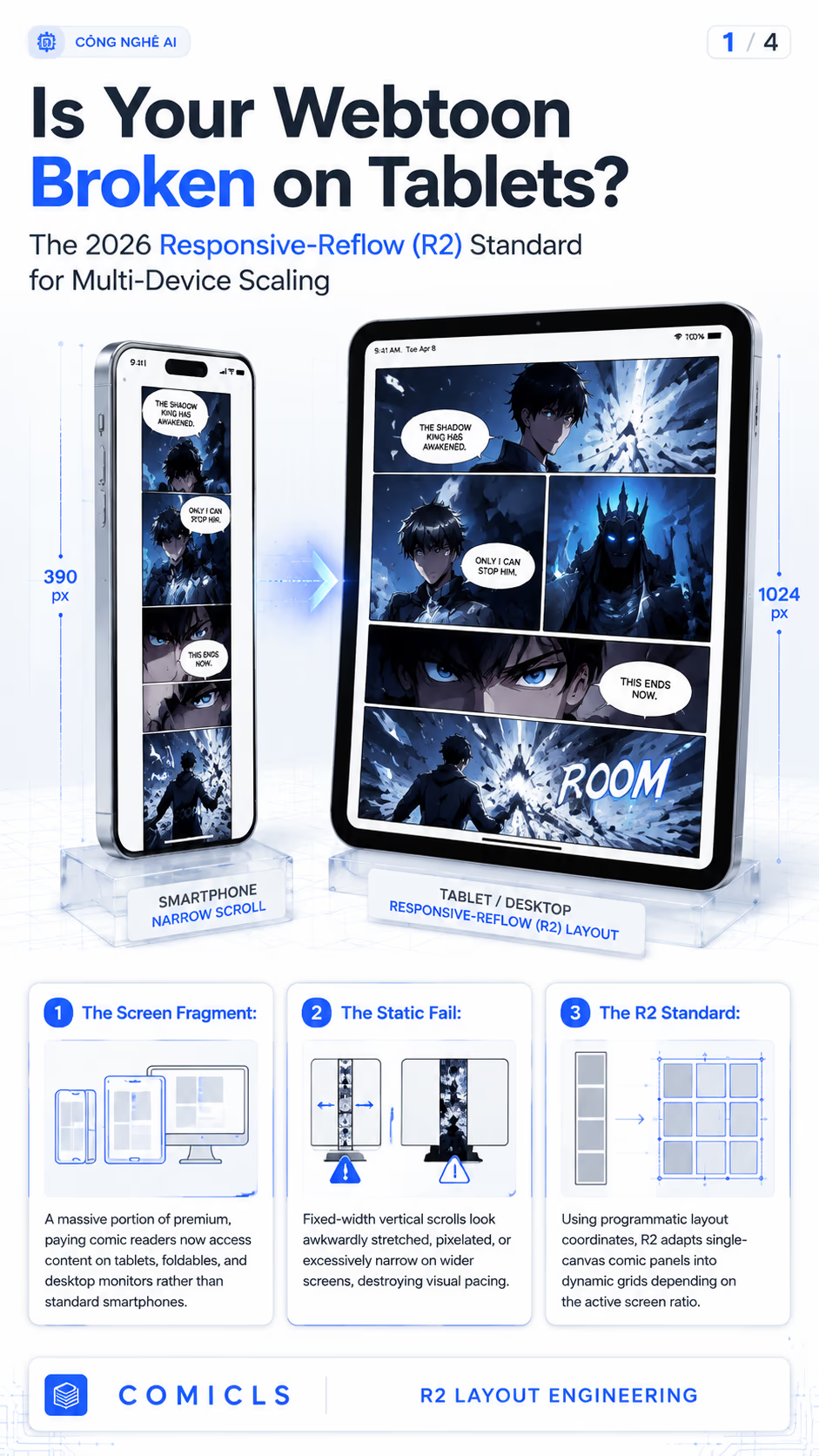
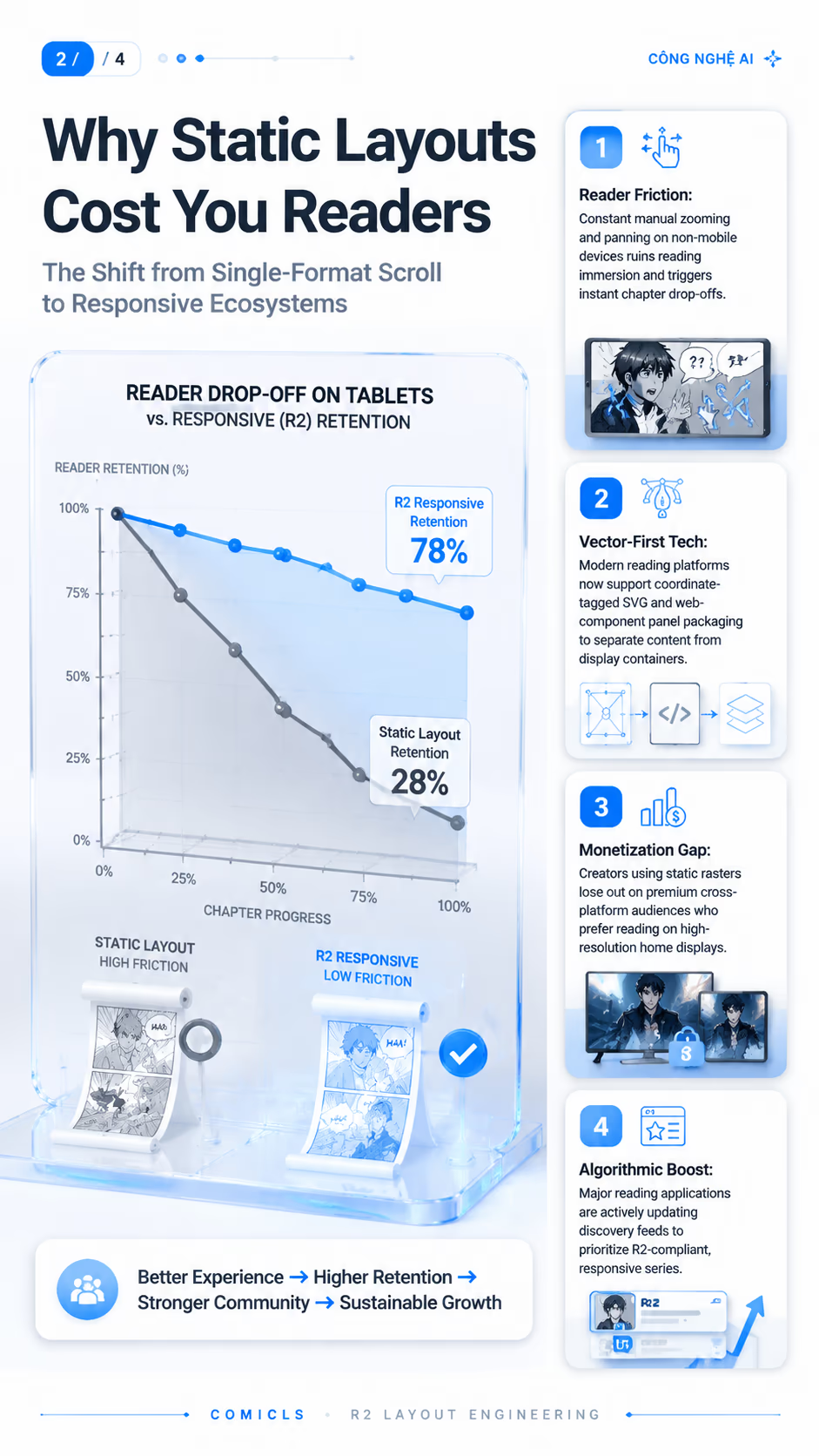
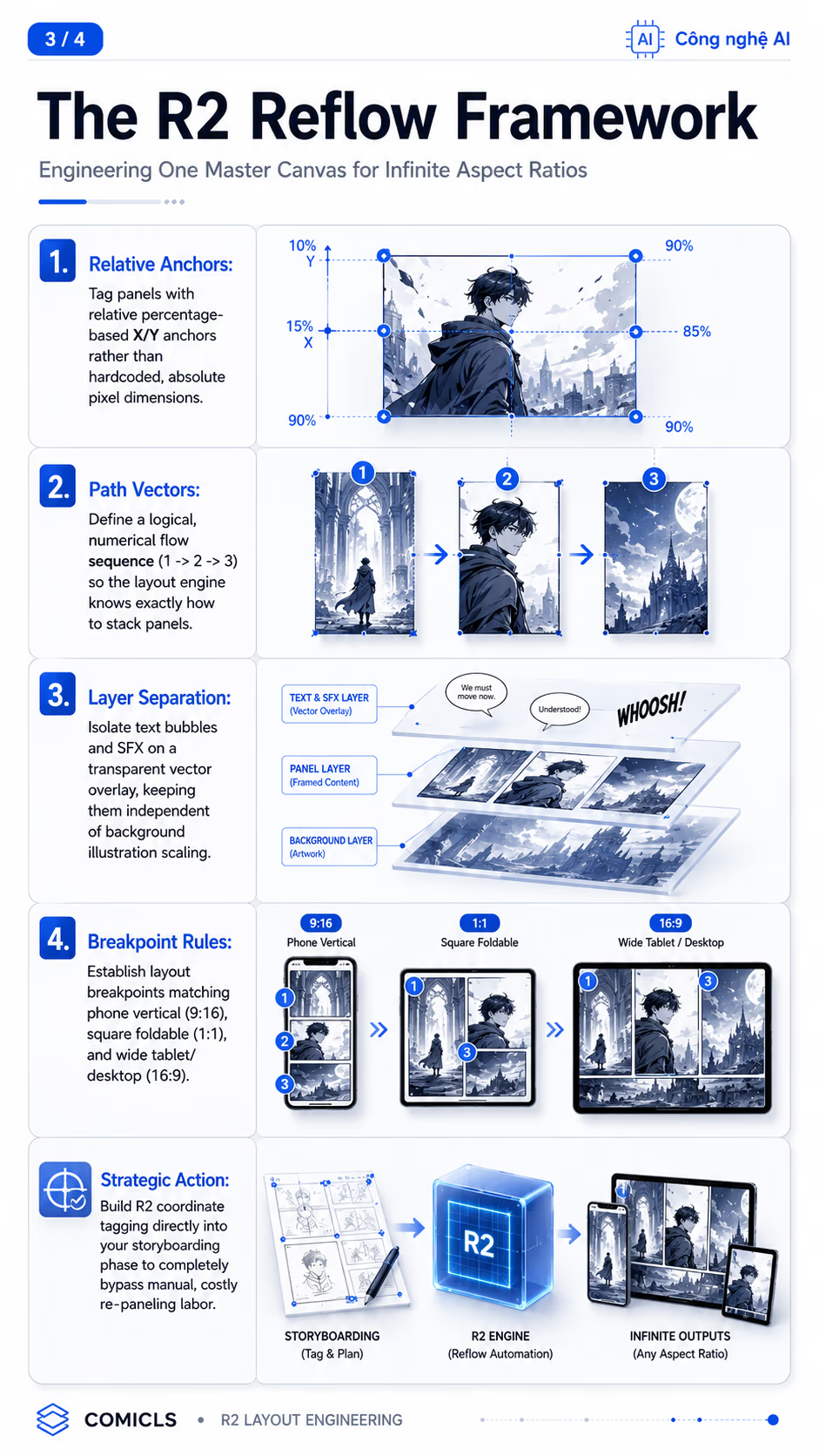
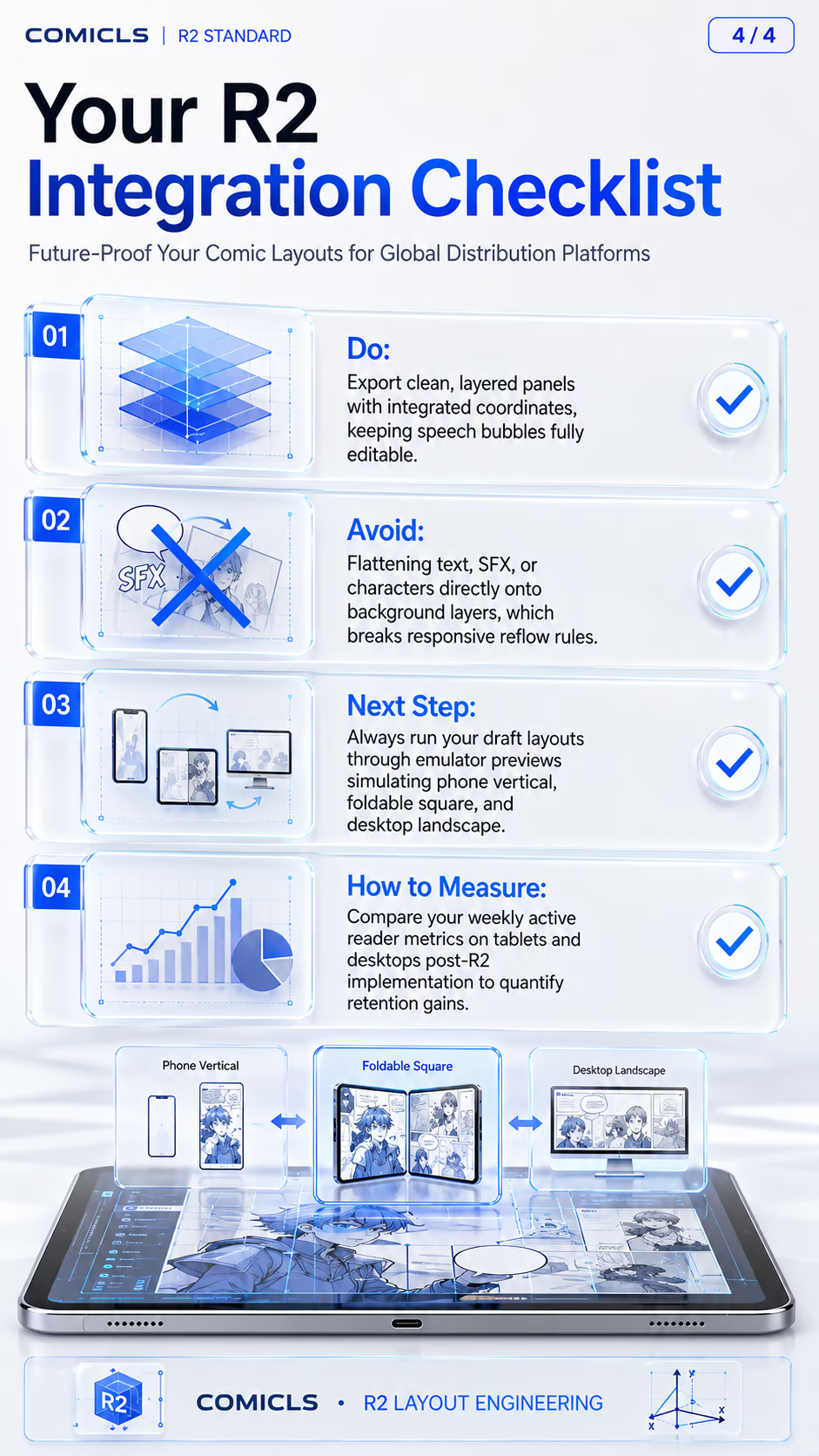
The digital comic landscape in 2026 is no longer exclusively restricted to mobile vertical scrolling. With the massive growth of foldable devices, e-paper readers, tablets, and desktop displays, creators and publishers face a severe challenge: vertical-scroll layouts look poor and stretched on wider dimensions. The 2026 Responsive-Reflow (R2) Standard solves this layout fragmentation by introducing dynamic, coordinate-based panel reflow.
- Traditional, hardcoded raster layouts cause immediate reader drop-off and fatigue on wide-aspect displays.
- The R2 framework dynamically reorganizes vertical panels into multi-column layouts depending on screen dimensions.
- By separating text layers and utilizing relative panel anchors, creators can design a single canvas that fits mobile, tablet, and desktop natively.
- Adapting the R2 standard early protects your intellectual property from format obsolescence and boosts algorithmic promotion on modern apps.
FAQ
What is the 2026 R2 Standard for webtoons?
The R2 (Responsive-Reflow) Standard is a layout engineering practice where comic panels, text bubbles, and SFX are exported with relative coordinate tags instead of absolute pixel dimensions. This allows modern webtoon platforms to reflow a vertical comic scroll into a dual-page or grid layout dynamically depending on the user's screen size.
Does implementing R2 require redrawing my comic panels?
No. R2 does not require redrawing your art. It requires that panels, speech bubbles, and background elements remain isolated on separate layers during the export phase, mapped by simple layout instructions, allowing engines to automatically adjust their positions.
Why are webtoon platforms pushing for responsive layouts now?
As tablet, foldable screen, and web-based reading continue to grow, readers are increasingly frustrated by narrow, low-resolution vertical strips centered on wide screens. Platforms are promoting responsive series to improve user retention, accessibility, and high-margin subscription sales.