The 2026 ‘Algorithmic Feedback Loop’ (AFL) Standard: Engineering Real-Time Narrative Adaptation and Dynamic Content Optimization for High-Retention Webtoon Series
Master the 2026 AFL Standard. Discover how to engineer dynamic webtoon narratives that adapt to real-time reader behavior, scroll velocity, and engagement heatmaps.
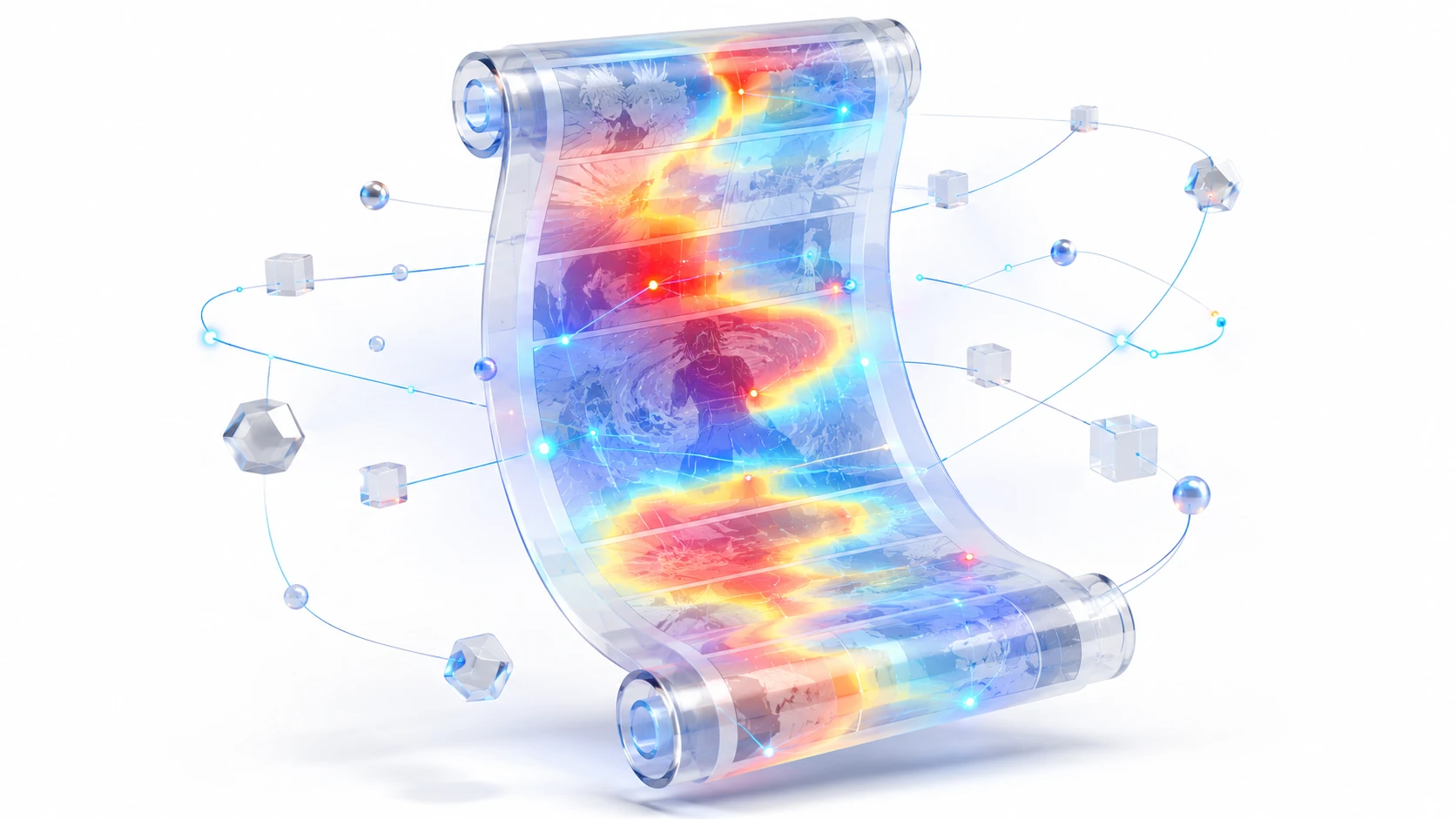
The Algorithmic Feedback Loop (AFL) is the defining technology of the 2026 webtoon industry, shifting the medium from a static 'broadcast' model to a dynamic, reactive 'software' model. At its core, AFL is a framework that captures real-time reader telemetry—scrolling speed, pause durations, and re-reading patterns—and feeds that data back into the creative production cycle. This allows studios to optimize the pacing, visual density, and narrative beats of upcoming chapters to match the actual behavior of their audience. In an era where attention is the most scarce resource, AFL provides the engineering tools necessary to ensure that every panel justifies its place in the reader's scroll.
The Mechanics of Real-Time Narrative Adaptation
The implementation of AFL begins with deep-layer telemetry. Unlike the basic 'page view' metrics of the past, 2026-standard reading platforms track the 'velocity of the thumb.' By measuring the milliseconds spent on each vertical pixel, the AFL system creates a 'Heatmap of Interest.' This heatmap is then semantically mapped against the story's metadata. For example, if the data shows a 20% acceleration in scroll speed during a specific dialogue-heavy scene, the system identifies a 'Pacing Friction' point. The creator or an AI-assisted layout engine can then adjust the next chapter's visual hierarchy to regain that lost engagement.
From Telemetry to Ink: The Production Cycle
The true power of AFL lies in its integration with the production pipeline. Modern webtoon studios use 'Modular Narrative Units' (MNUs). When the AFL engine identifies a drop-off trend in a specific demographic, it triggers an 'Optimization Sprint.' Production teams can quickly swap out planned layouts for 'High-Retention Templates' that use more dynamic camera angles, increased white space, or 'micro-cliffhangers'—small visual or narrative hooks placed precisely where readers typically lose focus. This creates a 'Living Story' that evolves in response to the audience's collective psychological state.
- Scroll-Velocity Tracking: Identifying 'Skim Zones' where readers are rushing through content.
- Dwell-Time Analysis: Measuring 'Scroll-Stops' to determine which panels have the highest emotional or visual impact.
- Semantic Correlation: Mapping behavioral data to specific character appearances, tropes, or art styles.
- Dynamic Pacing: Automatically adjusting the vertical length of a chapter to maintain a consistent 'Dopamine Loop'.
The 'Scroll-Stop' as a Primary KPI
In 2026, the 'Scroll-Stop' has replaced the 'Like' as the most valuable metric for webtoon success. A Scroll-Stop occurs when a reader's vertical motion comes to a complete halt for more than 1.5 seconds. This is the moment of peak immersion. AFL engineering focuses on maximizing the 'Stop Density' per 1000 pixels of vertical scroll. By analyzing the visual characteristics of panels that trigger Scroll-Stops—such as lighting contrast, character expression, or 'lore-drops'—studios can reverse-engineer success and apply those visual triggers more strategically throughout the series.
Balancing Data and Artistic Integrity
A common concern with the AFL Standard is the 'Algorithmification' of art. Creators often fear that following the data will lead to a 'race to the bottom,' where every story looks and feels the same. However, the most successful studios in 2026 use AFL as a diagnostic tool, not a creative director. AFL is used to find *where* a story is failing to communicate its intent, not to dictate *what* that intent should be. If a reader is skimming a sad scene, it doesn't mean the scene should be removed; it means the visual delivery of that sadness is failing to hook the reader's attention. AFL provides the 'how-to-fix' without compromising the 'why.'
The Future: Personalized Narrative Rendering
Looking beyond 2026, the AFL Standard is moving toward 'Personalized Rendering.' This involves delivering different versions of the same chapter to different readers based on their historical engagement data. A 'Fast-Scroller' might see a version of the chapter with larger text and more visceral action panels, while a 'Detail-Oriented Reader' might see a version with complex backgrounds and hidden clues. This hyper-personalization ensures that the story meets every reader exactly where their attention is, maximizing both satisfaction and monetization potential.
FAQ
What is the AFL Standard in webtoons?
The Algorithmic Feedback Loop (AFL) is a 2026 standard for using real-time reader behavioral data (like scroll speed and pause points) to optimize narrative pacing and visual delivery in webtoon series.
Does AFL change the story's plot?
No, AFL primarily optimizes the 'delivery'—pacing, panel density, and visual weight—to ensure the plot is communicated effectively and reader drop-off is minimized.
How does AFL improve creator revenue?
By increasing reader retention and 'Scroll-Stop' density, AFL boosts the Lifetime Value (LTV) of a series, making it more attractive for platform promotion and secondary licensing.
Is AFL available for independent creators?
Yes, many 2026 creator tools and distribution platforms now include 'AFL-Lite' analytics that provide heatmap data to help independent artists optimize their work.