Stopping Webtoon Color Drift: The 2026 SCK Standard
Webtoon coloring takes up over 50% of production budgets and causes severe visual drift across artists. Discover how the 2026 SCK Standard uses semantic color-tagging to automate lighting shifts and protect visual consistency.
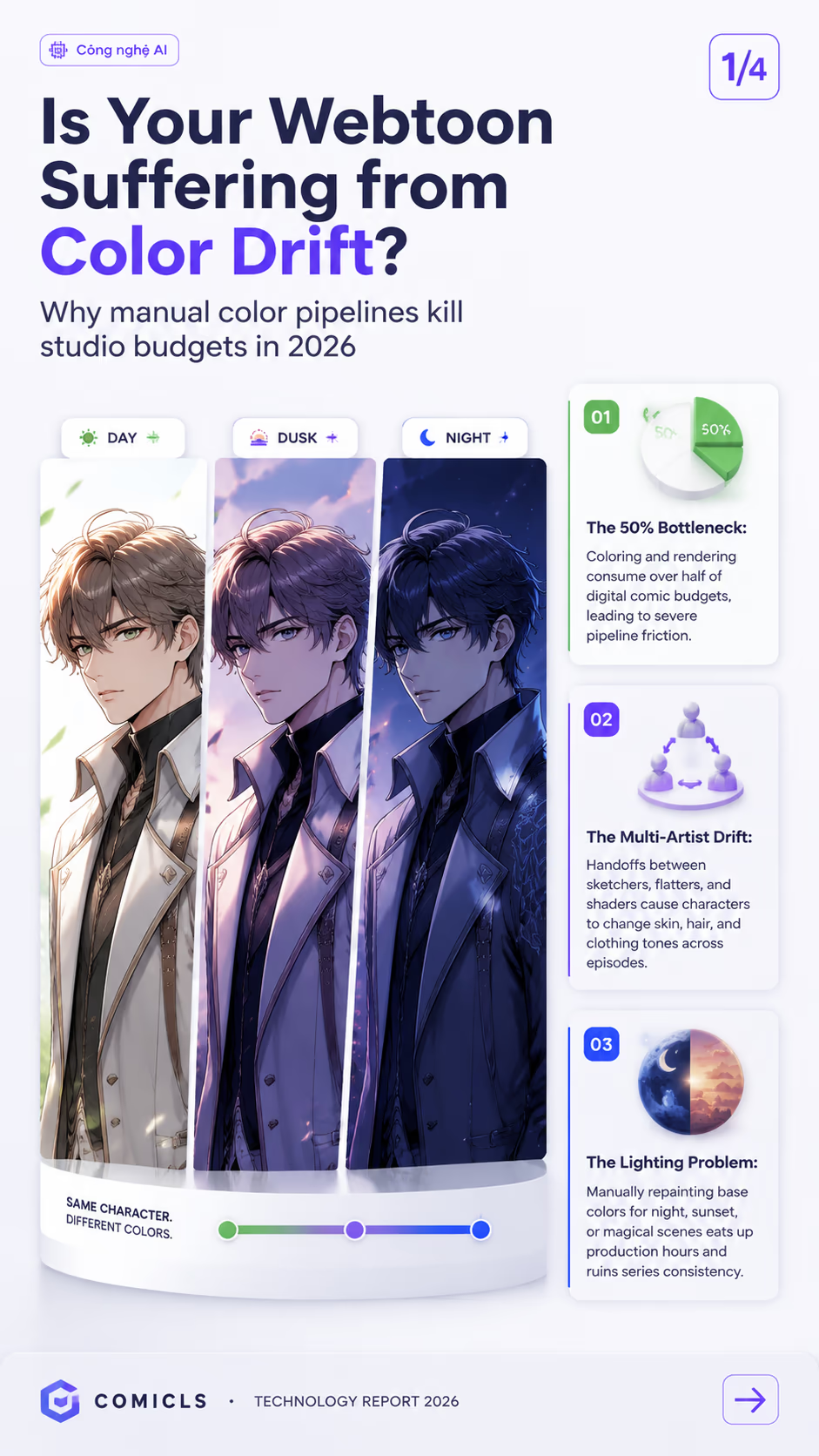
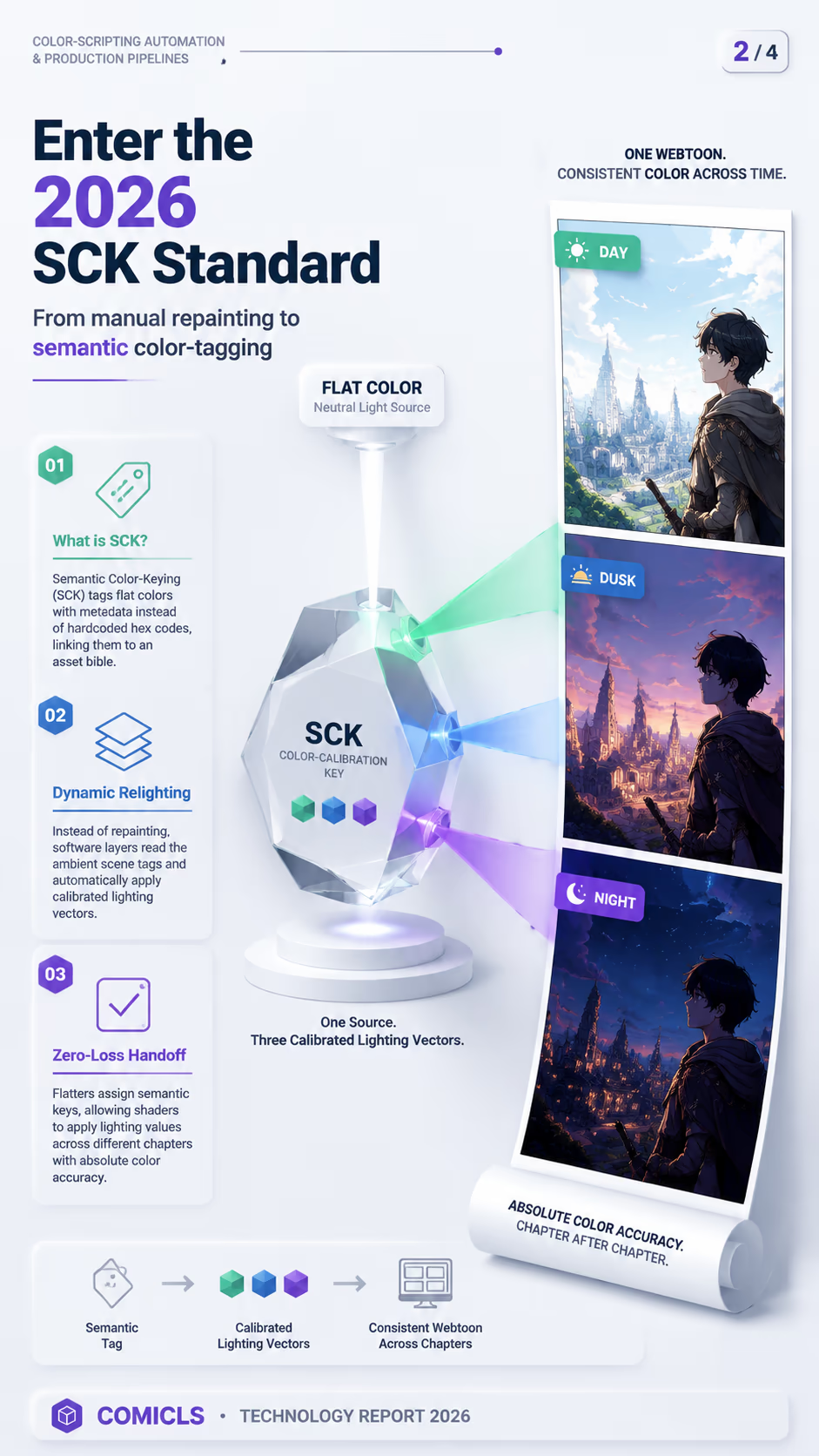
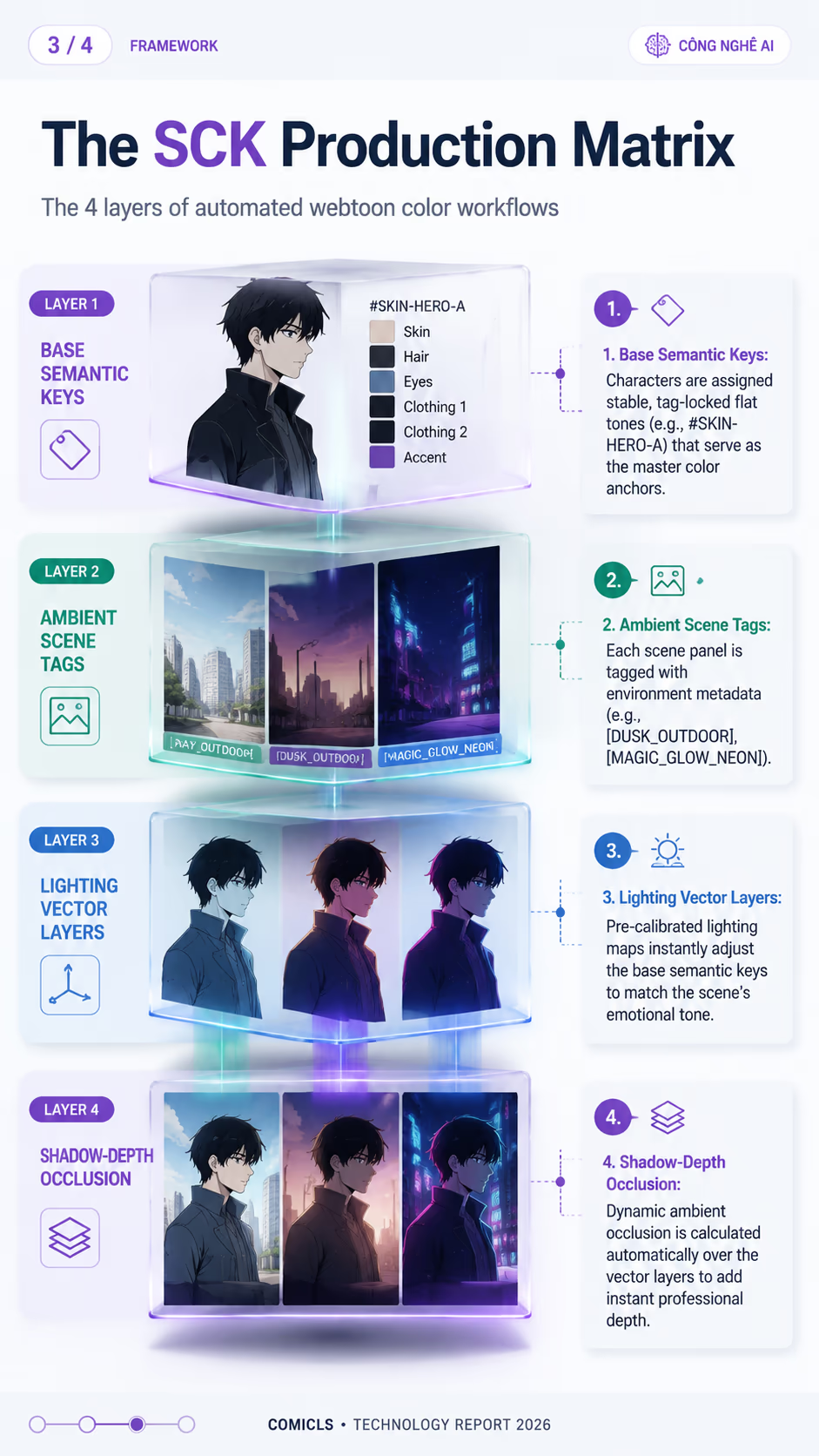
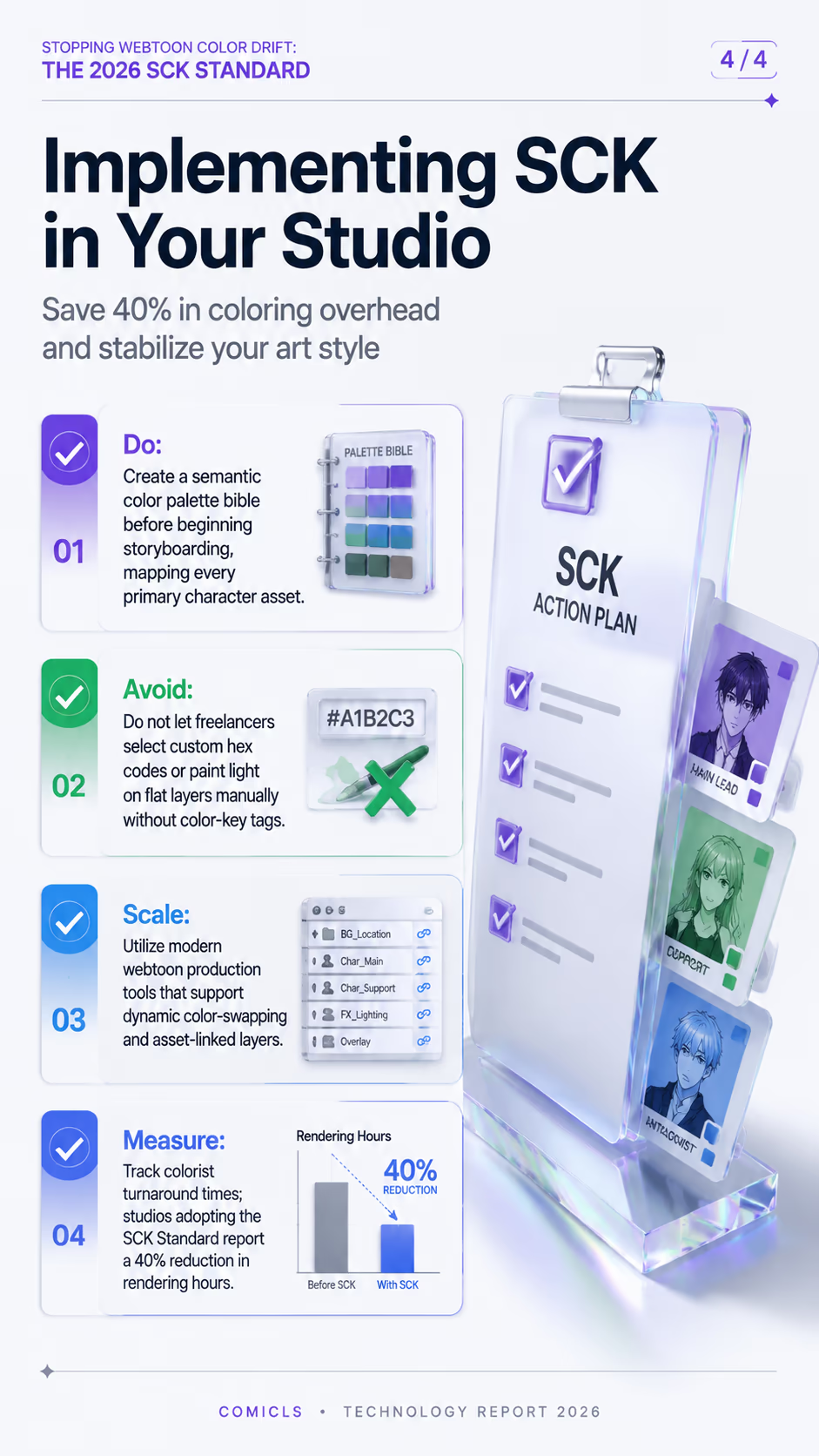
Color consistency is one of the most visible trust signals in digital publishing, yet maintaining it across multi-artist pipelines is a persistent bottleneck. The 2026 Semantic Color-Keying (SCK) Standard resolves this by replacing hardcoded hex values with dynamic, metadata-tagged flat colors. This workflow allows studios and independent creators to automate lighting, shading, and relighting transitions seamlessly across vertical scrolls.
- Why manual coloring causes up to 50% of comic production cost bloat and visual drift.
- How semantic color-tagging acts as an anchor, allowing dynamic lighting shifts across scenes.
- The 4 steps of the SCK Production Matrix: Base Keys, Ambient Tags, Lighting Vectors, and Shadow Depth.
- Actionable checklist to integrate the SCK Standard into your studio workflow to cut coloring time by 40%.
FAQ
What is the SCK Standard in digital comics?
The SCK (Semantic Color-Keying) Standard is a production workflow that assigns metadata tags to flat color assets instead of static hex codes. This allows automated lighting filters and shaders to dynamically adapt colors across scenes while maintaining absolute character model consistency.
How does SCK reduce webtoon coloring costs?
By separating base colors from dynamic lighting, flatters and colorists no longer need to manually repaint assets for nighttime, sunset, or indoor scenes. The software automatically applies pre-calibrated lighting vectors, saving up to 40% of coloring and rendering time.