The 2026 ‘Scene-Graph’ (SG) Standard for Studios
Discover the 2026 Scene-Graph (SG) Standard, the technical framework solving the 3D-to-2D integration crisis for high-volume comic studios.
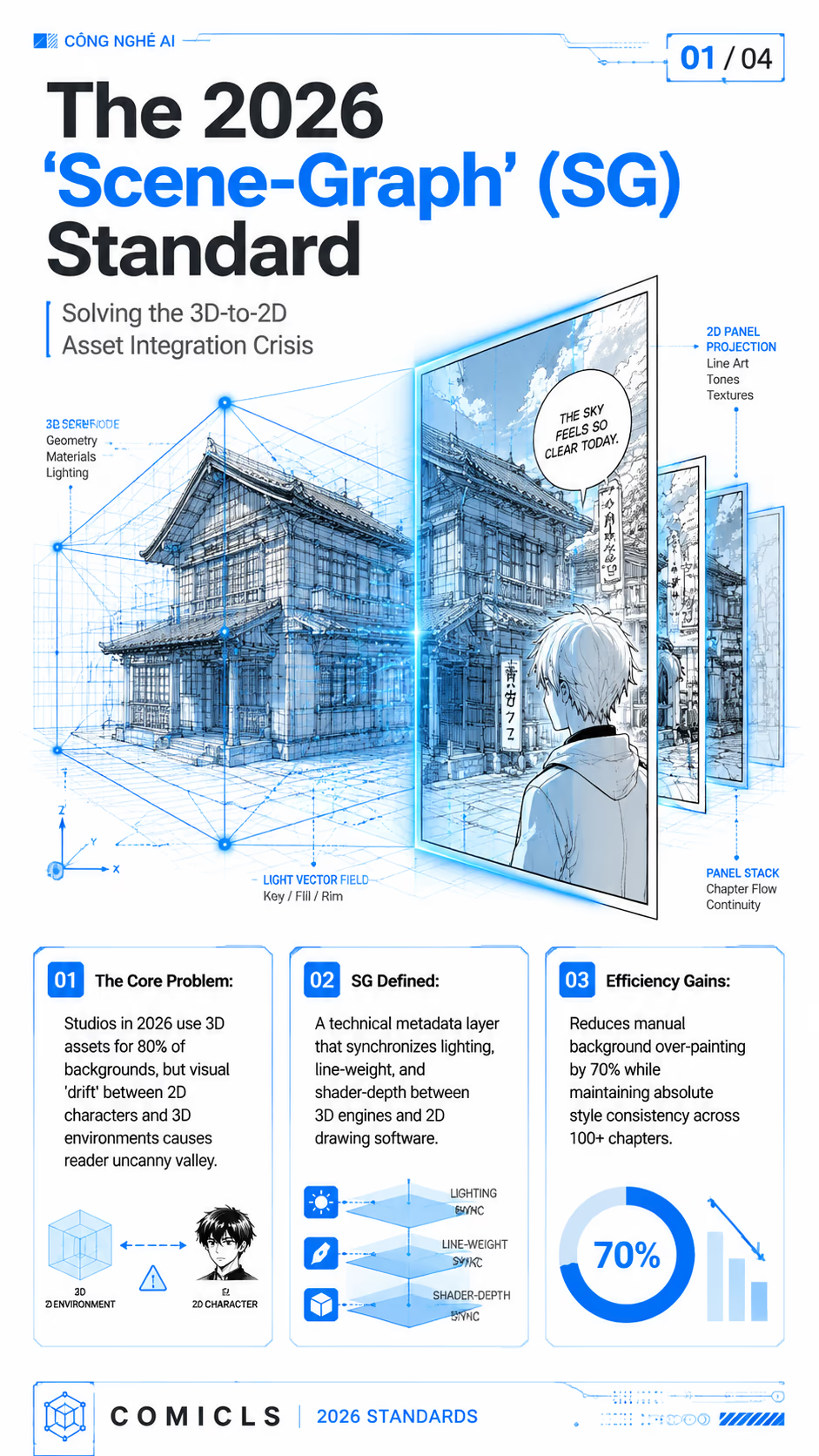
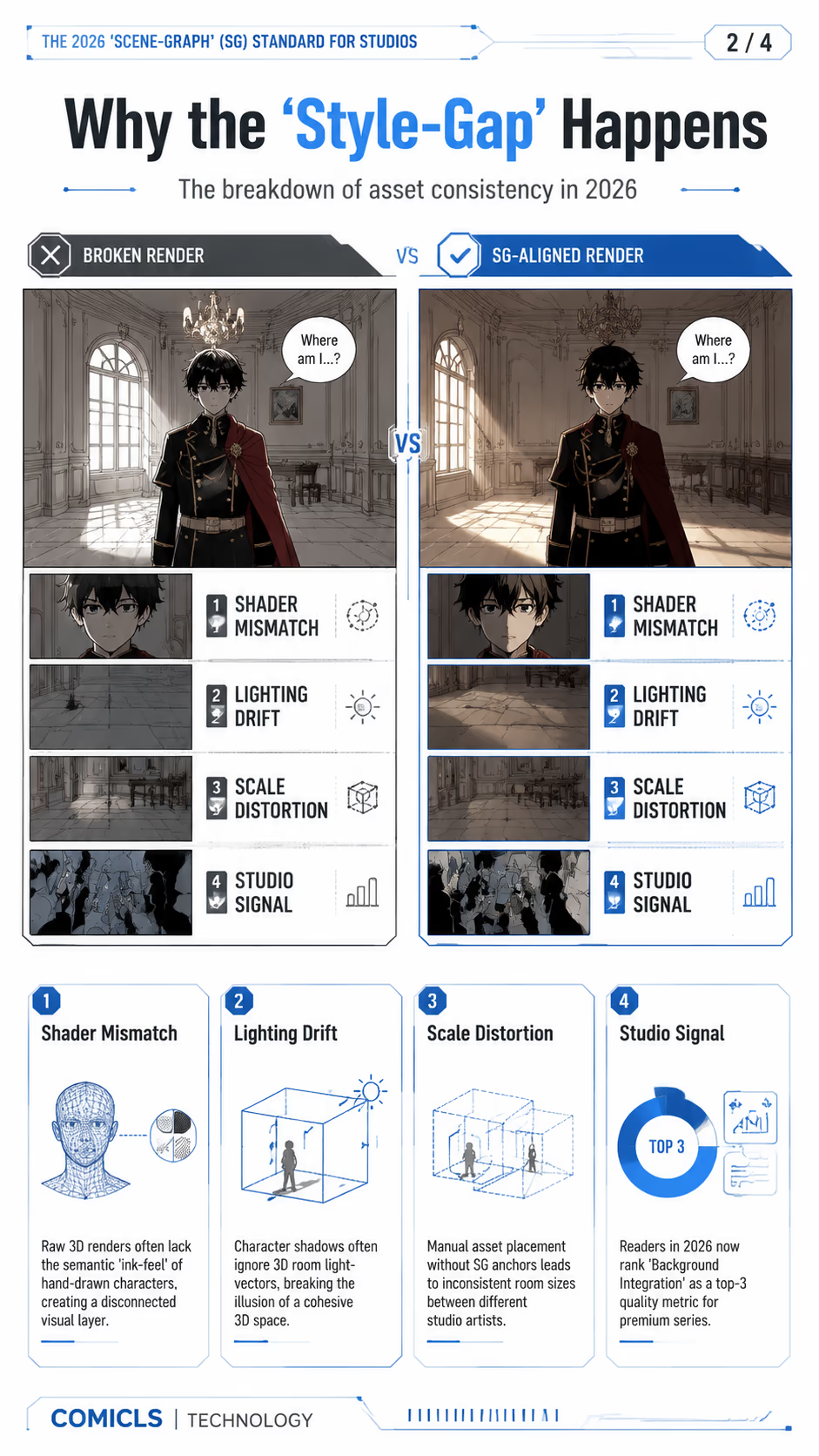
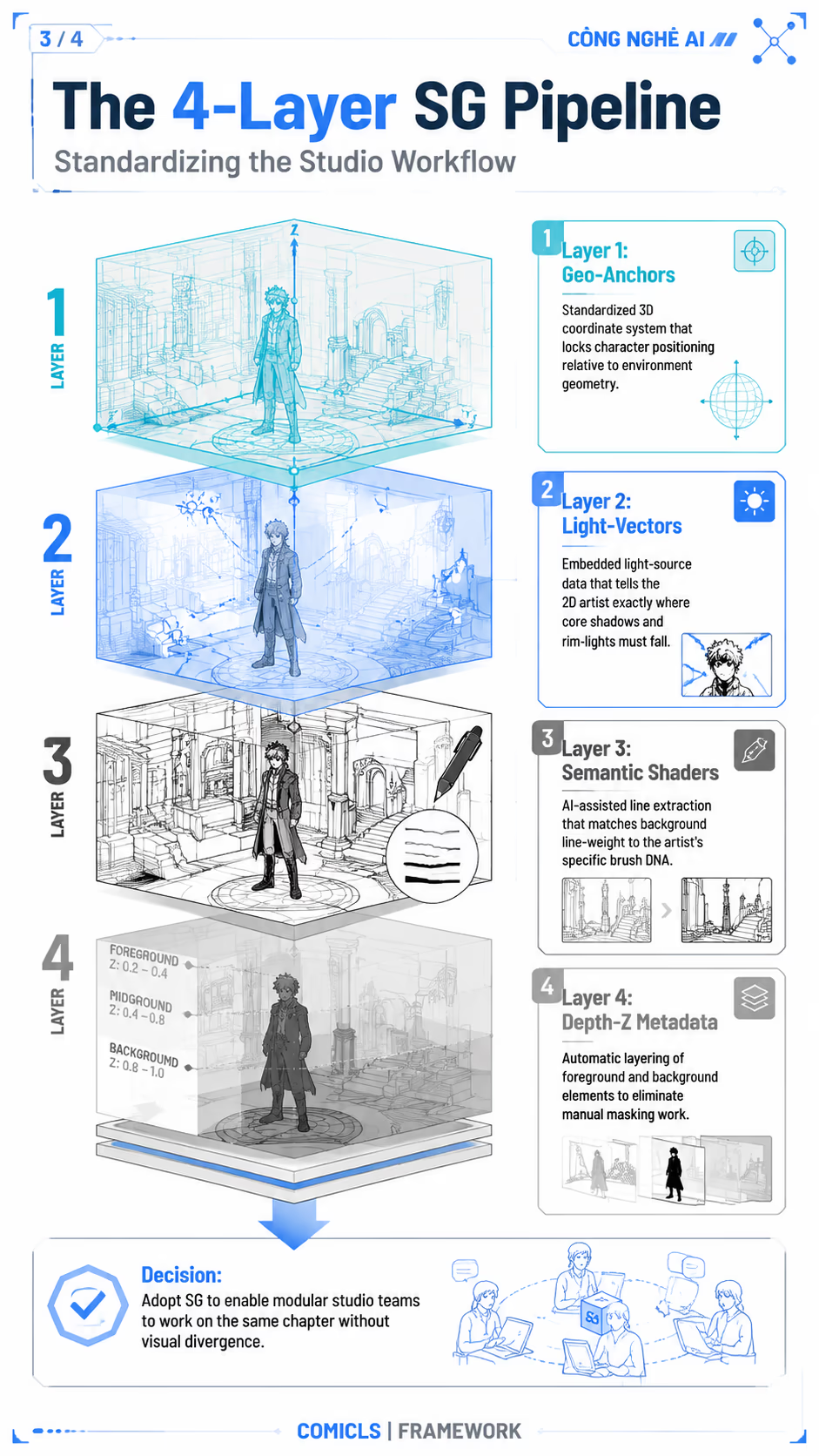
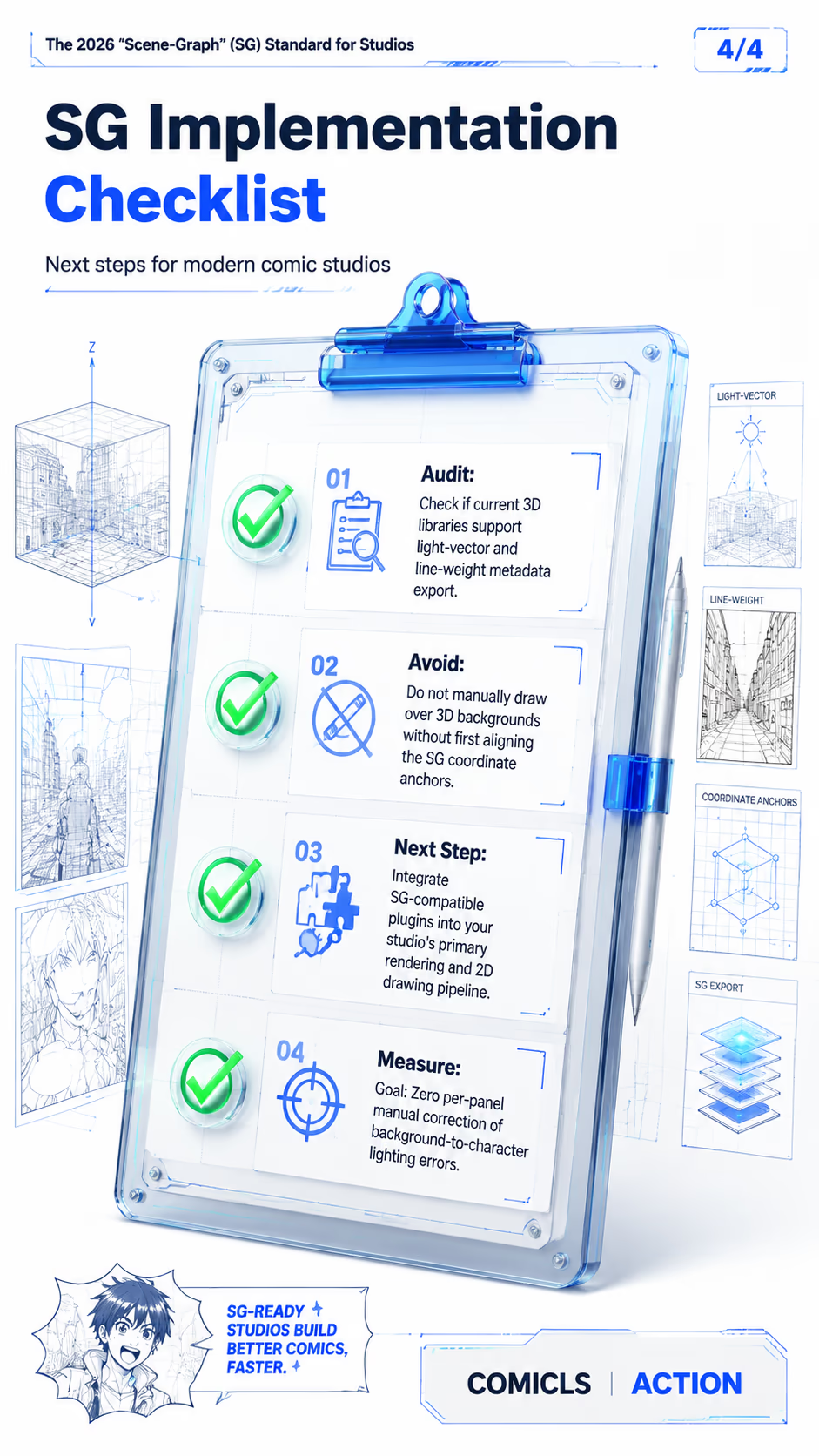
The 2026 Scene-Graph (SG) Standard represents a critical evolution in how comic studios bridge the gap between 3D efficiency and 2D artistry. As readers become more discerning regarding visual immersion, the traditional method of simply flattening 3D backgrounds for manual over-painting is no longer sufficient for high-tier production. This article explores how the SG framework synchronizes technical metadata across the entire production pipeline.
- Page 1 introduces the SG Standard as the solution to 3D-to-2D visual 'drift' in modern studios.
- Page 2 analyzes why the 'Style-Gap' occurs, focusing on lighting drift and shader mismatch.
- Page 3 outlines the 4-layer technical pipeline for integrating geometry, lighting, and semantic shaders.
- Page 4 provides a practical implementation checklist to eliminate manual background correction.
FAQ
What is the SG Standard in webtoon production?
It is a technical framework that uses metadata to ensure 3D backgrounds and 2D characters share the same lighting, line-weight, and scale data.
How does the SG Standard reduce comic production time?
By automating line-weight matching and lighting-vector alignment, it reduces manual background over-painting by up to 70%.