Comics news and insights for your local market
Follow webtoon, manga, manhwa, AI comic, creator economy, and storytelling trends curated for each region.
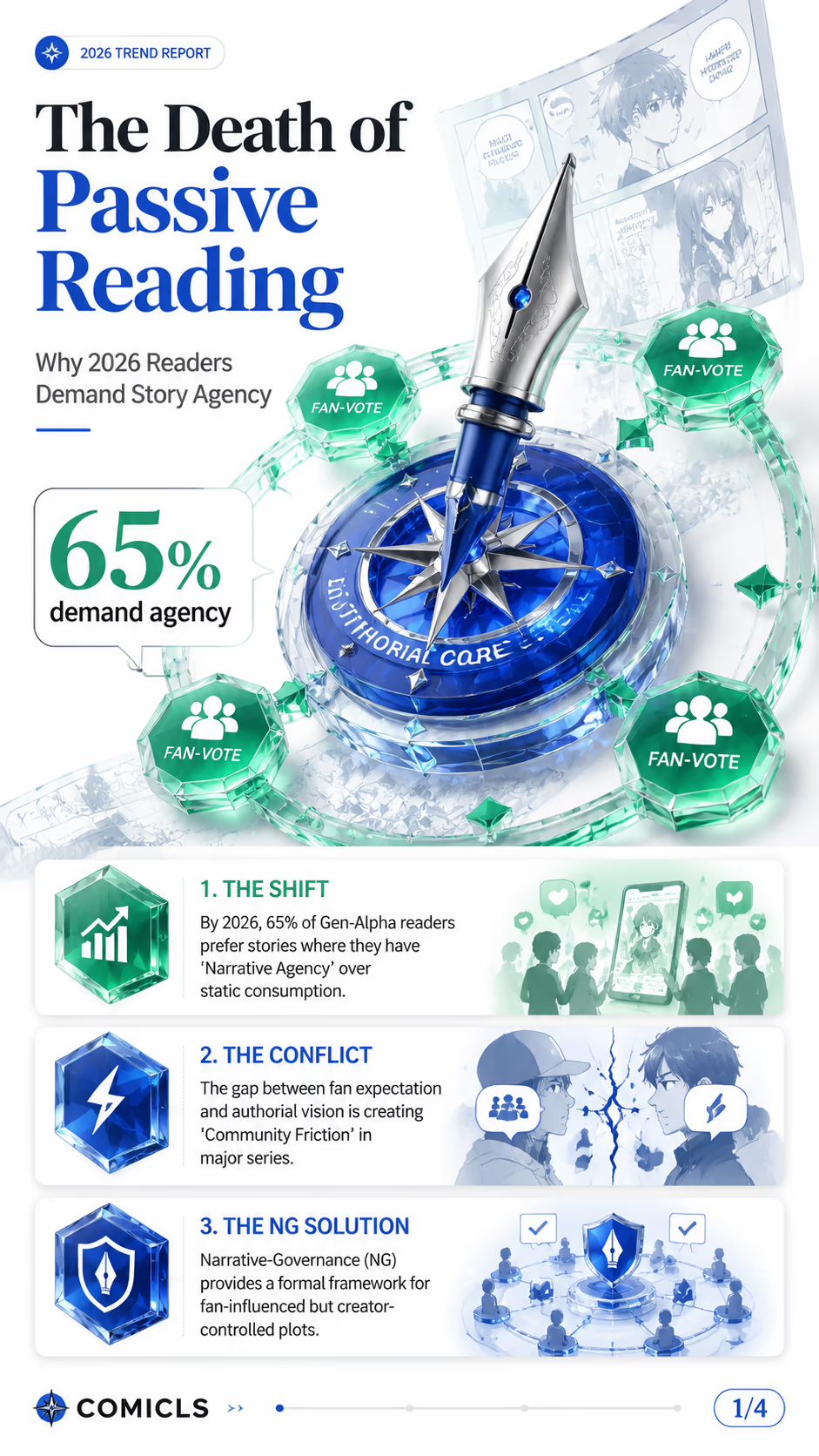
The 2026 ‘Narrative-Governance’ (NG) Standard
Discover how the 2026 Narrative-Governance (NG) Standard allows readers to influence plot directions without compromising a creator's original vision.
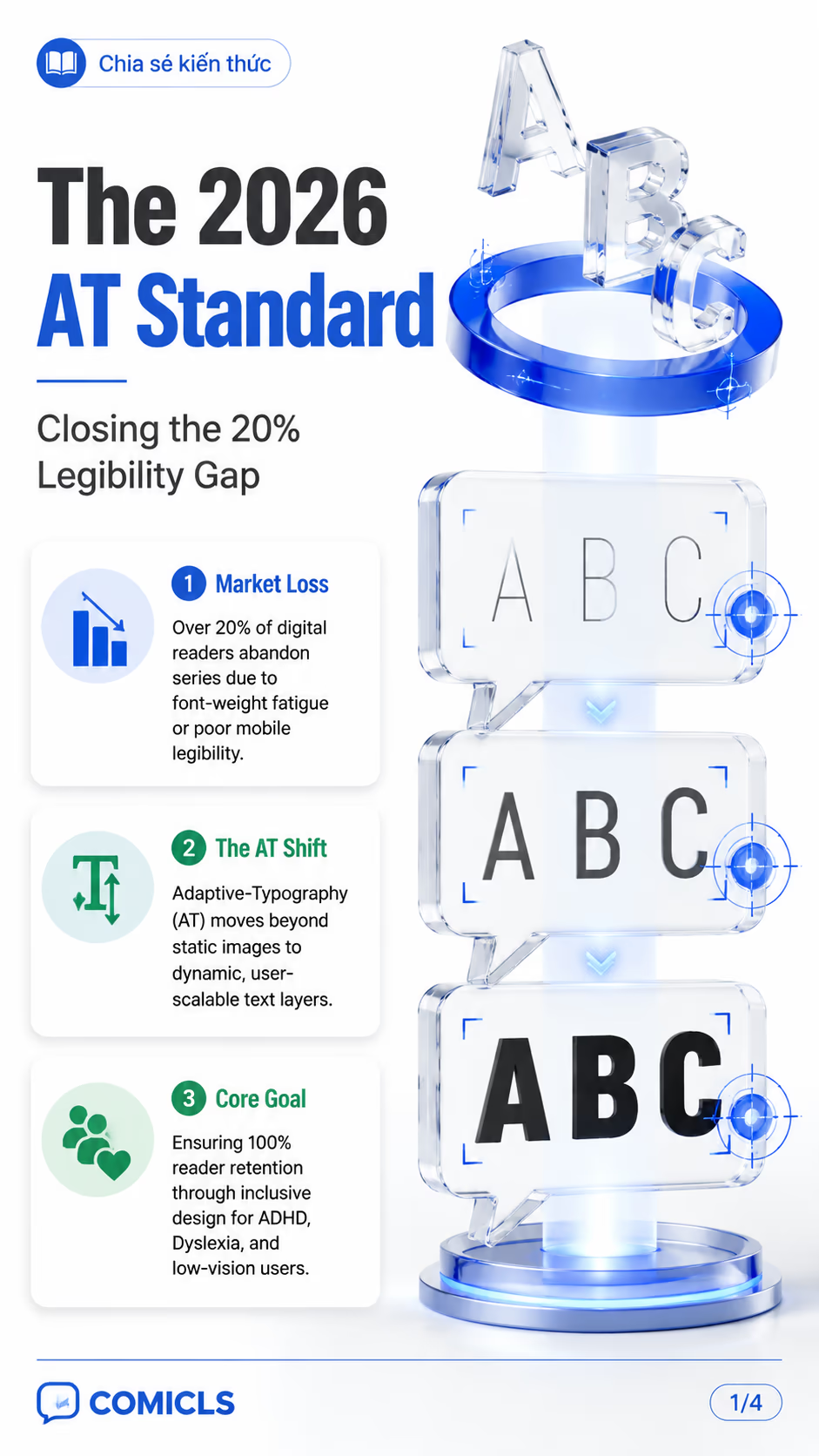
Why the 2026 AT Standard is Essential for Webtoon Accessibility
Discover the 2026 AT Standard: a new framework for adaptive typography that ensures webtoons are accessible to neurodivergent readers and mobile-first audiences.
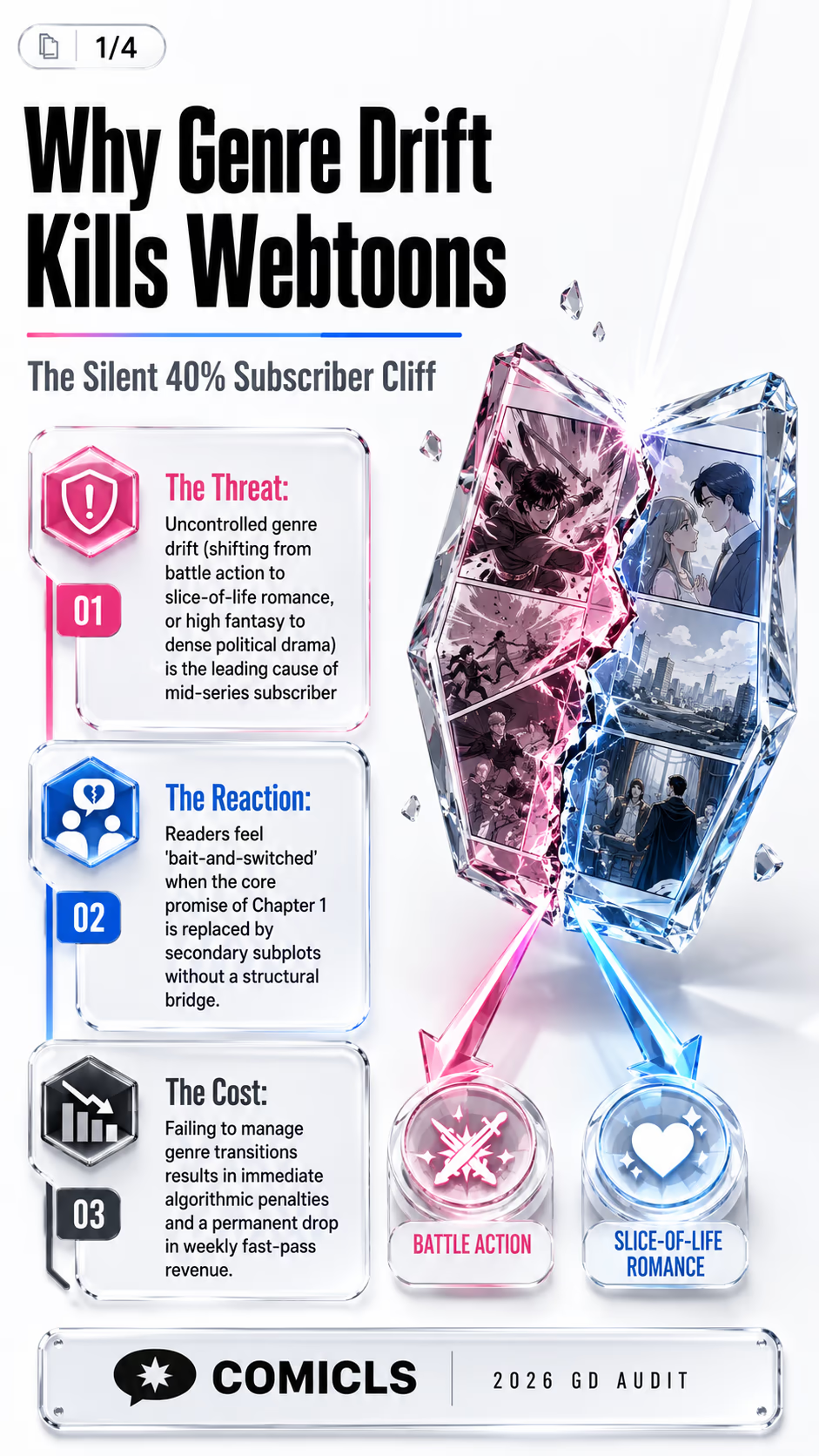
Why Genre Drift Kills Webtoons: The 2026 GD Audit
When long-form series shift from action to romance or fantasy to politics, reader churn spikes. Master the 2026 GD Audit to transition genres safely.
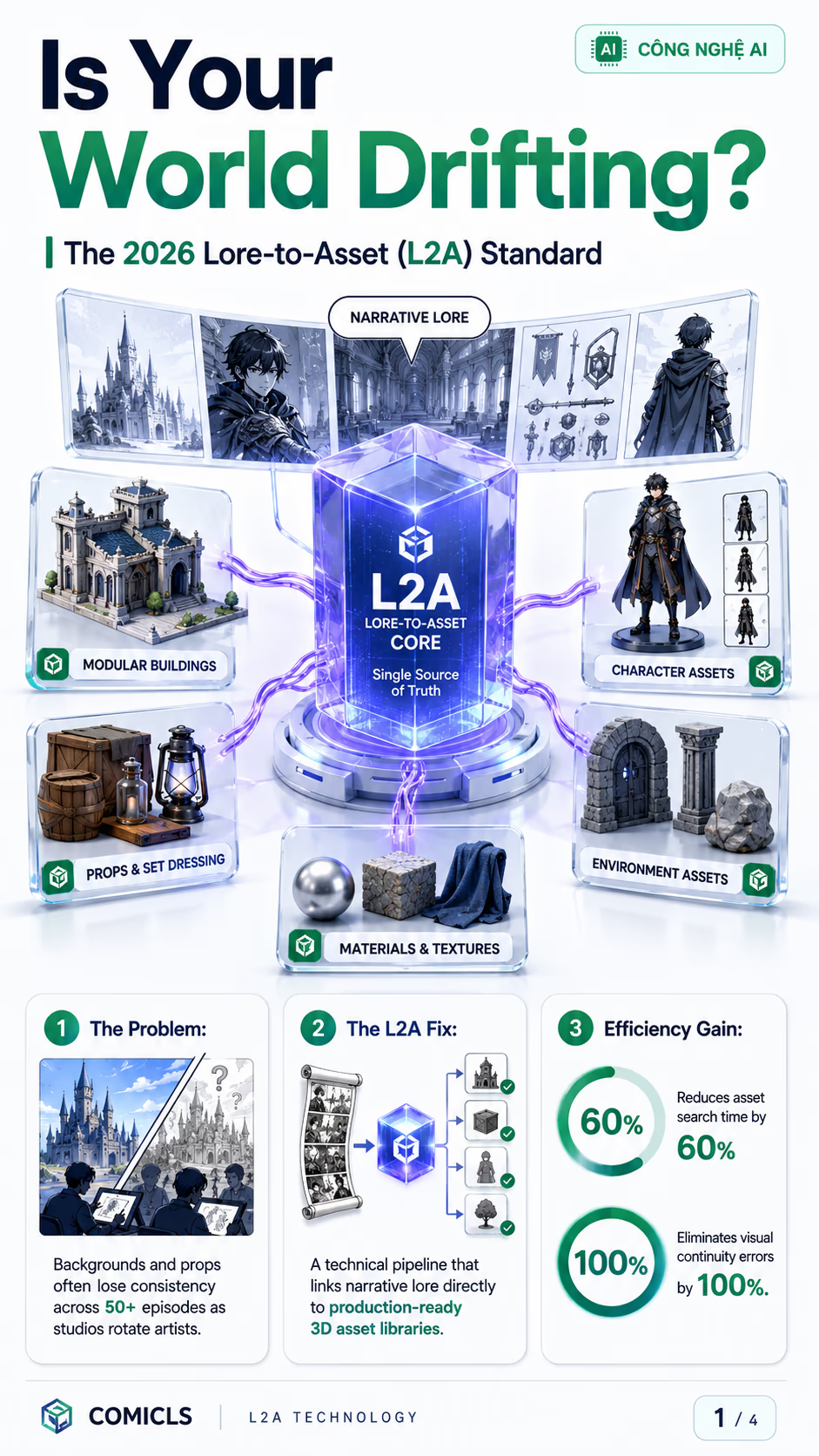
Does Your Lore Scale? The 2026 L2A Tech Standard
Discover the 2026 L2A standard for linking narrative lore to production-ready 3D assets. Solve background drift and boost studio efficiency by 40%.
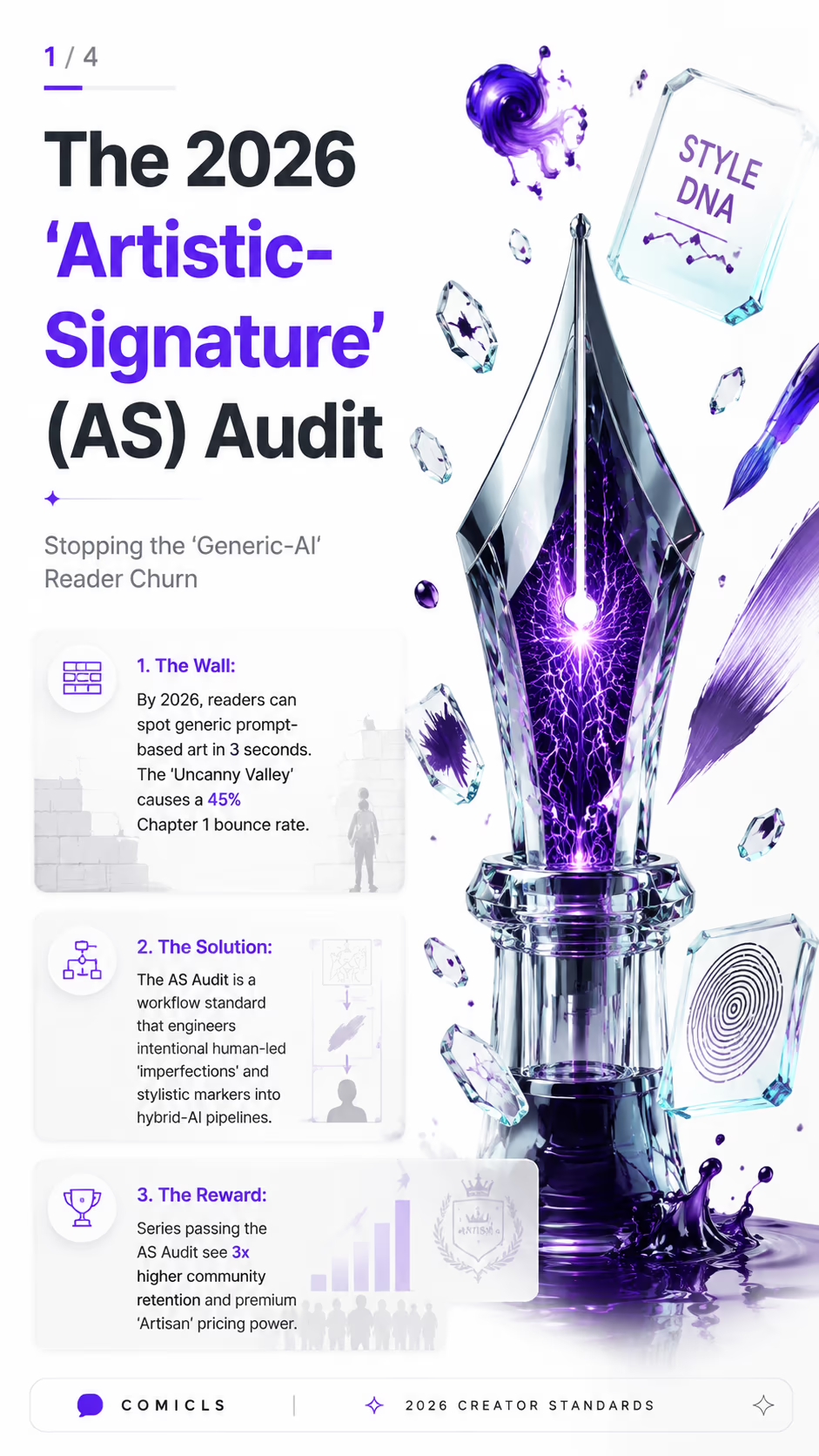
The 2026 ‘Artistic-Signature’ (AS) Audit: Fixing the AI-Uncanny Valley
Discover the 2026 AS Audit—a strategic framework for creators to engineer 'human-signature' markers into their webtoons and manga to bypass reader AI-fatigue.
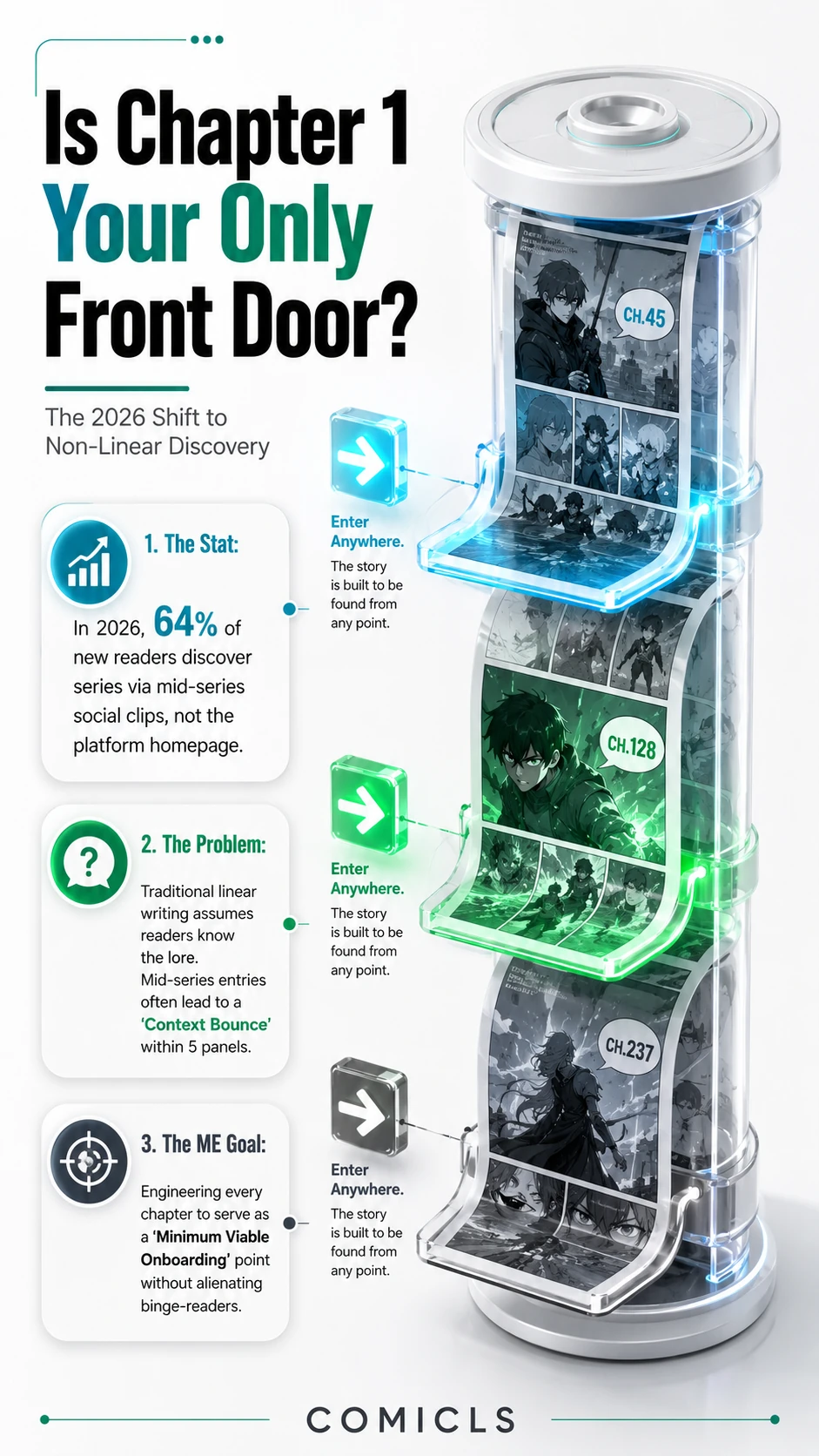
Does Your Webtoon Pass the 'Multi-Entry' (ME) Test?
In 2026, readers no longer start exclusively at Chapter 1. Discover the Multi-Entry (ME) Standard to turn every chapter into a high-conversion 'front door' for your series.
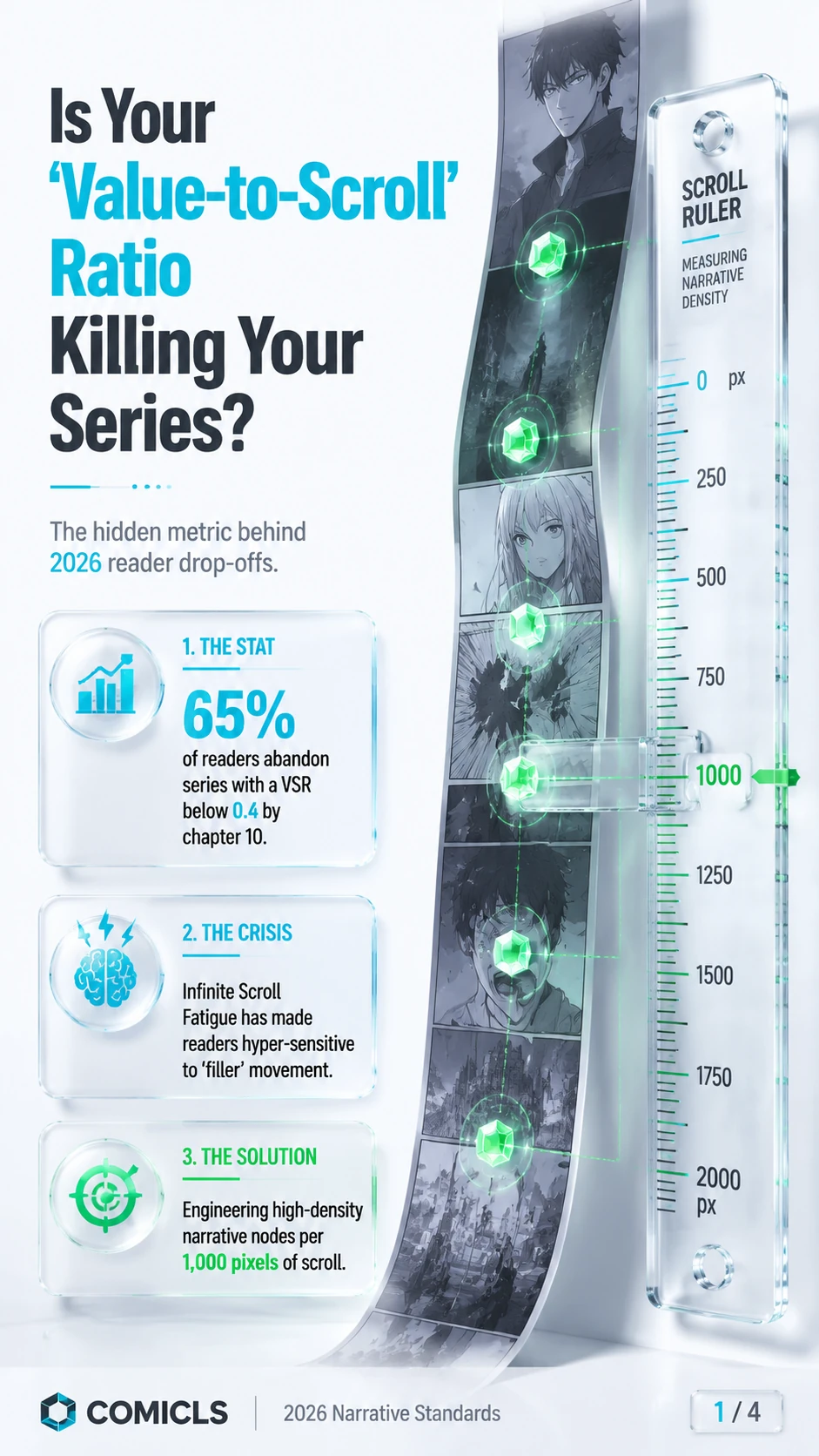
Fixing the 'Value-to-Scroll' Ratio in Your Webtoon
In 2026, 'Infinite Scroll Fatigue' is the leading cause of series abandonment. Learn how the Value-to-Scroll (VSR) metric helps creators engineer high-retention chapters.
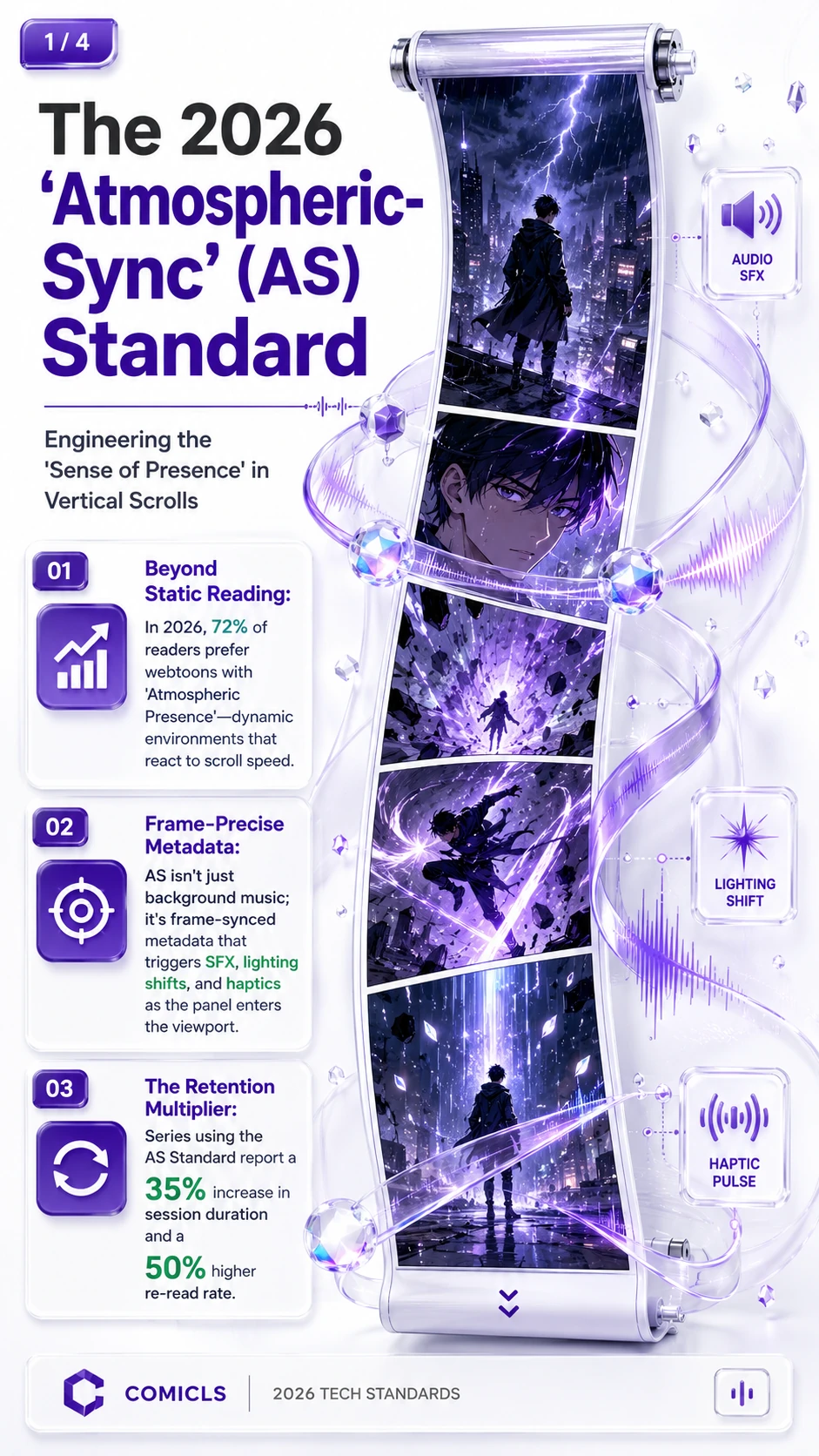
The 2026 ‘Atmospheric-Sync’ (AS) Standard: Engineering Immersive Audio
Master the 2026 AS Standard to bridge the gap between static panels and cinematic immersion. Learn to engineer frame-precise audio-visual metadata for vertical scroll comics.
Knowledge
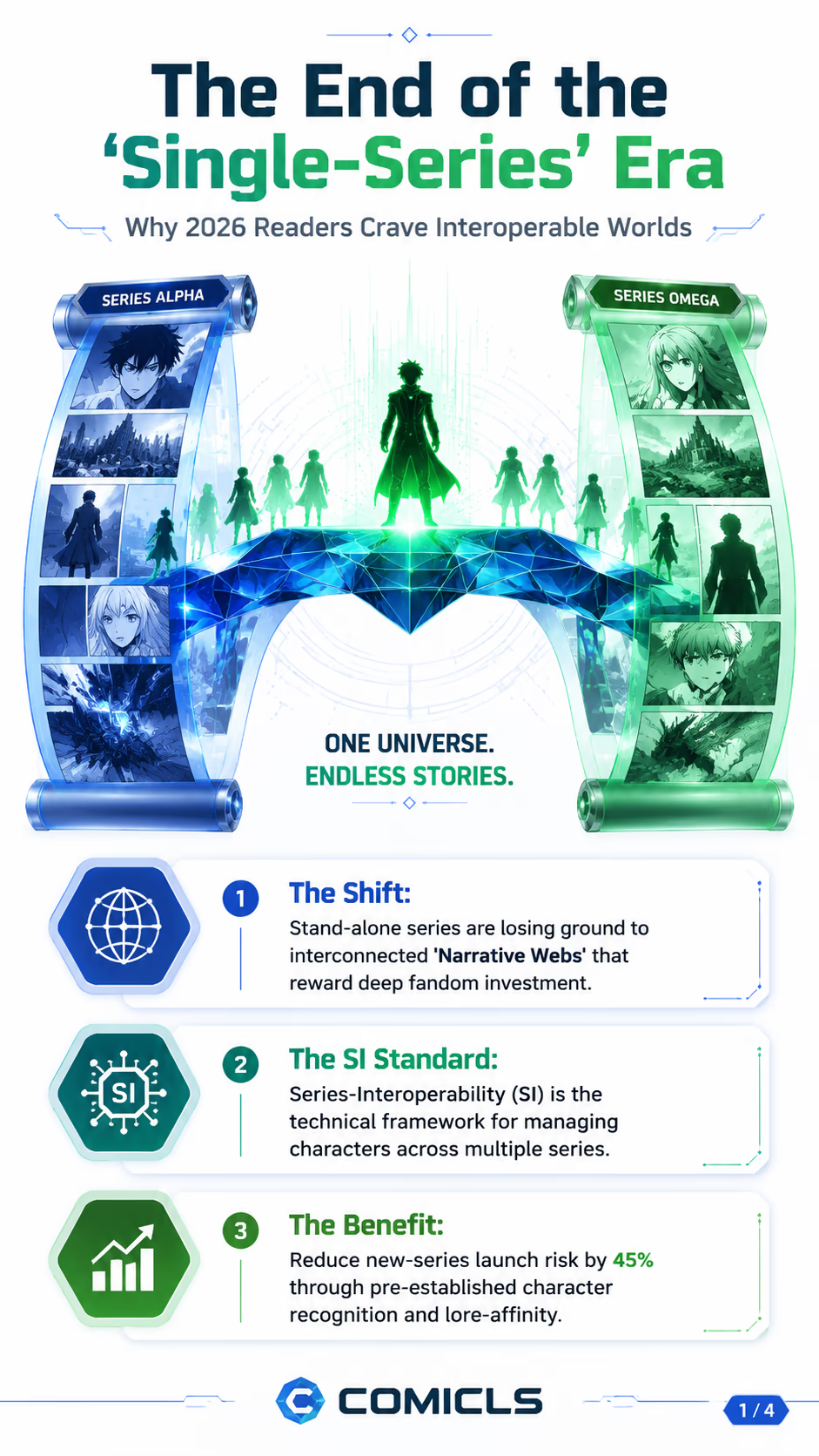
Mastering the 2026 ‘Series-Interoperability’ (SI) Standard
In 2026, the most successful studios are moving from single-series hits to interconnected 'Series-Interoperable' universes. Learn the SI Standard to manage character portability and lore synchronization.
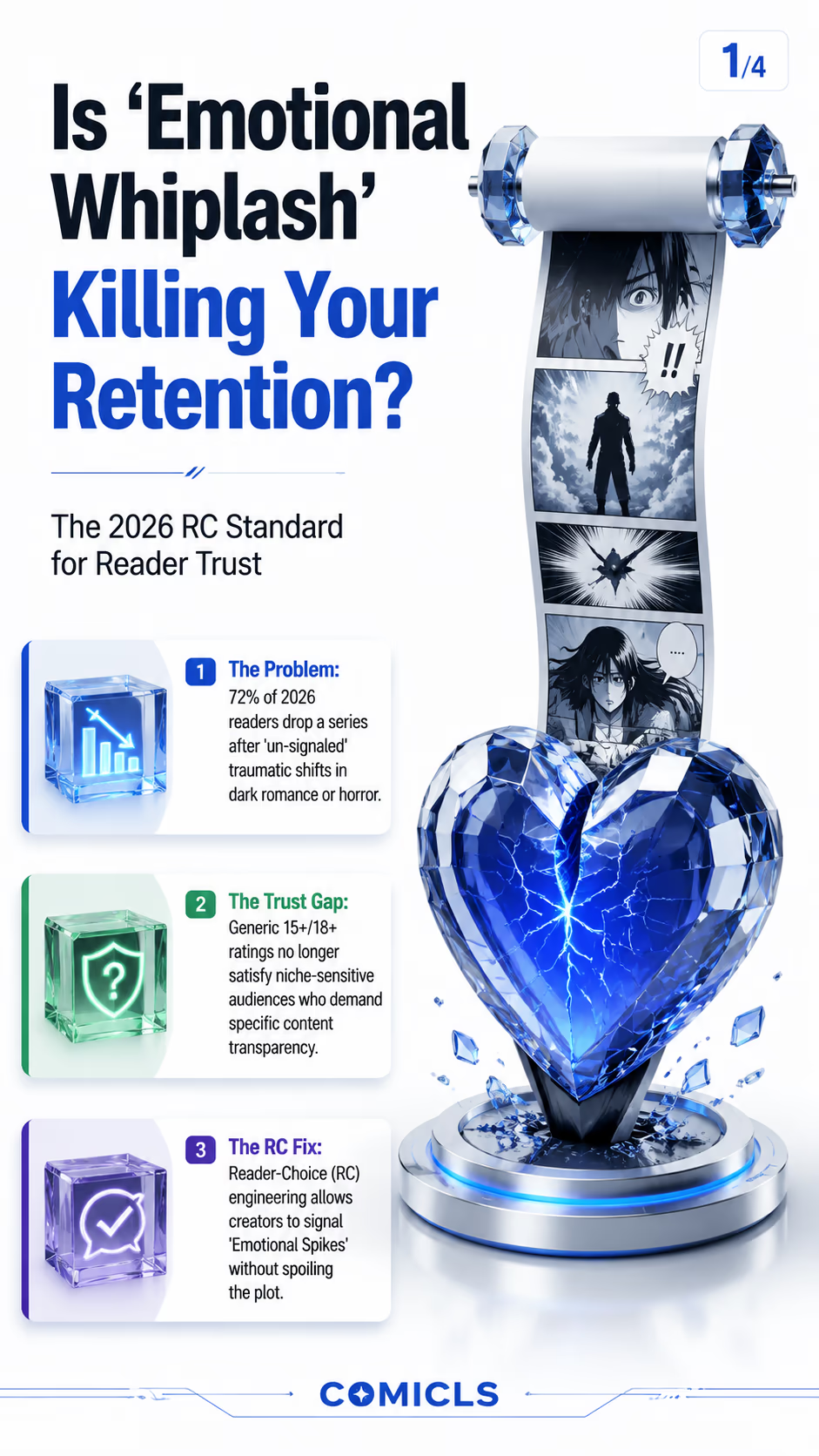
Fixing Reader Drop-off: The 2026 RC Safety Standard
Discover how the 2026 Reader-Choice (RC) Standard uses non-spoiler content labeling to prevent 'emotional whiplash' and keep readers engaged.
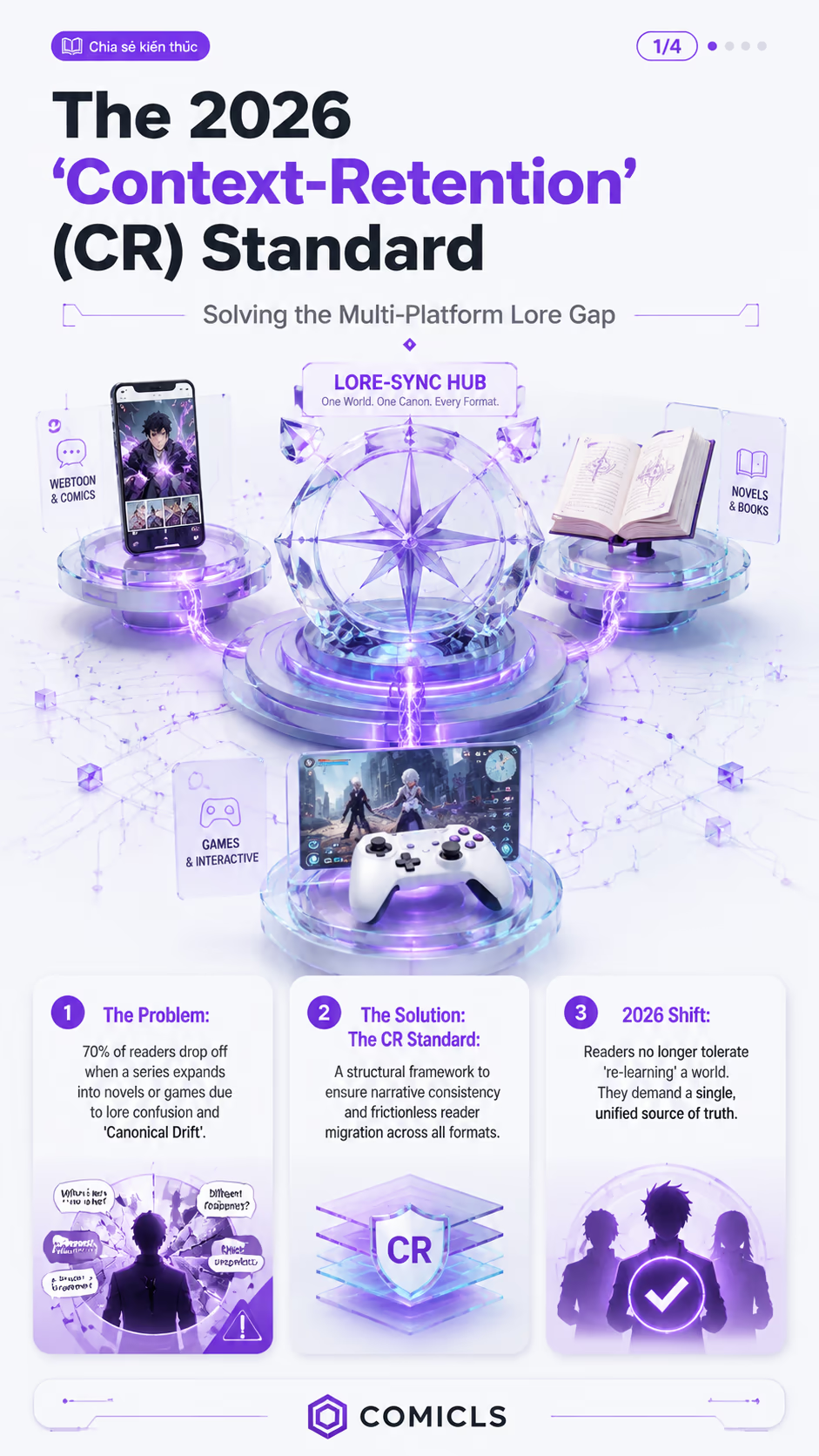
Mastering the 2026 ‘Context-Retention’ (CR) Standard
Learn how the 2026 CR Standard solves lore fragmentation in multi-platform franchises. Synchronize story data across webtoons, novels, and games to retain the 'transmedia reader'.
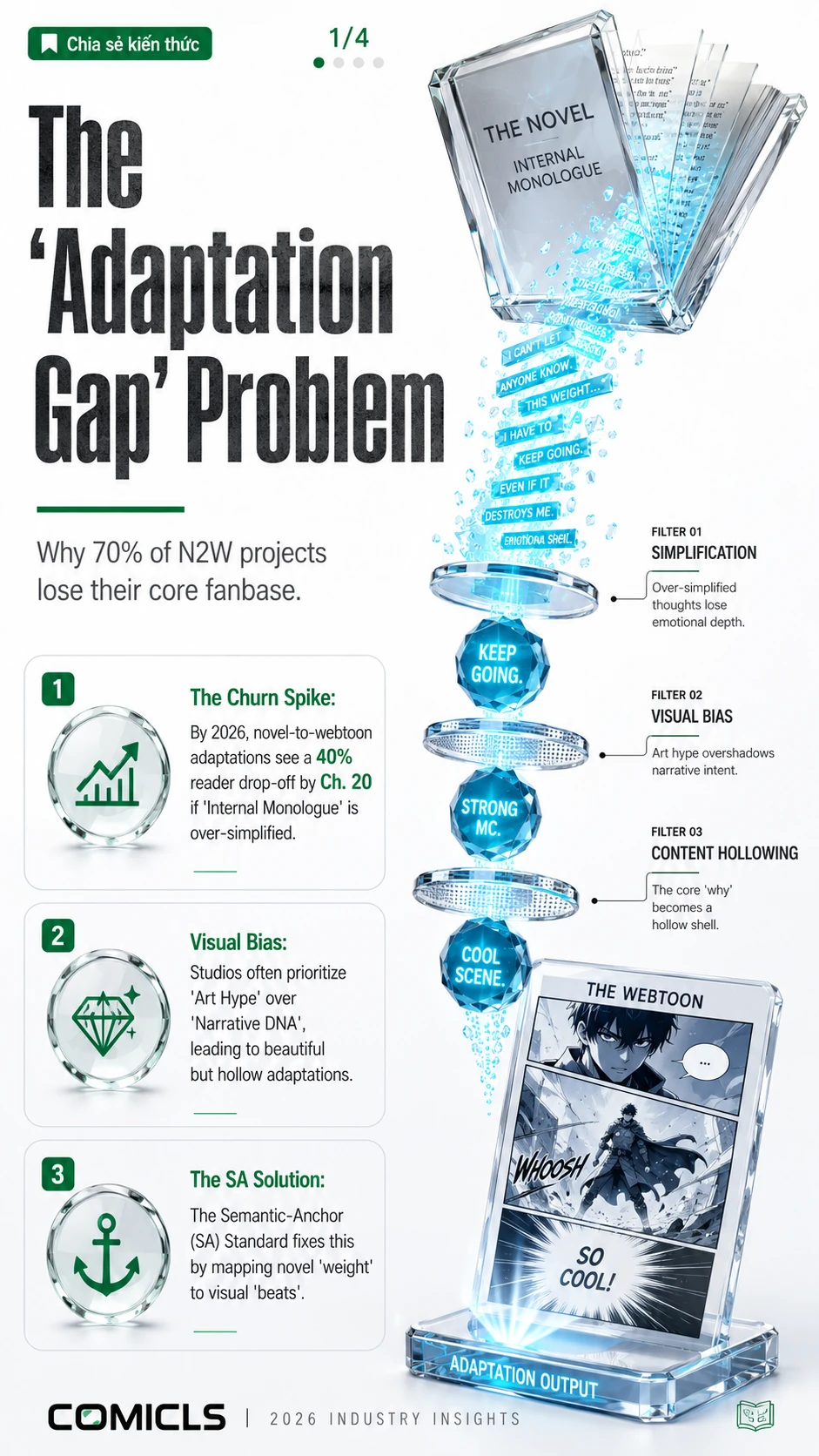
Stopping the 'Adaptation Gap': The 2026 SA Standard
Discover why high-budget novel-to-webtoon adaptations fail and how the 2026 Semantic-Anchor (SA) Standard preserves narrative depth.
Latest
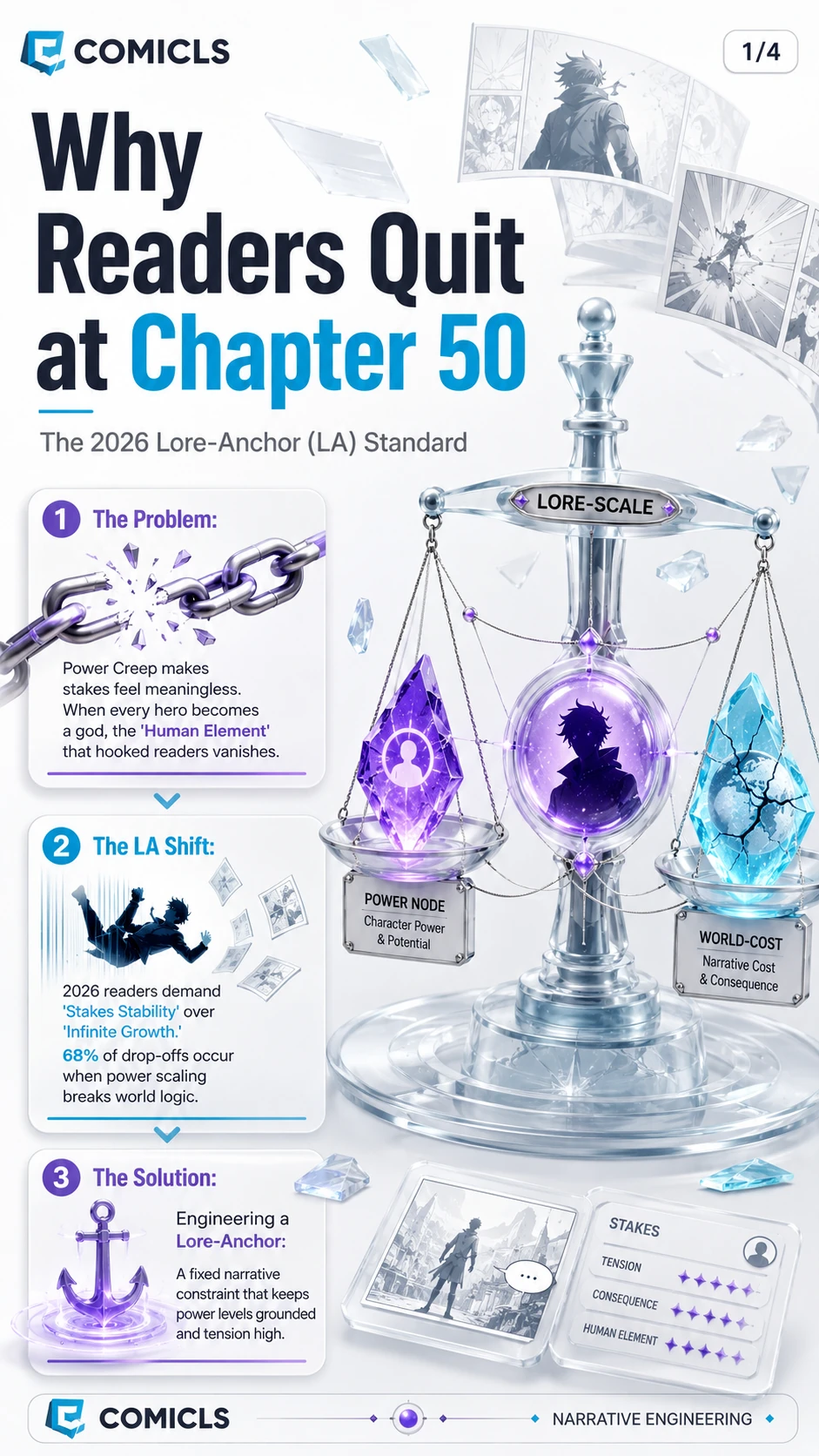
Stopping Power Creep: The 2026 Lore-Anchor (LA) Standard
Discover how the 2026 Lore-Anchor (LA) Standard prevents narrative drift by tethering character growth to world-building constraints. Learn to stabilize power scaling and keep readers invested for 100+ chapters.
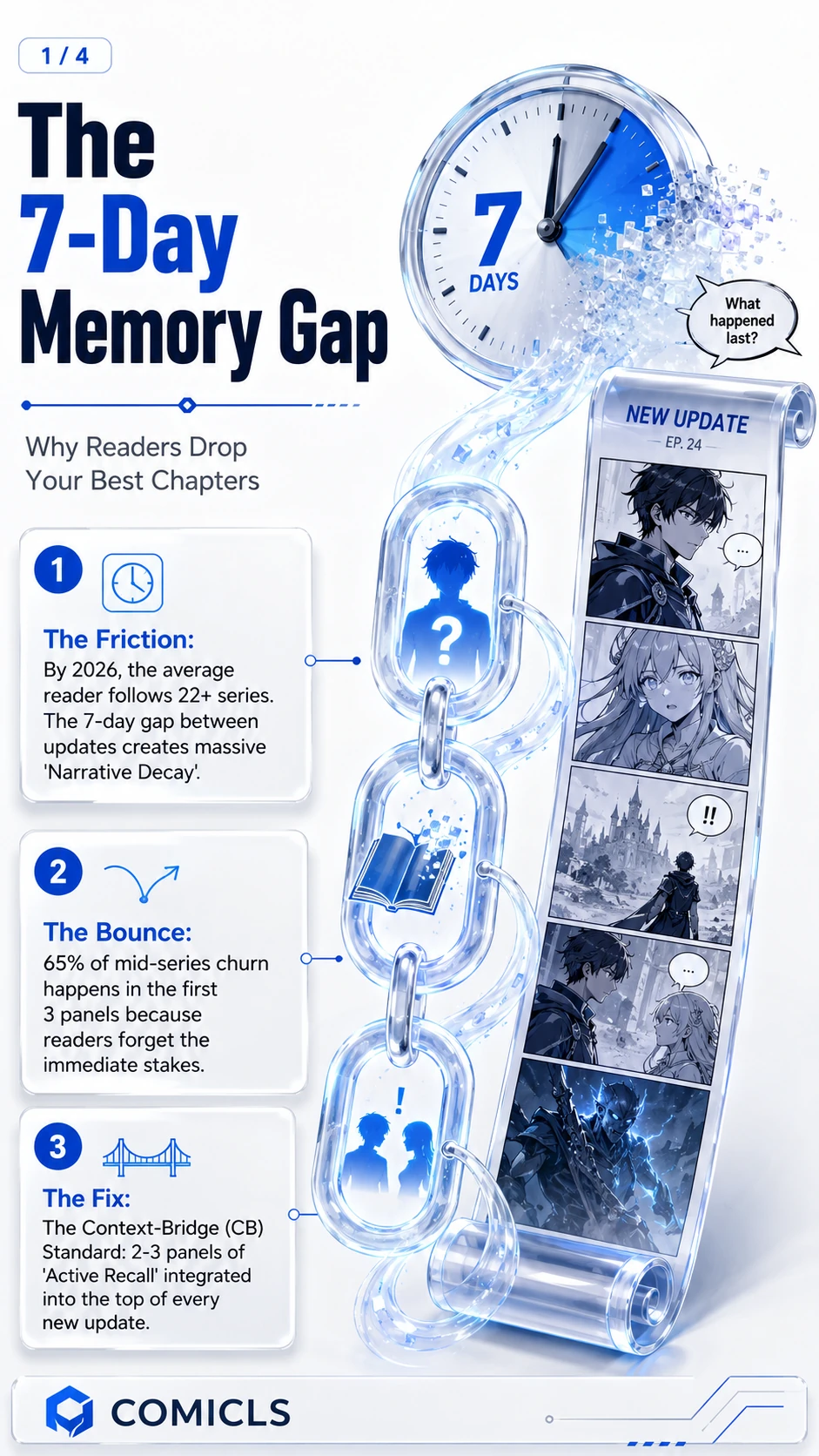
How Context-Bridges (CB) Stop Mid-Series Webtoon Churn
Readers in 2026 follow an average of 22 series simultaneously, leading to massive memory decay. The Context-Bridge (CB) standard fixes the 'Inter-Chapter Gap' to boost retention.
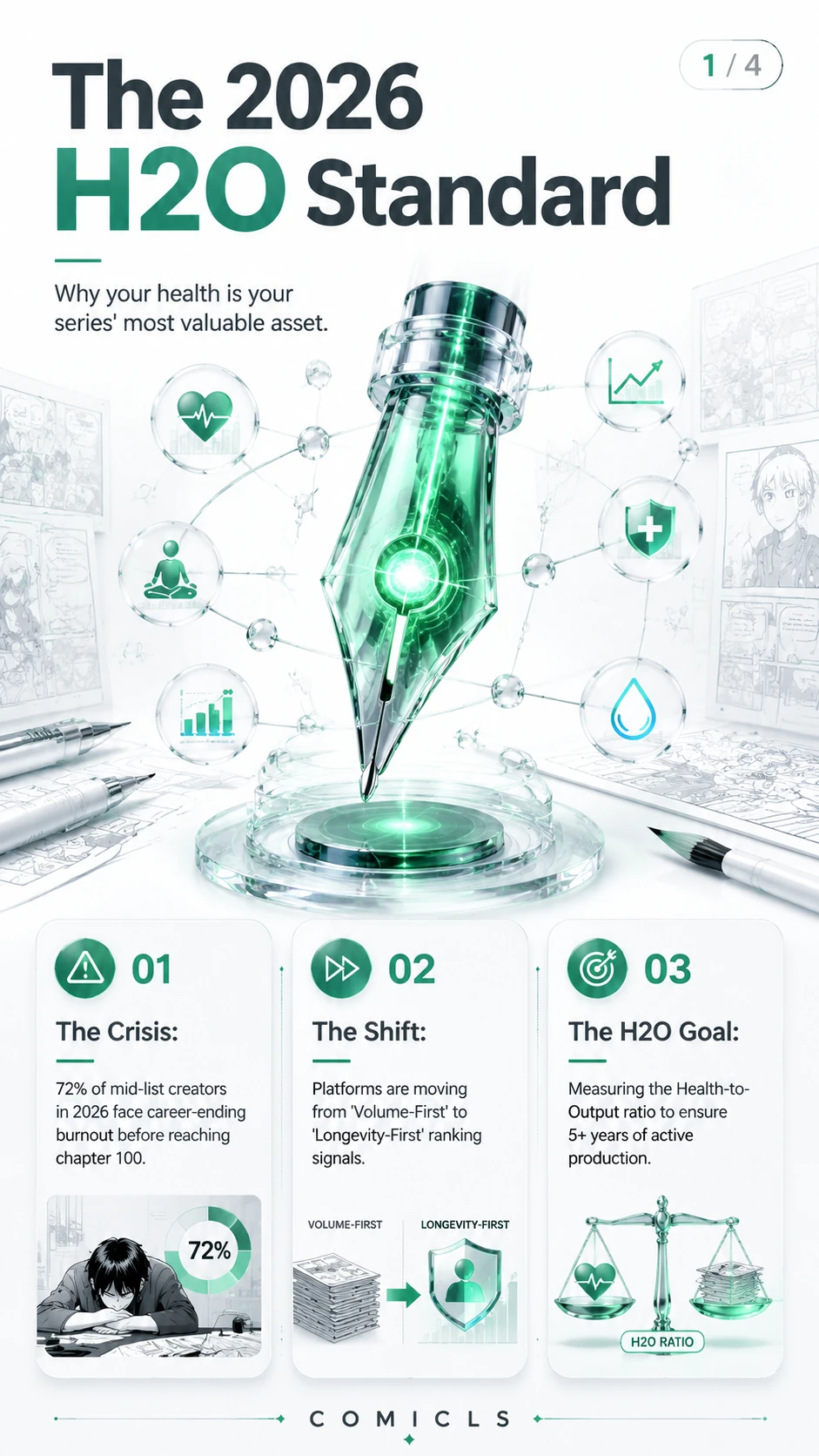
Is Your Workflow Sustainable? The 2026 H2O Standard
In 2026, creator longevity is the ultimate competitive advantage. Learn the H2O Standard to balance high-output demands with physical and mental health.
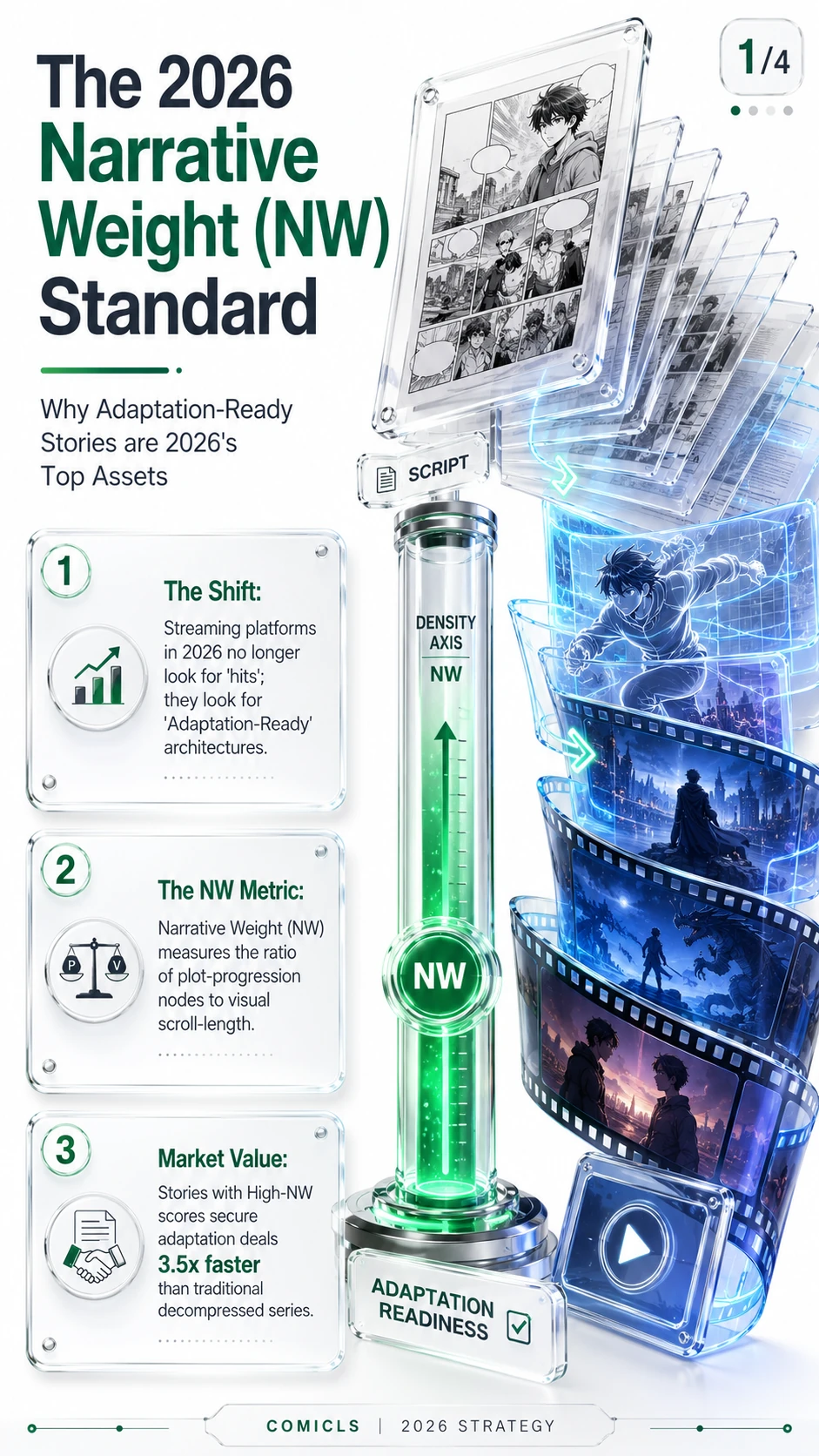
Is Your Story Adaptation-Ready? The 2026 NW Standard
Discover the 2026 Narrative Weight (NW) Standard. Learn how to engineer your story’s density to maximize its value for anime and film adaptation deals.
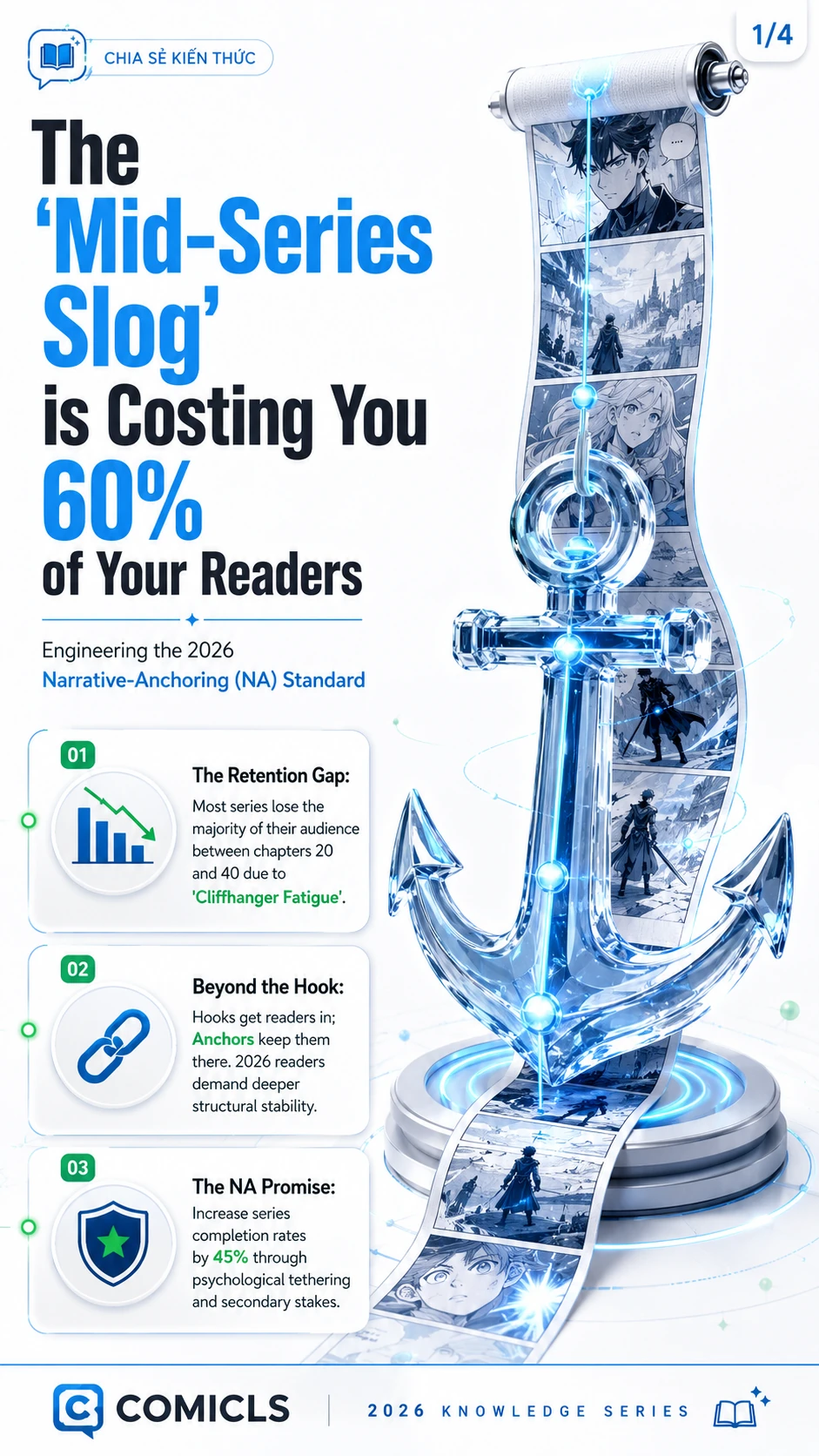
The 2026 ‘Narrative-Anchoring’ (NA) Standard: Solving the Mid-Series Drop
Discover how the 2026 Narrative-Anchoring (NA) Standard helps creators maintain high reader engagement deep into long-form series. Move beyond cliffhanger fatigue with structural anchors.

The 2026 ‘Narrative-Gravity’ (NG) Engineering Standard: Designing High-Velocity Hooks for the Instant-Gratification Reader Economy
Master the 2026 Narrative-Gravity (NG) framework to engineer webtoon hooks that survive the 3-second swipe culture. Learn to optimize first-chapter retention through data-driven storytelling.
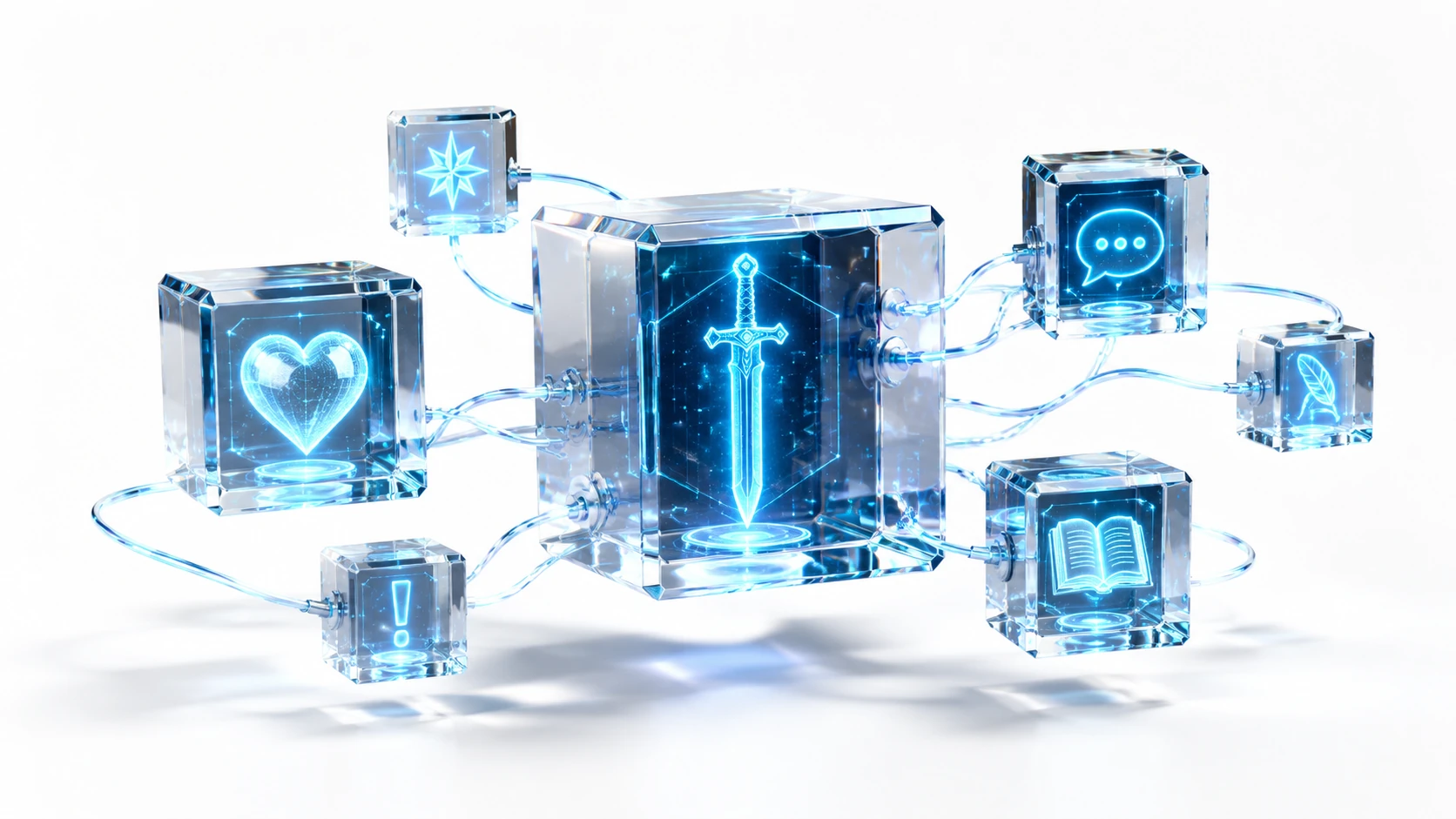
The 2026 ‘Narrative-Agility’ (NA) Engineering Standard: Designing Modular Webtoon IP for the Fragmented Attention Economy
In 2026, linear reading is no longer the default. The Narrative-Agility (NA) Standard provides a framework for engineering modular story units that maintain high retention across social snippets, AI summaries, and fragmented consumption habits.

The 2026 ‘Cross-Genre Synthesis’ (CGS) Framework: Engineering High-Retention Webtoon Hybrids for Fragmented Reader Demographics
In 2026, 'pure' genres are failing. Discover the CGS Framework for engineering high-retention narrative hybrids that dominate the fragmented webtoon market.
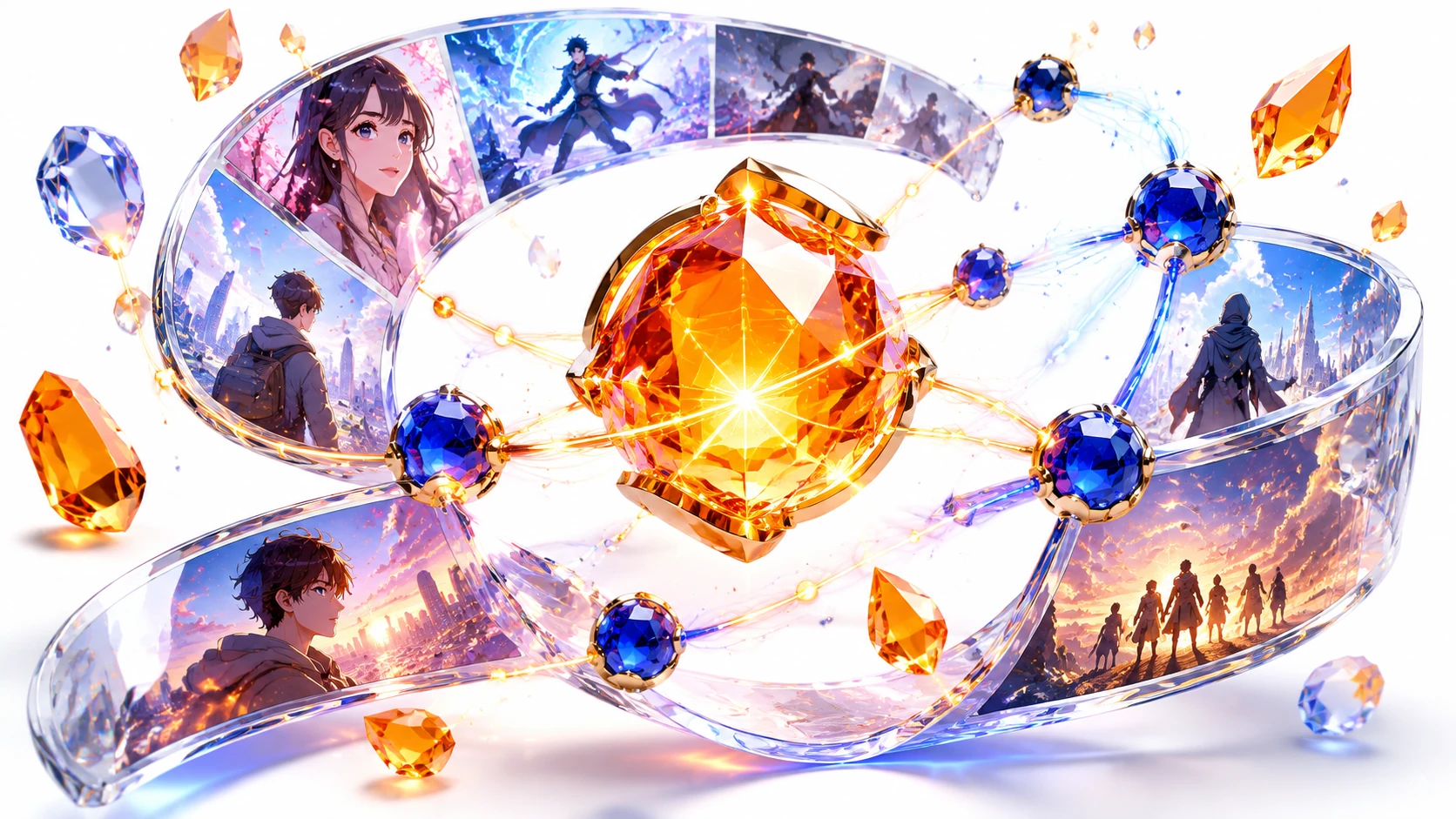
The 2026 ‘Sunk-Cost Engagement’ (SCE) Framework: Engineering Reader Investment for High-LTV Webtoon Conversion
In 2026, raw impressions are no longer the primary driver of comic revenue. The Sunk-Cost Engagement (SCE) Framework provides a blueprint for engineering deep reader investment through time, emotion, and social equity.

The 2026 ‘Cognitive-Empathy’ (CE) Engineering Standard: Designing Webtoon Characters for Deep Parasocial Connection in the Post-Bot Content Era
In an era of AI-generated content saturation, the 2026 Cognitive-Empathy (CE) Standard provides a framework for engineering characters that trigger deep, human-centric parasocial bonds.
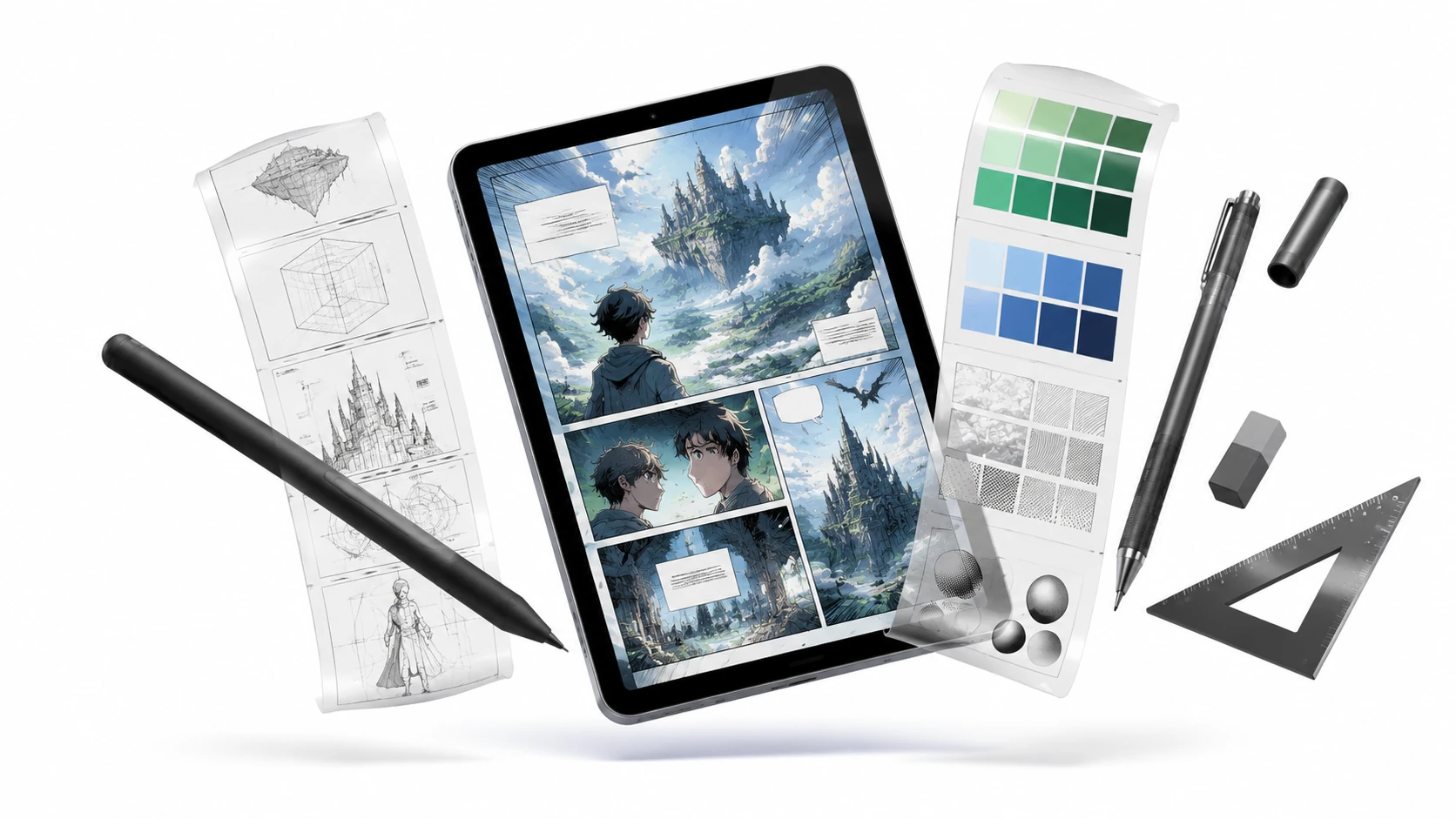
The 2026 ‘Narrative-Utility’ (NU) Protocol: Engineering Webtoon IP for Procedural, Educational, and B2B Consumption Markets
In 2026, the vertical scroll format has transcended entertainment. The Narrative-Utility (NU) Protocol provides the engineering framework for converting complex procedural data into high-retention comic-based information systems.
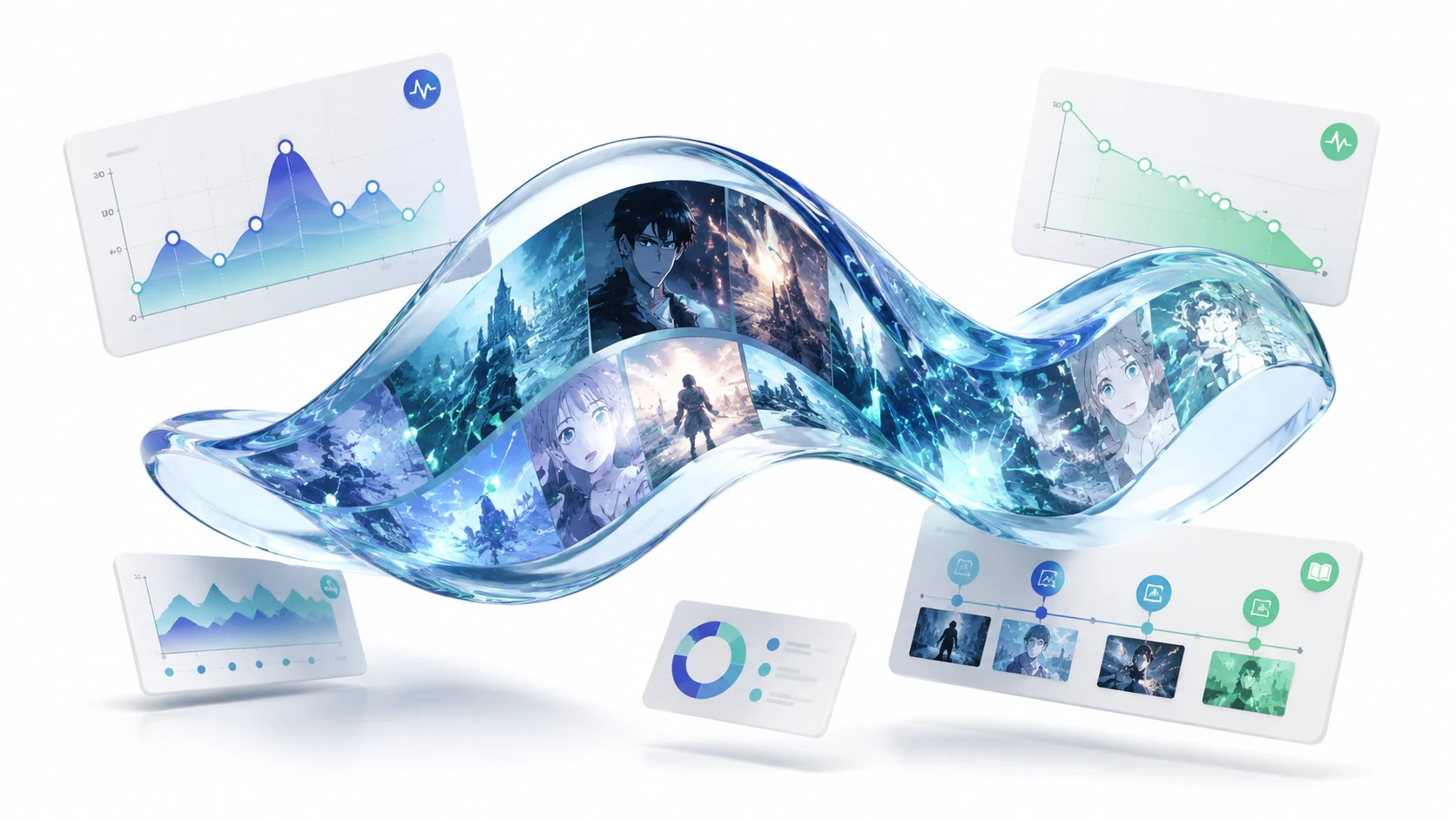
The 2026 ‘Attentional-Elasticity’ (AE) Framework: Engineering High-Retention Webtoons for the Post-Scrolling Fatigue Era
In 2026, infinite scrolling has reached a psychological breaking point. The Attentional-Elasticity (AE) Framework provides a blueprint for engineering narratives that expand and contract based on reader energy.
The 2026 ‘Neuro-Narrative’ Design Standard: Engineering Webtoons for Cognitive Retention in the Post-Distraction Era
Discover the 2026 framework for engineering webtoons that synchronize with reader brain chemistry. Move beyond simple cliffhangers to master deep cognitive retention and narrative resonance.
The 2026 ‘Narrative-Sentiment’ Optimization (NSO) Framework: Engineering Webtoons for the Wellness-First Reader Economy
Discover how the 2026 NSO Framework is transforming webtoon production by prioritizing reader emotional regulation and digital wellness over traditional 'anxiety-hook' pacing.
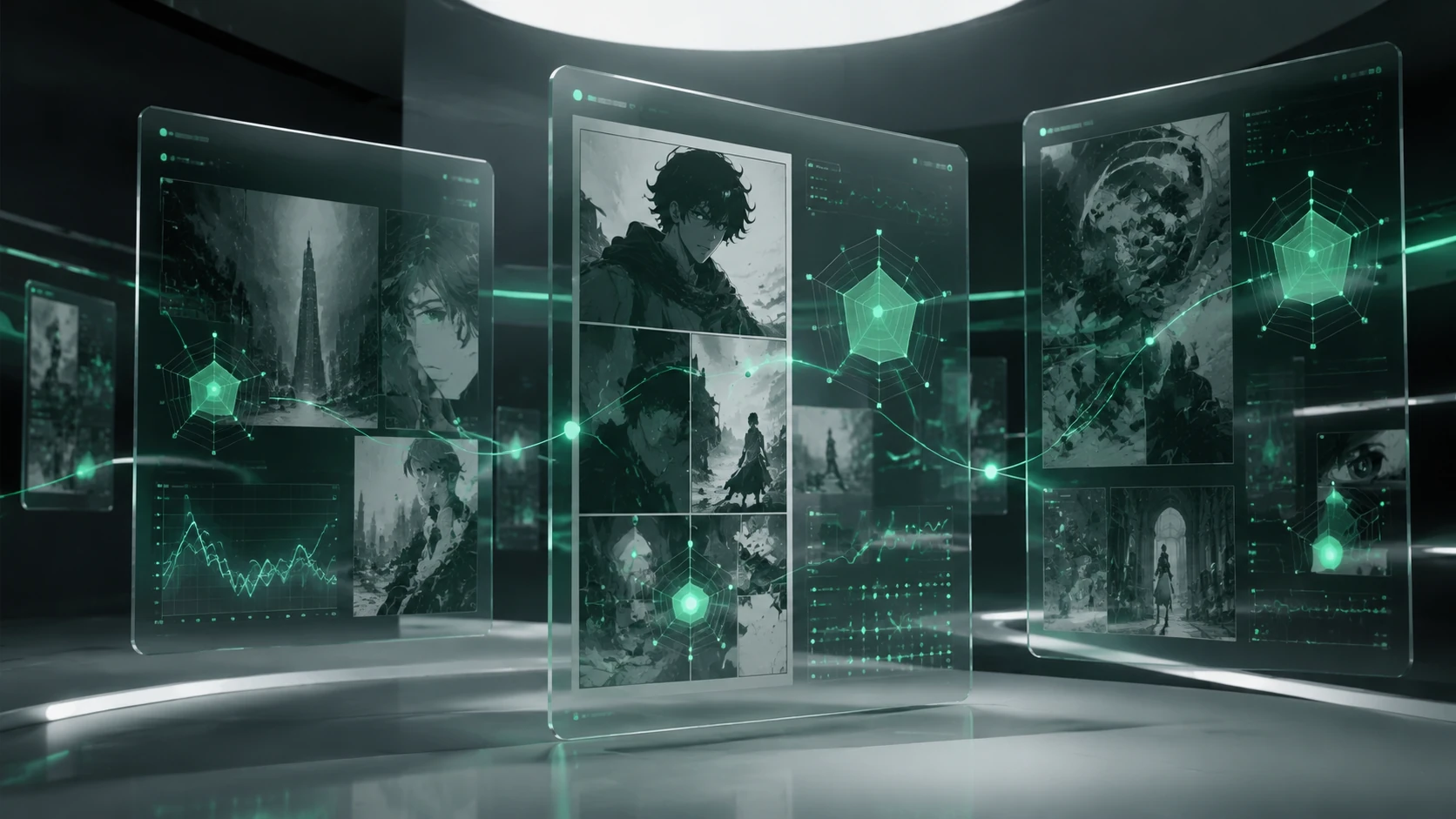
The 2026 ‘Reader-Identity’ Mapping (RIM) Framework: Engineering Webtoon Narratives for Hyper-Personalized AI Discovery
Move beyond generic genre tags. The 2026 RIM framework allows creators to engineer stories for specific psychographic reader profiles, ensuring 1:1 discovery in the AI-native search era.
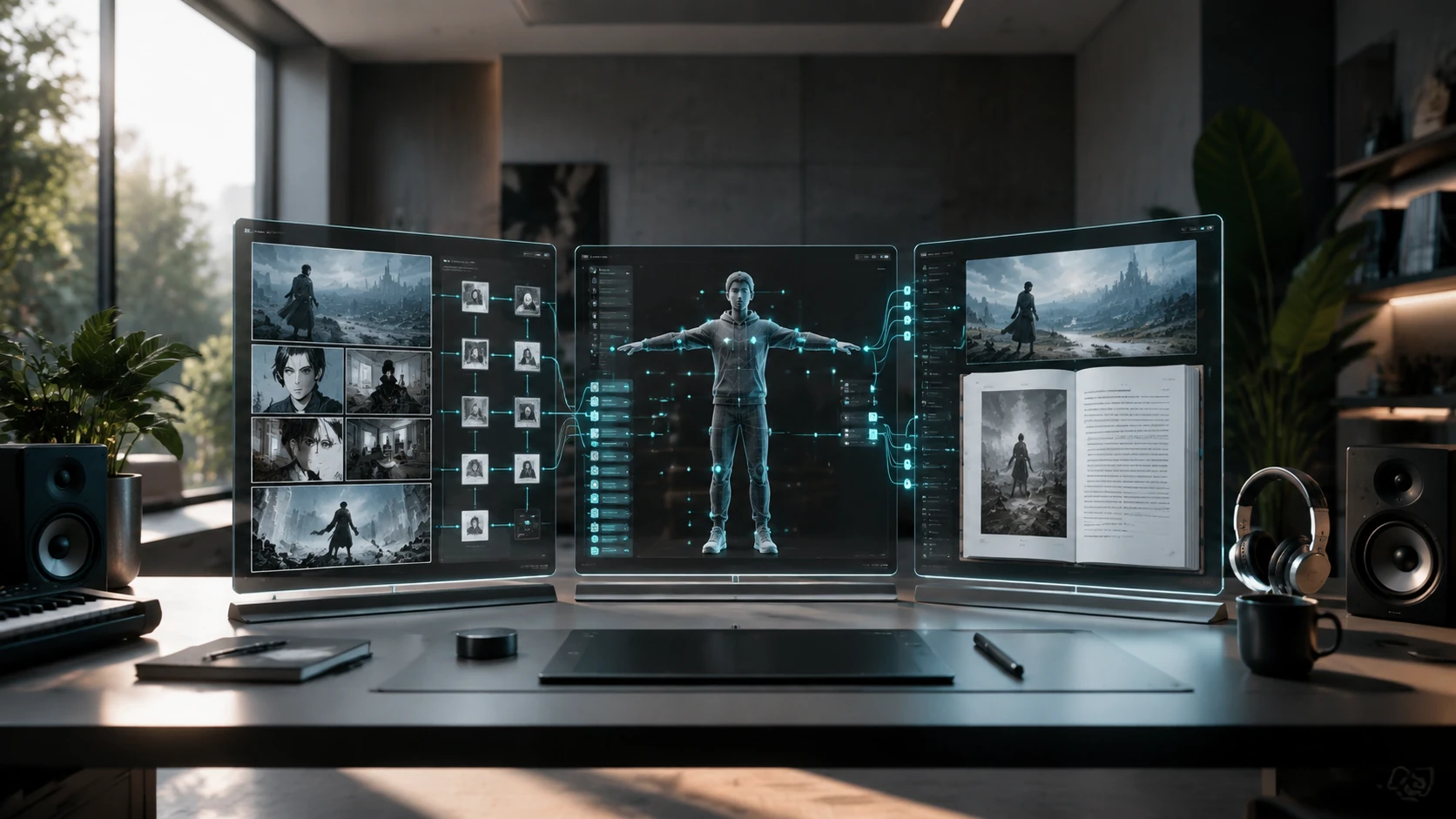
The 2026 ‘Transmedia-Native’ Scripting Standard: Engineering Webtoon IP for Instant Multi-Format Liquidity
Master the Narrative Source Code (NSC) framework to transform your webtoon scripts into modular assets ready for instant adaptation across the 2026 media landscape.

The 2026 ‘Narrative-Lattice’ Framework: Engineering Webtoon IP for Multi-Generational Longevity and Perpetual Relevance
Discover how to move beyond the 'one-hit-wonder' cycle by engineering your webtoon IP using the 2026 Narrative-Lattice Framework for multi-generational growth.