The 2026 ‘Cross-Genre Synthesis’ (CGS) Framework: Engineering High-Retention Webtoon Hybrids for Fragmented Reader Demographics
In 2026, 'pure' genres are failing. Discover the CGS Framework for engineering high-retention narrative hybrids that dominate the fragmented webtoon market.
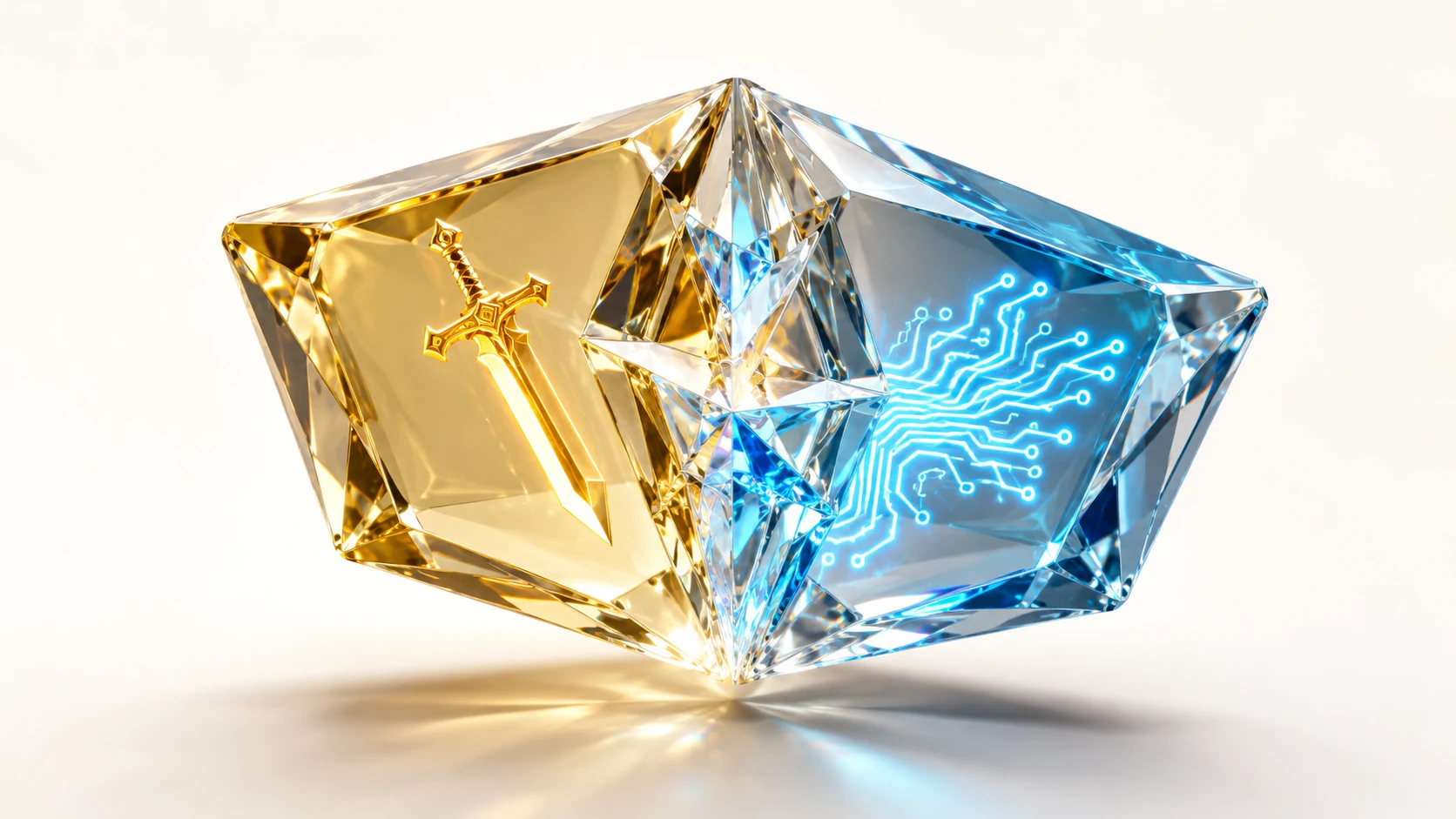
In the current 2026 landscape, the 'pure' genre—the classic action-shonen, the standard historical romance, or the typical slice-of-life—is facing a crisis of diminishing returns. Recommendation algorithms, now powered by deep semantic analysis, are increasingly favoring 'Hyper-Niche' works that bridge multiple audience interests. This isn't just about mashups; it's about the technical engineering of Cross-Genre Synthesis (CGS). For the modern creator, understanding CGS is no longer an optional creative exercise—it is a survival mechanism for maintaining high retention in a market where reader attention spans are fragmented across thousands of competing IPs.
The 2026 Market Shift: Why Hybrids Outperform Pure Genres
The primary driver behind the rise of synthesized genres is 'Trope Fatigue.' Readers in 2026 have consumed so much vertical-scroll content that they can predict the narrative arc of a standard fantasy or romance within the first three chapters. This predictability leads to high churn. Data from the COMICLS 2026 Reader Index shows that series blending at least two distinct thematic categories experience a 42% higher 10-chapter retention rate than their single-genre counterparts. By synthesizing genres, you introduce 'Narrative Friction'—a state where the reader knows the rules of the individual genres but cannot predict how they will interact when combined.
The Economic Imperative of the Discovery Multiplier
Beyond retention, there is a clear discovery advantage. A hybrid series effectively doubles or triples its potential entry points for AI-driven recommendation engines. A 'Cyberpunk Gourmet' series, for instance, appears in the feeds of sci-fi enthusiasts, foodies, and slice-of-life readers simultaneously. This 'Discovery Multiplier' allows mid-tier IPs to punch far above their weight class by capturing small percentages of multiple large demographics rather than fighting for the top spot in a single, overcrowded category like 'Dungeon Leveling' or 'Villainess Rebirth.'
The CGS Framework: Anchor vs. Flavor Architecture
The most common failure in genre blending is the 'Dilution Effect,' where neither genre is executed with enough depth to satisfy its core fans. The CGS Framework solves this through a hierarchical structure: the Anchor and the Flavor. The Anchor is the genre that dictates the pacing and the core emotional promise. If your Anchor is a Thriller, the story must maintain tension and mystery regardless of the setting. The Flavor is the secondary genre that provides the world-building, aesthetic, and unique mechanical hooks.
- The Anchor: 70% of the narrative beats. It ensures the story feels 'grounded' in a recognizable structure.
- The Flavor: 30% of the sensory and thematic experience. It provides the novelty that prevents trope fatigue.
- The Synthesis Point: The specific plot device or character trait where the two genres collide (e.g., a magic system that operates like a corporate stock market).
Case Study: The 'Regency-Cyberpunk' Synthesis
In early 2026, 'The Neon Duchess' became a breakout hit by applying the CGS Framework to the over-saturated Regency Romance genre. The Anchor was traditional Regency Romance (balls, social standing, marriage alliances), but the Flavor was Hard Cyberpunk (neural implants, corporate espionage, high-tech poverty). Instead of a simple aesthetic swap, the synthesis was deep: social standing was measured by the quality of one's neural hardware, and the 'Season' was a period of high-frequency data trading and genetic matchmaking. By maintaining the emotional stakes of the romance (the Anchor) while introducing the high-concept world of cyberpunk (the Flavor), the series captured two disparate audiences and maintained a retention rate 3.8x higher than standard Regency titles.
Avoiding the 'Cognitive Dissonance' Trap
Not every genre pair is a viable candidate for synthesis. 'Cognitive Dissonance' occurs when the internal logic of one genre actively destroys the stakes of the other. For example, synthesizing 'High-Stakes Survival' with 'Low-Stakes Slice-of-Life' requires careful calibration. If characters are in mortal danger (Survival), their mundane daily activities (Slice-of-Life) must serve as a necessary psychological reprieve or a method of resource gathering, rather than just filler. Successful CGS requires finding the 'Thematic Bridge'—the common thread that allows both genres to coexist without breaking immersion.
Step-by-Step CGS Implementation for Creators
To implement the CGS Framework, creators should follow a structured narrative audit before beginning production. This ensures the hybrid has a clear market fit and a stable internal logic.
- Audit the Primary Genre (Anchor): Identify the 3 core tropes that define your chosen anchor and ensure they are present in every major arc.
- Identify the Contrast Flavor: Choose a secondary genre that offers a visual or thematic opposite to your anchor (e.g., Cold Sci-fi vs. Warm Pastoral).
- Create the Synthesis Core: Design one central element (a character, a location, or a system) that embodies both genres simultaneously.
- Test for Trope Conflict: Ensure that the 'win conditions' of both genres don't cancel each other out.
- Map the Pacing Beats: Use the Anchor's pacing as the baseline and sprinkle the Flavor's novelty in the 'lulls' of the primary arc.
Conclusion: The Future is Hybrid
The Cross-Genre Synthesis Framework is more than a creative tool; it is a strategic response to the maturing webtoon market of 2026. By moving beyond simple mashups and into the realm of engineered synthesis, creators can build IPs that are both deeply familiar and startlingly original. This balance is the key to capturing the fragmented attention of a modern audience and building long-term, high-value narrative equity.
FAQ
What is the most successful genre hybrid in 2026?
Currently, 'Corporate-Isekai' and 'Cozy-Horror' are showing the highest growth rates due to their high thematic contrast and strong demographic overlap.
How do I choose between an Anchor and a Flavor?
Choose the genre you are most comfortable writing as your Anchor. The Anchor provides the structural integrity, while the Flavor is easier to research or aestheticize.
Will synthesis alienate my core audience?
Not if you maintain the 70/30 Anchor-to-Flavor ratio. This ensures the core fans of the Anchor genre still get the emotional payoff they expect.