The 2026 ‘Neuro-Narrative’ Design Standard: Engineering Webtoons for Cognitive Retention in the Post-Distraction Era
Discover the 2026 framework for engineering webtoons that synchronize with reader brain chemistry. Move beyond simple cliffhangers to master deep cognitive retention and narrative resonance.
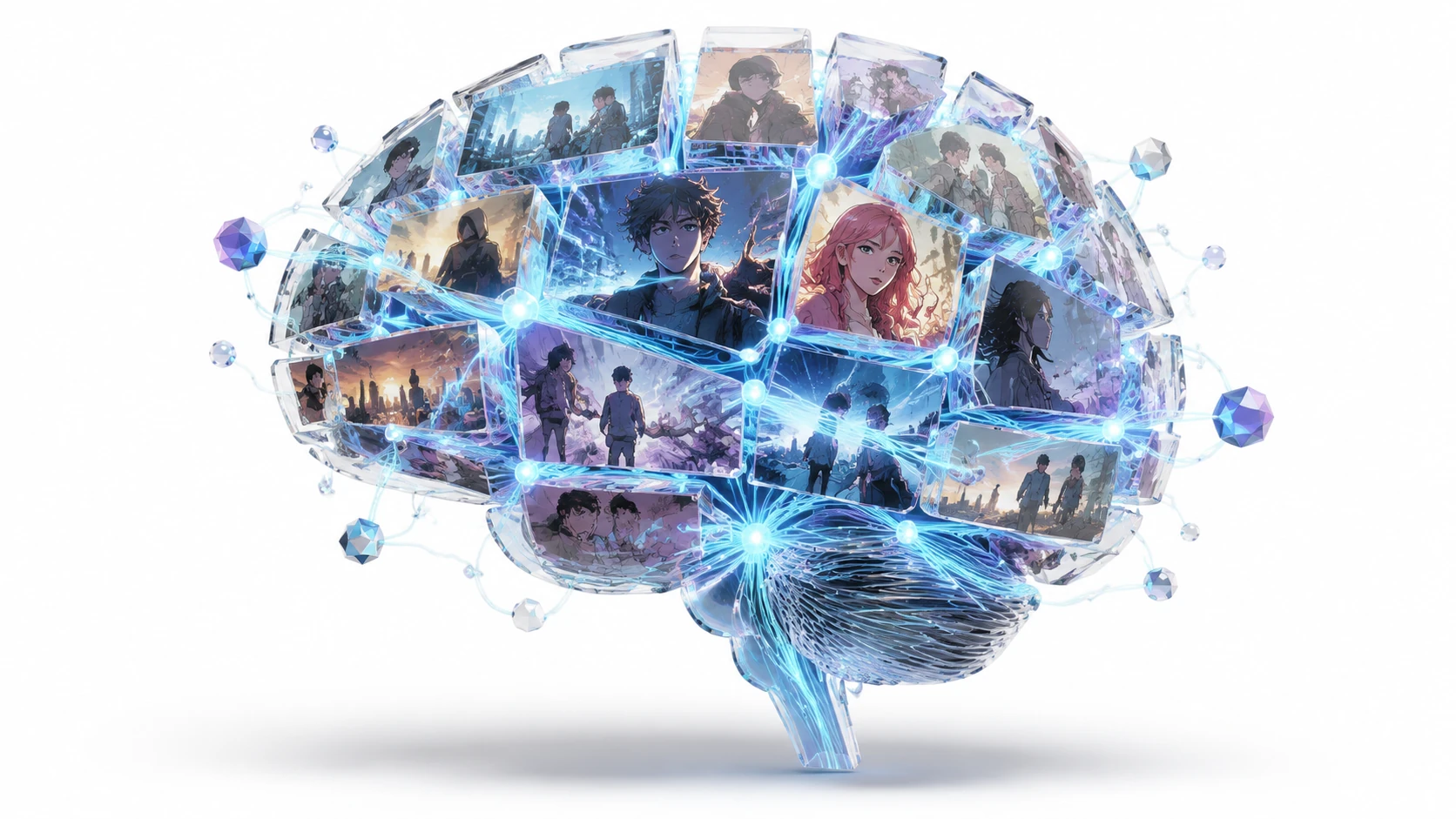
The year 2026 marks the end of the 'Volume Era' in digital comics. As AI-assisted production has flooded the market with technically proficient but often hollow content, the primary bottleneck for success is no longer art quality—it is human cognitive bandwidth. The Neuro-Narrative Design Standard (NNDS) has emerged as the essential framework for creators who want to cut through the noise. It treats the webtoon as a neurochemical experience, mapping narrative beats to specific brain responses to ensure that readers don't just 'click,' but 'stay.' This approach moves beyond traditional storytelling by integrating psychological triggers directly into the visual and structural architecture of the vertical scroll.
The Core Pillars of Neuro-Narrative Design
At its heart, the NNDS is built on three pillars: Attention Management, Cognitive Load Optimization, and Neurochemical Pacing. Attention Management focuses on the 'Visual Saliency' of panels—ensuring that the reader's eye is always directed to the most important information without effort. Cognitive Load Optimization involves stripping away 'Narrative Noise' (unnecessary dialogue or cluttered art) that drains the reader's mental energy. Finally, Neurochemical Pacing uses the 'Dopamine-Loop' to provide constant, small rewards that keep the reader in a state of 'productive curiosity.' Together, these pillars transform a comic from a passive experience into an active, engaging dialogue with the reader's brain.
Dopamine vs. Cortisol: Balancing the Scale
- Cortisol Spikes: Use high-contrast, tight paneling and 'Unanswered Questions' to build narrative tension.
- Dopamine Releases: Use 'Micro-Resolutions'—small wins or visual reveals—every 300-500 pixels to reward the reader's curiosity.
- Oxytocin Anchors: Develop 'Relatability Beats' where characters show vulnerability, fostering deep emotional bonding with the audience.
- The 'Flow State' Goal: Aim for a 3:1 ratio of tension to reward to maintain a continuous scroll without causing reader fatigue.
Spatial Metronome: Engineering the Scroll
In vertical-scroll storytelling, 'time' is measured in 'pixels.' The NNDS introduces the concept of the 'Spatial Metronome,' where the distance between panels controls the reader's perceived time. Wide white spaces (gutters) act as temporal pauses, allowing an emotion to linger. Compressed panels act as high-speed motion, driving the reader to scroll faster. By mastering this rhythm, creators can physically induce the feeling of a racing heart or a quiet, reflective moment. This is a level of control that traditional page-based comics simply cannot match, and in 2026, it is the hallmark of a professional webtoon studio.
The Role of Visual Anchor Points (VAPs)
With the rise of multi-agent AI discovery, your IP must be 'Semantically Unique.' Visual Anchor Points (VAPs) are the key. These are iconic visual elements—a specific color of magic, a recurring piece of jewelry, or a unique lighting effect—that are hard-coded into your story. VAPs serve two purposes: they help the human brain remember your story across thousands of other titles, and they help AI search engines categorize your 'Entity' correctly. In 2026, if your protagonist is 'just another knight,' you are invisible. If your protagonist has a 'Vivid Azure Soul-Flame' that appears in every key emotional beat, you have an Anchor.
FAQ
What is the 2026 Neuro-Narrative Design Standard?
It is a framework for engineering webtoons and digital comics based on cognitive science, focusing on dopamine-loop pacing, visual saliency, and spatial mapping to maximize reader retention.
How does NNDS improve webtoon retention?
By reducing cognitive friction and strategically placing 'micro-rewards' throughout the vertical scroll, NNDS keeps readers in a 'flow state' and prevents attention fatigue.
What is a 'Visual Anchor Point' in webtoon design?
A VAP is a recurring, iconic visual motif used to trigger reader memory and ensure IP consistency across different media formats and AI discovery engines.
Is Neuro-Narrative Design ethical?
Yes, when used for 'Nutritional Engagement.' The goal is to provide a fulfilling emotional experience with proper 'relief' phases, rather than creating addictive, empty dopamine loops.