Why Character-Equity (CE) is 2026’s Top Creator Asset
In 2026, a story is only as strong as its lead's marketability. Learn the Character-Equity (CE) Standard to protect and scale your most valuable creative asset.

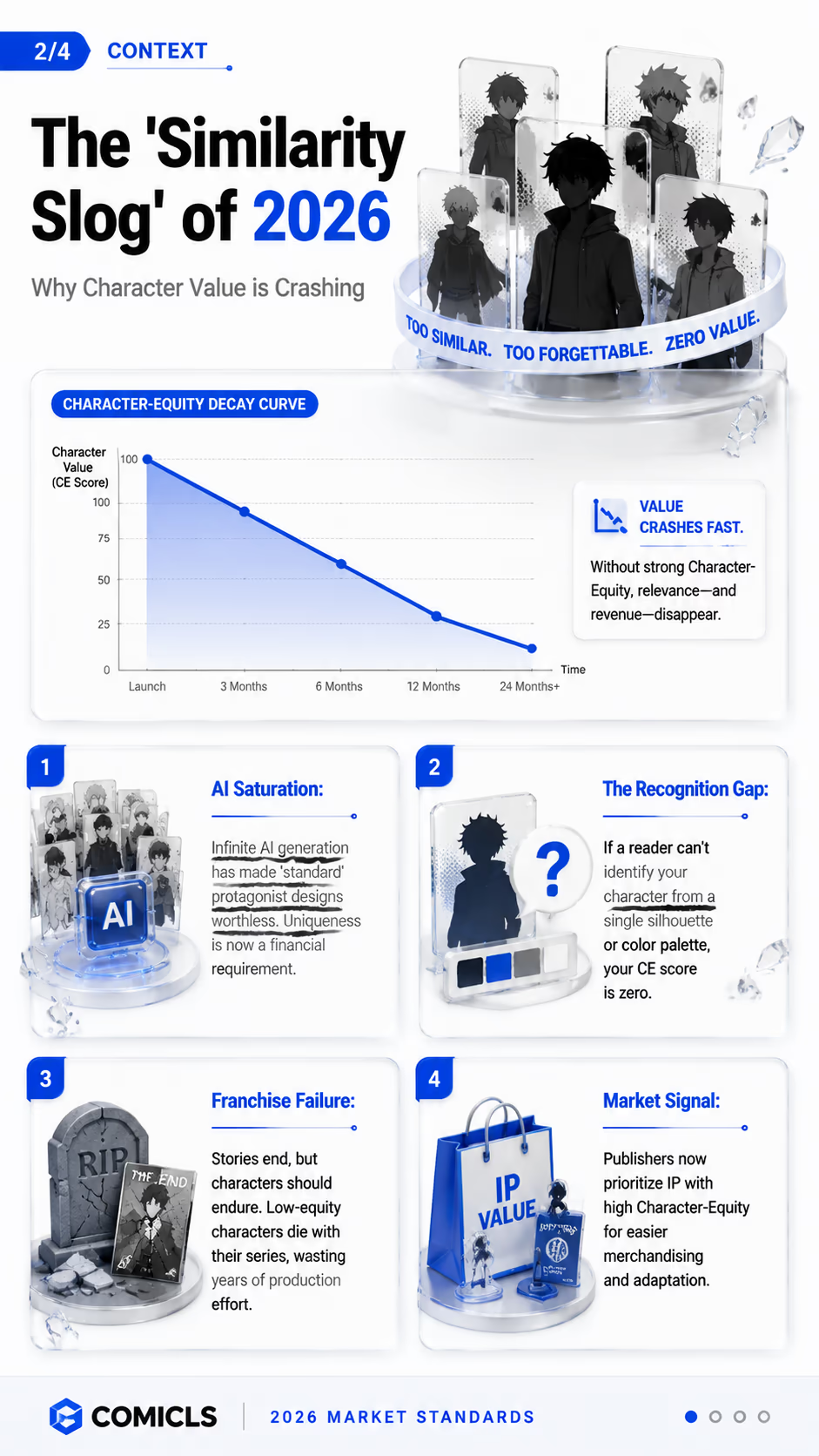
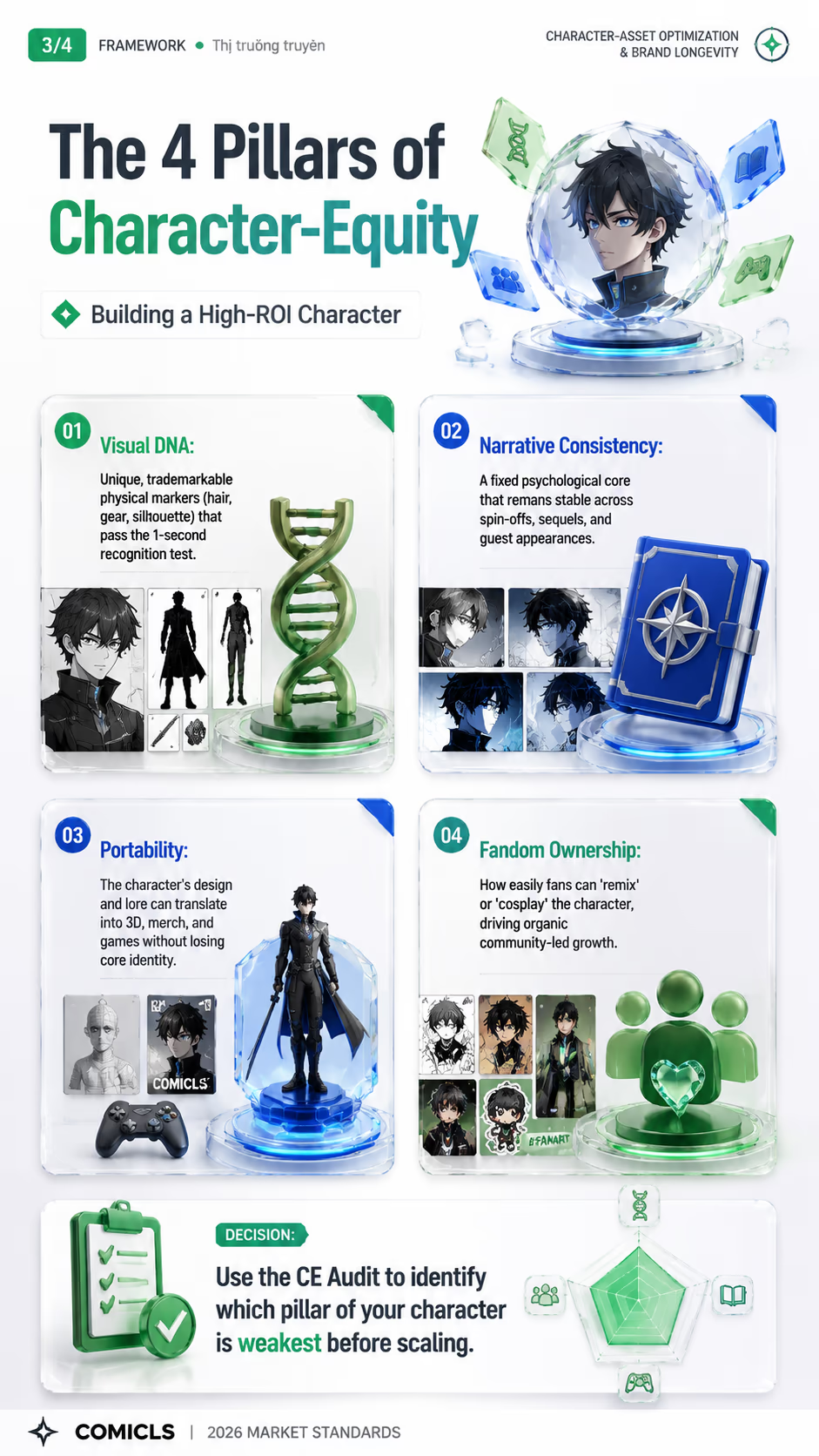
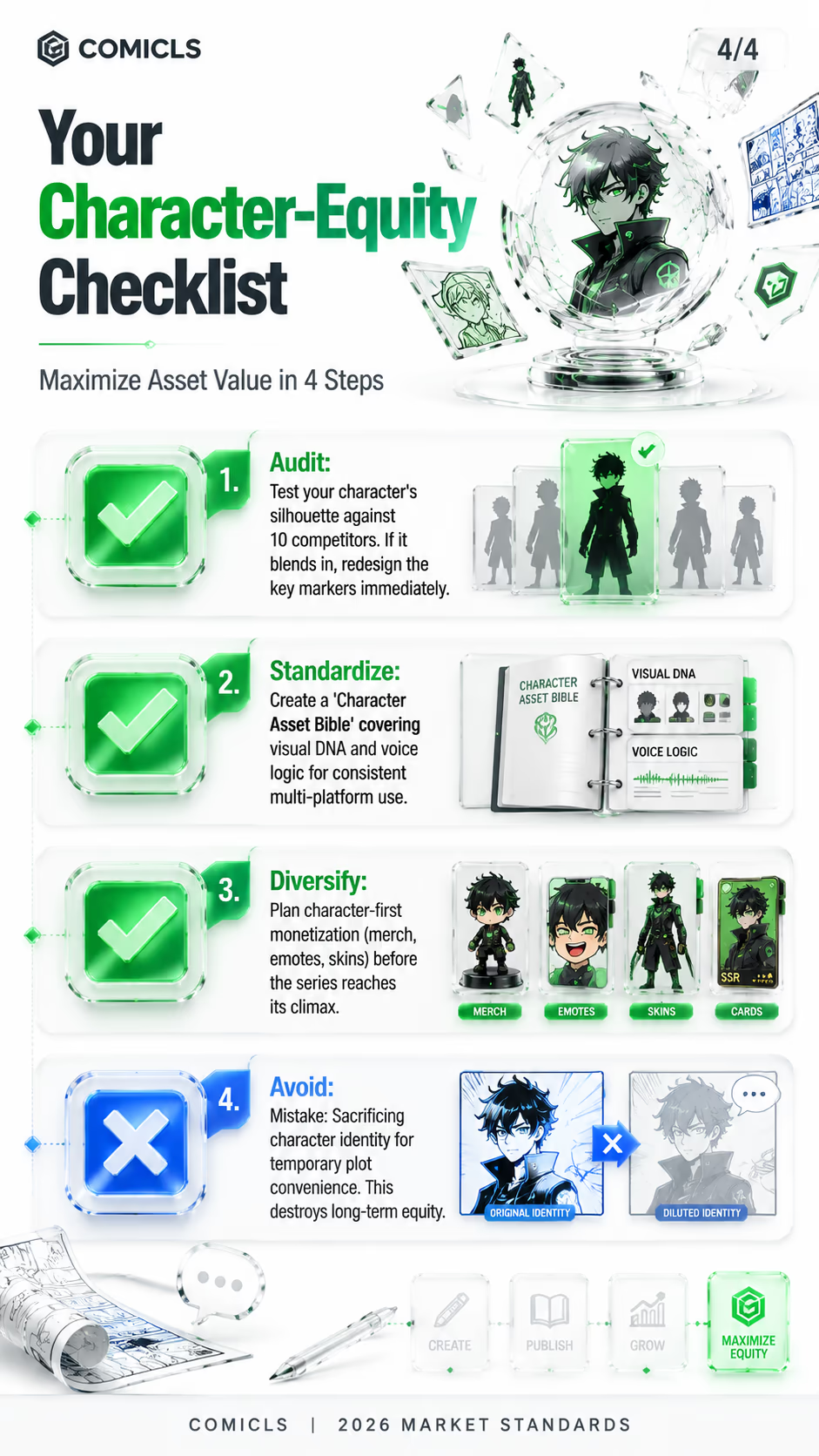
The 2026 comic market has shifted from 'story-first' to 'asset-first' models. In an era of content abundance, the most valuable thing a creator can own is a character with high Character-Equity (CE). This article outlines the CE Standard, a framework designed to ensure your protagonists act as long-term brand anchors rather than disposable narrative tools. By focusing on Visual DNA, Narrative Consistency, Portability, and Fandom Ownership, creators can bypass the 'Similarity Slog' that is currently causing mid-list webtoons to fail.
- Learn why silhouette-level recognition is the #1 financial metric for characters in 2026.
- Understand how AI saturation is devaluing generic protagonist designs and how to fix yours.
- Master the 4 Pillars of the CE Standard to build characters that survive beyond a single series.
- Follow our 4-step action checklist to audit and standardize your character assets for high-margin ROI.
FAQ
What is the most important part of Character-Equity?
Visual DNA is the foundation. If a reader or an AI discovery agent cannot identify your character instantly in a crowded feed, the other pillars cannot function.
Does high Character-Equity mean I can't change my character's design?
Not at all. CE requires 'Core Consistency'—specific markers (like a scar, a unique weapon, or a color palette) that remain recognizable even when the character evolves or changes outfits.