The 2026 ‘Direct-to-Avatar’ (D2A) Licensing Framework: A Creator’s Guide to the Digital Fa
The 2026 D2A economy allows comic creators to monetize character designs as virtual fashion assets. This guide explains how to bridge the gap between 2D panels and 3D social spaces.
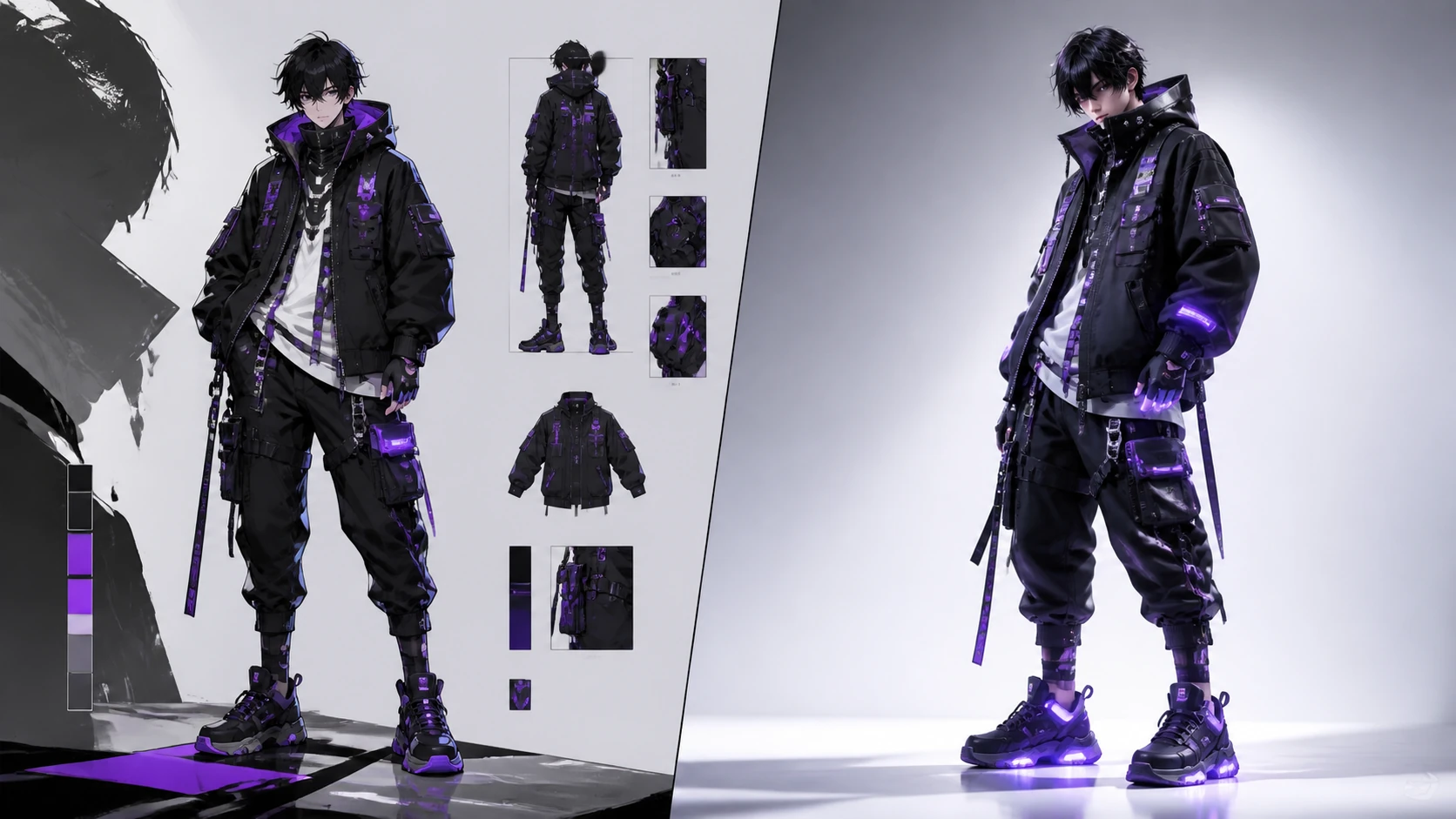
By 2026, the monetization of comic IP has transcended the boundaries of physical merchandise and print volumes. We have entered the era of the 'Digital Twin,' where a reader's engagement with a character is no longer passive. Fans today want to inhabit the worlds they read, and the primary vehicle for this immersion is 'Direct-to-Avatar' (D2A) commerce. This market allows creators to license their character's iconic outfits, accessories, and aesthetic signatures as high-fidelity digital assets for use in social VR spaces, gaming metaverses, and augmented reality (AR) profiles. For the independent webtoon or manga creator, D2A represents a high-margin revenue stream that bypasses the logistical headaches of physical manufacturing and shipping, focusing instead on the pure value of narrative-led design.
What is the 2026 D2A Licensing Standard?
The Direct-to-Avatar (D2A) standard is a technical and legal framework that enables the porting of 2D character designs into 3D-ready virtual assets. Unlike traditional licensing, which often involves selling rights to a single game developer, the 2026 D2A model focuses on 'interoperable wearables.' This means a jacket designed for a webtoon protagonist can be sold as a digital asset that a reader's avatar can wear across multiple platforms, from decentralized social hubs to AAA gaming environments. The standard relies on unified rigging data and texture mapping that allows 2D concepts to be automatically converted into 3D geometry using AI-assisted 'mesh-wrapping' protocols, ensuring that the artist's original vision is preserved in three dimensions.
The Shift from Passive Viewing to Active Identity
- Identity-Driven Revenue: Readers purchase D2A assets to signal their fandom and personal style in digital communities.
- Zero-Inventory Risk: Digital fashion requires no warehouse space, meaning creators can launch 'capsule collections' alongside new story arcs.
- Programmatic Royalties: Smart contracts ensure that every time a digital garment is resold in secondary markets, the original creator receives a percentage of the transaction.
Architecting Your IP for Virtual Fashion
To succeed in the D2A economy, creators must think beyond the panel. In 2026, character design is effectively fashion design. When developing a new series, successful creators are now incorporating 'Hero Assets'—distinctive clothing items or accessories that are visually striking and technically feasible for 3D translation. This involves creating detailed 'Turnaround Sheets' (front, back, and side views) with specific callouts for fabric types, light-emitting materials, and physics-based movements (such as how a cape flows or how jewelry dangles). By treating character design as a blueprint for a digital product, you increase the 'licensability' of your IP before the first chapter is even published.
The 2026 Revenue Models for D2A
Monetization in the D2A space is no longer limited to a simple 'buy-and-own' transaction. The 2026 ecosystem supports various sophisticated revenue streams. One popular model is the 'Limited-Drop' event, where only a few hundred units of a character's iconic outfit are released to coincide with a major plot twist, driving massive FOMO (Fear Of Missing Out) among the core fanbase. Another rising model is 'Narrative-Gated Apparel,' where only readers who have reached a certain chapter or unlocked a specific achievement in the webtoon app are granted the right to purchase the corresponding digital asset. This creates a deep synergy between reading engagement and digital ownership.
- Direct Sales: Fixed-price digital assets sold via in-app marketplaces.
- Rental Models: Lower-cost options for temporary usage during specific digital events or concerts.
- Subscription Bundles: Monthly tiers that grant readers access to a rotating wardrobe of character-inspired gear.
Navigating Technical Interoperability and IP Rights
One of the greatest challenges in 2026 remains interoperability—ensuring that a digital asset purchased on one platform works on another. Creators should prioritize licensing agreements that utilize 'Universal Wearable' standards (like the UWS-2026 protocol). This protects your IP from being 'locked' into a single ecosystem that may lose popularity. Furthermore, legal protection is paramount. Your contracts must explicitly state that you are licensing the *visual representation* of the asset for digital use, while retaining all underlying IP rights to the character and story. Be wary of 'All-In' platform deals that may attempt to claim ownership of your character's likeness in perpetuity.
A Step-by-Step Implementation Checklist
- Audit your current character roster for 'Iconic Assets' (e.g., a specific mask, jacket, or staff).
- Generate 3-point turnaround sheets for these assets with material callouts.
- Register the designs with the 2026 Provenance-First IP Registry (PFIR) to establish ownership.
- Partner with a D2A technical agency or use COMICLS-integrated 3D-generation tools.
- Launch a pilot collection of 1-3 items to gauge reader interest and pricing sensitivity.
The transition from an artist to a D2A fashion architect is the defining shift for the 2026 creator. As digital identity becomes as important as physical appearance, the creators who can provide the 'uniforms' for the next generation of social interaction will dominate the market. By treating your narrative as a brand and your characters as fashion icons, you unlock a scalable, future-proof business model that thrives alongside your storytelling.
FAQ
Do I need to know 3D modeling to participate in D2A?
No. In 2026, most creators use AI-assisted tools that generate 3D assets from 2D turnaround sheets, or they partner with digital fashion houses that handle the technical rigging in exchange for a revenue split.
What is the average royalty rate for D2A assets?
Primary sales typically offer creators 40-70% of the revenue after platform fees, while secondary market royalties usually range from 5% to 15% per resale.
Which platforms are best for launching D2A assets?
Look for platforms that support the 2026 Universal Wearable Standard, such as top-tier social VR hubs and integrated webtoon marketplaces that offer cross-platform porting.