The 2026 ‘Aesthetic Affinity’ Trend: Engineering Visual Styles through Audience Sentiment
In 2026, the 'vibe' of a webtoon is no longer a creative accident but an engineered outcome of audience sentiment mapping. Learn how data-driven art direction is redefining visual storytelling for global markets.
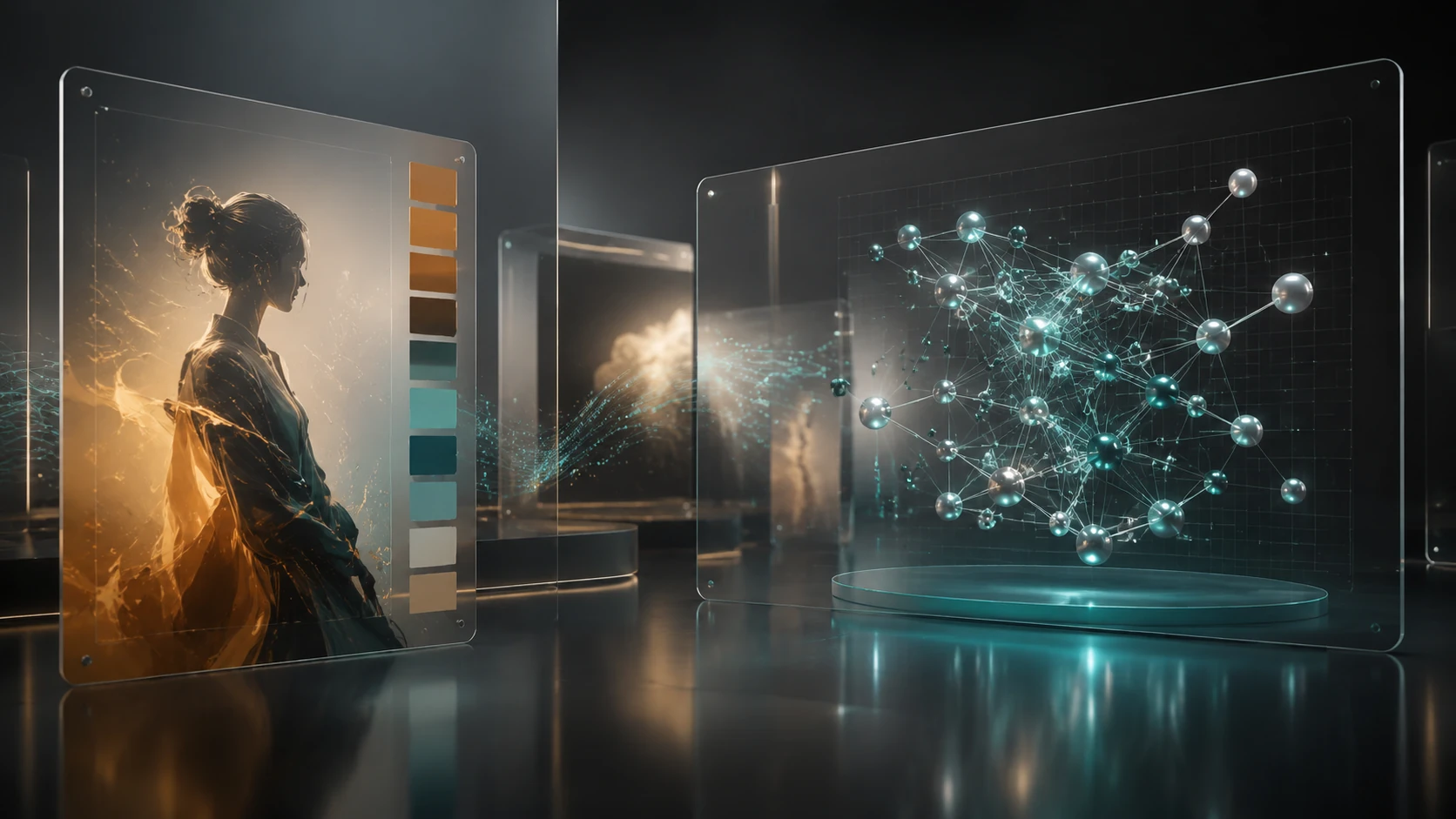
By mid-2026, the global comic and webtoon industry has moved beyond the 'creator-hunch' era of art direction. While the core of storytelling remains human, the visual 'packaging'—the color palettes, line-weight profiles, and stylistic flourishes—is increasingly guided by the Aesthetic Affinity Index (AAI). This trend represents a shift toward engineering visual resonance by analyzing how specific demographic clusters respond to visual stimuli at a subconscious level. Studios are no longer just asking 'does this look good?' but 'does this palette align with the emotional frequency of our target retention cluster?' In a market saturated with high-quality content, the ability to architect an aesthetic that mirrors the reader's current sentiment has become the ultimate differentiator for IP longevity and brand loyalty.
The Rise of Sentiment-Based Color Engineering
In 2026, color theory has evolved into a high-precision data science. Sentiment mapping tools now allow publishers to track how specific hues influence scroll speed and chapter completion rates. For instance, data from the first half of the year suggests that 'Neon-Melancholy' palettes—high-contrast purples paired with desaturated grays—drive 15% higher retention in psychological thrillers compared to traditional dark-noir schemes. This is not about creative restriction; it is about providing artists with a 'visual map' of what the audience is emotionally prepared to consume. By engineering palettes that match reader moods, studios can reduce the cognitive load required to enter the story's world.
Key Drivers of Aesthetic Affinity in 2026
- OLED-Optimized Gamuts: Designing specifically for high-contrast mobile displays to minimize eye strain during long-form binge-reading.
- Regional Sentiment Clusters: Adjusting art styles (e.g., more painterly vs. flat-cel) based on localized visual preferences in expanding markets like MENA and Southeast Asia.
- Emotional Trigger Hues: Using specific accent colors to signal character shifts that AI-search engines can index as narrative entities.
- Style-Saturation Audits: Real-time analysis of market saturation to ensure a new IP’s aesthetic occupies a unique 'visual gap' in the platform's library.
Balancing Data Metrics with Artistic Sovereignty
The greatest challenge of the Aesthetic Affinity trend is the tension between data-driven optimization and the artist's unique voice. Leading 2026 studios are resolving this by treating sentiment data as a 'scaffolding' rather than a cage. Artists are provided with 'Vibe Briefs' that outline the emotional targets—such as 'High-Anxiety Kineticism' or 'Cozy-Era Nostalgia'—and the corresponding color clusters that historically support those feelings. The artist then interprets these targets through their own stylistic lens. This collaborative approach ensures that while the comic is engineered for retention, it retains the 'human origin' signals that are now legally mandated by many top-tier platforms to protect IP value.
The Impact on IP Valuation and Acquisition
Investors in 2026 are placing a premium on 'Aesthetic-Ready' IP. A comic that has been engineered with a clear affinity strategy is seen as a lower-risk asset because its visual language is already optimized for its target audience. During acquisition audits, studios now look at 'Aesthetic Cohesion Scores'—a metric that measures how consistently the art style supports the narrative's emotional arc. If the visual style drifts away from the audience's sentiment cluster, it is flagged as 'Narrative-Visual Friction,' which is a primary predictor of reader churn. Consequently, mastering aesthetic affinity is no longer just an art choice; it is a financial strategy.
Future Outlook: Real-Time Style Adaptation
Looking toward 2027, the industry is experimenting with 'Dynamic Style Layers.' This technology would allow readers to toggle between different visual interpretations of the same story—for example, a 'manga-classic' filter vs. a 'webtoon-vibrant' filter—based on their personal aesthetic affinity. While still in early testing, the shift toward personalized visual consumption reinforces the core 2026 truth: the most successful comics will be those that can adapt their skin to meet the reader's heart.
FAQ
What is the Aesthetic Affinity Index (AAI)?
The AAI is a 2026 metric used by comic studios to measure the emotional and psychological alignment between a comic's visual style (color, line art, shading) and its target audience's preferences.
Does data-driven art direction kill creativity?
No. In 2026, data is used as a strategic guide or 'Vibe Brief' that helps artists understand audience expectations, allowing them to focus their creativity on styles that are proven to resonate.
How can I find the right color palette for my webtoon in 2026?
Use audience sentiment mapping by testing small art samples on social platforms and analyzing engagement depth and emotional keywords in the comments to see which 'vibe' sticks.