The 2026 Narrative-Driven Data Privacy Standard: Engineering Zero-Party Data through Inter
In 2026, the intersection of data privacy and webtoon engagement is being redefined by Narrative-Driven Data (NDD). Discover how creators are building high-value reader profiles through story-based choices rather than invasive cookies.
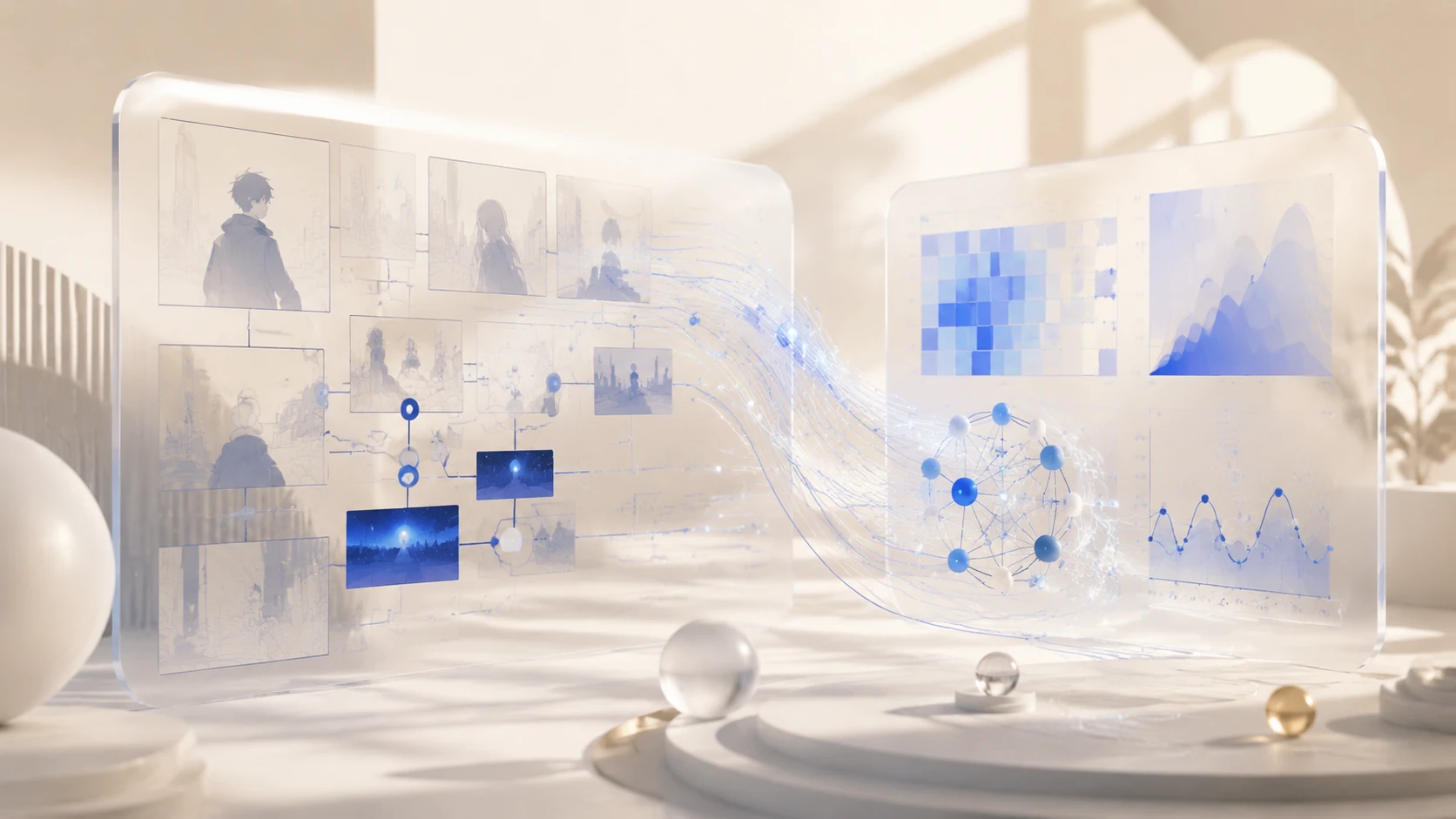
By 2026, the digital landscape has undergone a tectonic shift in how reader information is harvested and utilized. With the total obsolescence of third-party cookies and the tightening of global ‘Right to Privacy’ mandates, traditional invasive tracking has been replaced by the 'Narrative-Driven Data' (NDD) standard. This approach moves away from background surveillance and toward active, consensual participation. Instead of tracking what a reader does outside of an app, creators are now engineering their stories to act as sophisticated diagnostic tools. Every choice a reader makes in a branching narrative, every panel they linger on, and every character they prioritize becomes a data point provided willingly in exchange for a personalized story experience. This is the era of zero-party data, where the story itself is the bridge between creator insights and reader autonomy.
The Shift from Passive Tracking to Active Narrative Signals
Traditional analytics in the early 2020s focused on 'lagging indicators'—metrics like click-through rates or bounce rates that told you what happened but rarely why. In 2026, the technology stack has evolved to capture 'leading narrative signals.' These signals are embedded directly into the vertical scroll. For instance, if a reader consistently chooses diplomatic options in a fantasy webtoon's interactive dialogue trees, the NDD engine flags a preference for high-politics and character-driven drama over pure action. This isn't just a gimmick for the reader; it is a high-fidelity data signal that informs the creator's next production cycle, marketing strategy, and even physical merchandise development. The data is 'zero-party' because it is intentionally and proactively shared by the consumer.
Choice-Path Profiling: The New Metadata
- Implicit Preference Mapping: Identifying genre affinity through in-story micro-decisions rather than static tags.
- Emotional Trigger Analysis: Measuring the dwell time on specific visual motifs to determine aesthetic loyalty.
- Engagement Elasticity: Using story-based 'checkpoints' to gauge a reader's willingness to convert to premium tiers based on narrative tension.
Architecting the 2026 Privacy-First Tech Stack
To implement the NDD standard, studios are moving toward decentralized data architectures. Unlike the centralized silos of the past, 2026 tech stacks utilize 'Edge Narrative Processing.' This means that the reader's profile is built and stored locally on their device or within a sovereign 'Personal Data Vault' (PDV). The creator's app only queries the vault for specific, anonymized insights required to serve the next chapter. This architecture ensures compliance with the most stringent privacy laws while providing creators with more accurate data than old-school tracking ever could. By removing the 'creepiness factor' of background tracking, platforms are seeing a 45% increase in reader trust and a corresponding rise in voluntary data sharing.
Integrating NDD without Breaking Immersion
The greatest technical challenge of the 2026 standard is the 'Friction-Immersion Paradox.' How do you ask for data without pulling the reader out of the fantasy? The answer lies in seamless UI integration. Modern webtoon engines now support 'Ghost Surveys'—polls and choices that appear as diegetic elements of the story. For example, a character might ask the reader to help them choose an outfit or a path through a forest. These aren't just cosmetic choices; they are categorized data inputs that tell the backend whether the user prefers 'Modern Noir' or 'Cyberpunk' aesthetics. The user feels they are playing a game, while the creator receives a clear signal on which art style will drive the highest LTV (Lifetime Value) for the next IP launch.
The Ethical Guardrails of Narrative Privacy
With great data comes great responsibility. The 2026 standard includes a 'Transparency Mandate' that requires creators to be upfront about how narrative choices influence data profiles. This is usually handled through a 'Narrative manifest'—a simple, visual summary available in the app settings that shows the reader what their 'Story Persona' looks like to the creator. If a reader feels their profile is inaccurate or they wish to reset their data, they can do so with a single click. This level of transparency has proven to be a competitive advantage; readers are choosing to spend their time and money on platforms where they feel in control of their digital narrative identity.
Common Implementation Mistakes to Avoid
- Over-segmentation: Creating too many choice paths that lead to a fragmented narrative and high production costs.
- Data-First Writing: Allowing analytics to dictate the story so strictly that it loses its 'human' soul and artistic integrity.
- Opaque Collection: Failing to inform readers that their choices are being used to personalize their experience, leading to trust erosion.
Future Outlook: The AI-Narrative Feedback Loop
As we look toward the late 2020s, the NDD standard will likely merge with generative AI to create 'Living Stories.' In this scenario, the zero-party data gathered in Chapter 1 will literally rewrite the visual and narrative assets of Chapter 5 in real-time. This level of hyper-personalization is only possible because of the privacy-first data pipelines being built today. For the independent creator, this means that even a small, dedicated audience provides enough high-quality data to compete with major studios, provided that data is gathered through deep, meaningful interaction rather than broad-spectrum surveillance.
FAQ
What is zero-party data in the context of comics?
It is data that a reader intentionally shares with a creator, such as through story choices, polls, or preferences within an interactive webtoon, rather than being tracked passively.
Does narrative-driven data collection slow down the story?
No, when implemented correctly through diegetic UI, it feels like part of the entertainment experience and can actually increase engagement by making the story feel more responsive.
How does NDD help with monetization?
By understanding reader preferences through their narrative choices, creators can offer highly relevant merchandise, 'Fast Pass' content, and personalized ads that have significantly higher conversion rates.