Comics news and insights for your local market
Follow webtoon, manga, manhwa, AI comic, creator economy, and storytelling trends curated for each region.
The 2026 ‘Live-Studio’ Co-Creation Standard: Engineering Real-Time Reader Input for High-R
Learn how the 2026 Live-Studio model transforms webtoon production into an interactive event, driving record-breaking retention through real-time reader input. This guide explores the 'Decision-Gate' framework for maintaining creative vision while empowering fans.
The 2026 ‘Fractional IP’ Model: Engineering Community-Driven Ownership and Micro-Equity in
The 2026 Fractional IP model is revolutionizing how independent creators fund and scale their work by offering readers micro-equity. Discover how to engineer narrative-driven ownership structures that bypass platform gatekeepers.
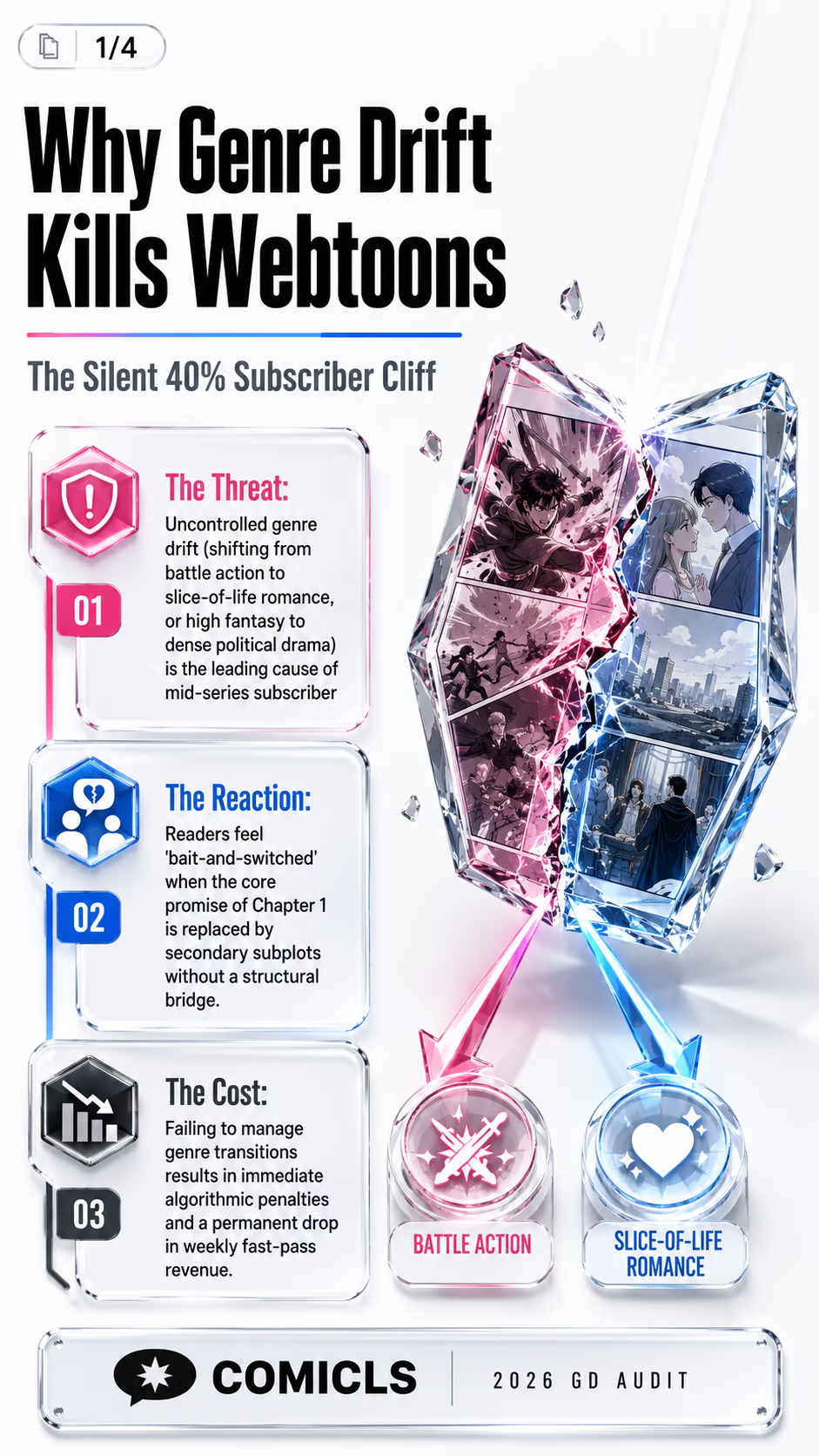
Why Genre Drift Kills Webtoons: The 2026 GD Audit
When long-form series shift from action to romance or fantasy to politics, reader churn spikes. Master the 2026 GD Audit to transition genres safely.
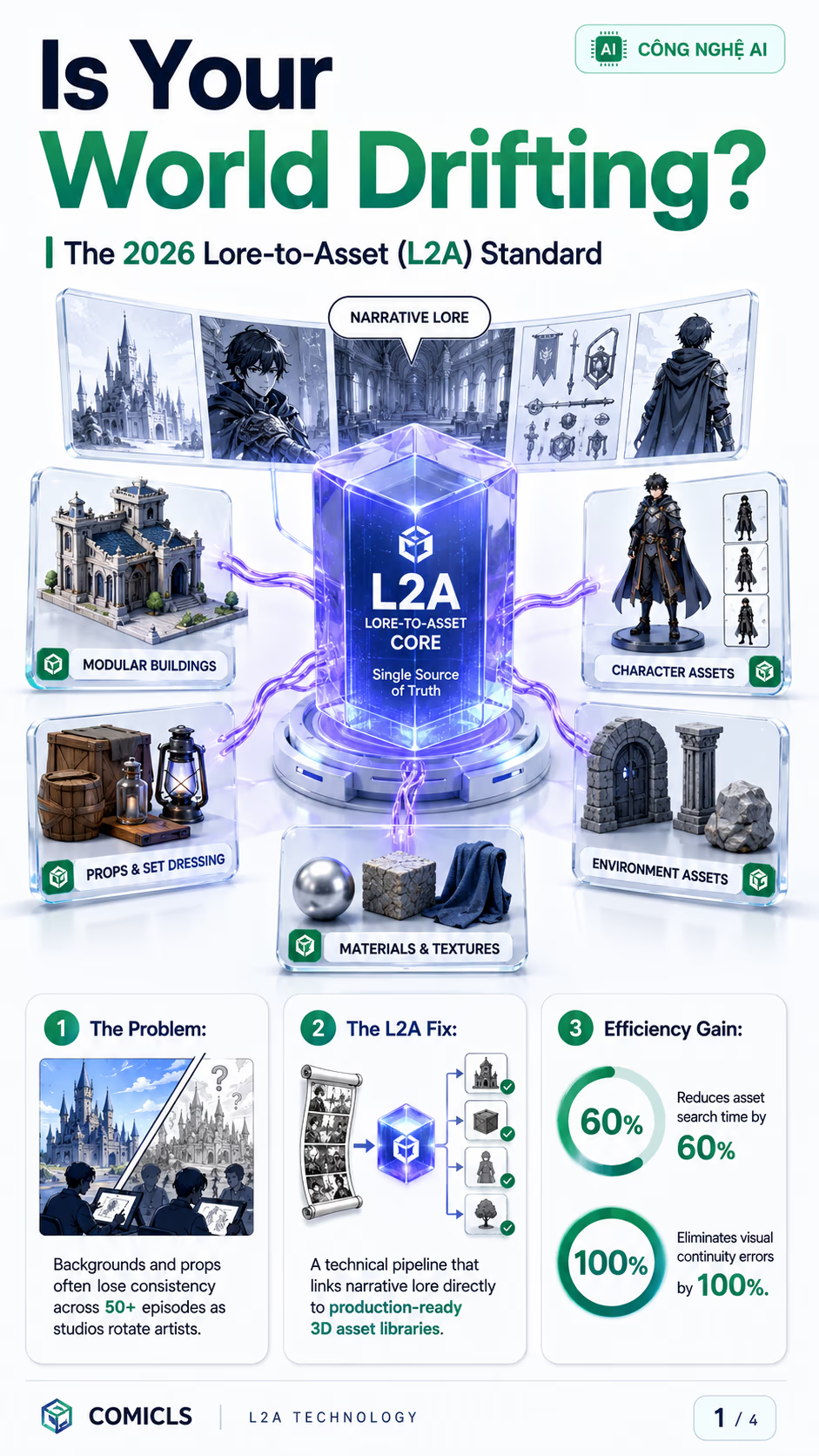
Does Your Lore Scale? The 2026 L2A Tech Standard
Discover the 2026 L2A standard for linking narrative lore to production-ready 3D assets. Solve background drift and boost studio efficiency by 40%.
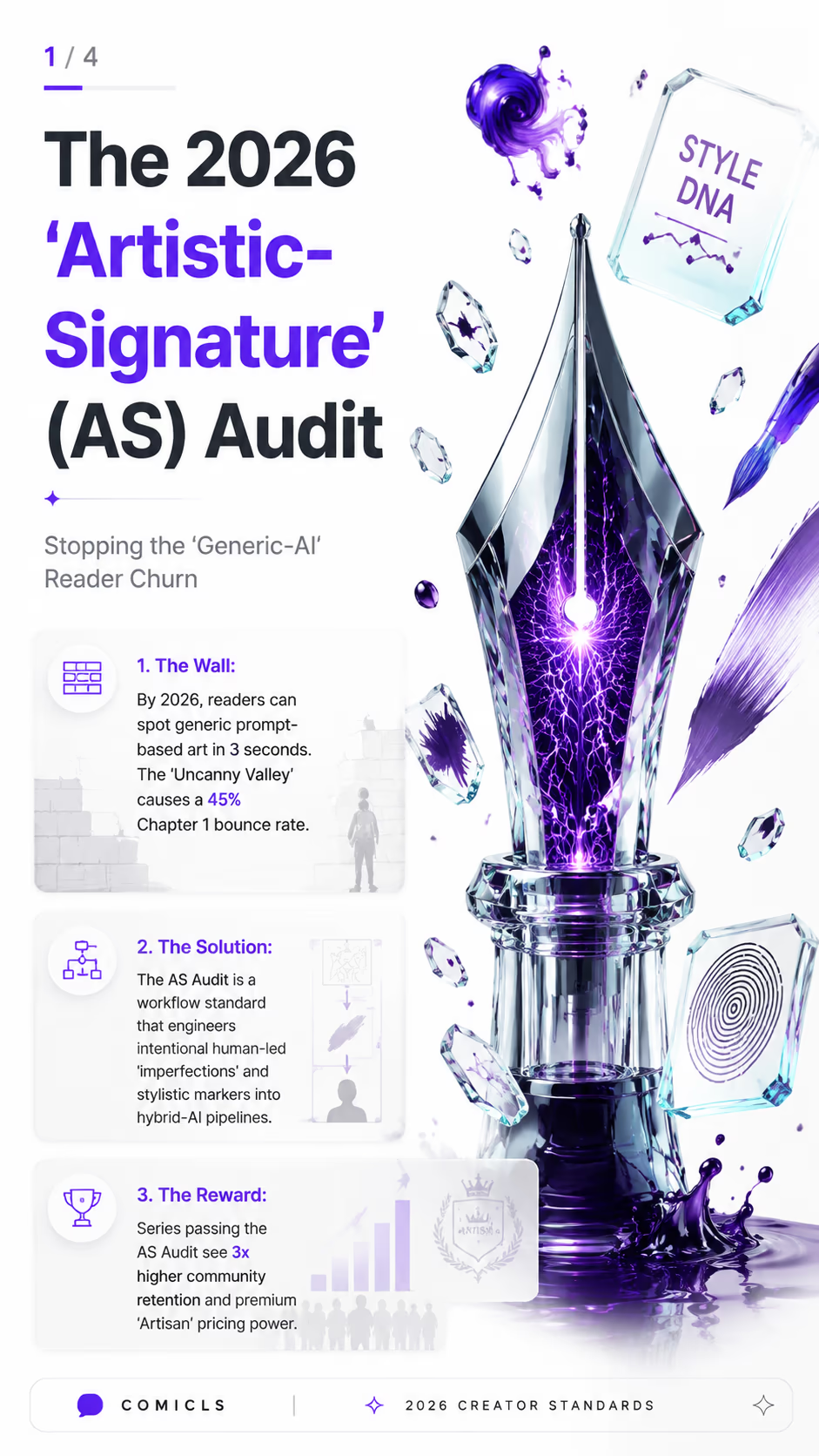
The 2026 ‘Artistic-Signature’ (AS) Audit: Fixing the AI-Uncanny Valley
Discover the 2026 AS Audit—a strategic framework for creators to engineer 'human-signature' markers into their webtoons and manga to bypass reader AI-fatigue.
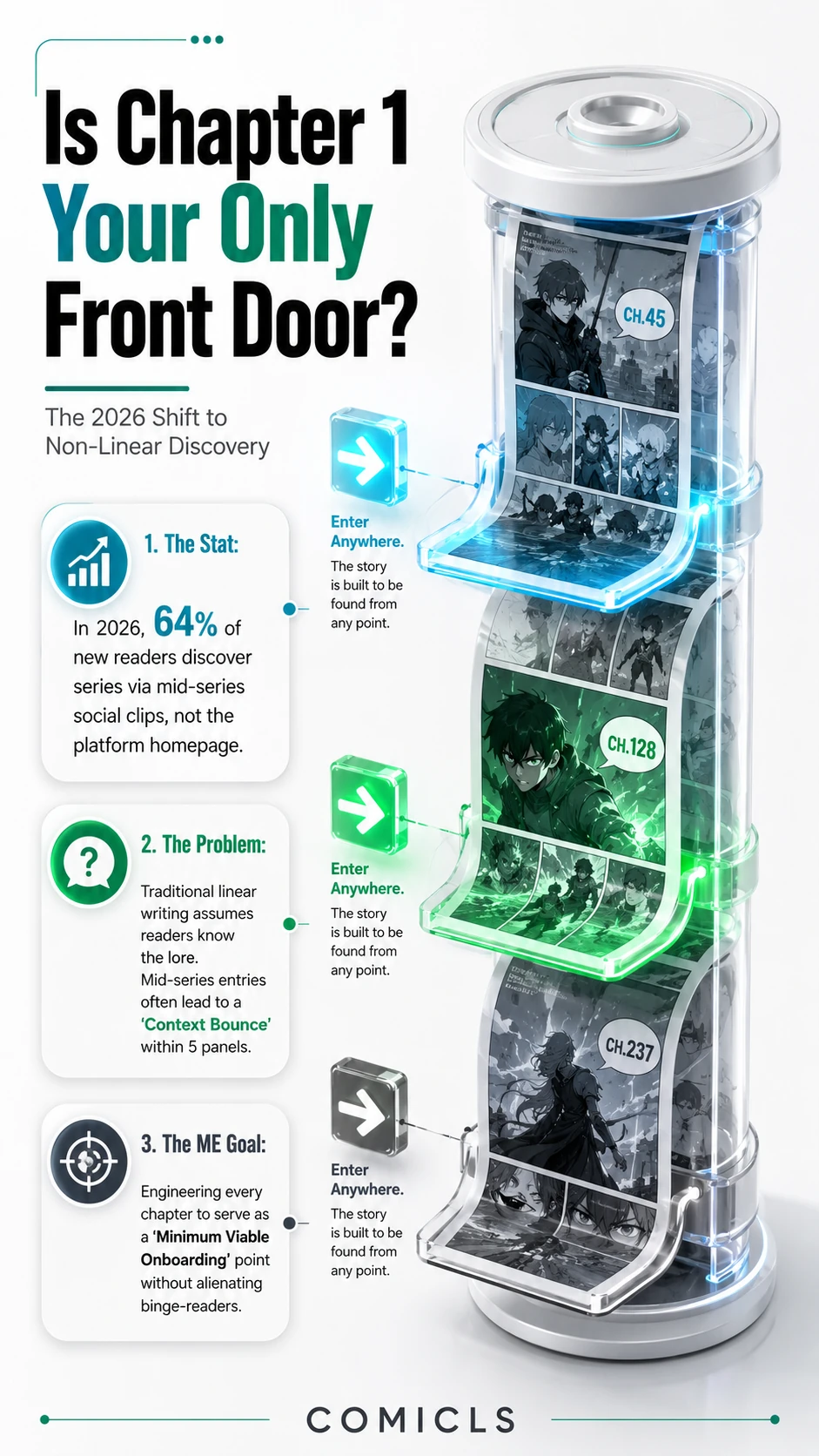
Does Your Webtoon Pass the 'Multi-Entry' (ME) Test?
In 2026, readers no longer start exclusively at Chapter 1. Discover the Multi-Entry (ME) Standard to turn every chapter into a high-conversion 'front door' for your series.
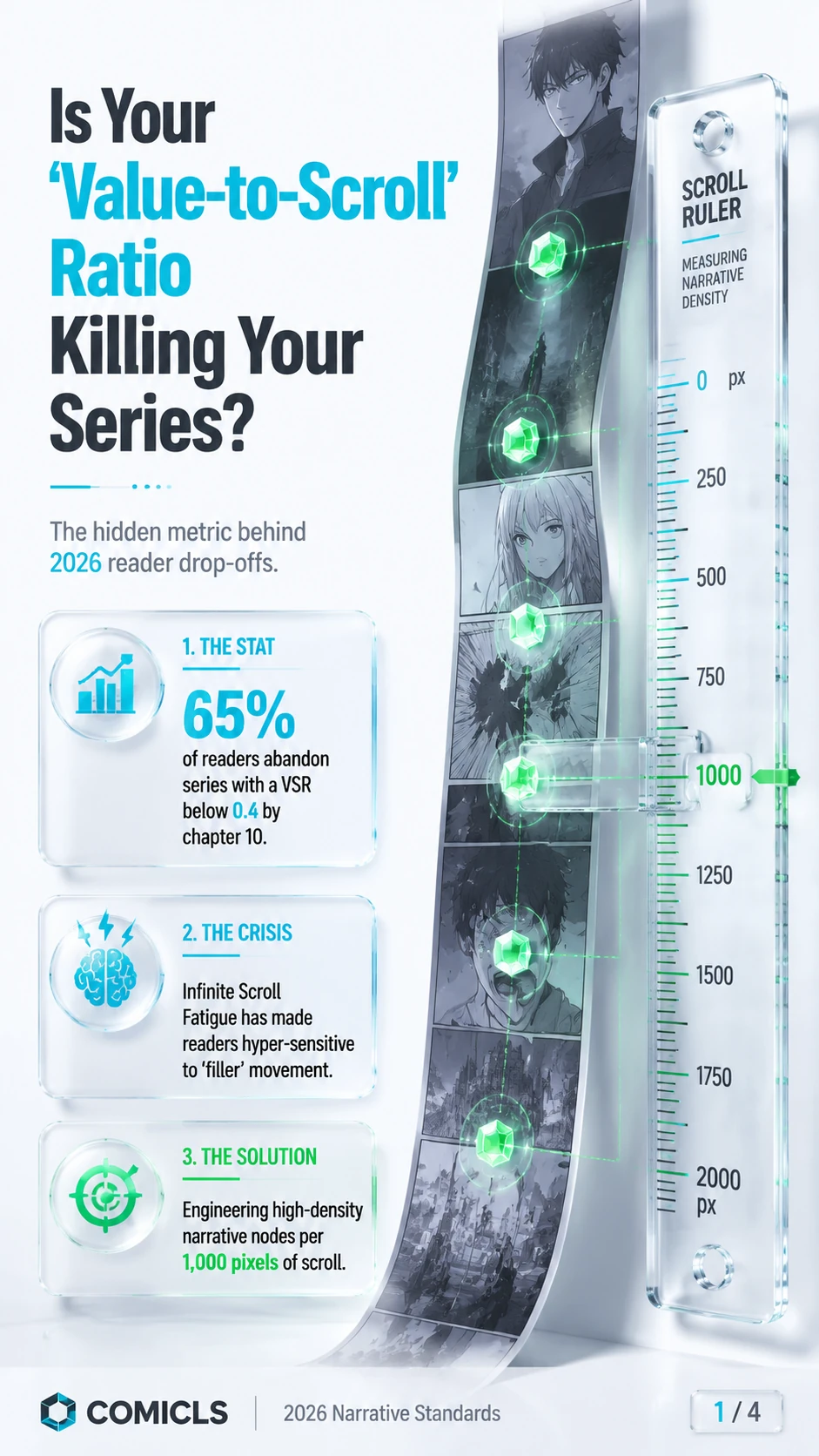
Fixing the 'Value-to-Scroll' Ratio in Your Webtoon
In 2026, 'Infinite Scroll Fatigue' is the leading cause of series abandonment. Learn how the Value-to-Scroll (VSR) metric helps creators engineer high-retention chapters.
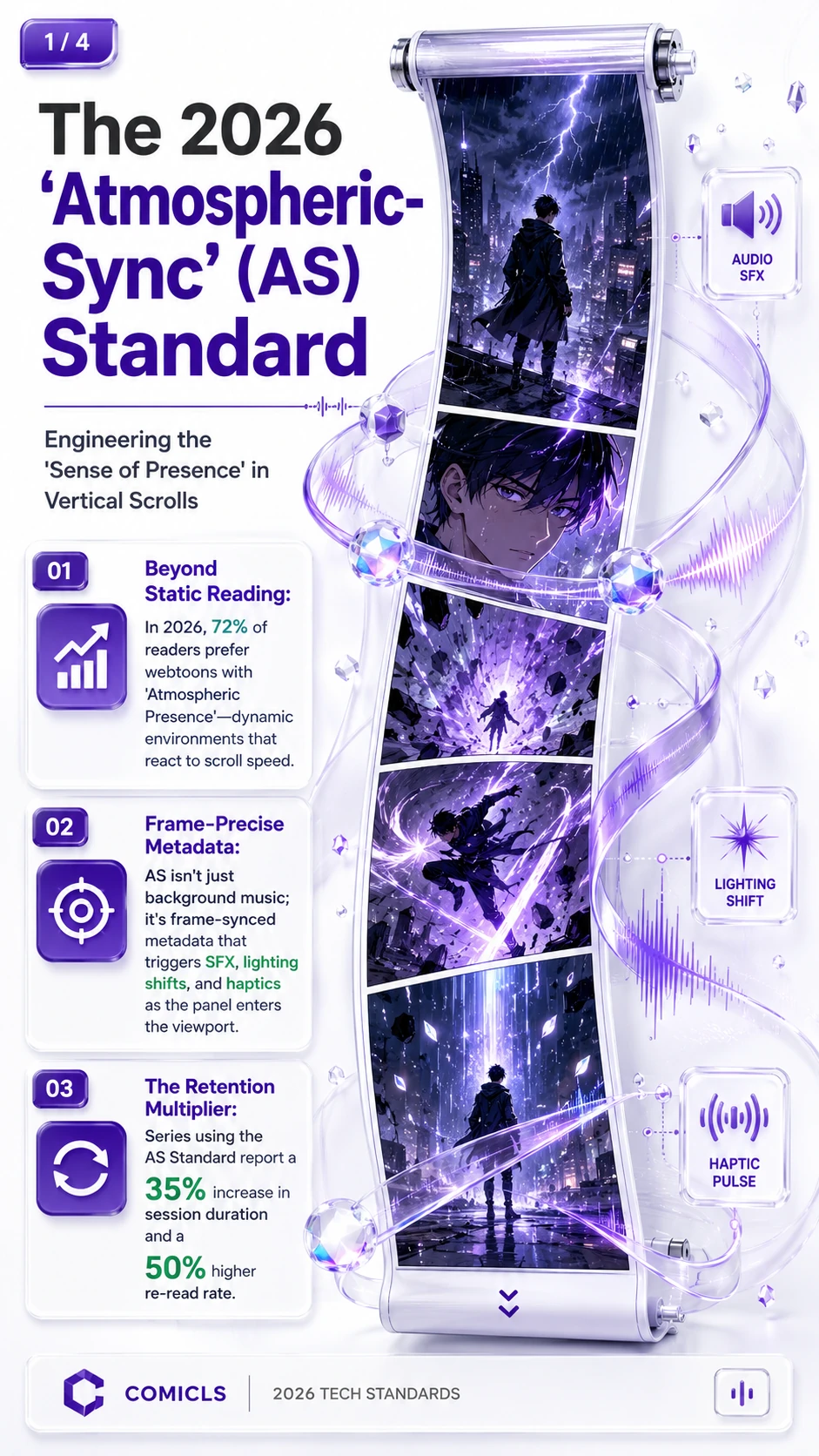
The 2026 ‘Atmospheric-Sync’ (AS) Standard: Engineering Immersive Audio
Master the 2026 AS Standard to bridge the gap between static panels and cinematic immersion. Learn to engineer frame-precise audio-visual metadata for vertical scroll comics.
Creators

The 2026 ‘Narrative-Equity’ Crowdfunding Standard: Engineering Community-Owned Comic IPs
The 2026 shift from transactional crowdfunding to narrative equity allows fans to own a literal stake in the success of independent comic IPs. Master this framework to secure high-intent funding and build a sovereign creator career.

The 2026 ‘Creator-as-Entity’ (CaE) Branding Guide: Building Narrative Authority in the AI
In 2026, being a great artist isn't enough; you must become a 'Verified Entity' that AI search engines trust. This guide reveals the framework for building a personal brand that survives the synthetic content flood.

The 2026 ‘Content-First’ Audience Portability Framework: Engineering Reader Loyalty Beyond
In 2026, relying solely on platform algorithms is a high-risk strategy. This framework teaches creators how to engineer 'portable' reader loyalty that transcends individual apps.

The 2026 ‘Diegetic Monetization’ Framework: Engineering In-Story Brand Integration for Web
Discover how the 2026 Diegetic Monetization standard is replacing intrusive ads with immersive, lore-consistent brand integrations. Learn to engineer your story assets for high-value partnerships while maintaining narrative integrity.
Latest

The 2026 ‘Narrative-First’ Revenue Architecture: Engineering Multi-Tiered Monetization for
Move beyond platform dependency with a narrative-first revenue model that integrates lore access, digital assets, and community tiers. Master the 2026 standard for sovereign creator monetization.

The 2026 ‘Digital-Collectibility’ Standard: Engineering Webtoon IP for Scarcity-Based Mone
In 2026, the 'attention economy' is being replaced by the 'ownership economy.' This guide explores how creators can engineer digital scarcity and narrative-gated assets to build sustainable, high-margin revenue streams.
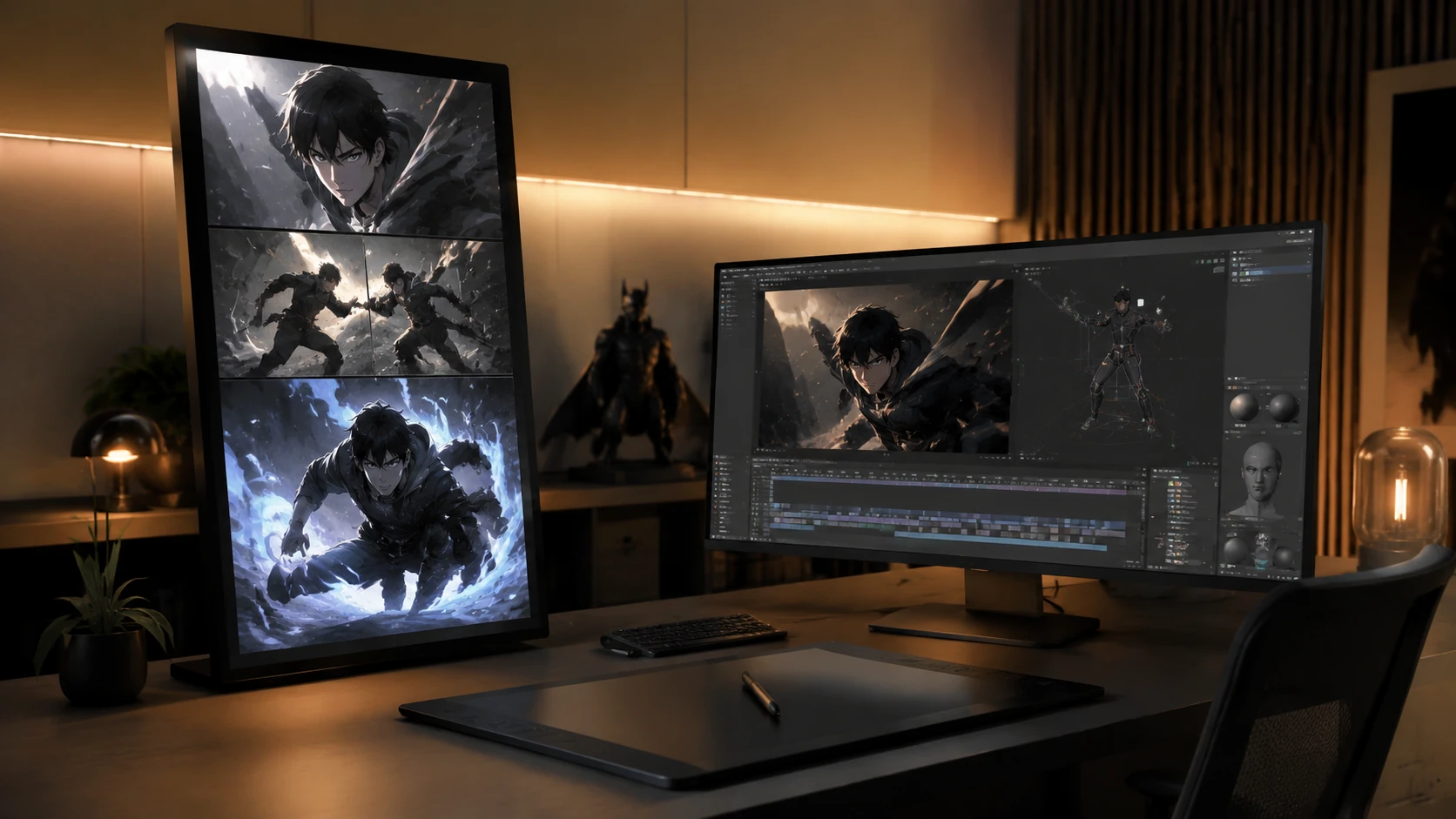
The 2026 ‘Vertical-Cinema’ Storyboarding Standard: Engineering High-Motion Layouts for Hyb
In 2026, the gap between webtoon and anime has vanished. Learn the storyboarding standards that make your IP instantly ready for global streaming production.
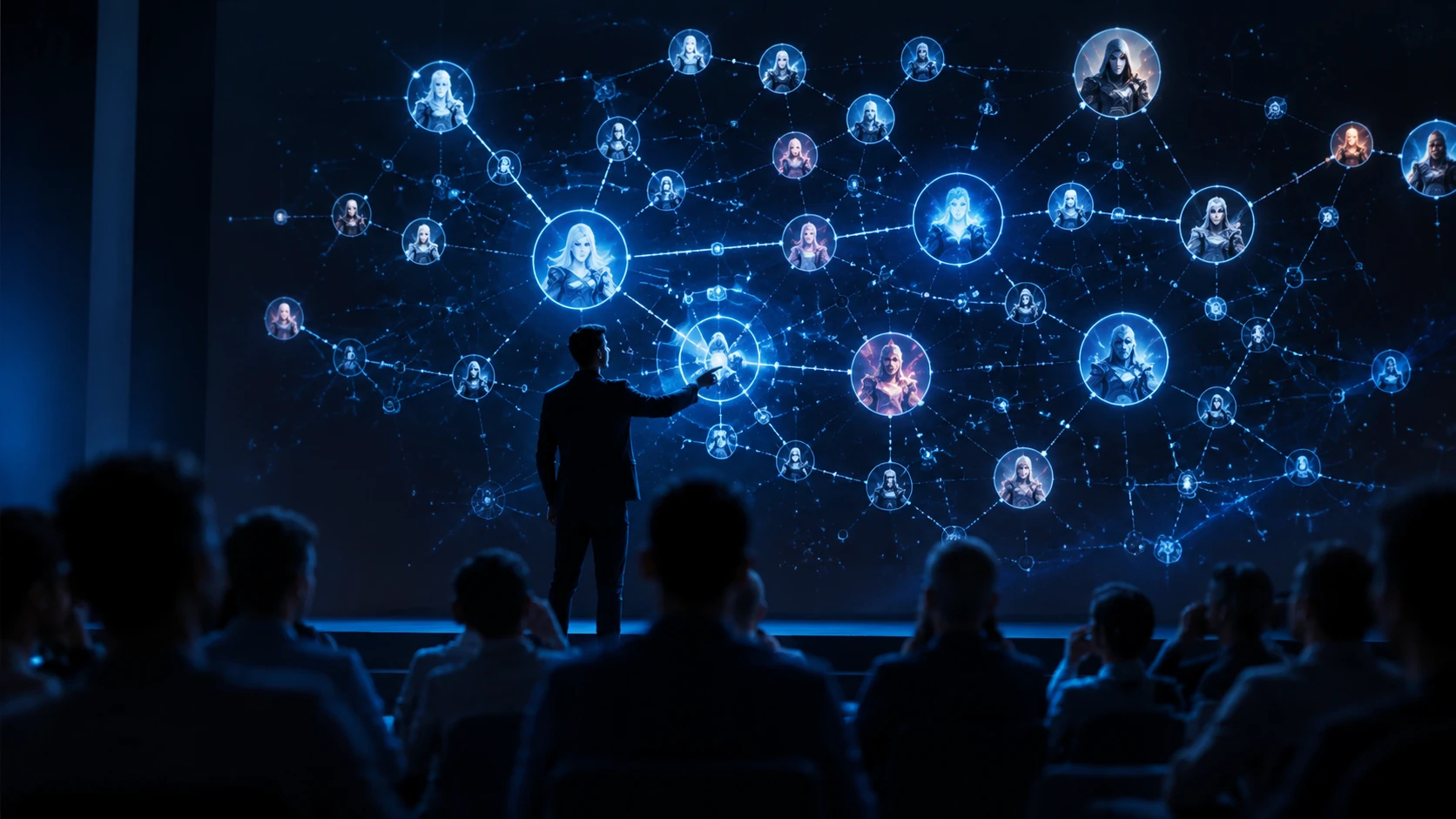
The 2026 ‘Deep-Lore’ SEO Strategy: Engineering Comic Wikis as Search Magnets for Independe
In 2026, the battle for reader discovery has moved from platform algorithms to LLM-native search queries. This guide explores how creators can use 'Deep-Lore' SEO to turn their narrative wikis into powerful search magnets.

The 2026 ‘Cognitive Accessibility’ Standard (CAS): Engineering Comics for the Neurodiverge
The 2026 Cognitive Accessibility Standard (CAS) is revolutionizing how we design comics for neurodivergent readers. Master the frameworks for ADHD-friendly pacing, dyslexia-optimized lettering, and sensory-balanced color palettes.
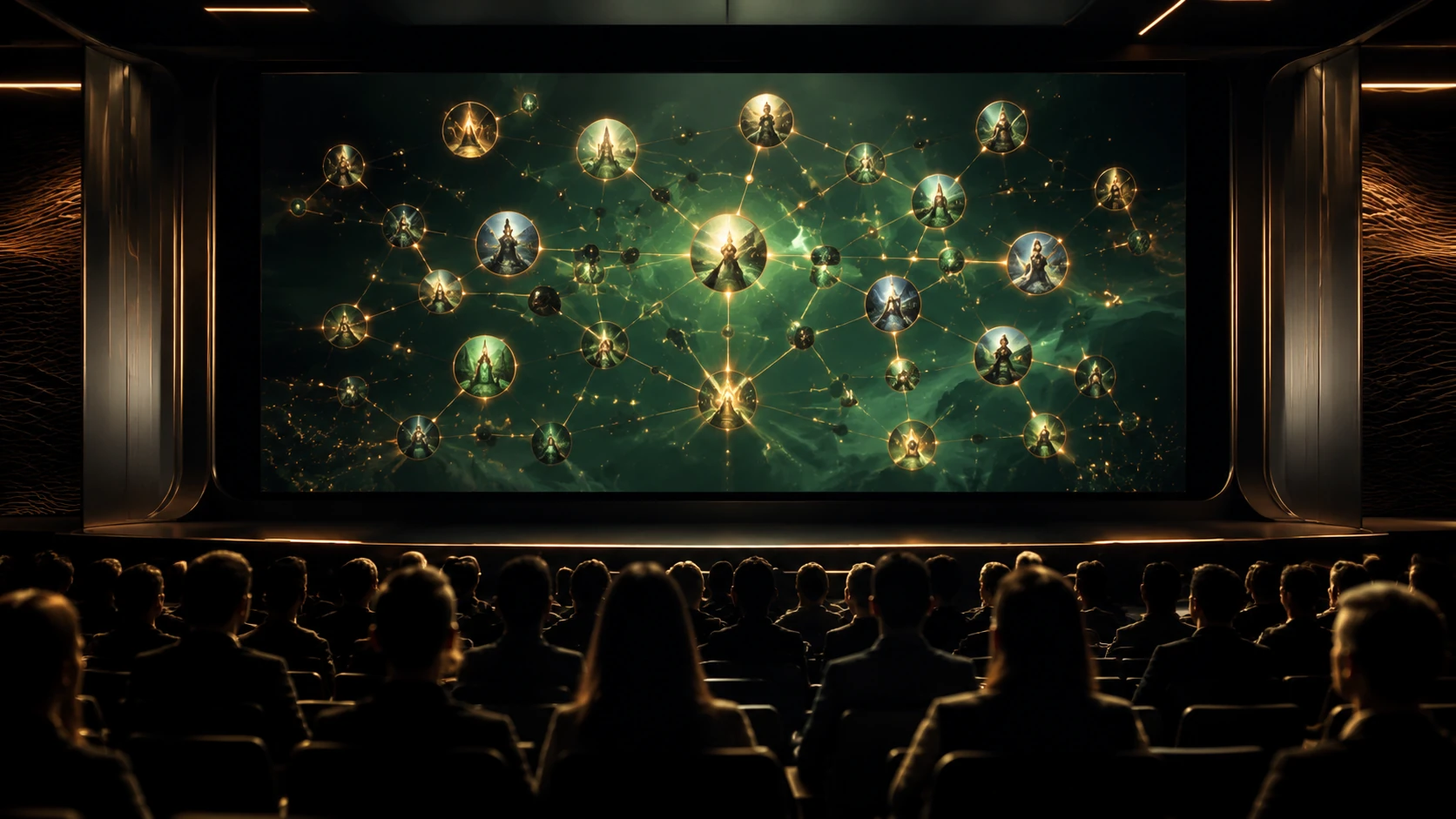
The 2026 ‘Lore-Led Community Engineering’ (LLCE) Framework: Building Brand Moats Beyond th
Discover how the 2026 Lore-Led Community Engineering (LLCE) framework allows creators to build 'lore-moats' that protect their IP from algorithmic volatility. Learn to transform passive readers into active world-building stakeholders.

The 2026 ‘Sovereign Brand’ Playbook: Engineering a Direct-to-Consumer Comic Empire
In 2026, the most successful comic creators are moving beyond platform dependence to build sovereign D2C brands. This playbook outlines the engineering required to own your audience, data, and revenue in a fragmented market.

The 2026 ‘Tiered-Access’ Monetization Model: Transitioning from Platform-Dependency to Sov
As subscription fatigue peaks in 2026, independent creators are pivoting to tiered-access models that prioritize community sovereignty over platform ad-revenue. This framework provides a roadmap for building sustainable, high-LTV revenue through curated reader experiences.

The 2026 ‘Micro-Hook’ Framework: Engineering High-Retention Narrative Loops for Serialized
Master the art of the micro-hook to thrive in the 2026 attention economy. This framework explains how to engineer narrative loops that keep readers scrolling through serialized vertical content.

The 2026 ‘Micro-Imprint’ Model: Engineering Sovereign Distribution for Independent Creator
Discover how independent creators are abandoning platform-exclusive deals to build sovereign micro-imprints. Learn the technical and strategic framework for collective-driven distribution in 2026.
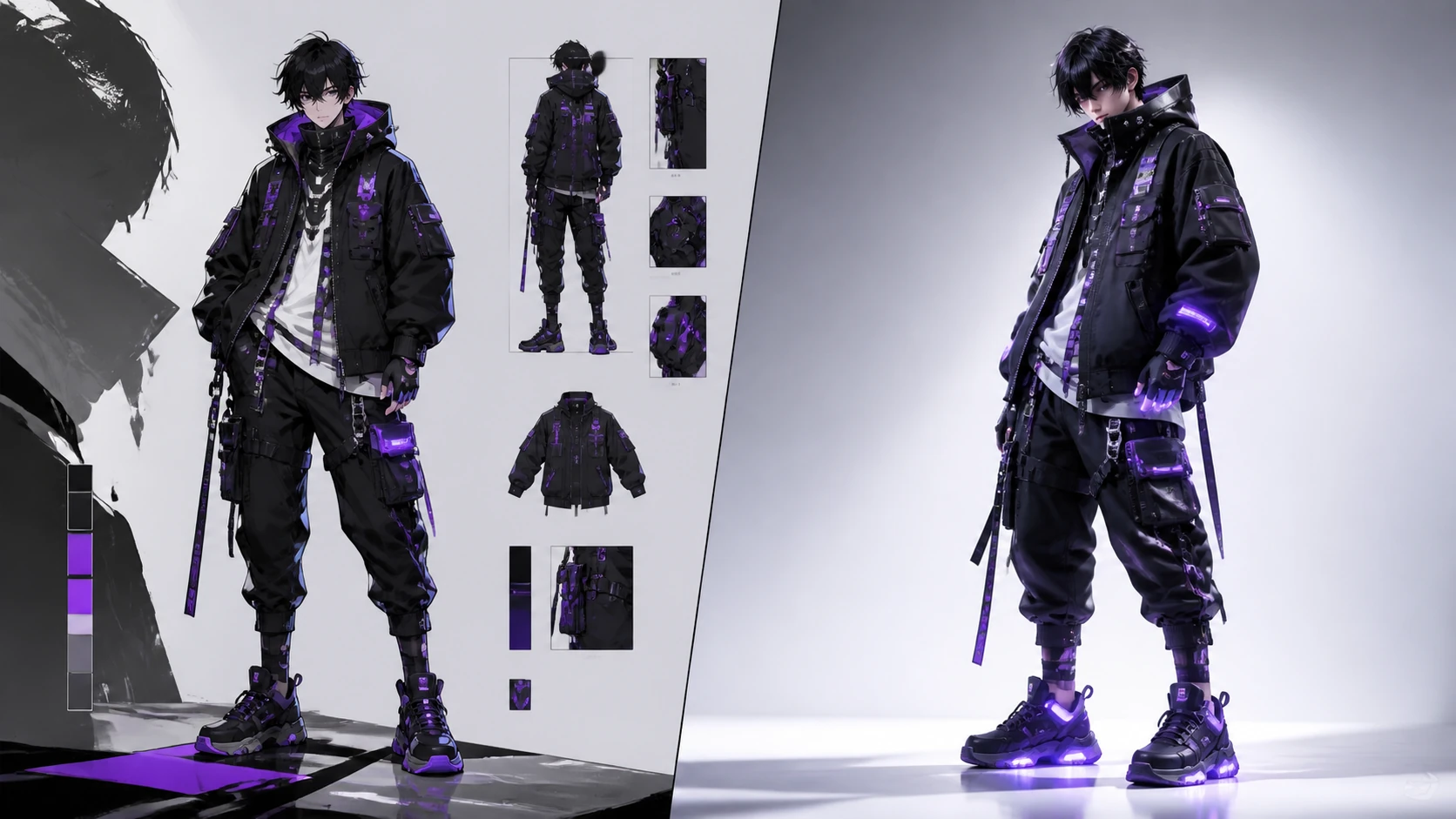
The 2026 ‘Direct-to-Avatar’ (D2A) Licensing Framework: A Creator’s Guide to the Digital Fa
The 2026 D2A economy allows comic creators to monetize character designs as virtual fashion assets. This guide explains how to bridge the gap between 2D panels and 3D social spaces.

The 2026 ‘Narrative-First’ Pitch Deck: Engineering Your Webtoon for Series Greenlights
In 2026, securing a series greenlight requires more than just a concept; it demands a data-backed Narrative-First pitch deck that proves IP longevity. Learn the professional standards for architecting your pitch to meet the rigorous demands of modern digital publishers and streaming platforms.

The 2026 Narrative-First Pitch Deck: Engineering Your Webtoon for Streaming Executive Buy-
Discover the 2026 framework for pitching webtoon IP to global streaming platforms. Move beyond visual portfolios to present a scalable, narrative-first franchise asset.

The 2026 ‘IP Equity Split’ Standard: Engineering Fair Ownership in Collaborative Webtoon P
As collaborative webtoon production becomes the industry norm, the 2026 IP Equity Split Standard provides a clear framework for balancing rights between writers and artists. This guide explores how to engineer sustainable ownership structures that protect all parties and maximize long-term franchise
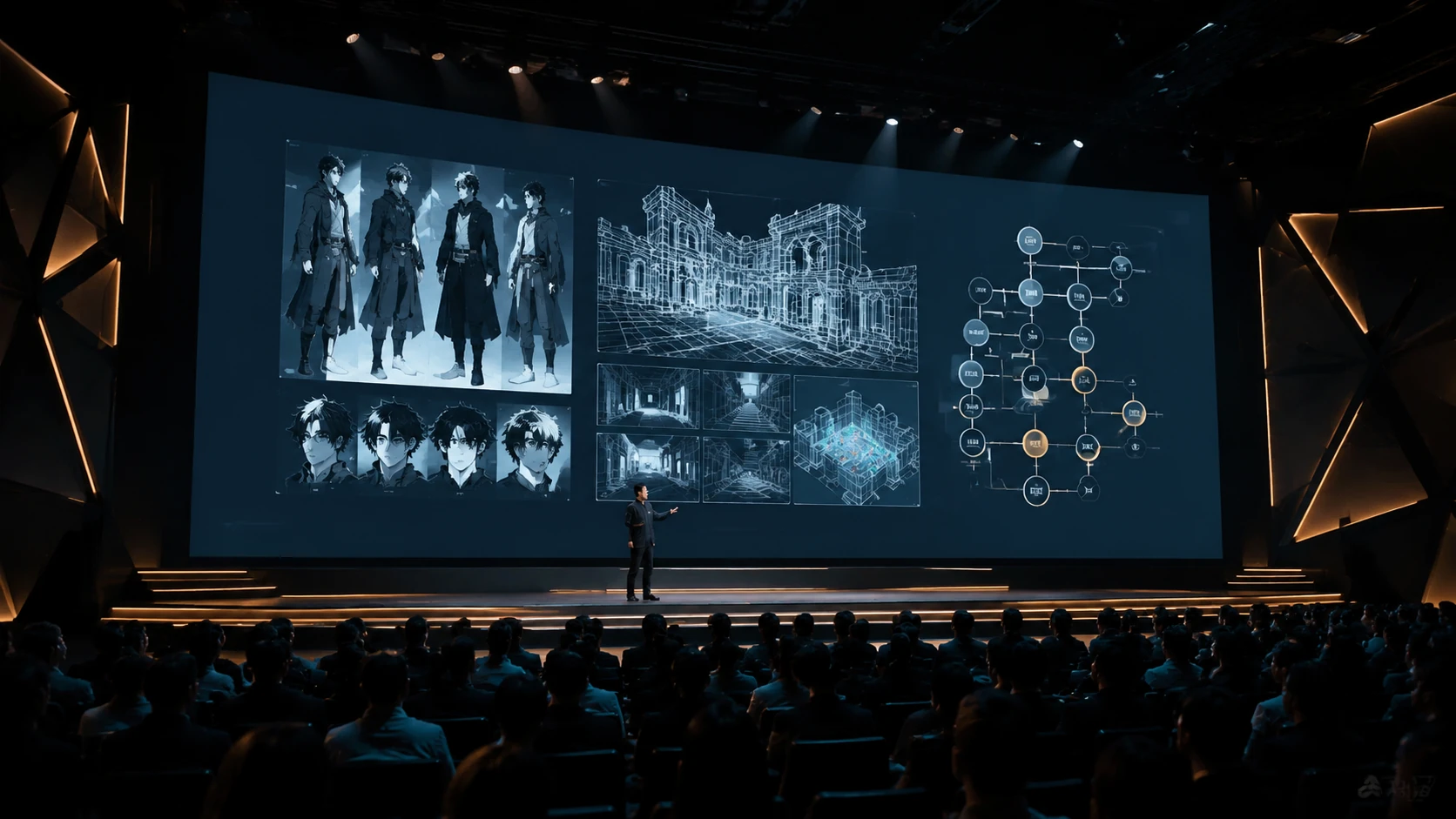
The 2026 ‘IP-Ready’ Portfolio Standard: Engineering Your Comic Assets for Global Acquisiti
In 2026, a great portfolio requires more than just high-quality art; it requires 'acquisition-ready' architecture. Learn how to structure your work to attract global studios and streaming platforms.

The 2026 Creator Collaboration Protocol (CCP): Architecting Fair IP Splits and Collaborati
Discover the 2026 Creator Collaboration Protocol (CCP), a framework designed to protect independent artists and writers through equitable IP splits and transparent workflows. Learn how to architect partnerships that survive the scale from indie pilot to global franchise.

The 2026 ‘Human-Centric’ Production Standard: Engineering Sustainable Workflows for Long-T
The 2026 shift toward 'Human-Centric' production is redefining how webtoons are made, prioritizing creator longevity over short-term output spikes. Learn how to implement sustainable workflows that protect both the artist and the IP's long-term value.

The 2026 Collaborative IP Split Standard (CISS): Navigating Writer-Artist Sovereignty
Discover how the 2026 Collaborative IP Split Standard (CISS) is revolutionizing how writers and artists share ownership in the age of transmedia adaptations. Learn to protect your creative sovereignty and secure long-term residuals.