The Global-First Blueprint: Strategic Worldbuilding for International Webtoons in 2026
Success in the 2026 webtoon market requires more than just a good plot; it demands a 'Global-First' approach to worldbuilding. This guide explores how to design settings and systems that translate across borders without losing their soul.
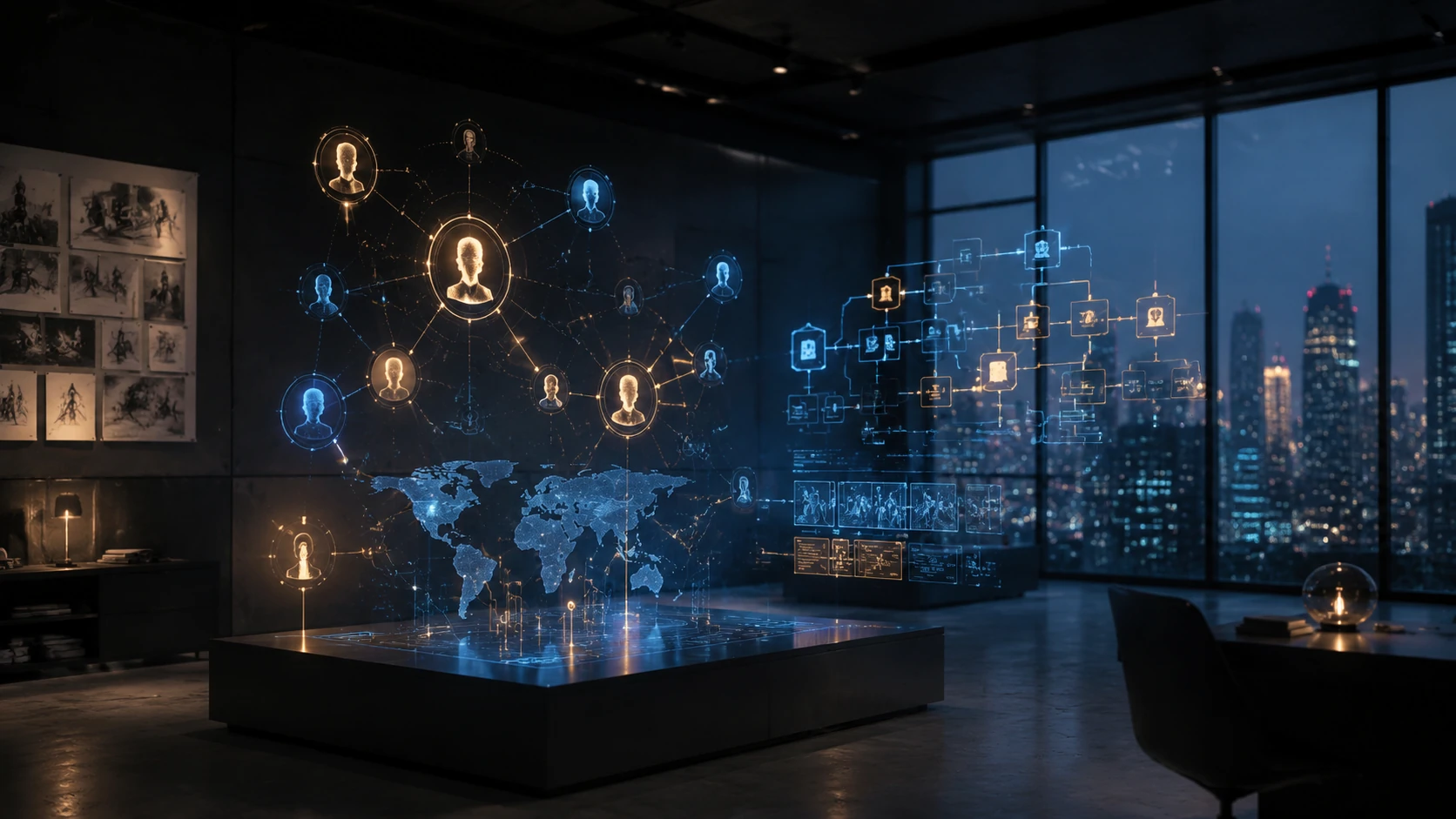
By 2026, the distinction between 'local' and 'global' webtoons has effectively vanished. With AI-powered instant localization and a more interconnected reader base, a creator's first chapter is now launched simultaneously to audiences in Seoul, New York, Paris, and Jakarta. However, while language can be translated instantly, culture and world-logic often cannot. This 'cultural friction' is the primary reason many domestic hits fail to gain traction internationally. To succeed today, creators must adopt a 'Global-First' blueprint—designing worlds that are rooted in specific aesthetics but driven by universal logic.
The 'Cores and Layers' Framework
Effective worldbuilding for 2026 relies on a two-tiered system: the Universal Core and the Cultural Layer. The Universal Core consists of the fundamental rules of your world—power dynamics, emotional stakes, and survival logic. These are human constants. The Cultural Layer is the specific skin—the fashion, the architecture, and the social etiquette. When these are balanced correctly, readers from any background can understand the *why* of your story, even if the *how* feels exotic.
- Universal Core: Scarcity of resources, desire for recognition, fear of the unknown, familial duty.
- Cultural Layer: Urban fantasy settings based on specific city layouts, localized mythology, unique culinary systems, and specific honorifics.
Designing Culturally Fluid Environments
In the past, worldbuilding was often a binary choice between 'Western High Fantasy' or 'Eastern Cultivation.' In 2026, the most successful IPs are those that blend these elements into 'culturally fluid' environments. This doesn't mean making your world generic; it means making it accessible. For example, if your magic system is based on a specific historical era's philosophy, provide visual metaphors that bridge the gap for modern, global readers.
System Design: The Logic of Magic and Tech
Readers in 2026 are increasingly sophisticated. They expect 'Hard Worldbuilding'—systems with internal consistency and clear consequences. Whether it’s a leveling system in a LitRPG or a political hierarchy in a Victorian-inspired romance, the logic must be ironclad. If a character breaks a rule of the world, the reader needs to understand why that matters immediately, without a wall of text. Visual storytelling through background details and environmental storytelling is your best tool here.
Leveraging AI for Lore Consistency
As series grow longer, maintaining worldbuilding consistency becomes a Herculean task. Modern creators are now using private, locally-hosted AI 'Lore Bibles.' By feeding your setting notes, character sheets, and previous chapters into a narrative database, you can ensure that the rules you established in Chapter 5 aren't contradicted in Chapter 150. This technological assist allows creators to build deeper, more complex worlds without the fear of plot holes that alienate dedicated fanbases.
The 2026 Reader's Expectation: Representation and Depth
Global audiences now demand authentic depth. Surface-level 'diversity' is no longer enough; readers want to see how a world's unique history shapes its characters' perspectives. Avoid the 'monolithic culture' trope where everyone from a certain region thinks and acts the same. Instead, build internal conflicts within your world's factions. This internal friction makes the world feel lived-in and real, regardless of where the reader is from.
FAQ
How much worldbuilding is too much for a webtoon?
Worldbuilding should follow the 'iceberg theory.' You should know 90% of the world's logic, but only show the 10% that directly impacts the characters and plot. Avoid 'info-dumping' in early chapters to prevent reader drop-off.
Can I use AI to generate my worldbuilding?
AI is an excellent tool for brainstorming and maintaining consistency, but the 'Global Core'—the emotional heart and unique vision—should come from the creator to ensure the story feels authentic and original.
How do I make my fantasy world feel unique in 2026?
Combine disparate elements. Instead of standard medieval fantasy, try 'Silk-punk,' 'Solar-punk,' or 'Deco-tech.' Mixing historical aesthetics with futuristic logic often creates a fresh 'Visual IP' that stands out on platforms.