The Architecture of Engagement: Mastering Vertical Pacing for Webtoons in 2026
The shift from page-turning to vertical scrolling has fundamentally changed how audiences consume stories. In 2026, the creators winning the engagement war are those who treat pacing like architecture.
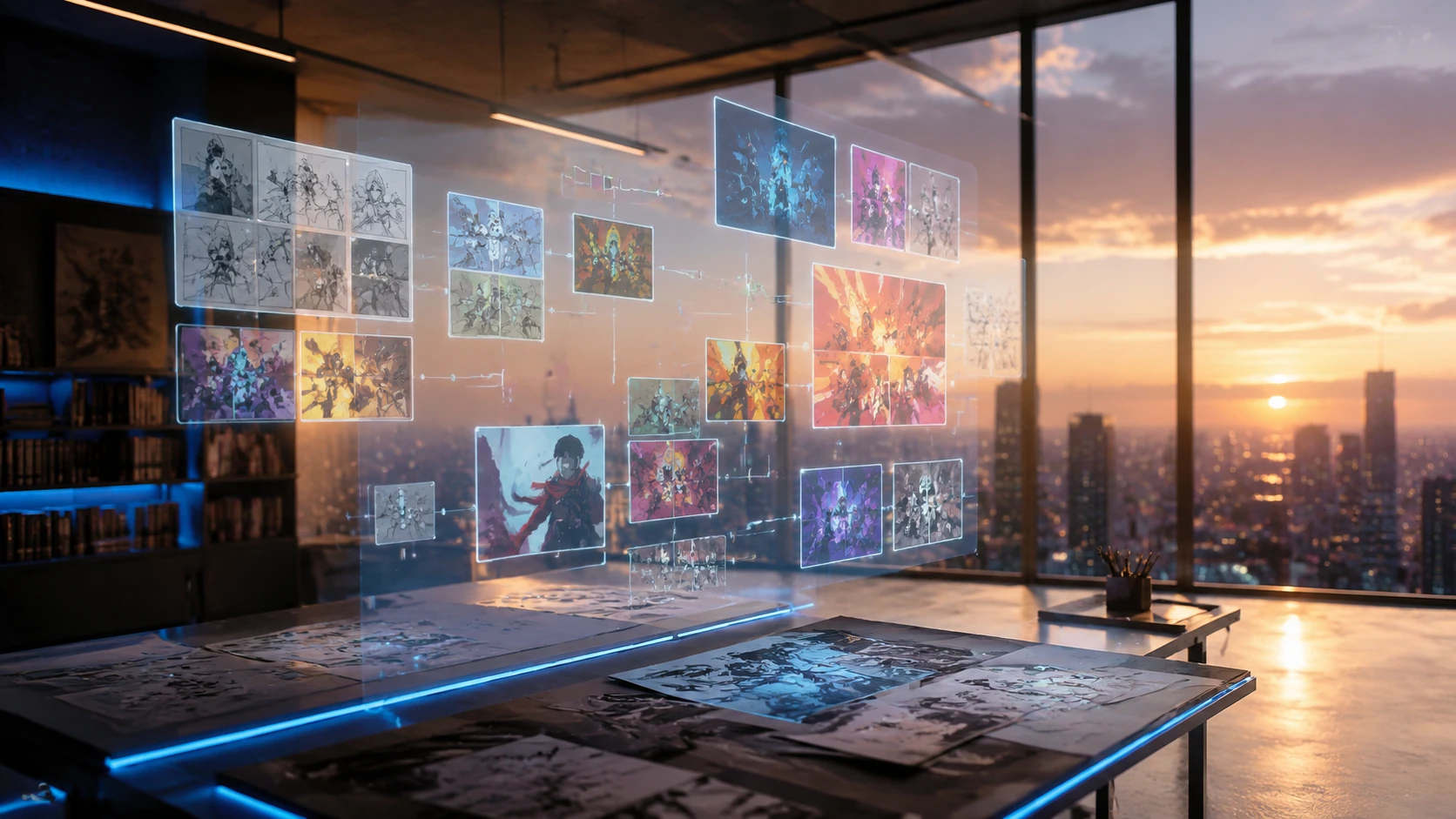
In the crowded landscape of 2026, having a great art style is no longer enough to guarantee a hit. As global platforms like COMICLS and major webtoon hubs evolve, the metric that determines a series' survival is 'Scroll Retention.' Vertical storytelling is no longer just about stacking panels; it is a psychological game of managing white space, speed, and visual breath.
The Three-Scroll Rule: Capturing the 15-Second Window
The first three scrolls of a chapter are the most critical. Data from 2025 reader behavior indicates that if a reader does not encounter a 'hook'—either visual or narrative—within the first 15 seconds of scrolling, bounce rates skyrocket by 40%. Creators must move away from the traditional 'slow burn' intro and instead use 'Action-In-Media-Res' or high-impact atmospheric establishers to lock in the reader's attention immediately.
Architecting the Gutter: Using Negative Space as a Pacing Tool
In vertical comics, the 'gutter' (the space between panels) acts as the story's lungs. Long, empty gutters simulate the passage of time or a moment of tension, forcing the reader to scroll slowly and build anticipation. Conversely, tight, overlapping panels increase the perceived speed of an action sequence.
- The Expansion Gap: Use 500px to 800px of white or black space to signal a shift in location or a heavy emotional beat.
- The Speed Stack: Overlap panels diagonally to guide the eye quickly during combat or high-energy scenes.
- The Reveal Pivot: Place a major plot point immediately after a long stretch of silence to maximize the 'shock' factor.
AI-Enhanced Pacing Analytics
Modern creators are now using AI tools not just for coloring, but for 'pacing heatmaps.' These tools analyze the density of dialogue bubbles versus visual beats to ensure the reader doesn't experience 'text fatigue.' In 2026, the optimal ratio is roughly 1 dialogue bubble for every 2.5 panels in action-heavy scenes, and 1:1 in character-driven drama.
Conclusion: The Future is Fluid
The mastery of vertical pacing is what separates professional creators from hobbyists in the digital age. By viewing the scroll as a rhythmic experience rather than a static page, you turn your comic into a cinematic journey that readers can't put down.
FAQ
What is the ideal panel count for a webtoon chapter in 2026?
While it varies by genre, the industry standard for engagement in 2026 is between 55 and 75 panels. This provides enough depth for a satisfying read without causing scroll fatigue.
How do I use gutters to improve my storytelling?
Use wider gutters to slow down time and create tension, and shorter gutters to speed up the action. Think of the gutter as the 'silence' between notes in music.
Does vertical pacing affect monetization?
Absolutely. Better pacing leads to higher retention rates, which directly correlates to more 'fast pass' sales and higher ad revenue on most platforms.