Character IP Mastery: Building a Global Franchise from Your Webtoon in 2026
In 2026, a webtoon is no longer just a story; it is the launchpad for a multi-platform intellectual property. Learn how to architect characters that transcend their panels and dominate global markets.
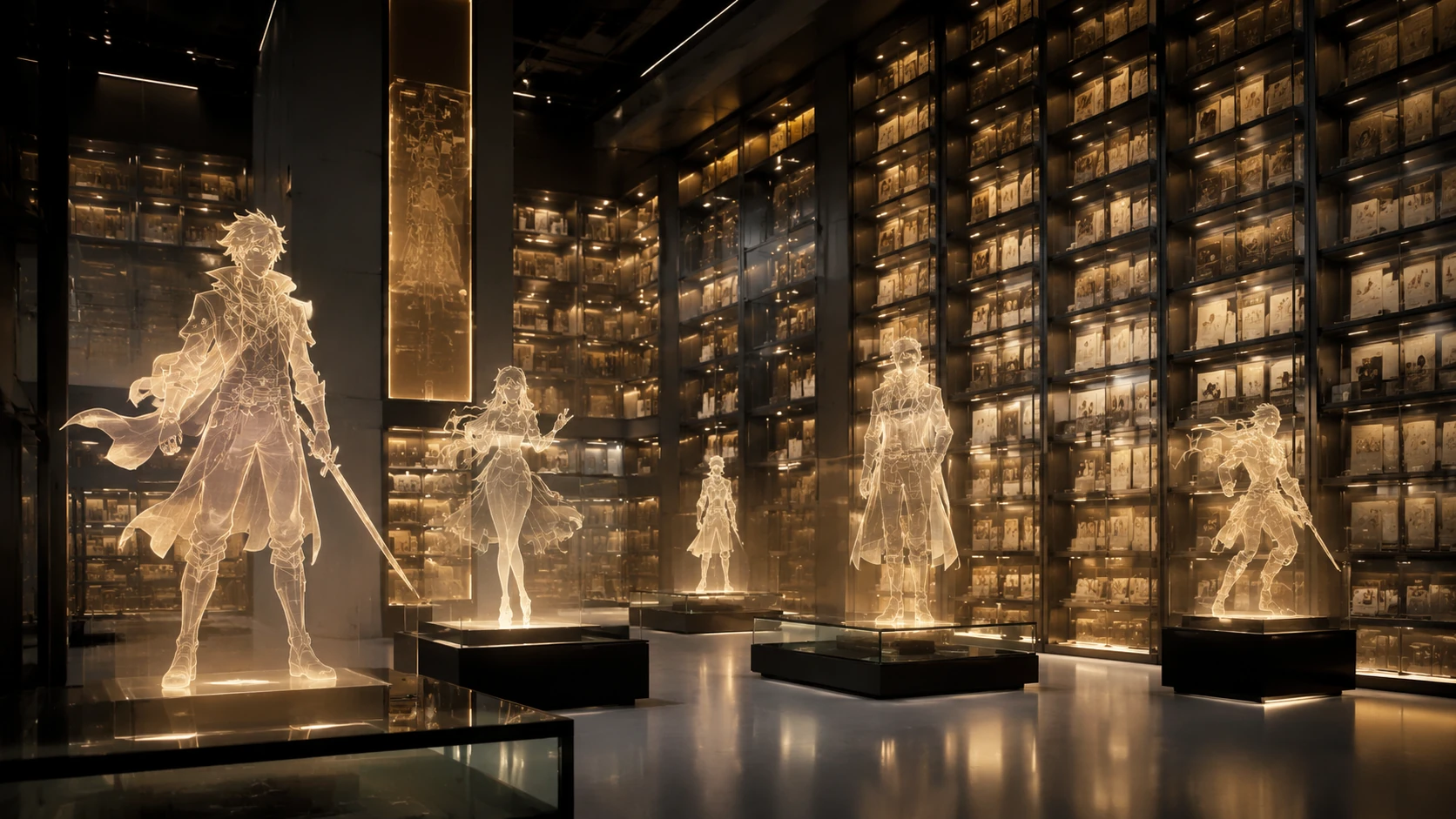
The 2026 creator economy has shifted from high-volume output to high-value asset management. For webtoon creators, the 'story' is the engine, but the 'character' is the equity. As platforms become increasingly saturated, the ability to build a recognizable, licensable, and culturally resonant Character IP (Intellectual Property) is the line between a fleeting viral hit and a decade-long career. In this landscape, character design is no longer just about aesthetics; it is about architectural brand building.
The Anatomy of a High-Recall Character
In the fast-scrolling environment of mobile reading, a character must be instantly identifiable through a 'silhouette test' and a 'color-palette signature.' By 2026 standards, high-recall design involves more than a unique hairstyle. It requires a cohesive visual language that remains consistent across various media, from 2D webtoon panels to 3D animations and physical merchandise.
- Visual Anchors: Unique physical traits or accessories that act as a visual shorthand for the character's personality.
- Color Theory for Branding: Assigning a primary and secondary color palette that triggers psychological associations with the character's role.
- Scalability: Designing costumes and features that are simple enough to be reproduced by fan artists yet distinct enough to be trademarked.
AI-Assisted Consistency and Style Guides
The rise of AI tools in 2026 has made visual consistency easier to maintain but harder to master. Professional creators now utilize 'Style Guides'—comprehensive digital dossiers that include character sheets, turnaround views, and specific LoRA (Low-Rank Adaptation) models for AI workflows. This ensures that whether the art is generated, assisted, or hand-drawn, the character's 'soul' and proportions remain identical across hundreds of chapters.
Designing for Merchandising and Physical Goods
Successful IP expansion requires thinking about the physical world early in the creative process. Creators are now designing 'merch-ready' characters by considering how key items—like a specific jacket, a magical tool, or a companion creature—translate into plushies, apparel, or high-end figurines. The 2026 market favors 'lifestyle' merchandise where the IP is integrated into wearable fashion rather than just printed graphics.
The Licensing Roadmap: From Webtoon to Multimedia
Transitioning from a digital comic to a global franchise involves a multi-step licensing strategy. This begins with territorial rights (localization) and extends to gaming, animation, and live-action adaptations. In 2026, creators often retain greater control over their IPs by partnering with boutique agencies that specialize in 'transmedia storytelling,' ensuring the character's core values aren't lost in translation when moving to a new medium.
Ultimately, the goal is to create a 'Character Universe' where the audience's emotional connection to the protagonist exceeds their interest in the plot alone. When a reader buys a keychain or a digital sticker pack, they aren't just buying a product; they are signaling their membership in the character's community.
FAQ
What is the difference between a character and a Character IP?
A character is a figure within a story, while a Character IP is a legally protected asset designed for commercial use across multiple platforms, including merchandise, licensing, and spin-offs.
How do I protect my character IP in 2026?
Beyond copyright, protection involves establishing a clear paper trail of creation, utilizing digital watermarking for early drafts, and registering trademarks for character names and logos in key markets.
Can I use AI to help develop my character IP?
Yes, many creators use AI for iterative design and maintaining consistency, but the 'human-in-the-loop' element is crucial for ensuring the design is unique enough to be legally protected and emotionally resonant.