Why the Fast-Pass Gap Kills Webtoon Revenue
A deep-dive case study on how excessive fast-pass chapter gaps trigger cliffhanger fatigue, fragment communities, and decay reader monetization in 2026.
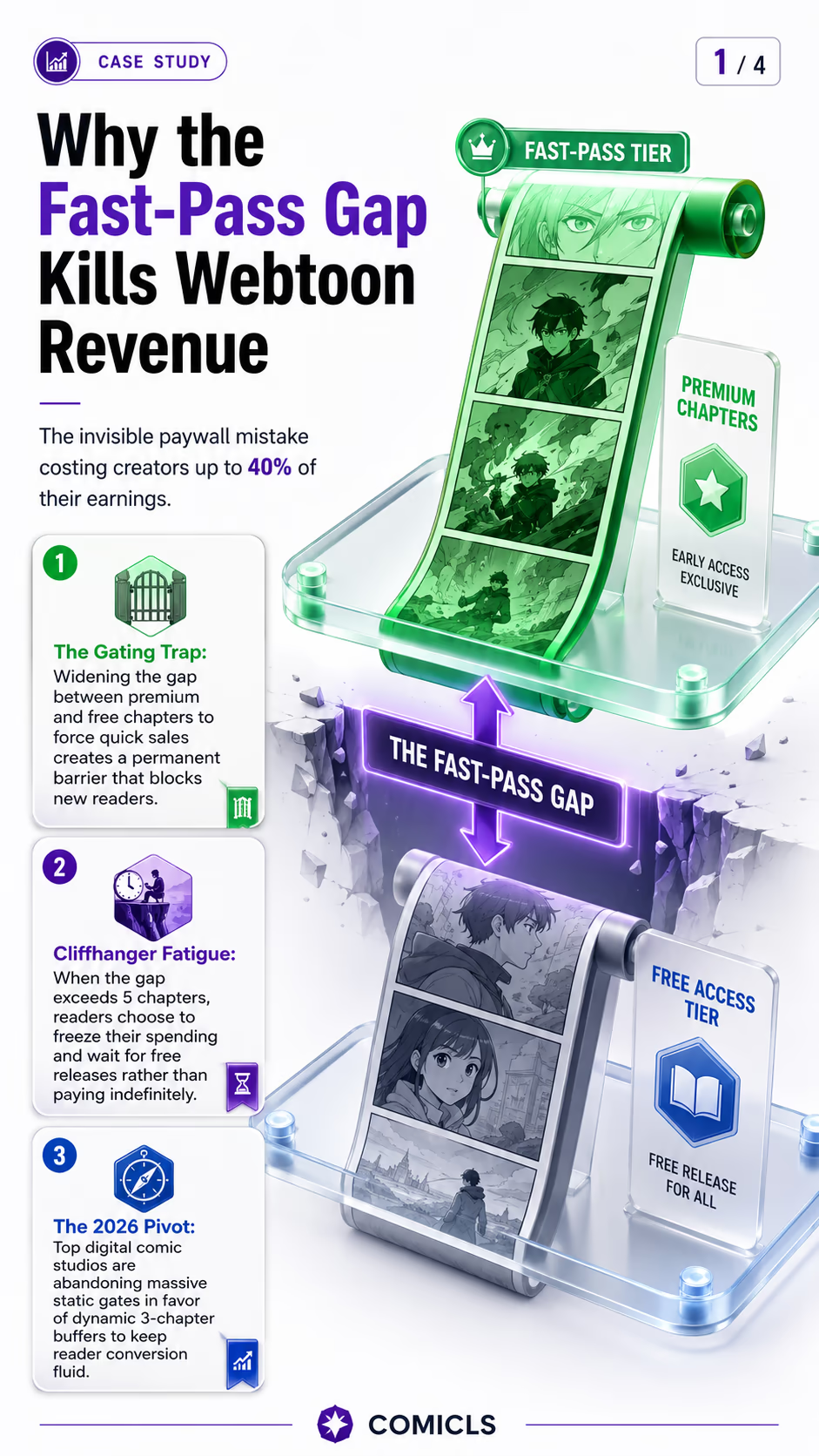
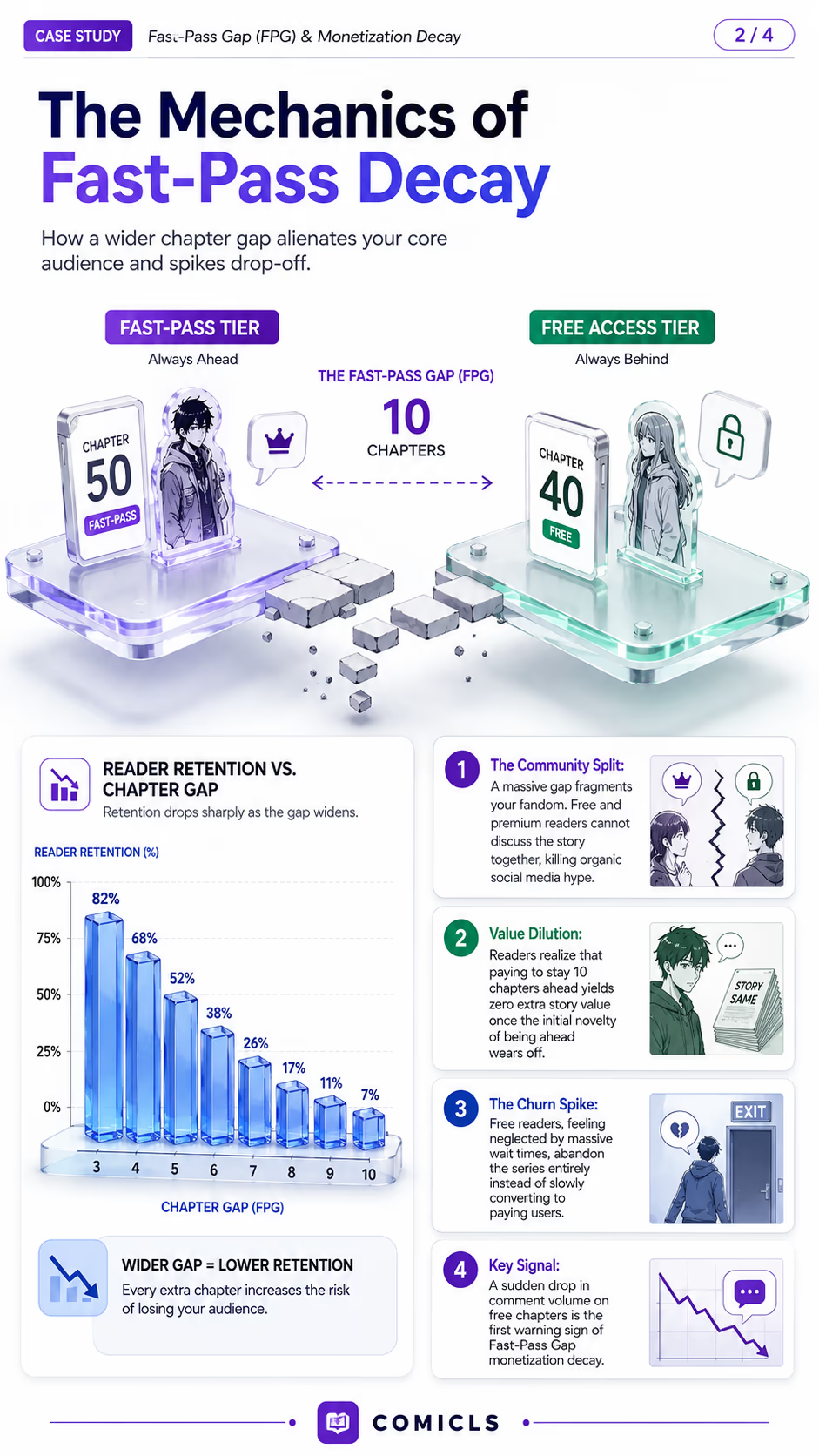
The Fast-Pass monetization model has been a staple of digital comic platforms for years, but 2026 data shows that maximizing the gap size can actually destroy long-term series revenue. Many creators and studios mistakenly believe that locking 5, 8, or even 10 chapters behind a paywall will force readers to pay. In reality, this wide gap triggers cliffhanger fatigue, causing readers to stop spending and wait for free releases, which freezes creator cash flow.
- The Gating Trap: Locking more chapters increases short-term spikes but permanently decays long-term reader retention.
- Community Fragmentation: Large gaps prevent free and premium readers from discussing the latest plots together, killing viral growth.
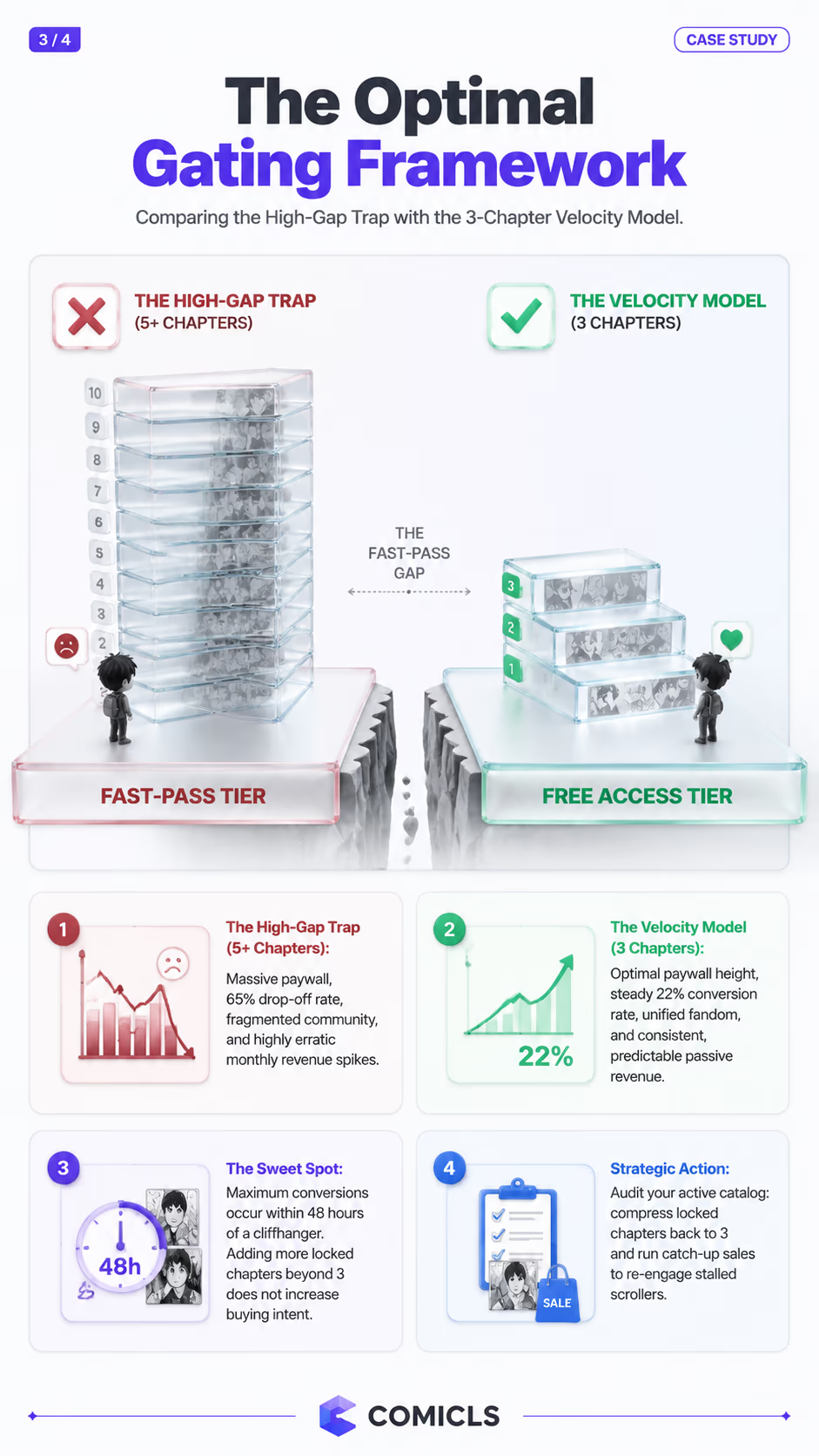
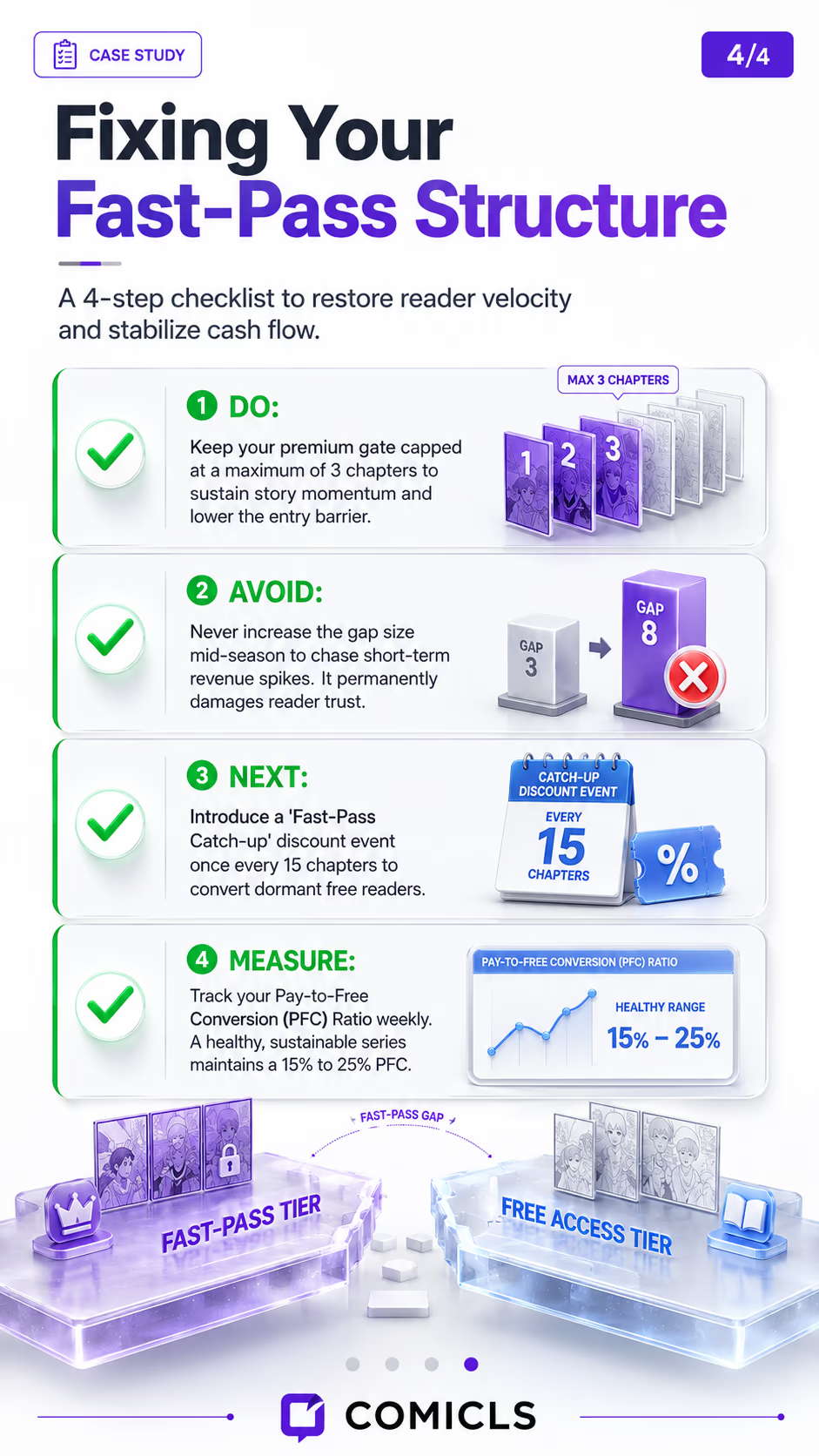
- The 3-Chapter Velocity Model: Keeping premium buffers capped at 3 chapters maintains high reader conversion and consistent revenue.
- Monetization Metrics: Tracking your Pay-to-Free Conversion (PFC) Ratio is essential to keeping your digital comic profitable.
FAQ
What is the Fast-Pass Gap (FPG)?
The Fast-Pass Gap refers to the number of chapters locked behind a paywall that readers must pay to unlock before they can read them on a free schedule.
Why does a wider fast-pass gap cause reader churn?
When the gap is too wide, readers experience cliffhanger fatigue. They feel the financial cost outweighs the story value of staying ahead, causing them to stop buying chapters and wait for the free release schedule to catch up.
How many locked fast-pass chapters are optimal for webtoons?
Data shows that a 3-chapter premium buffer is the sweet spot. It provides enough incentive for dedicated fans to convert without alienating free readers or dividing the community conversation.