Why Readers Quit: The 2026 Panel-Density Audit
Reader tolerance for 'pacing padding' has hit an all-time low in 2026. Master the Panel-Density (PD) Audit to ensure every scroll delivers narrative value and maintains subscriber retention.
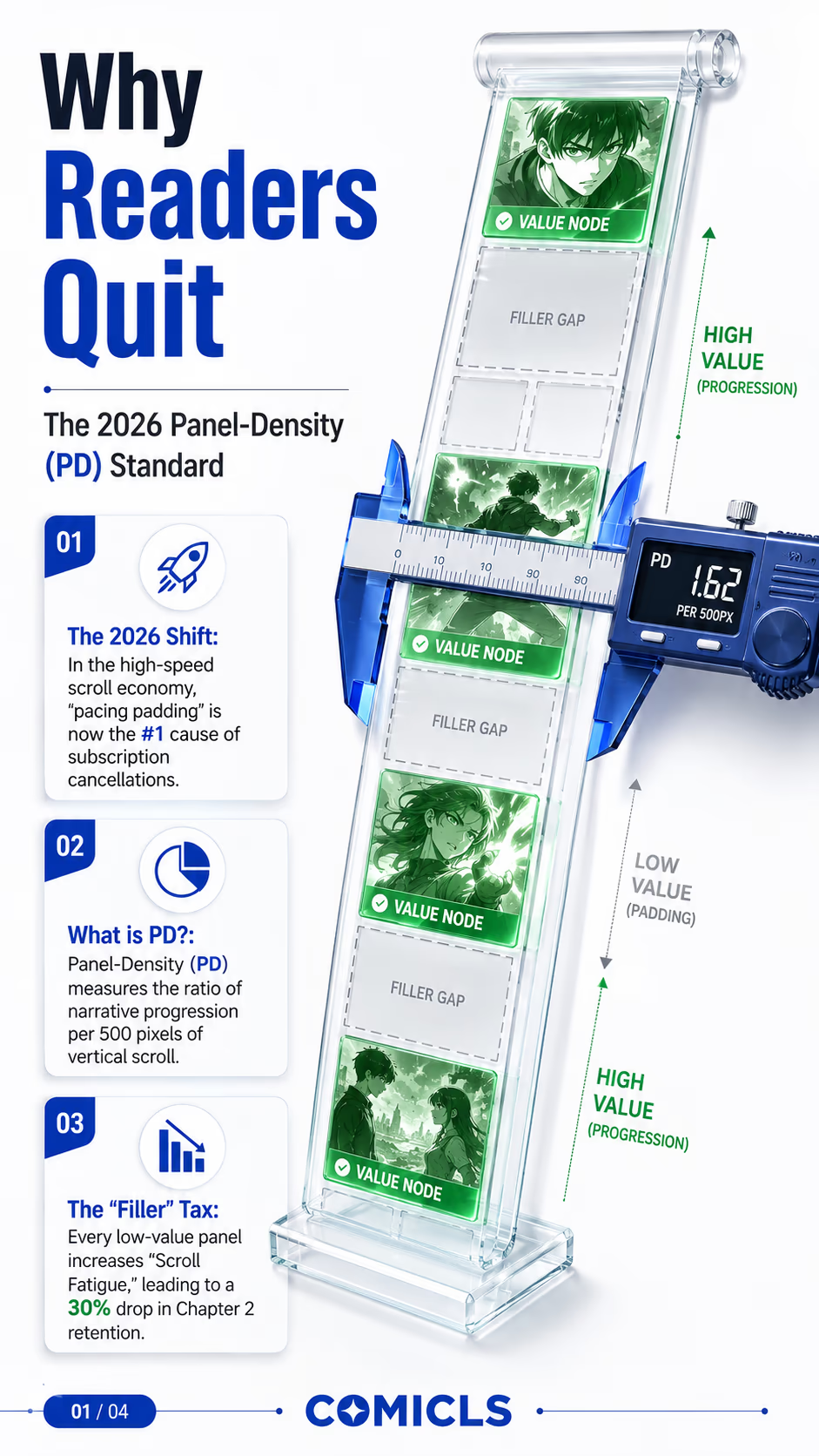
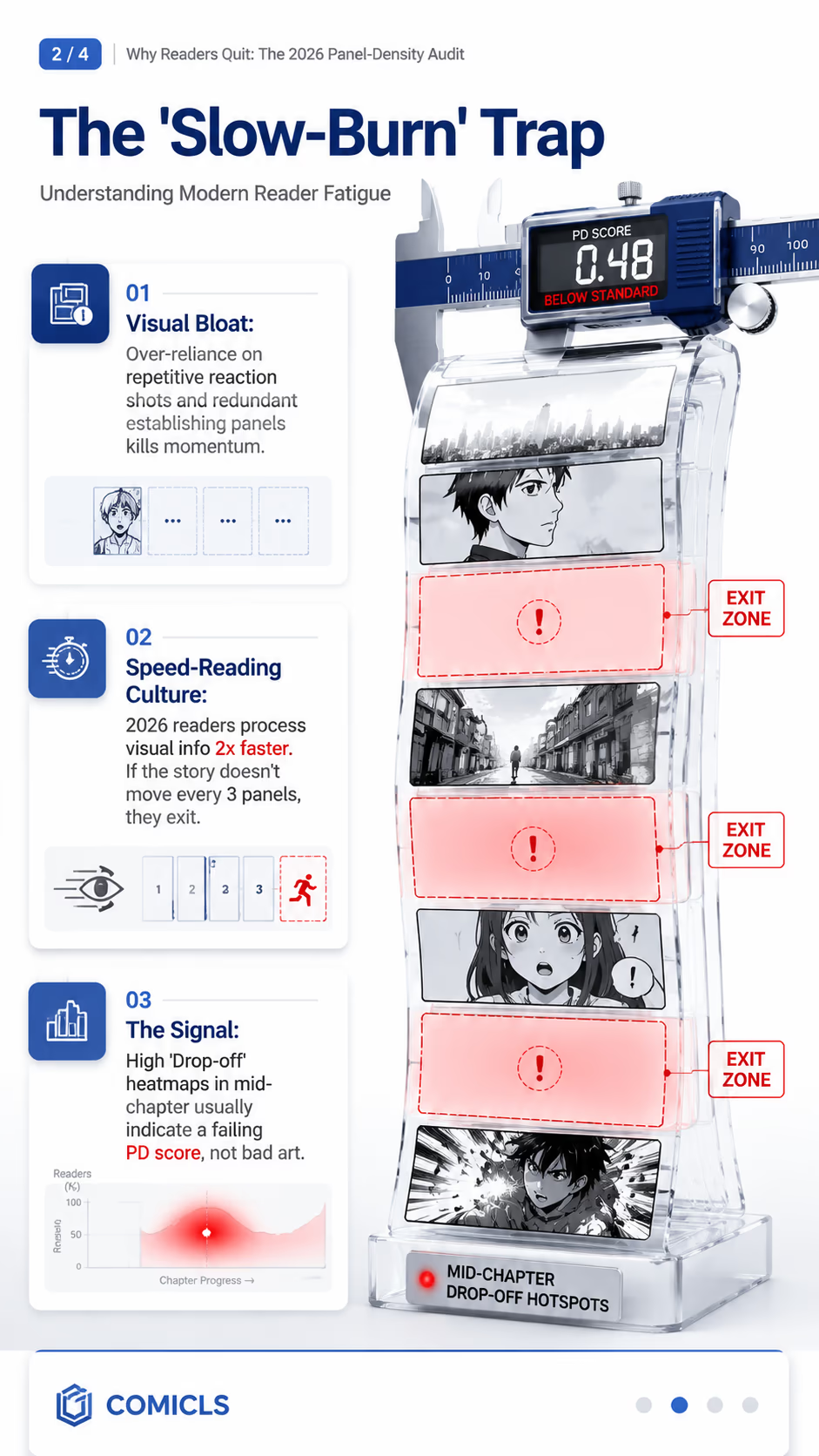
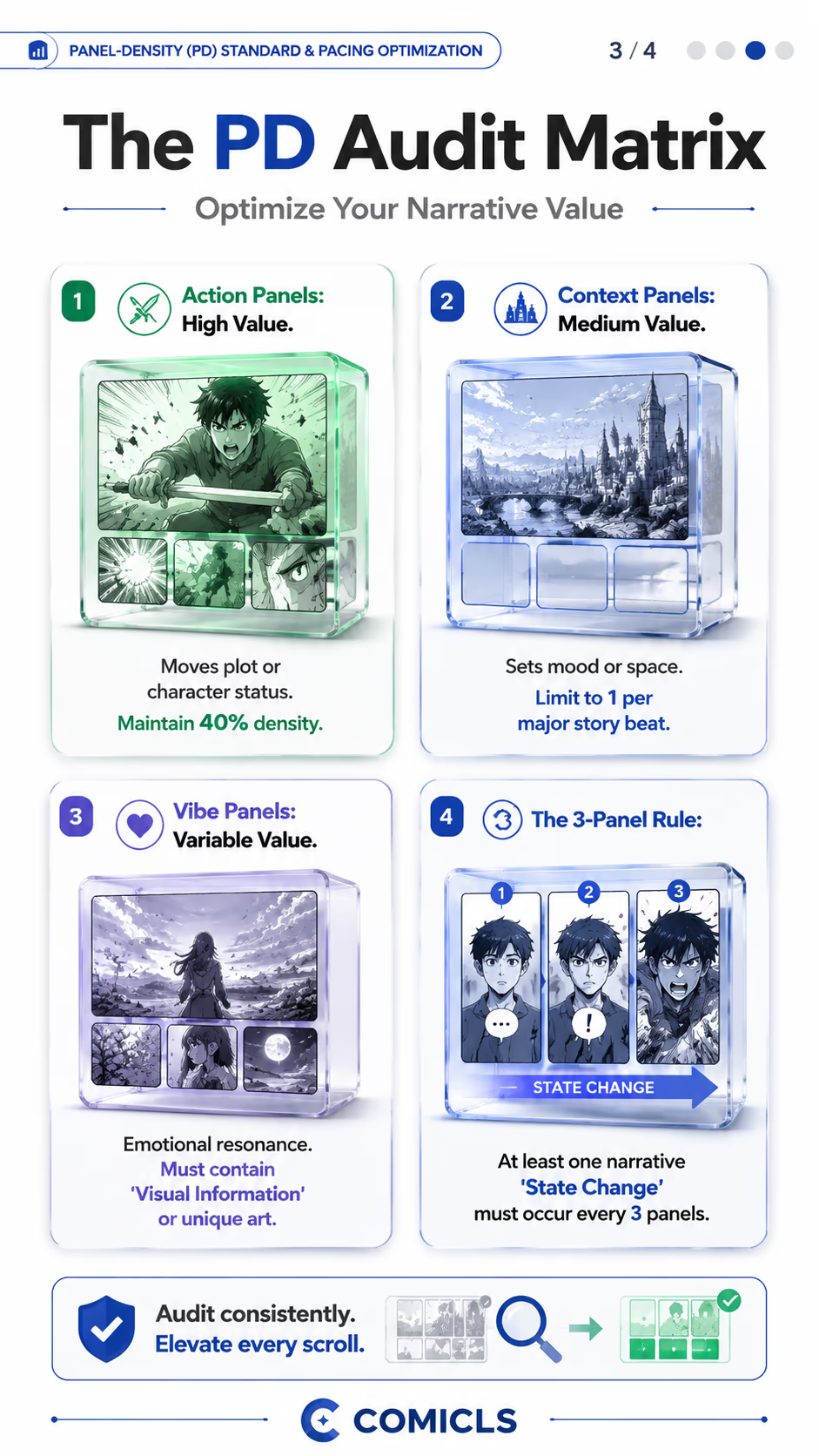
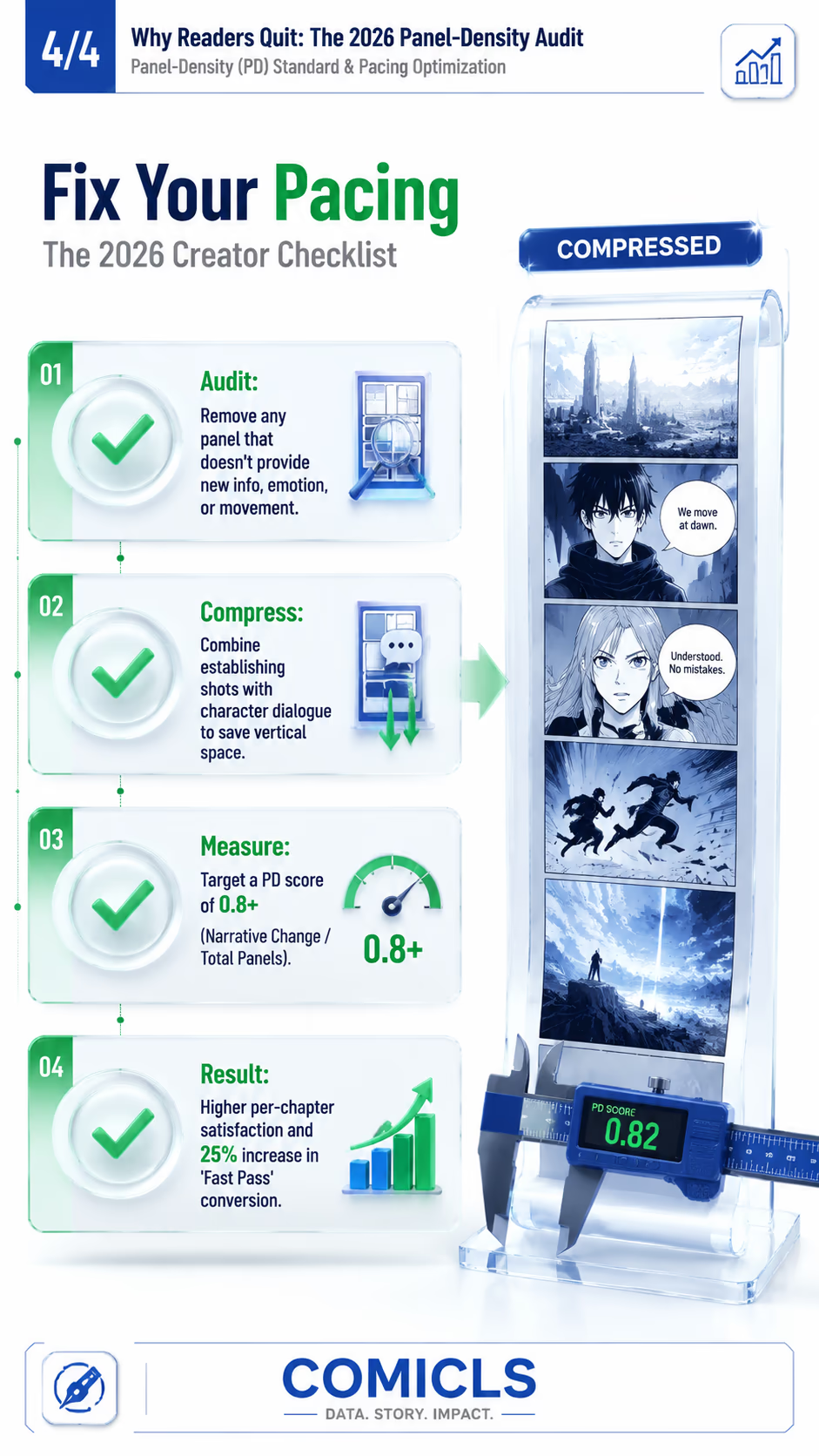
In 2026, the volume of available content has forced readers to become ruthless with their time. The 'Panel-Density' (PD) Standard is the new benchmark for professional webtoon and manga creation, focusing on maximizing the narrative ROI of every scroll. This 4-page guide introduces the PD Audit, a workflow designed to identify and eliminate 'filler fatigue' that causes mid-series reader drop-off. By applying the PD Matrix, creators can ensure their story beats remain tight, their pacing remains cinematic, and their audience remains subscribed.
- Learn why 'Slow-Burn' pacing is failing in the 2026 attention economy.
- Discover the PD Audit Matrix to categorize panels by Narrative Value.
- Implement the 3-Panel State-Change Rule to maintain constant momentum.
- Use the Creator Checklist to compress visual storytelling for higher ROI.
FAQ
What is a good Panel-Density score?
A healthy PD score in 2026 is 0.7 to 0.85, meaning roughly 70-85% of your panels contribute a meaningful change in plot, character, or critical information.
Does higher Panel-Density mean shorter chapters?
Not necessarily. It means higher 'Value-Density.' You can have long chapters, provided they aren't padded with redundant reaction shots or empty space.