The Technical SEO Guide for Webtoon Creators: Mastering Schema and Semantic Metadata in 20
In the 2026 AI-driven search landscape, traditional keywords are no longer enough to make your webtoon visible. This guide explores the technical architecture required to ensure your series is indexed, understood, and recommended by modern semantic search engines.
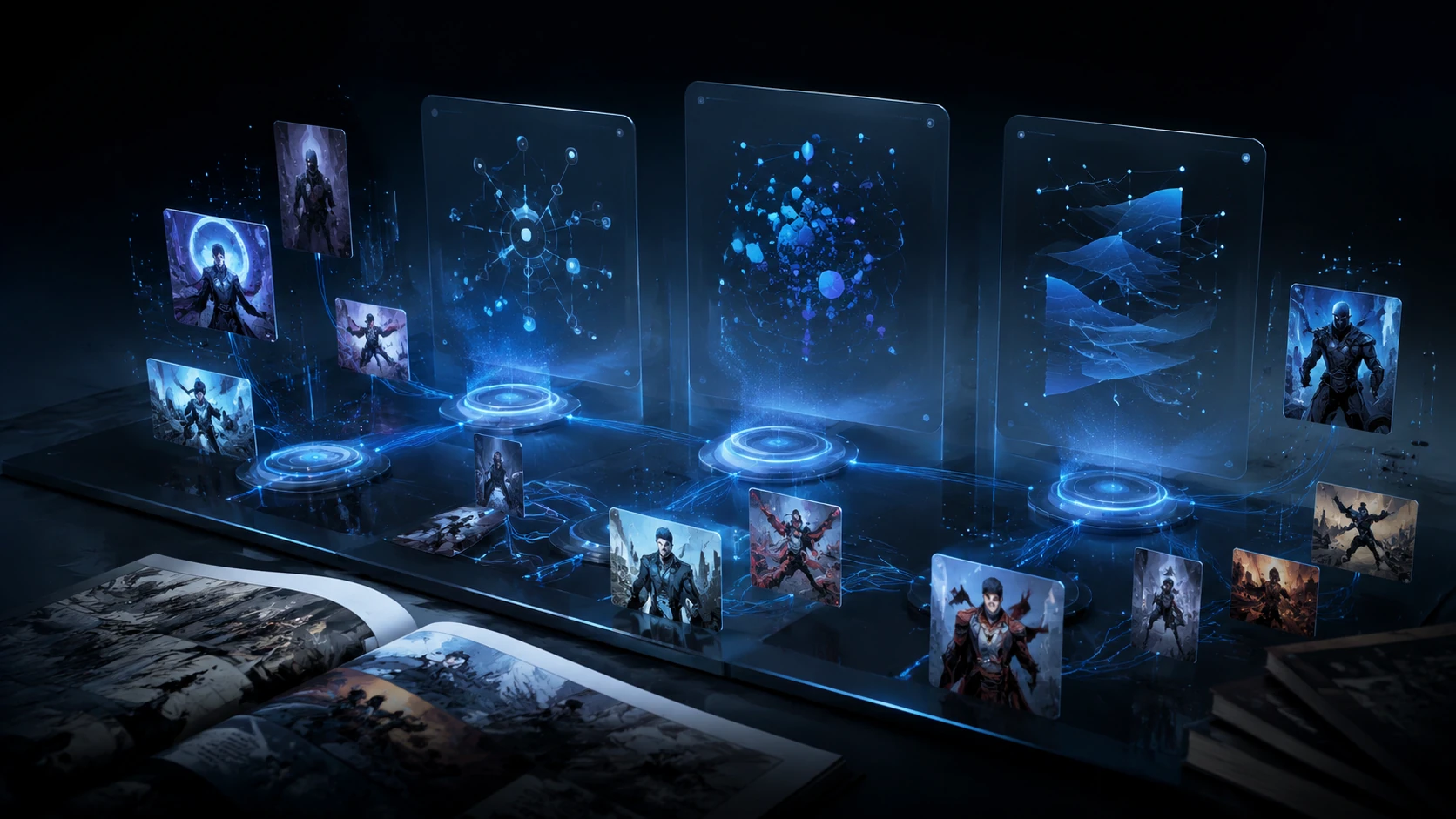
By 2026, the way readers discover new webtoons has fundamentally shifted from simple keyword matching to complex semantic intent. Search engines like Google and specialized AI discovery agents no longer look for the word 'romance'; they look for the entities, tropes, and emotional markers that define your story. If your series isn't technically optimized to be 'machine-readable,' it remains invisible to the very algorithms designed to connect creators with their ideal audience. This guide provides a comprehensive roadmap for mastering the technical SEO architecture of your webtoon, moving beyond basic tags into the realm of schema markup and structured data that defines the 2026 publishing landscape.
The 2026 Shift: Why Traditional Keywords Are Failing Indie Creators
The traditional method of stuffing a series description with 'popular' keywords has reached its expiration point. In 2026, search algorithms prioritize 'Helpful Content' and 'Topical Authority,' utilizing Large Language Models (LLMs) to parse the actual narrative substance of a comic. When a reader searches for a 'slow-burn workplace rivalry with high-stakes corporate espionage,' the search engine isn't just looking for those words in your title. It is analyzing the semantic relationship between your characters, your plot summaries, and the metadata you provide. Creators who fail to implement structured data find themselves buried under AI-generated noise, while those who master technical SEO gain a significant competitive edge by becoming a 'verified entity' in the eyes of the search engine.
Step 1: Implementing Comic-Specific Schema.org Markup
Structured data is the secret language of the 2026 web. By using Schema.org (specifically variations of CreativeWork and Series), you tell search engines exactly what your content is. For webtoons, this means going beyond the basics. You should be implementing JSON-LD scripts on your series landing pages that define the 'genre', 'author', 'illustrator', and 'fictionalWorld'. In 2026, we also see the rise of 'Trope-Schema,' a community-driven extension that allows you to tag specific narrative elements like 'Enemies-to-Lovers' or 'Found Family' as machine-readable entities. This ensures that when an AI discovery tool is asked to find a specific story archetype, your series is categorized correctly at the code level.
- Use JSON-LD for 'Series' and 'Episode' level structured data.
- Include 'character' entities within your schema to build IP authority.
- Define 'isFamilyFriendly' and 'contentRating' to ensure proper age-gate indexing.
- Map your series to specific 'CreativeWorkSeries' identifiers to link different platforms.
Step 2: Optimizing for 'Vibe' and Aesthetic Search
A significant portion of 2026 search queries are 'vibe-based'—readers searching for an aesthetic rather than a plot. To capture this traffic, your metadata must include visual and atmospheric descriptors. This is where 'Visual Alt-Text' and 'Stylistic Metadata' come into play. Instead of generic alt-text for your thumbnails, use descriptive language that mirrors high-intent search queries. For example, 'Neo-noir cyberpunk city with rain-slicked streets and neon purple lighting' is a far more effective metadata tag than 'Series Thumbnail.' By describing the art style, color palette, and atmospheric tone in your site’s hidden metadata, you feed the AI's ability to match your visual identity with a reader's aesthetic preference.
Actionable Metadata Checklist
- Update all image alt-text with 'Art Style' keywords (e.g., Painterly, Line-heavy, Cel-shaded).
- Include 'Primary Color Palette' in your hidden meta tags to aid visual search engines.
- Ensure your 'OG:Image' (Open Graph) is optimized for high click-through rates in AI summaries.
- Use descriptive file names for assets (e.g., 'cyberpunk-romance-webtoon-lead-character.webp').
Step 3: Narrative Entity Mapping for Long-Term Discovery
In 2026, the most successful creators treat their series as a database of entities. An entity is a unique concept—a specific character, a unique magical system, or a fictional location. By consistently mentioning these entities across your series description, chapter titles, and social media, you create a 'knowledge graph' for your IP. Search engines use this graph to understand the depth of your world-building. If your series has a unique lore, create a dedicated 'World' or 'Glossary' page on your site. This page acts as a pillar of SEO authority, signaling to search engines that your comic is a significant and well-documented work of fiction, which in turn boosts the ranking of every individual chapter.
Common Mistakes: What to Avoid in 2026 Technical SEO
One of the biggest mistakes creators make is relying solely on third-party platform metadata. While platforms like Webtoon or Tapas have their own internal search, they often hide your data from global search engines like Google. To truly own your visibility, you must host a 'Sovereign Landing Page' where you control the technical SEO. Avoid 'Thin Content'—pages that only contain an image and no text. AI search engines cannot crawl an image without supporting text. Another common error is ignoring 'Search Intent Matching.' If you tag your series as 'Action' but the metadata focuses heavily on 'Romance,' the search engine will detect the mismatch through reader behavior (high bounce rates), and your ranking will plummet due to a lack of 'Helpful Content' alignment.
Conclusion: Building a Future-Proof Series Architecture
Technical SEO for webtoons is no longer an optional skill for elite studios; it is a survival requirement for independent creators. By implementing schema markup, optimizing for aesthetic search, and building a narrative knowledge graph, you ensure that your series isn't just another drop in the digital ocean. In 2026, the creators who win are those who understand that a story is both a creative masterpiece and a structured data set. Start by auditing your current metadata today, and begin the transition toward a semantically optimized brand that AI search engines can proudly recommend to the world.
FAQ
What is the most important Schema tag for a webtoon?
The 'CreativeWorkSeries' tag is essential, as it groups individual chapters into a single narrative entity for search engines.
Does alt-text really help my comic get found?
Yes. In 2026, visual search and AI image recognition use alt-text to categorize the 'vibe' and 'art style' of your series.
Should I have a separate website for my webtoon's SEO?
Absolutely. A sovereign landing page allows you to implement custom JSON-LD and Schema that third-party platforms often restrict.