The Strategic Hiatus: Masterminding Mid-Series Breaks for IP Longevity in 2026
In 2026, the mid-series hiatus has evolved from a desperate health measure into a calculated marketing and narrative pivot. Learn the framework for executing a 'Strategic Hiatus' that increases IP value while preventing creator burnout.
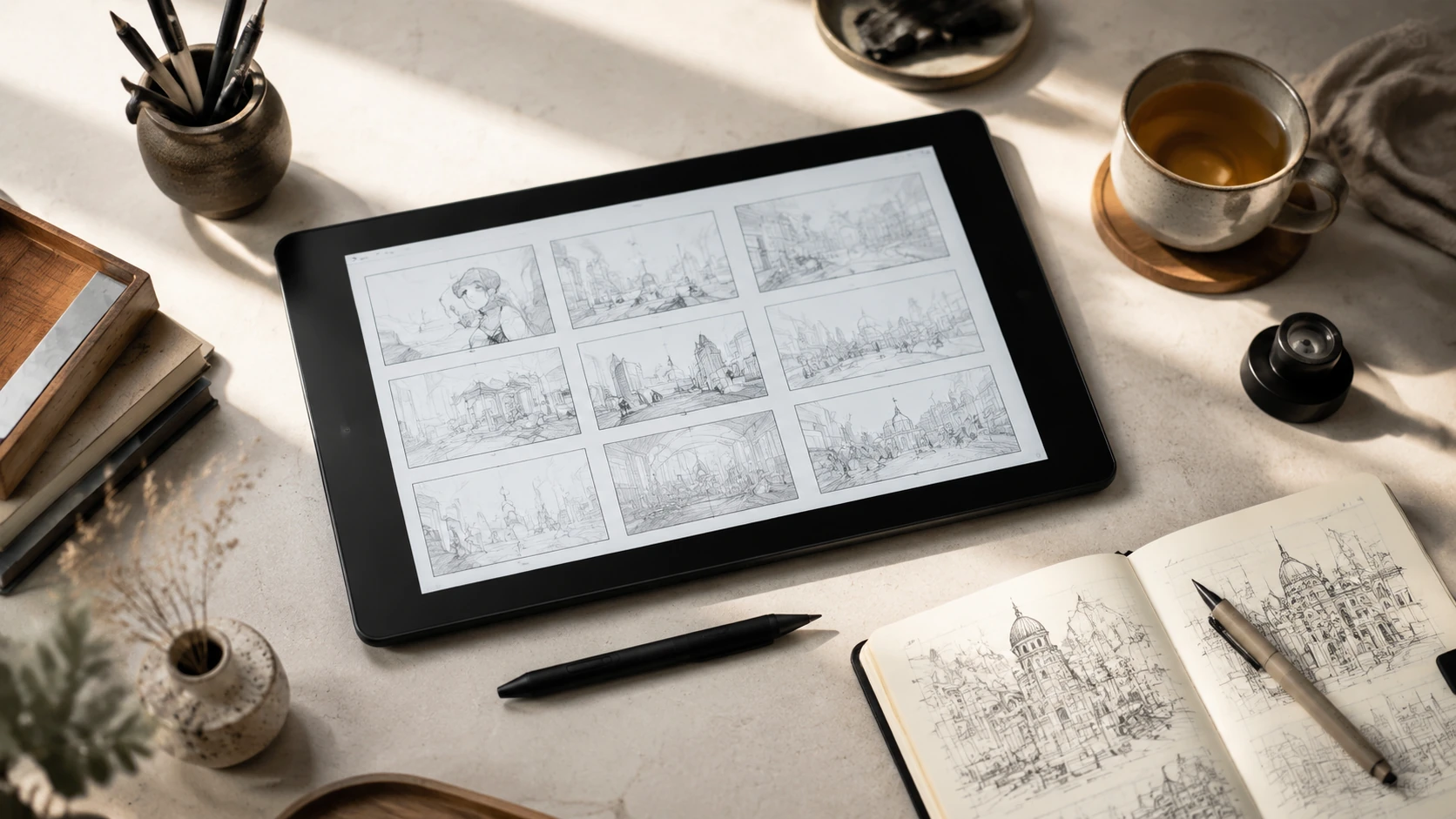
By 2026, the 'always-on' production model that defined the early webtoon era has largely collapsed under the weight of creator burnout and diminishing narrative quality. In its place, the 'Strategic Hiatus' has emerged as a professional standard—a planned, data-driven pause that serves as both a creative reset and a powerful marketing tool. No longer viewed by platforms as a 'momentum killer,' the modern hiatus is a structured interval used to retrofit narrative assets, optimize semantic metadata for AI-driven search, and build anticipation for high-impact season premieres. For independent creators and major studios alike, mastering the art of the break is now just as critical as mastering the art of the panel.
The Shift from Survival to Strategy: Why the 2026 Hiatus is Different
In previous years, a hiatus was often a reactive measure—a sudden stop caused by illness or exhaustion. In the 2026 landscape, reader psychology has shifted. Audiences now value 'Narrative Density' and high-fidelity art over sheer frequency. A series that takes a three-month break to ensure the next arc meets the '2026 Narrative Wellness Standard' often sees higher long-term retention than one that suffers from quality decay due to fatigue. Platforms have also updated their algorithms; rather than penalizing inactivity, they now prioritize 'Re-entry Spikes,' rewarding series that return with a robust marketing push and fresh metadata packets.
The Risk of the 'Silent Break'
The greatest mistake a creator can make in 2026 is the 'silent break'—disappearing without a roadmap. This triggers churn not because readers are impatient, but because the lack of communication prevents them from integrating the series back into their future reading schedules. A strategic hiatus requires a 4-week 'pre-flight' announcement phase, ensuring that the algorithm is primed with 'Coming Soon' signals and that the reader's emotional investment is secured via a high-stakes cliffhanger.
Phase 1: The Pre-Hiatus Cliffhanger ROI
The success of a break is determined by the final three chapters before the pause. These chapters must achieve 'Narrative Peak,' leaving the reader with unanswered questions that carry significant emotional or logical weight. In the 2026 creator economy, this is referred to as 'Cliffhanger ROI' (Return on Investment). You are investing a period of silence in exchange for a period of community speculation.
- Primary Conflict Resolution: Resolve minor subplots to provide a sense of completion.
- The 'World-Shift' Hook: Introduce a new element or character that fundamentally changes the story's stakes.
- Semantic Seeding: Use the final panels to introduce visual keywords that will dominate the search trends for the upcoming season.
Phase 2: Maintaining Algorithmic Pulse During the Pause
A hiatus does not mean a total digital blackout. To maintain 'Topical Authority' in 2026 search engines, creators must employ a 'Passive Engagement' strategy. This involves the release of 'Lore Assets'—sketches, world-building documents, or character bios—that require minimal production time but keep the series' semantic profile active. Modern tools allow creators to schedule these releases, ensuring that the series continues to appear in 'Recommended' feeds even while the artist is resting.
Leveraging Modular Assets
Many 2026 studios use 'modular asset libraries' to create mid-season content. By repurposing existing backgrounds and character models, creators can produce mini-comics or 'behind-the-scenes' technical walkthroughs. These keep the audience engaged and provide valuable data on which characters or lore elements are driving the most discussion, allowing the creator to adjust the upcoming scripts accordingly.
Phase 3: The 'Season 2' Re-Entry Framework
The return from hiatus should be treated as a new launch. This involves refreshing the series' cover art, updating the title's semantic tags to match 2026 search trends, and launching with a 'three-chapter burst.' This burst is essential for triggering the platform's 'New & Trending' logic, signaling to the engine that the series has returned with high engagement potential.
Common Pitfalls in Hiatus Management
Despite its benefits, a poorly managed hiatus can damage IP value. The most common pitfall is the 'Vague Return Date.' In 2026, uncertainty is the enemy of retention. If a specific date is impossible, creators should provide a 'Season Quarter' (e.g., Returning Q3 2026). Another risk is 'Content Overload' upon return; dumping too many chapters at once can lead to reader fatigue and lower per-chapter engagement metrics.
- Avoid changing the core genre mid-break without significant narrative foreshadowing.
- Do not ignore community sentiment during the break; use social listening to see if the planned 'Cliffhanger ROI' is working.
- Ensure your technical SEO (Schema.org/ComicSeries) is updated to reflect the 'In Hiatus' or 'Resuming' status.
Conclusion: Building a Sustainable Creative Legacy
The 2026 comic market rewards creators who view themselves as architects of a long-term brand, not just workers on a weekly treadmill. By adopting the Strategic Hiatus, you protect your most valuable asset—your creative energy—while simultaneously building a more robust, data-informed IP. In an era where AI can produce volume, human-led quality and strategic pacing are the ultimate competitive advantages. Plan your breaks with as much passion as you plan your plots, and your audience will follow you across seasons and years.
FAQ
How long should a strategic hiatus last in 2026?
The industry standard for a healthy mid-series break is 8 to 12 weeks. This allows for four weeks of rest, four weeks of pre-production, and four weeks of marketing build-up.
Will a break hurt my ranking on comic platforms?
Not if managed correctly. By using 'Passive Engagement' assets and updating semantic metadata, you can maintain your ranking. Most 2026 platforms prioritize return spikes over constant, low-engagement activity.
What is 'Cliffhanger ROI'?
It is a metric measuring how well your pre-hiatus finale drives community speculation and search traffic during your absence. High ROI means your audience stays active without new content.