The Rise of the Modular Studio: How 2026 Creators Scale via Decentralized Global Hubs
The era of the 'lone wolf' creator is evolving into a new model of decentralized, modular collaboration. Learn how 2026 artists are using global hubs to scale their webtoon franchises without traditional overhead.
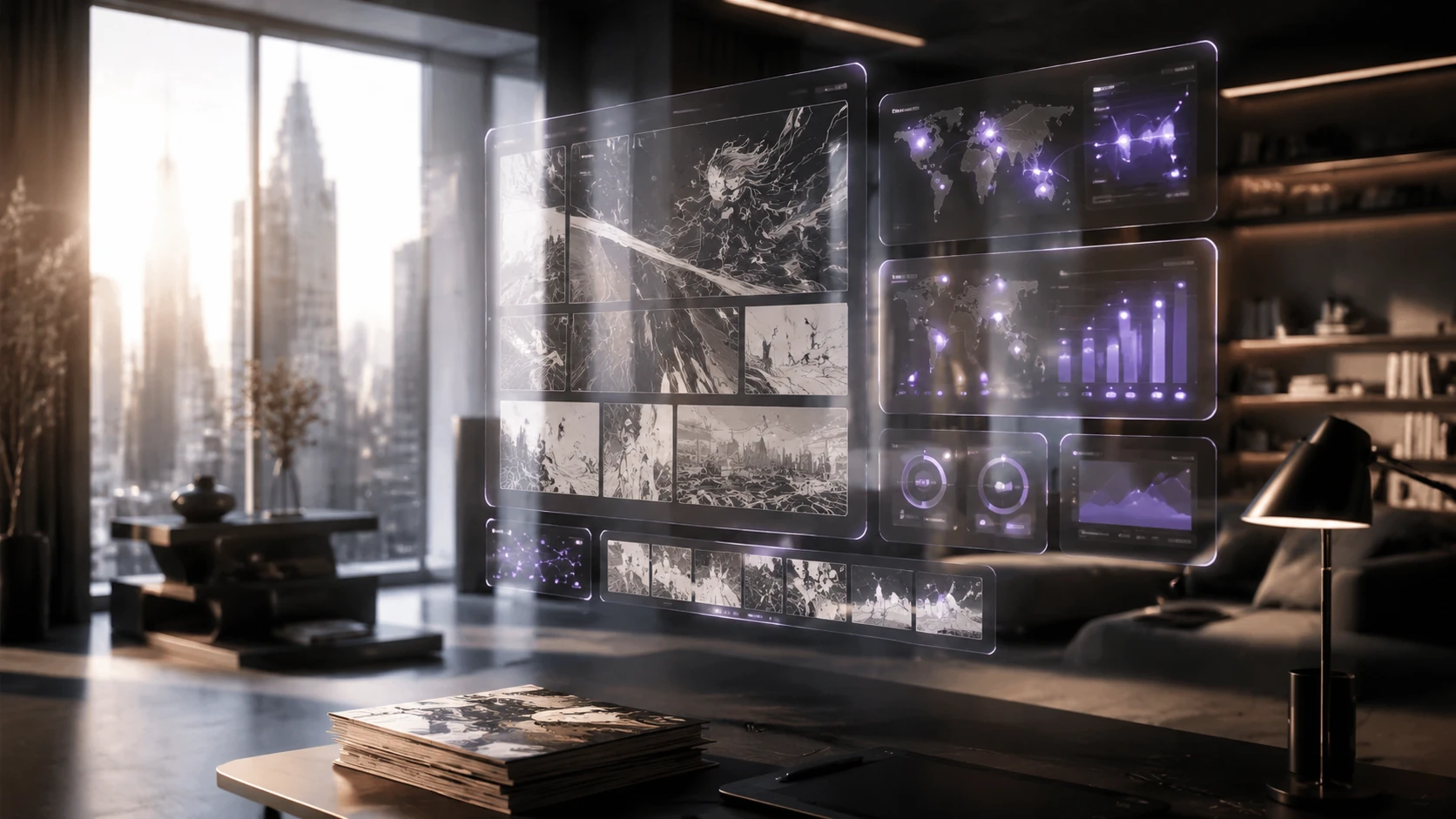
For decades, the path to success for comic creators was binary: struggle as a solo indie artist or sign away rights to a major publishing house. In 2026, a third path has reached critical mass. The 'Modular Studio' model is redefining how webtoons and digital comics are produced, allowing independent creators to scale their IP with the efficiency of a corporation while maintaining the soul of an indie project.
What is a Modular Studio?
Unlike traditional studios that require a physical office and a fixed payroll, a modular studio is a decentralized network of specialized talent. In this 2026 ecosystem, a 'Showrunner' (the lead creator) manages a global team of specialists—line artists, colorists, background designers, and typesetters—who plug into a unified project pipeline using cloud-based narrative architecture.
- Distributed Talent: Hiring the best niche artists globally rather than locally.
- Modular Workflows: Breaking down production into discrete tasks that can be outsourced without losing style consistency.
- Shared Revenue Models: Moving from flat-fee work to performance-based equity for core team members.
The Technology Driving Decentralized Collaboration
The explosion of this model in 2026 is driven by two key technologies: Semantic Asset Libraries and Smart Collaboration Contracts. Creators no longer just share files; they share 'living' asset libraries where every character model, 3D background, and custom brush is synced in real-time across the team. This ensures that a colorist in Seoul and a background artist in Berlin are always working on the most current version of the world-building lore.
Furthermore, smart contracts have solved the 'trust gap' in international collaboration. These blockchain-based agreements automatically distribute micro-payments to every team member as soon as a chapter is published or a reader unlocks a premium episode. This transparency has fostered a new level of professional respect and financial stability for supporting artists who previously worked in the shadows of big names.
Competing with the Giants
By adopting modular structures, independent creators are now matching the weekly release schedules of major platforms. This consistency is the primary driver of reader retention and algorithmic favor on digital storefronts. When a small team of five can produce 60-panel weekly updates with high-fidelity art, the competitive advantage of massive publishing conglomerates begins to wane.
This shift is also creating a more resilient creator economy. If one artist needs to take a hiatus, the modular nature of the studio allows for a temporary replacement or 'sub-module' to step in, preventing the burnout and hiatus-induced audience loss that plagued the early 2020s.
FAQ
How do modular studios maintain art style consistency?
They use centralized style guides and shared semantic asset libraries that include pre-approved color palettes, 3D character rigs, and AI-assisted style-transfer tools that ensure every panel looks like it was drawn by the lead artist.
Is the modular studio model expensive to start?
Initially, no. Most creators start by outsourcing one specific task (like flatting or lettering) and scale their team only as their revenue grows through direct-to-fan support and platform monetization.
What tools are best for managing a decentralized comic team in 2026?
Tools that combine real-time canvas collaboration, version-controlled asset management, and automated revenue-sharing contracts are the industry standard.