The Physical Pivot: Why 2026 Comic Platforms are Building Creator Residencies
In 2026, the digital-first comic industry is making a surprising return to the physical world. Leading platforms are investing in high-end creator residencies to foster elite human-centric IP and combat AI saturation.
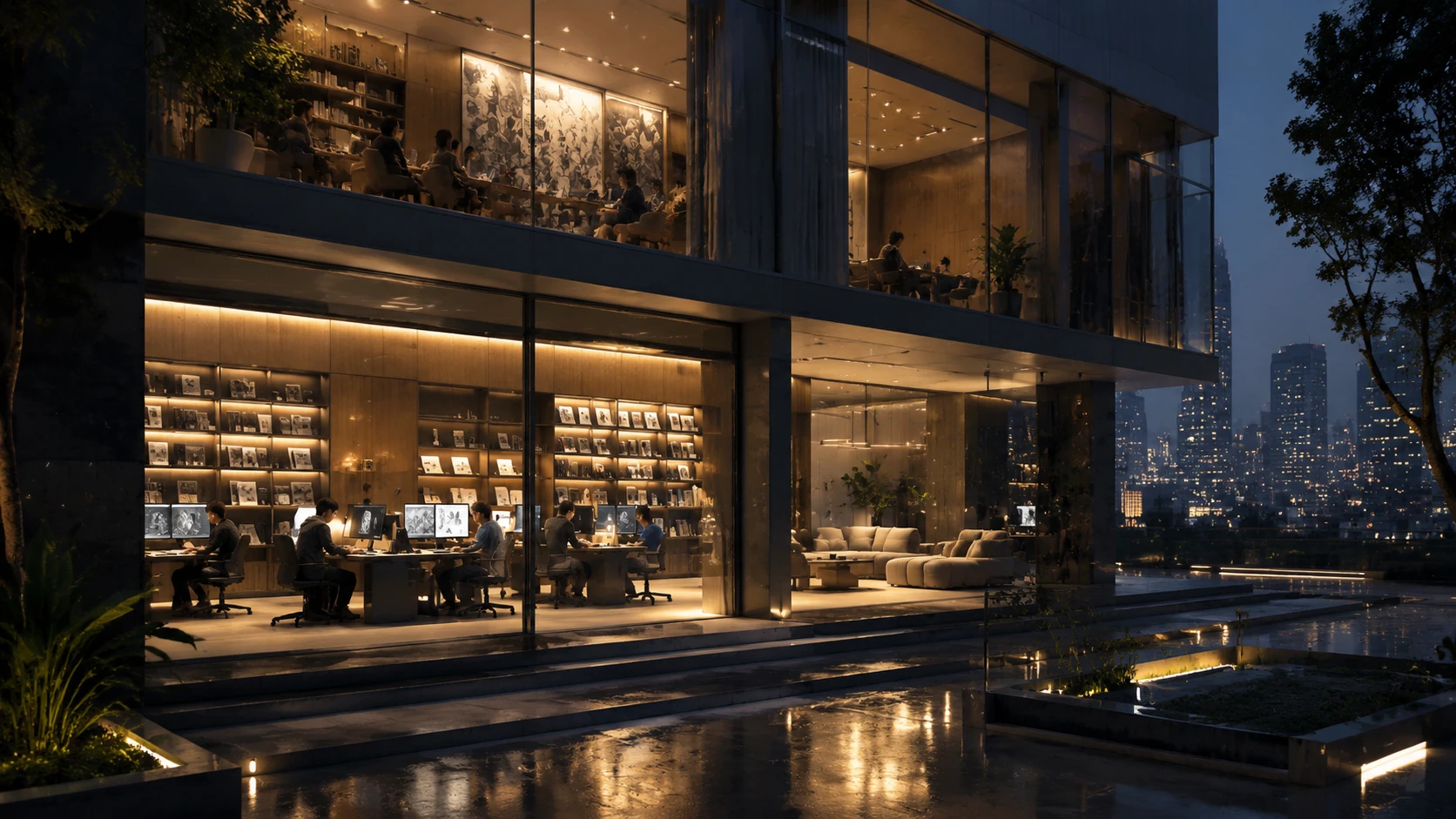
For the past decade, the comic and webtoon industry has prioritized decentralized, remote workflows, pushing the boundaries of what can be achieved through digital-only collaboration. However, as we move through 2026, a significant market shift is occurring: the return to physical space. Major platforms like Webtoon, Kakao, and emerging sovereign IP conglomerates are shifting their investment strategies toward 'Creator Residencies.' These are high-end, physical hubs located in global creative capitals—Seoul, Tokyo, New York, and Berlin—designed specifically to house, support, and foster elite human creators. This is not a move away from digital tools, but a strategic response to a market saturated with low-cost, AI-generated noise. Platforms are realizing that the most valuable IP of the next decade will be born from high-touch, collaborative human environments that digital platforms alone cannot replicate.
The Architecture of Human-Centric IP
The primary driver behind this 'physical pivot' is the need for IP security and quality control. In an era where 'Clean AI' certification (a 2026 standard) is mandatory for high-value licensing, platforms need to guarantee the provenance of their stories. Creator residencies act as controlled environments where the creative process is documented, mentored, and verified. These spaces provide creators with more than just a desk; they offer access to high-end motion capture for 3D asset consistency, narrative consultants, and legal experts specializing in IP sovereignty. By centralizing top talent, platforms can ensure that their 'Flagship' series maintain a level of narrative density and emotional precision that automated tools still struggle to achieve.
Key Components of the 2026 Hub Model
- Advanced Prototyping Labs: Access to haptic feedback devices and AR-pacing tools for next-gen vertical scroll UX.
- Lore-Consistency Chambers: Physical archives and digital lore-engines managed by professional Lore Masters to ensure multi-year narrative integrity.
- Cross-Pollination Lounges: Dedicated spaces for webtoon creators to collaborate with showrunners and game designers for day-zero transmedia planning.
- Human-Only Creative Zones: Verified environments where the use of generative AI is strictly auxiliary, ensuring 100% copyrightable human-led IP.
Why 'Physicality' is the New Premium in 2026
The 2026 market is witnessing a bifurcation. On one side is the 'Mass-Volume' market, dominated by rapid-release, AI-augmented content that lives on social discovery feeds. On the other side is the 'Premium IP' market—the series that get adapted into Netflix blockbusters or high-end collectibles. Platforms have found that 'Premium IP' requires a depth of world-building that thrives on face-to-face friction and serendipitous collaboration. Residency programs allow creators to exit the 'content mill' mindset and focus on 'legacy architecture.' This move also serves as a powerful talent retention tool; in a world where top creators are increasingly exiting platforms for sovereign brands, the offer of a high-end, fully-funded physical residency is a competitive advantage that digital-only platforms cannot match.
Case Study: The 'Nexus' Hub Expansion
The most successful example of this trend is the 'Nexus' initiative launched by a major Korean-US consortium. In late 2025, they opened three primary hubs. Data from the first year of operation shows that series developed within these residencies have a 40% higher reader retention rate after the first 20 chapters compared to series developed remotely. The reason? Better pacing and visual narrative literacy. Creators in the hub have immediate access to 'Script Doctors' who help them refine cliffhanger architecture in real-time. This 'studio-system' 2.0 is not about control, but about professionalizing the creative workflow to meet the high standards of the 2026 global audience.
The Impact on Creator Monetization and Contracts
For creators, the shift toward physical hubs is also changing the nature of contracts. 2026 'Residency Contracts' are becoming more comprehensive, often including living stipends, health benefits, and a 'Transmedia Bonus'—a share of future licensing revenue in exchange for the creator working exclusively within the hub for a set period. While this may seem like a return to the traditional studio model, the 2026 version is far more creator-centric, focusing on 'IP Fractionalization' where the creator retains a significant portion of the character DNA while the platform manages the global infrastructure.
Future Outlook: From Platforms to Ecosystems
By 2027, we expect the largest comic platforms to function less like digital bookstores and more like prestige creative universities. The 'Digital-Physical' hybrid model will become the gold standard for IP development. As the technology behind 3D world-building and narrative AI becomes more accessible, the value of the 'human spark' found in physical collaboration will only increase. The physical pivot isn't just about real estate; it's about the industry's realization that in a world of infinite digital content, the most scarce and valuable resource is focused, high-level human creativity.
FAQ
What is a comic creator residency?
A comic creator residency is a physical workspace and living environment funded by a platform or publisher, where top-tier creators collaborate in person to develop high-value, human-centric intellectual property.
Why are platforms moving back to physical hubs in 2026?
Platforms are investing in physical hubs to ensure IP quality, facilitate complex transmedia collaborations, and provide a verified 'human-exclusive' creative environment in a market saturated with AI-generated content.
Do creators lose IP ownership in these residency programs?
Generally, 2026 residency contracts use hybrid models where creators retain significant IP rights (character DNA) while the platform receives exclusive licensing and distribution rights in exchange for funding and infrastructure.