The Palette of Emotion: Mastering Color Psychology for Webtoons in 2026
Color is more than an aesthetic choice; it is a psychological tool that dictates reader retention and emotional resonance. Learn how to master the 2026 standards for digital comic palettes and lighting.
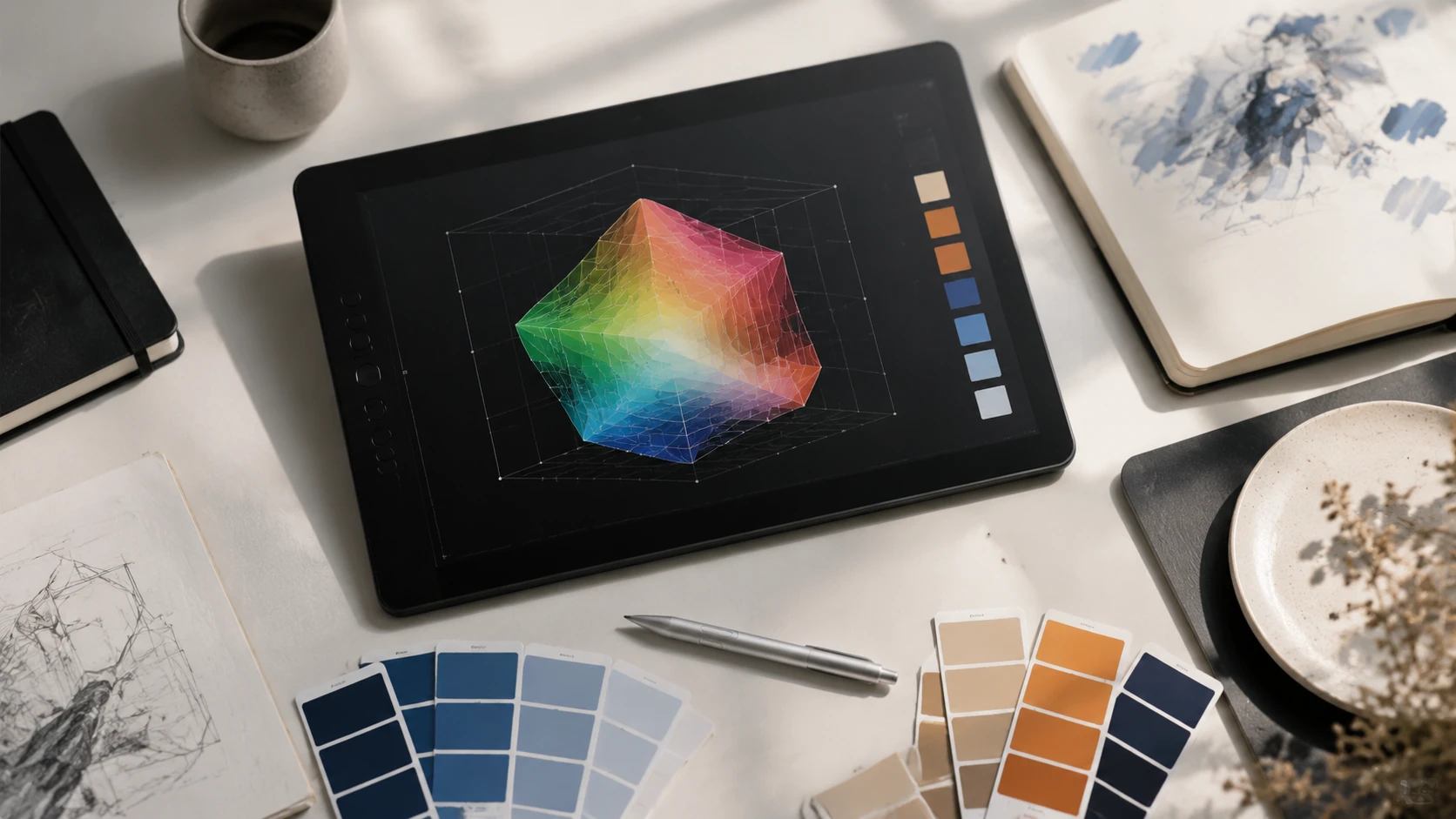
In the hyper-competitive attention economy of 2026, a reader decides whether to engage with a webtoon in less than three seconds of scrolling. While the 'hook' is often attributed to the script or the character design, the silent architect of this first impression is color. Color psychology has moved beyond simple 'red means anger' associations into a sophisticated science of atmospheric immersion and brand identity.
The Neuroscience of the Scroll: Color and Retention
In 2026, data from major platforms suggests that 'atmospheric consistency' is a primary driver for long-term reader retention. When a reader enters a chapter, their brain subconsciously scans the color temperature to determine the mood. A palette that shifts too erratically without narrative reason causes cognitive fatigue, leading to higher drop-off rates.
- Desaturated Earth Tones: Used heavily in 'Slice of Life' and 'Healer' sub-genres to lower cortisol and encourage slow scrolling.
- High-Contrast Neons: Dominating the 'Action-Fantasy' and 'Cyber-System' genres to stimulate adrenaline and fast-paced engagement.
- Monochromatic Accents: A rising trend in 2026 where creators use a grayscale base with a single focal color to direct the reader's eye to key plot items.
Building a Signature Palette for IP Branding
Successful webtoon IPs are now treated like lifestyle brands. In 2026, the most successful creators develop a 'Master Palette' that remains consistent across the series, merchandise, and social media marketing. This creates an immediate visual Pavlovian response: when a fan sees a specific shade of 'Midnight Violet' or 'Sunset Gold,' they immediately associate it with your story.
Lighting as a Narrative Tool
Flat coloring is largely a thing of the past. Modern digital comic workflows in 2026 emphasize 'Global Illumination' and 'Rim Lighting' to create depth. By using color to simulate light sources—such as the cold blue of a smartphone screen or the warm flicker of a magic portal—creators can guide the reader's gaze through the vertical scroll without relying on heavy dialogue.
AI-Assisted Color Grading: The 2026 Workflow
The rise of AI in 2026 hasn't replaced the colorist; it has empowered them. Tools now allow creators to apply 'Color Scripts' across entire chapters instantly. This ensures that even if different assistants work on different panels, the light and temperature remain identical, preserving the 'helpful content' quality that readers and platform algorithms reward.