The Lock-Screen Narrative: A 2026 Case Study in Widget-Native Storytelling
Discover the 'Widget-Native' playbook that is redefining reader retention in 2026. Learn how to bypass app fatigue by delivering glanceable, high-impact narrative beats directly to the mobile lock-screen.
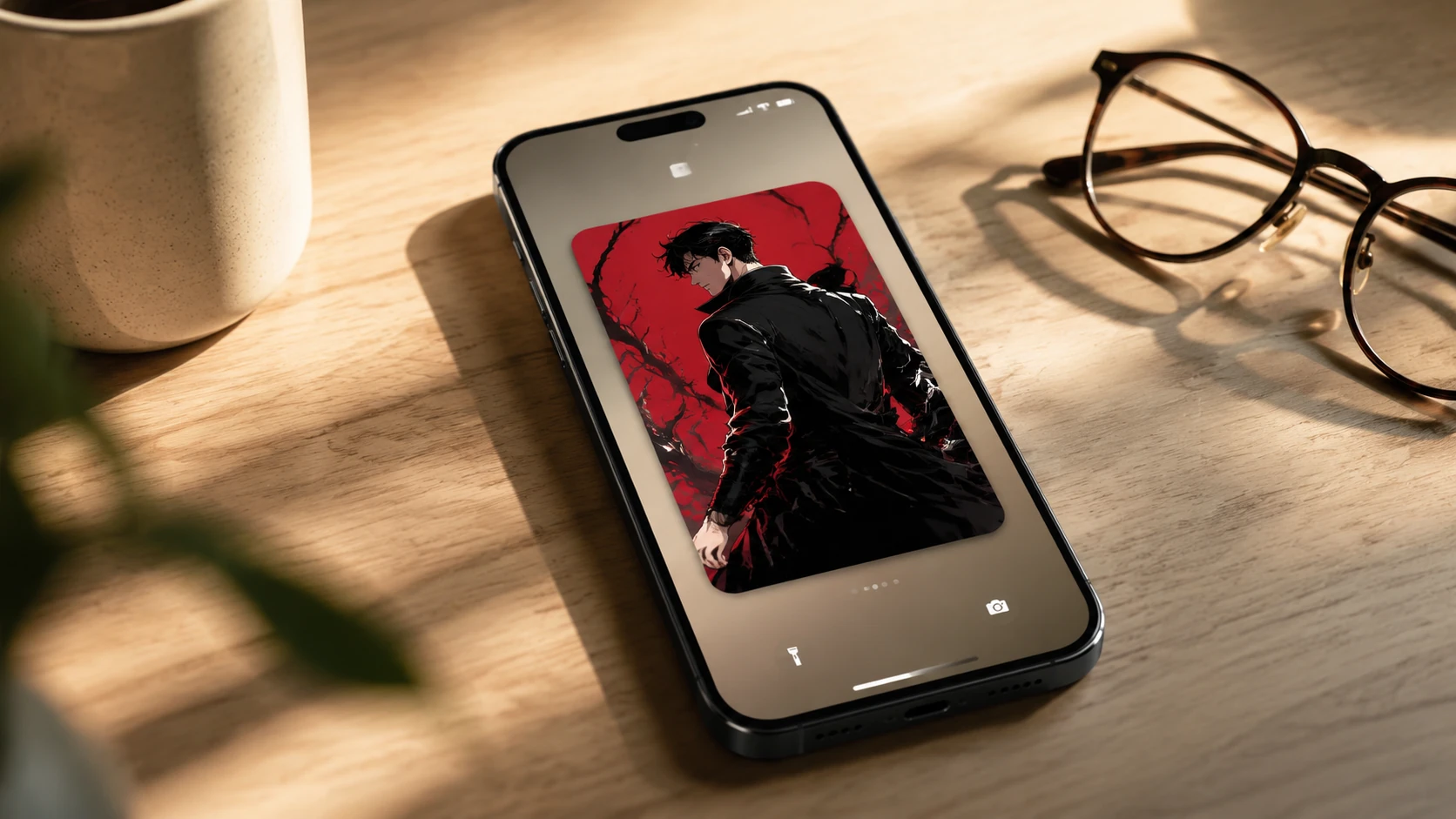
By mid-2026, the battle for reader attention has shifted from the platform feed to the mobile lock-screen. As 'app fatigue' reaches an all-time high, users are increasingly resistant to opening dedicated apps for quick entertainment. This case study examines how 'Studio Prism,' an independent webtoon collective, successfully bypassed traditional platform friction by adopting a 'Widget-Native' distribution model. Instead of forcing readers to click through notifications, they delivered narrative beats directly to the user’s home screen and lock-screen widgets. The result was a staggering 92% daily engagement rate and a 40% increase in premium conversion, proving that in the 2026 attention economy, the most valuable real estate isn't inside an app—it's the first thing a user sees when they pick up their phone.
The Challenge: Breaking the 'Notification Blindness' Barrier
In early 2025, Studio Prism noticed a troubling trend: while their total subscriber count was growing, their 'Open Rate' from push notifications was plummeting. The market was saturated with high-quality content, and users were silencing apps to manage cognitive load. Traditional weekly updates were being buried under a mountain of social media pings and work alerts. The studio realized that the 'destination reading' model—where a user proactively decides to open an app and scroll—was becoming a secondary behavior for the younger Gen Alpha and late Gen Z demographics. They needed a way to make their story 'ambient'—always present, impossible to ignore, but low-friction enough to avoid being perceived as spam.
The Strategy: From Weekly Chapters to 'Daily Micro-Pulses'
The core of the strategy involved re-architecting their flagship series, 'Neon Horizon,' from 60-panel weekly chapters into 'Daily Micro-Pulses.' Each pulse consisted of 3 to 5 high-impact panels designed specifically for the aspect ratio of mobile widgets. These weren't just cropped versions of a larger comic; they were choreographed beats intended to be consumed in under 10 seconds. By leveraging the 2026 'Smart Widget' APIs on both iOS and Android, Studio Prism ensured that the latest panel would automatically update on the reader's lock-screen every morning. This created a 'glanceable' narrative that lived alongside the user's weather and calendar, turning the act of checking the time into a narrative experience.
Technical Execution: The Widget-First Workflow
- High-Contrast Visual Language: Panels were designed with bold silhouettes and saturated colors to ensure clarity even at small widget sizes or in bright outdoor light.
- Semantic Metadata Triggers: Each widget update was tied to specific time-of-day metadata, showing 'morning' scenes in the morning and 'night' scenes in the evening to match the reader's environment.
- Zero-Click Interaction: Readers could tap the widget to expand the panel into a full-screen immersive view without a full app load, utilizing 'Instant App' technology to minimize latency.
- Cliffhanger Loops: Every 5th pulse ended on a visual question mark, incentivizing the user to open the main app for the 'Deep Dive' weekend chapters.
Results: Analyzing the 92% Daily Engagement Metric
The data from the six-month pilot program revealed a fundamental shift in user psychology. Unlike traditional webtoons, where engagement spikes on update days and craters during the week, 'Neon Horizon' maintained a nearly flat, high-engagement line. 92% of widget users interacted with the story at least once every 24 hours. More importantly, the 'Passive Retention'—the number of users who kept the widget on their screen for more than 90 days—was 75% higher than the retention rate for the studio's traditional app-based series. By becoming part of the phone's UI, the comic ceased to be an 'extra task' and became a habit. This ambient presence led to a 40% higher conversion rate for digital collectibles and merchandise, as the characters felt more integrated into the reader's daily life.
The Playbook: Implementing Widget-Native Storytelling
For studios looking to replicate this success, the transition requires more than just technical updates; it requires a narrative shift. You must identify 'Glanceable Hooks'—visual moments that carry emotional weight without needing paragraphs of dialogue. The playbook involves creating a 'Micro-Arc' structure where every five pulses form a mini-story that satisfies the reader's immediate curiosity while building toward a larger monthly climax. Creators must also master 'Contextual Pacing,' adjusting the density of information based on the likely time of day the widget will be viewed. A morning pulse should be energetic and clear, while a late-night pulse can be atmospheric and moody.
Risks and UX Friction Points
Despite the success, the 'Widget-Native' model is not without risks. Over-saturation is the primary concern; if a creator pushes too many updates, the user will perceive the widget as clutter and remove it. Studio Prism found that one update per day was the 'Goldilocks zone.' Furthermore, the technical overhead of maintaining high-quality assets for multiple widget sizes can be significant. Studios must use modular asset libraries and automated responsive scaling to ensure that a panel looks as good on a budget foldable as it does on a flagship Pro device. Finally, there is the 'Spoilers' risk—if a lock-screen widget shows a major plot twist, it might ruin the experience for a reader who is behind on the story. Studio Prism solved this by using 'Progress-Synced Widgets' that only update based on the user's last-read chapter.
FAQ
What is widget-native storytelling?
It is a distribution method where narrative content is designed specifically for mobile widgets and lock-screens, allowing readers to consume story beats without opening an app.
Does this require a dedicated app?
In 2026, many creators use 'Instant App' frameworks or lightweight launcher integrations, but a core app is still used for deep-dive reading and monetization.
How do you monetize widget-native comics?
Monetization usually happens through 'Premium Pulses,' early access to the next widget update, or 'Phygital' merchandise linked directly from the widget interface.
Is it different from social media posting?
Yes. Widgets are persistent and owned by the user, bypassing the social media algorithm and ensuring 100% reach to everyone who has installed the widget.