The Haptic Narrative: Integrating Sensory Feedback into Webtoon UX for 2026
Discover the next frontier of digital storytelling: the integration of haptic feedback and tactile UX into the vertical scroll experience. Learn how 2026 creators use sensory technology to deepen narrative immersion.
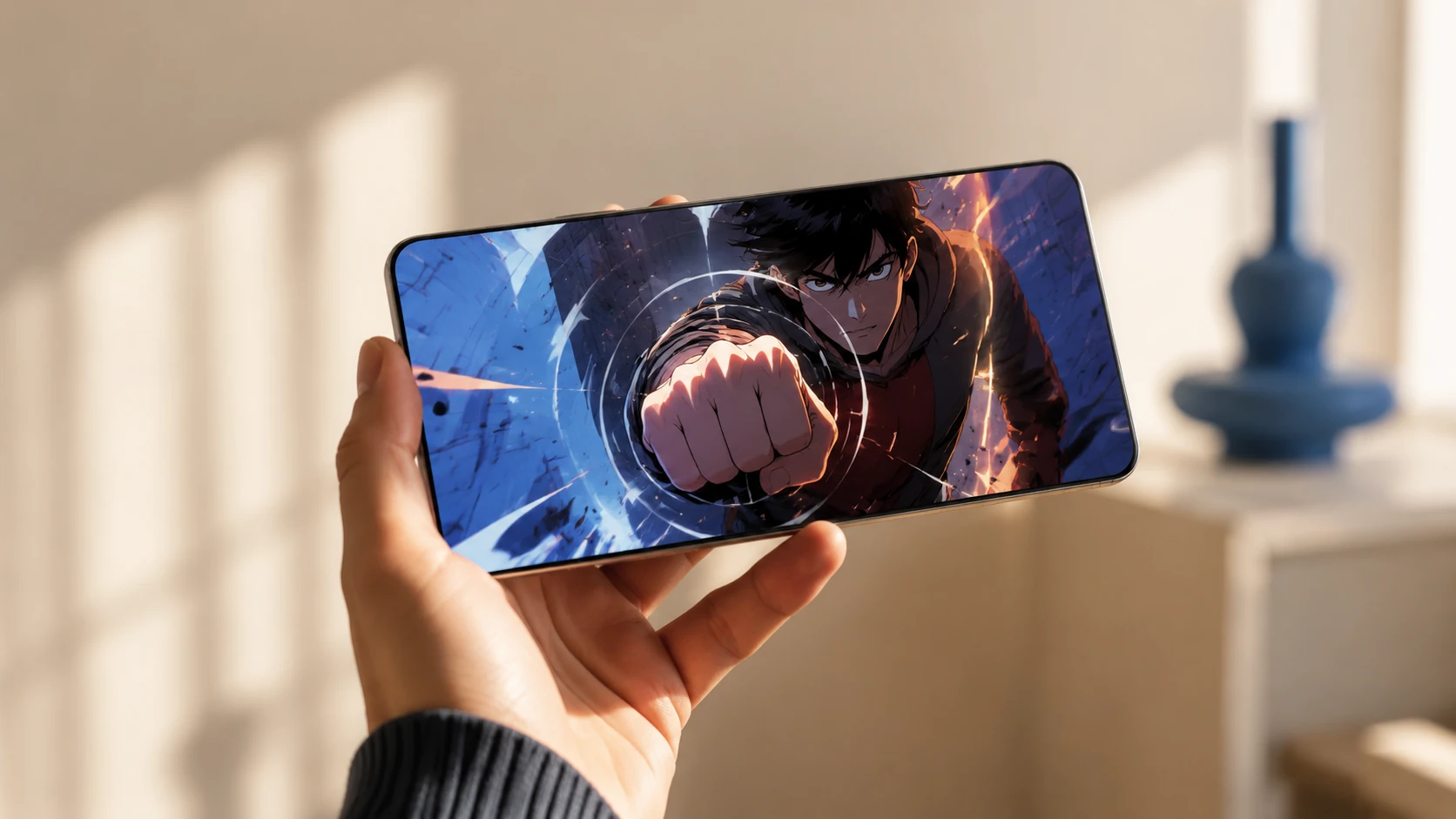
By 2026, the boundary between digital reading and physical experience has blurred significantly. While visual and auditory elements have dominated the webtoon landscape for decades, the 'Haptic Narrative' revolution has introduced a third dimension: touch. This shift isn't merely about simple vibration alerts; it represents a sophisticated integration of sensory feedback into the User Experience (UX) of vertical scrolling. As mobile hardware becomes more capable of nuanced tactile output, creators and platforms are leveraging haptic-markup languages to synchronize physical sensations with narrative beats. For the first time, a reader doesn't just see a character’s heart race or feel the impact of a supernatural explosion—they experience a precise, calibrated pulse through their device. This technological leap is redefining what it means to be 'immersed' in a digital story, moving the industry from passive observation to active sensory participation.
The Mechanics of Haptic Feedback in Vertical Scroll
The implementation of haptics in webtoons in 2026 relies on a synchronized layer of metadata that lives alongside the image and dialogue tracks. Unlike the generic vibration of a phone call, modern narrative haptics utilize 'HD Actuators' to produce a spectrum of textures and frequencies. For instance, a creator can script a 'gritty' tactile sensation when a character walks on gravel, or a 'sharp, high-frequency' jolt during a sudden plot twist. The technical challenge lies in the calibration of these sensations across diverse hardware. Leading platforms have adopted universal standards that scale the intensity based on the device's capabilities, ensuring that the sensory experience remains consistent whether the reader is using a flagship foldable or a mid-range smartphone. This synchronization is triggered by the scroll position, where the proximity of a specific panel to the center of the screen activates the pre-programmed haptic pulse.
Types of Tactile Narrative Cues
- Environmental Textures: Low-frequency rumbles for distant thunder or the subtle hum of a futuristic engine.
- Emotional Syncing: Mimicking a character's heartbeat during high-tension scenes to induce physiological empathy in the reader.
- Impact Events: Sharp, sudden pulses that coincide with physical action, such as a punch or a door slamming.
- Navigational Feedback: Subtle micro-haptics that guide the reader's scroll speed, slowing the scroll during 'slow-burn' narrative moments.
Sensory UX and the Science of Cognitive Immersion
The adoption of haptic technology is backed by significant research into neuro-narrative engagement. When multiple senses are engaged simultaneously, the brain's 'presence'—the feeling of being within a story—increases exponentially. In 2026, data suggests that readers of haptic-enabled webtoons show 40% higher retention rates and significantly stronger emotional responses compared to visual-only formats. This is due to the activation of the somatosensory cortex, which processes touch and helps anchor the digital experience in physical reality. By bridging the gap between the screen and the skin, creators can bypass the 'digital distance' that often limits the emotional impact of mobile reading. However, this power comes with a responsibility to avoid 'sensory fatigue.' Overuse of haptics can lead to distraction or physical discomfort, making 'tactile pacing' a critical skill for the modern webtoon editor.
Implementation Standards: The Haptic-Markup Workflow
For creators, the workflow for 2026 involves more than just drawing and lettering; it now includes 'Tactile Scripting.' Most industry-standard storyboarding software now includes a haptic track, allowing artists to drag-and-drop sensory triggers onto their vertical canvas. These triggers are exported as JSON-based metadata that mobile apps interpret in real-time. This standardized approach prevents the fragmentation that plagued early experiments in the 2020s. Furthermore, the rise of AI-assisted haptic generation allows creators to automatically match tactile pulses to the visual content of a panel. For example, an AI can analyze a scene of a rainy street and suggest a 'patter' haptic pattern that mimics the rhythm of falling water, which the creator can then refine for artistic intent. This democratization of tech ensures that even independent creators can compete with major studios in providing a premium, sensory-rich experience.
Balancing Accessibility and Sensory Overload
As with any technological advancement, accessibility is a primary concern in 2026. Haptic feedback serves as a powerful tool for visually impaired readers, providing tactile 'on-ramps' to the narrative that traditional comics lack. For example, haptic patterns can represent different characters' voices or indicate changes in the story's tone, creating a multi-modal accessibility framework. Conversely, platforms must provide robust 'Opt-Out' and 'Intensity Slider' controls for neurodivergent readers or those with sensory processing sensitivities. The industry standard now mandates that haptics must be an additive experience, not a requirement for understanding the core plot. This 'Inclusive by Design' approach ensures that while the haptic narrative offers a deeper layer of immersion, it does not create new barriers to entry for the global reading community.
The Future: Thermal and Pressure Feedback
Looking beyond 2026, the trajectory of sensory UX is moving toward even more complex physical feedback. Experimental mobile screens are beginning to incorporate micro-fluidic layers that can change the surface temperature or physical texture of the glass. Imagine reading a survival horror webtoon and feeling the screen grow cold as the protagonist enters a blizzard, or feeling the 'roughness' of an ancient scroll appearing on the panel. While these technologies are currently in the early-adopter phase, the infrastructure being built today for haptic metadata is designed to be forward-compatible. Creators who master the art of tactile storytelling now are positioning themselves at the forefront of a paradigm shift where 'reading' a comic becomes a full-body sensory event.
FAQ
Does haptic feedback drain the phone battery faster?
In 2026, modern HD actuators and optimized haptic-ML protocols are extremely energy-efficient, typically consuming less than 1% of total battery life during a standard reading session.
Can I turn off haptic feedback in webtoons?
Yes, all major 2026 platforms include granular controls in the settings menu, allowing readers to toggle haptics on/off or adjust the intensity to their preference.
Do I need a special phone to experience tactile comics?
Most smartphones released after 2024 support the basic haptic standards required for sensory storytelling, though flagship devices offer more nuanced 'HD' feedback.