The Digital Archive: Mastering Comic Curation and Preservation in 2026
As digital-first storytelling dominates the market, the focus in 2026 has shifted from mere consumption to the sophisticated preservation of comic legacies. Explore the technologies and curation strategies ensuring that today's webtoons survive for future generations.
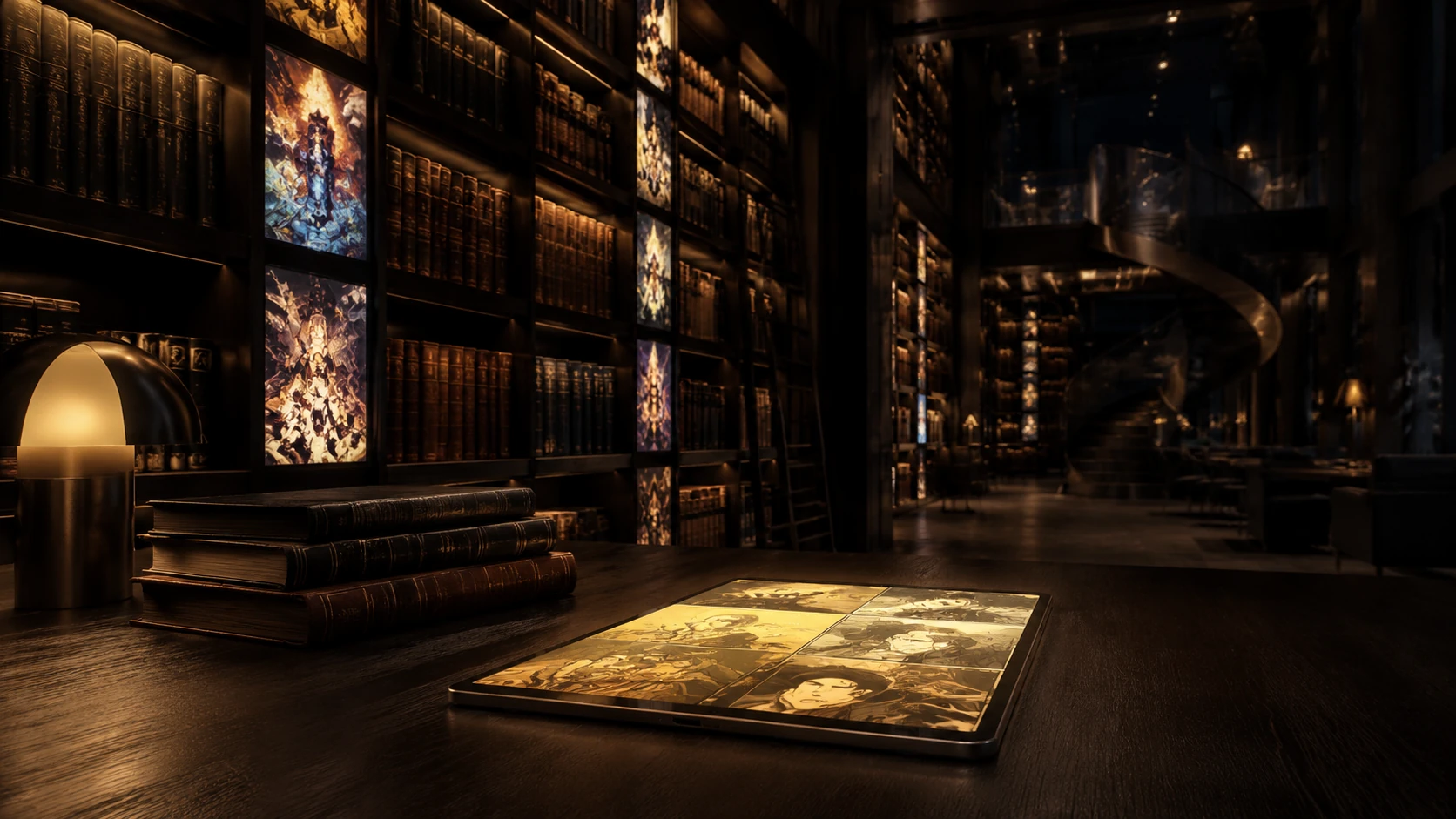
For over a decade, the digital comic industry prioritized rapid-fire production and high-volume consumption. However, in 2026, a new challenge has emerged: digital decay. As platforms rise and fall, and licensing agreements expire, thousands of seminal webtoons and digital manga face the risk of becoming 'lost media.' The industry is now pivoting toward sophisticated curation and preservation strategies to protect these digital-first legacies.
The 2026 Shift: From Access to Ownership
In the early 2020s, the subscription model reigned supreme. While convenient, it left readers with no permanent access to their favorite titles. In 2026, we are seeing a resurgence of 'digital ownership' protocols. Platforms are now implementing blockchain-verified certificates and DRM-free high-resolution downloads for premium collectors, ensuring that even if a platform disappears, the reader's archive remains intact.
- Hybrid Archiving: Storing digital-first assets in physical 'legacy editions' with embedded AR metadata.
- Lossless Compression: Moving beyond JPEG to newer formats that preserve line art integrity for 8K displays.
- Decentralized Storage: Using peer-to-peer protocols to ensure comic files remain accessible across global nodes.
The Role of Metadata in Modern Curation
Effective curation is more than just storage; it is about discoverability. 2026 standards for comic metadata have evolved to include 'semantic tagging.' This allows researchers and fans to search for specific art styles, paneling techniques, or narrative tropes across millions of chapters. For creators, this means their back-catalog remains 'warm' and discoverable by new AI-driven search algorithms long after the series concludes.
Preserving the Vertical Scroll: A Technical Challenge
Unlike traditional page-based comics, the infinite vertical scroll of webtoons presents unique preservation hurdles. Archive specialists are now using 'Dynamic Stitching' technology to convert vertical assets into responsive formats that adapt to future hardware, such as holographic displays or foldable e-paper. This ensures the intended 'flow' of the story isn't lost when the original hardware becomes obsolete.
Furthermore, institutional libraries are beginning to treat digital comics with the same scholarly respect as classical literature. We are seeing the rise of 'Digital Comic Librarians'—professionals dedicated to categorizing and maintaining the cultural integrity of digital IPs.
FAQ
What is digital decay in comics?
Digital decay refers to the loss of access to digital comics due to server shutdowns, software obsolescence, or expired licensing agreements.
How can I preserve my own webtoon series?
Creators should maintain high-resolution, lossless backups of their source files (PSD/CLIP) and consider distributing work via platforms that offer permanent digital ownership to readers.
What are the metadata standards for comics in 2026?
Modern standards include semantic tagging for art style, narrative themes, and character entities to ensure long-term discoverability in AI-driven search environments.