The Business of Worldbuilding: Scaling Your Comic IP into a Global Franchise in 2026
In 2026, a comic is no longer just a story; it is the foundation of a multi-platform intellectual property ecosystem. Master the strategic worldbuilding techniques required to scale your IP from a digital scroll to a global brand.
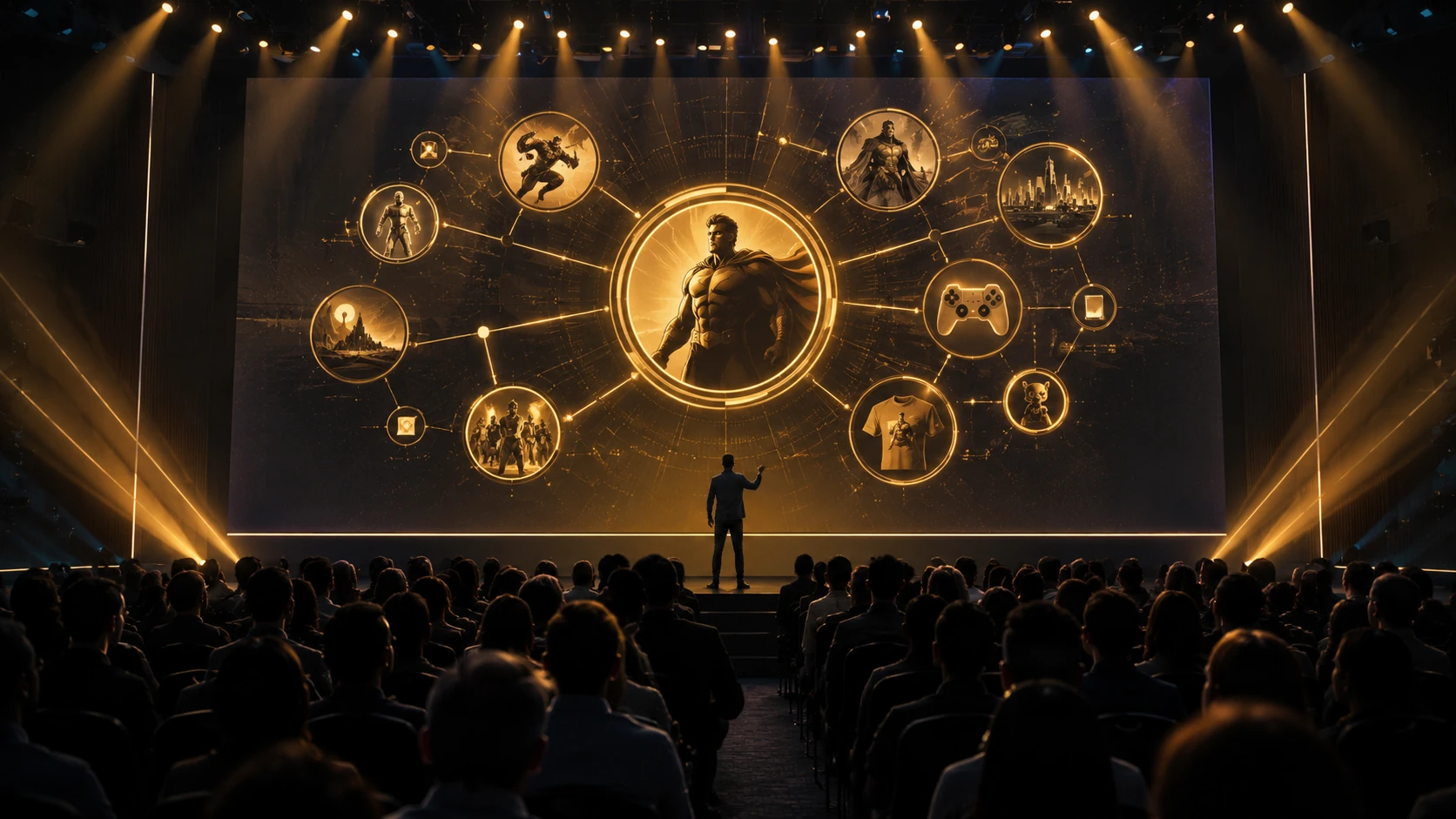
The 2026 comic industry has shifted from a content-first model to an IP-first model. For creators, the goal is no longer just to finish the next chapter; it is to build a 'narrative engine' capable of powering an entire franchise. As platforms become more saturated, the value of a comic lies in its scalability—its ability to move seamlessly from a vertical scroll to television, gaming, and consumer products. This transition requires a strategic approach to worldbuilding that treats the story as a scalable asset rather than a finished product.
Franchise Architecture: Building for Expansion
Effective worldbuilding in 2026 isn't just about lore; it’s about 'hooks' for different media. When designing your IP, you must consider how each element serves potential partners. A character’s silhouette should be recognizable for merchandising, while the setting should have enough 'empty spaces' for spin-off series or open-world game environments. This is known as Franchise Architecture—the intentional design of a story world that invites expansion.
- Modular Lore: Design side characters with enough depth to lead their own spin-offs.
- Visual Iconography: Create unique symbols, logos, and fashion that can be translated into premium physical goods.
- Systemic Worldbuilding: Define the 'rules' of your world clearly so that other writers and creators can build within it without breaking continuity.
IP Hygiene: Protecting Your Assets in the AI Era
To scale globally, your IP must be 'clean.' In 2026, this means having a clear digital paper trail of ownership. As AI tools become integrated into production workflows, documentation of original character designs, world bibles, and core scripts is essential for licensing deals. Major studios and streaming platforms now require strict 'IP Hygiene' audits before considering a webtoon for adaptation.
The Multi-Platform Pipeline: From Scroll to Screen
The most successful creators in 2026 are those who understand the 'transmedia pipeline.' Instead of waiting for a studio to call, independent creators are using proof-of-concept shorts, interactive social media lore, and digital collectibles to demonstrate market demand. By showing that your audience is willing to engage with the IP across multiple formats, you significantly increase the valuation of your franchise during acquisition or licensing talks.
Monetizing the Ecosystem, Not Just the Page
Scaling an IP allows for diversified revenue streams that go beyond platform ad-revenue. A well-managed franchise generates income through tiered licensing—from small-scale indie game collaborations to high-end fashion crossovers. The key is to maintain 'Creative Control' while allowing for 'Partner Creativity.' By providing partners with a robust set of style guides and narrative boundaries, you ensure that every expansion of the franchise strengthens the core brand rather than diluting it.
FAQ
What is the first step in turning a webtoon into a franchise?
Develop a comprehensive 'World Bible' that defines the rules, history, and visual standards of your IP, making it easy for external partners to understand and adapt your work.
Do I need a lawyer to manage my comic IP in 2026?
While not always necessary for creation, an IP attorney is essential when negotiating licensing, merchandising, or adaptation contracts to ensure you retain long-term ownership of your characters.
How does worldbuilding affect a comic's valuation?
Worldbuilding that offers 'expansion potential'—such as a deep magic system or a vast geography—increases valuation by showing platforms that the IP can support multiple seasons, spin-offs, and games.