The Art of the Hybrid: Mastering Genre-Blending for Comic Success in 2026
In an oversaturated market, 'pure' genres are fading. Discover how the most successful 2026 creators are using genre-blending to capture niche audiences and drive viral engagement.
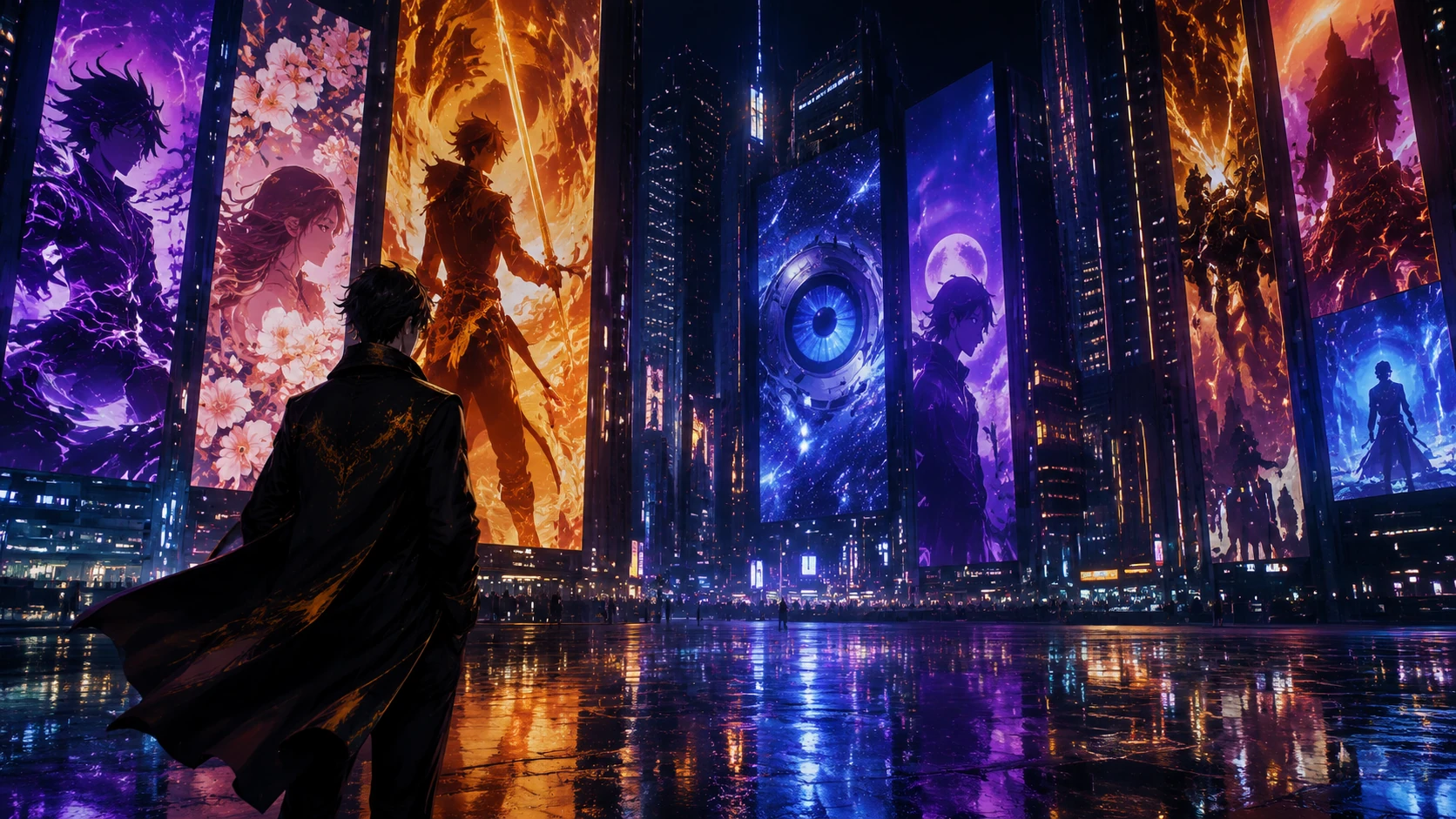
By 2026, the global digital comic landscape has reached a point of absolute saturation. With millions of titles available at a single swipe, the traditional 'monolith' genres—standard action, pure romance, or classic fantasy—are no longer enough to guarantee visibility. The most successful IPs of the year are those that embrace 'The Hybrid Model': a strategic blending of disparate genres to create a unique 'high-concept' hook that satisfies multiple reader cravings simultaneously.
The Shift from Broad Categories to Micro-Niches
The 2026 reader is highly sophisticated. Algorithmic discovery has moved beyond simple tags like 'Comedy.' Today’s audiences search for specific emotional textures and thematic intersections. This shift has given rise to 'Micro-Niches,' where creators find less competition and higher loyalty. Instead of competing in the crowded 'Isekai' space, creators are finding success in hybrids like 'Cyberpunk-Historical' or 'Culinary-Horror.'
- Genre-Fluidity: Stories that shift tone organically between chapters to maintain engagement.
- Emotional Contrasts: Pairing high-stakes action with low-stakes 'slice of life' to prevent reader fatigue.
- Thematic Layering: Using a familiar genre (like Mystery) as a vehicle for a complex sub-theme (like Environmental Ethics).
Engineering the 'High-Concept' Hook
A high-concept hook is a premise that can be explained in a single sentence and immediately sparks curiosity. In 2026, the most effective hooks are those that utilize the 'X meets Y' formula with a twist. For example, 'A regency romance set on a dying space station' or 'A competitive cooking manga where the ingredients are mythological monsters.' The goal is to create a 'topical cluster' that appeals to two different fanbases at once.
Data-Driven Niche Selection
Successful 2026 creators use semantic search data to identify 'content gaps.' By analyzing what readers are searching for versus what is currently being published, authors can target underserved demographics. Current trends show a massive spike in 'Cozy-Noir'—detective stories with a focus on comfortable environments and low-stress resolutions—and 'Educational-Fantasy,' where world-building includes real-world skills like coding or finance.
Maintaining Narrative Cohesion
The greatest risk of genre-blending is tonal whiplash. To avoid alienating readers, creators must establish a 'Primary Genre' that dictates the story's stakes, while the 'Secondary Genre' provides the aesthetic or structural flavor. If your Primary Genre is Horror, your 'Romance' subplot should still feel grounded in that atmosphere of dread, rather than breaking the immersion with sudden slapstick comedy.
FAQ
What is the most popular hybrid genre in 2026?
Currently, 'Cozy-Horror' and 'Techno-Fantasy' are seeing the highest growth in reader retention due to their ability to provide both comfort and high-stakes excitement.
How do I tag a hybrid comic for SEO?
Use a 'Primary-Secondary' tagging strategy. Tag your main genre first, followed by specific 'vibe' keywords and the secondary genre to capture long-tail search queries.
Does genre-blending make it harder to find a publisher?
On the contrary, in 2026, publishers are actively seeking 'High-Concept' hybrids because they are easier to market as unique IPs in a crowded digital storefront.