The Architecture of Addiction: Engineering Binge-Worthy Narrative Loops in 2026 Webtoons
Discover the neuroscientific principles behind the 'one-more-chapter' phenomenon and how to structure your webtoon for maximum bingeability. We explore the transition from episodic hooks to cohesive narrative loops that drive long-term engagement.
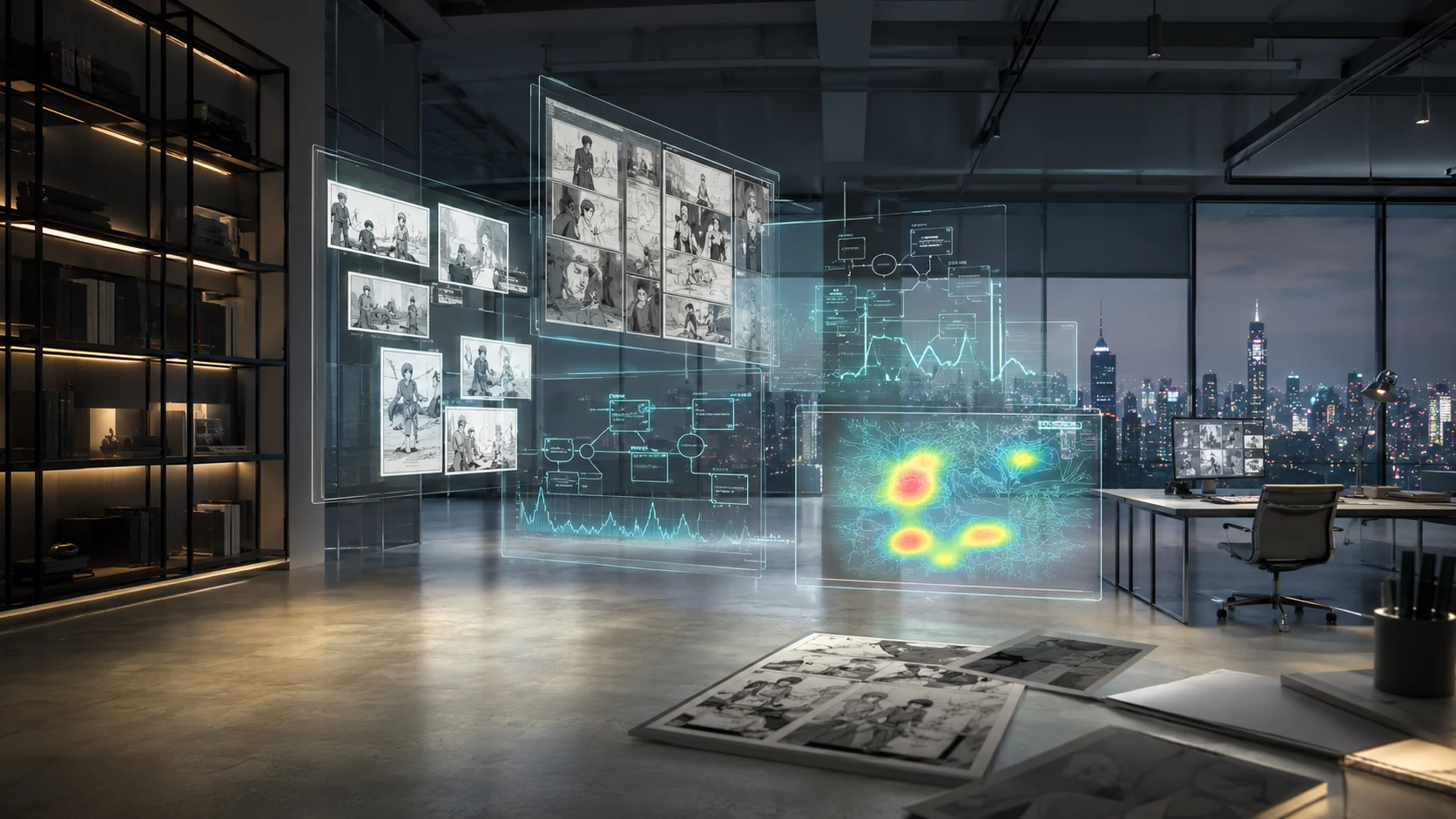
In the 2026 digital landscape, the battle for reader attention is no longer won by individual chapters but by the 'bingeability' of the entire series. As the market saturates, creators are shifting their focus from simple episodic hooks to sophisticated narrative architecture designed to trigger the 'one-more-chapter' impulse. This shift is driven by a deeper understanding of reader psychology and the neurochemical rewards associated with digital consumption.
The Zeigarnik Effect: Why Unfinished Business Drives Retention
At the heart of binge-reading lies the Zeigarnik Effect—a psychological phenomenon where people remember uncompleted or interrupted tasks better than completed ones. In the context of a webtoon, this means that a resolved plot point provides closure and a reason for the reader to stop. Conversely, an 'open loop' creates psychological tension that the reader must resolve by clicking the next episode.
In 2026, top-tier storytellers are mastering the art of 'Nested Loops.' Instead of one major cliffhanger at the end of a chapter, they weave multiple threads of varying lengths: short-term curiosity (what is behind that door?), medium-term stakes (will the protagonist pass the exam?), and long-term mystery (who killed the king?). When one loop closes, two more must remain open to maintain the narrative tension.
Designing the 'Dopamine Bridge' Between Chapters
Retention metrics in 2026 show that the first 15% of a new chapter is just as critical as the final 10% of the previous one. This transition period, known as the 'Dopamine Bridge,' is where creators often lose readers. If the new chapter begins with a slow recap or a change in tone that dissipates the tension built by the previous cliffhanger, the 'binge' is broken.
- Immediate Payoff: Resolve the immediate tension of the last cliffhanger within the first five panels.
- The Secondary Hook: Introduce a new micro-mystery immediately after the resolution.
- Visual Continuity: Use color palettes and atmospheric lighting to maintain the emotional state across the chapter break.
- Rhythmic Pacing: Ensure the scrolling speed matches the rising tension of the script.
The 2026 Shift: From 'What Happens Next' to 'How Do They Feel'
While plot-driven cliffhangers are effective for action and mystery genres, the most successful romance and drama webtoons in 2026 utilize 'Emotional Loops.' These aren't based on physical danger but on the tension of unspoken feelings or social shifts. The reader continues not because they want to see a fight, but because they need to see the emotional resolution of a specific character interaction.
Data-Driven Pacing and the Vertical Flow
With the integration of advanced analytics in publishing platforms, creators can now see exactly where readers 'drop off.' Common data patterns reveal that 'walls of text' or excessive 'dead space' between panels are the primary killers of binge-momentum. The vertical scroll must act as a slide, accelerating the reader toward the next revelation.
To master this, 2026 creators are using 'Visual Anchors'—high-impact panels placed strategically at the 30%, 60%, and 90% marks of a chapter. These anchors re-engage the reader's visual interest and reset their attention span, ensuring they reach the final hook.
FAQ
What is the ideal chapter length for binge-reading in 2026?
While it varies by genre, the 2026 industry standard for high-retention webtoons is between 50 to 70 panels. This provides enough depth to advance the plot while remaining quick enough for a reader to consume 5-10 chapters in a single sitting.
Does every chapter need a cliffhanger?
Not necessarily a 'life-or-death' cliffhanger, but every chapter needs an 'unresolved question.' This could be as simple as a character's reaction to a secret or a mysterious shadow, as long as it triggers the Zeigarnik Effect.
How do I balance bingeability with weekly releases?
Focus on the 'Nested Loop' strategy. Weekly readers will enjoy the incremental progress, while future binge-readers will be carried through the story by the overarching loops that span multiple chapters.