The 2026 Webtoon-Retail Synergy: Why Physical ‘Experience Centers’ are the New Growth Engi
The 2026 comic industry is witnessing a massive pivot as digital-first platforms invest in physical 'Experience Centers' to combat digital fatigue. This news report explores how O2O synergy is redefining reader engagement and IP monetization.
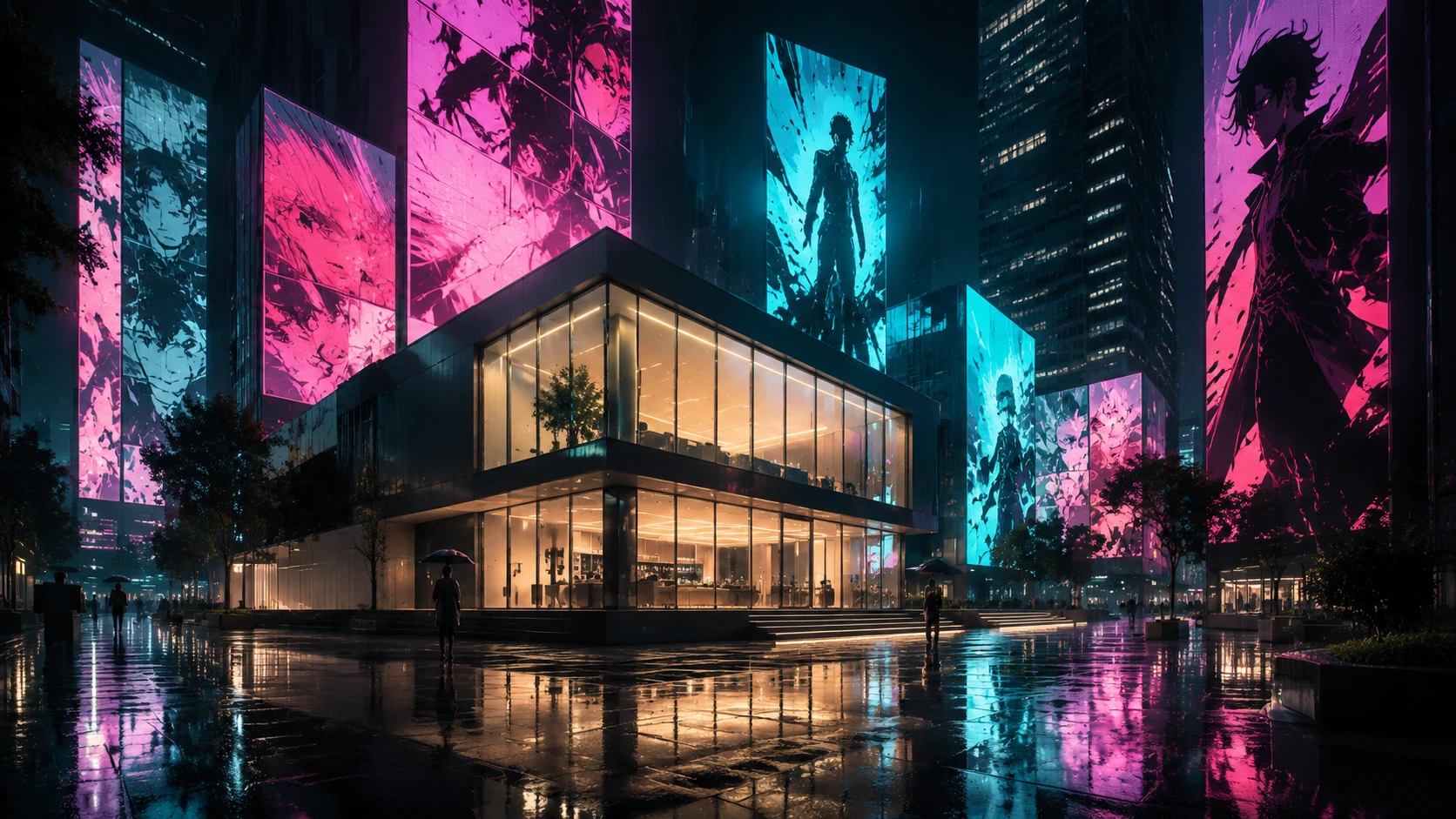
The digital-first era of comics has reached a surprising inflection point in 2026. After a decade of aggressive vertical-scroll dominance, the industry's largest platforms are aggressively pivoting back to the physical world—not through traditional bookstores, but via high-tech 'Experience Centers.' This news comes as a response to 'scroll fatigue' and a cooling digital ad market, forcing publishers to find higher-margin touchpoints with their core audiences. These flagship centers, currently launching in Seoul, Tokyo, New York, and Paris, are designed to serve as the physical manifestation of digital lore, blending high-end retail with immersive narrative technology.
The O2O (Online-to-Offline) Renaissance in Webtoon Publishing
The 2026 shift toward O2O (Online-to-Offline) strategy isn't about selling paperbacks; it's about Lifetime Value (LTV). Industry data from the first half of 2026 shows that readers who visit a physical experience center spend 4.5 times more on digital micro-transactions over the following six months compared to digital-only users. These spaces function as 'temples' for the fandom, offering exclusive AR-integrated merchandise, limited-edition physical prints that sync with digital wallets, and interactive 'lore rooms' where fans can engage with life-sized projections of their favorite characters.
Driving Engagement Through Sensory Immersion
- Haptic Reading Lounges: Specialized seating that provides sensory feedback synced to specific high-intensity chapters.
- Lore-Based Perfumery: Scents specifically designed to match the 'vibe' of popular genres, from dark fantasy to high-school romance.
- Direct-to-Avatar Customization: Physical kiosks that allow readers to buy physical apparel that is instantly mirrored on their digital platform profile.
Why Traditional Retail is Being Left Behind
Traditional comic shops are struggling to compete with these platform-owned hubs because of the 'Data Loop.' Unlike a standard bookstore, every interaction in an Experience Center is tracked via the platform's app. If a reader lingers near a specific character statue, the algorithm adjusts their digital recommendation feed to favor that series or its spin-offs. This level of vertical integration allows platforms to treat physical space as a high-conversion top-of-funnel marketing asset rather than just a storage unit for inventory. In 2026, the 'store' is no longer a place of transaction, but a place of conversion.
The Global Expansion: A New Real Estate War
Major players like Naver, Kakao, and emerging US-based boutique studios are currently in a bidding war for premium real estate in high-traffic fashion districts. By situating webtoon centers next to luxury brands like Gucci or Apple, platforms are signaling that comics are no longer a sub-culture but a premium lifestyle product. This repositioning is attracting a new demographic of 'casual-luxury' readers who previously viewed webtoons as disposable mobile entertainment. The 2026 retail landscape is proving that while the story is read on a screen, the brand is built in the street.
Strategic Implications for the 2026 Creator
As the news of this retail surge spreads, creators must adapt their IP for physical world-building. Series with 'high-aesthetic' assets—unique fashion, iconic weapons, or distinct architectural styles—are being prioritized for these flagship centers. Studios are now hiring 'Spatial Designers' alongside traditional illustrators to ensure that their digital worlds can be translated into three-dimensional experiences without losing their narrative soul. The 2026 market rewards creators who think beyond the panel and into the physical space the reader inhabits.
- Audit your IP for 'Object-Based' branding: Can your character's signature item be manufactured?
- Focus on 'Vibe Consistency': Does your series have a color palette that translates well to interior design?
- Prioritize 'Shareable Moments': Design panels that look as good on a 10-foot LED wall as they do on a 6-inch phone screen.
FAQ
What is a Webtoon Experience Center?
A physical flagship store owned by a digital comic platform that combines immersive technology, exclusive merchandise, and interactive lore displays to deepen reader engagement.
Do I need to be a famous creator to be featured in these centers?
While top-tier IPs dominate, many centers feature 'Discovery Zones' for rising indie creators whose art styles lend themselves to high-end physical displays.
Is the digital comic market declining?
No, digital consumption is still growing, but physical centers are being used to combat 'digital fatigue' and increase the average revenue per user (ARPU).