The 2026 Webtoon Pitch Deck Blueprint: Securing Sovereign IP Deals in a Saturated Market
In 2026, pitching a webtoon is no longer just about art; it is about presenting a scalable IP asset. This guide provides the definitive blueprint for creators looking to bypass traditional gatekeepers and secure sovereign licensing deals.
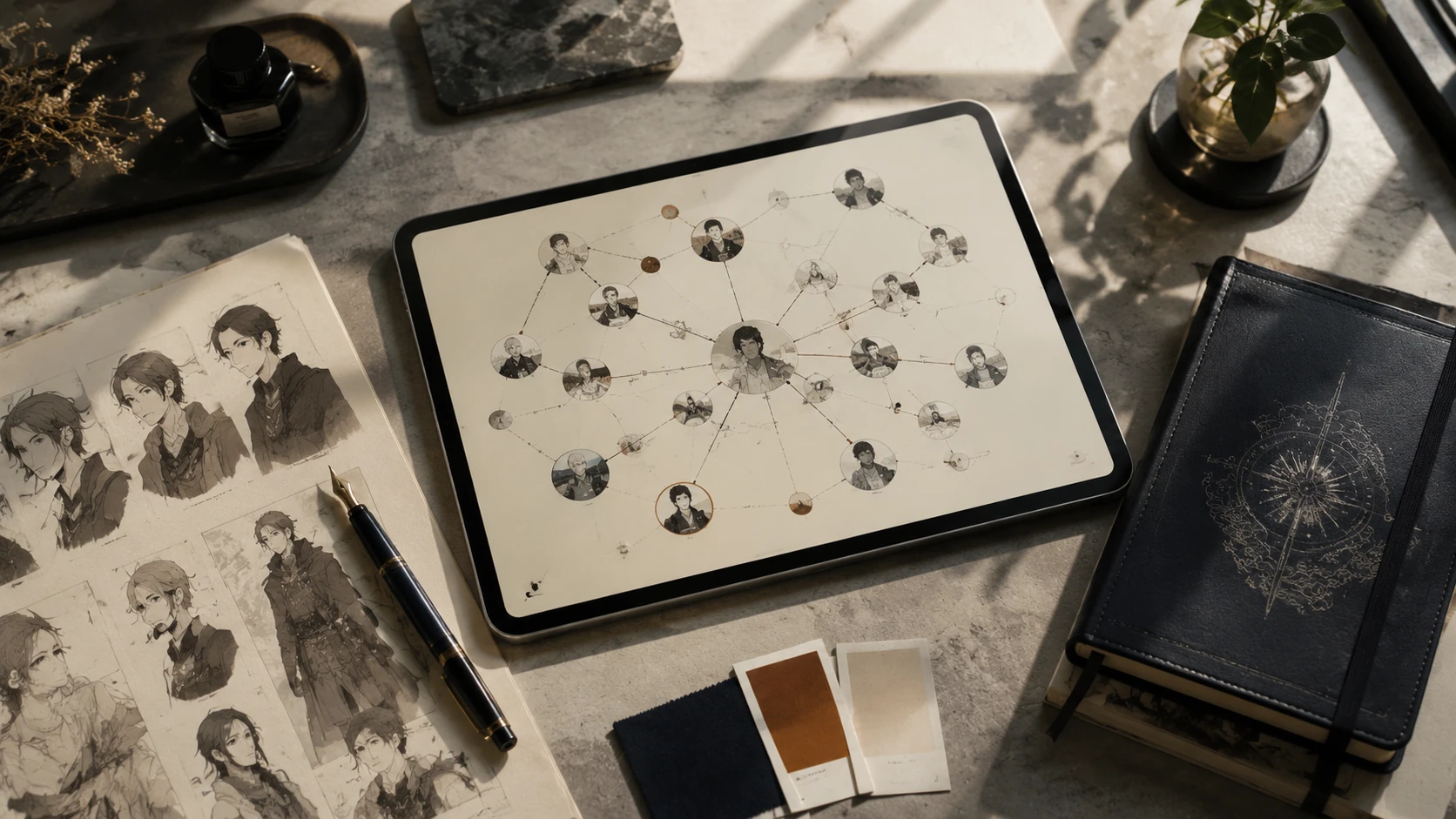
By 2026, the era of the 'blind pitch'—where creators submit a few chapters and hope for a platform contract—has ended. The global market is now saturated with high-quality content, much of it augmented by AI, which has raised the bar for human-led storytelling. Today, a successful pitch deck must function as a business prospectus for a Narrative Asset. Investors, streaming platforms, and independent studios are no longer just looking for a good story; they are looking for 'Sovereign IP'—intellectual property that is architected for cross-media scalability, data-backed audience resonance, and long-term licensing potential. This guide outlines the essential components of a 2026-standard pitch deck, designed to help independent creators secure high-value deals while maintaining creative control.
The Shift from Portfolio to IP Prospectus
In previous years, a pitch deck was primarily a visual portfolio. In 2026, the focus has shifted toward the 'IP Integrity' of the project. A pitch must now demonstrate that the story world is robust enough to survive adaptation into animation, gaming, or physical collectibles without losing its core identity. This requires a shift in mindset: you are not just an artist; you are an architect of a franchise. Your deck needs to answer not just 'what happens,' but 'how does this world scale?' This involves documenting the internal logic of your lore, the psychological drivers of your characters, and the specific narrative hooks that trigger high reader retention.
Core Components of the 2026 Pitch Deck
The Transmedia Roadmap
One of the most critical slides in a modern deck is the Transmedia Roadmap. This isn't just a wish list; it's a technical layout of how the story's assets (characters, locations, magic systems) are formatted for interoperability. You should demonstrate that your character designs are 'animation-ready' and that your world-building includes 'lore nodes' that can be expanded into side-stories or DLC content for games. This signals to publishers that your IP is a low-risk, high-reward investment that can generate multiple revenue streams.
- Narrative Architecture: A visual map of the first three 'Major Arcs' and their emotional beats.
- Character DNA: Detailed profiles focusing on psychological motivations rather than just physical descriptions.
- Market Positioning: Data-backed analysis of which niche communities (micro-genres) this story targets.
- Asset Readiness: A summary of your modular asset library (backgrounds, character models) to prove production efficiency.
The 'Data-Validated Hook' Slide
2026 investors are risk-averse. Including a slide that demonstrates early market validation can significantly increase your chances of a deal. This doesn't mean you need a million followers; it means you need to show that your 'Pilot' content or social media micro-moments have triggered specific engagement signals. Use metrics like 'Scroll Velocity' from your pilot chapters or 'Sentiment Analysis' from community feedback. This proves that there is an existing hunger for your specific narrative friction, making your pitch a data-informed proposition rather than a creative gamble.
Technical Requirements and Rights Documentation
A professional deck must also address the legal and technical landscape of 2026. This includes a clear statement on your 'Proof of Human' certification and your stance on AI training rights. If you have used AI tools for pre-visualization or storyboarding, be transparent about it, but emphasize the human-led creative direction. Additionally, your deck should include a summary of the rights you are offering—whether it's a full buyout, a first-look deal, or a fractionalized IP model where you retain the digital publishing rights while licensing the animation rights.
Common Pitching Mistakes to Avoid
The most common mistake in 2026 is 'Lore Dumping.' While your world bible should be deep, your pitch deck should only show the tip of the iceberg. Avoid spending ten slides explaining the history of your fictional world; instead, focus on the immediate emotional stakes of the protagonist. Another mistake is ignoring the 'Vertical UX.' If your pitch deck only shows horizontal comic panels, you are signaling that you don't understand the mobile-first market. Ensure your visual examples are optimized for the vertical scroll format to demonstrate your mastery of modern pacing.
- Don't lead with 'World History'; lead with the 'Inciting Incident'.
- Avoid generic genre labels; use hyper-specific 'Micro-Genre' descriptors.
- Never submit a deck without a clear 'Production Timeline' and budget estimate.
- Ensure all visual assets are high-resolution and formatted for both digital viewing and high-end print.
FAQ
How long should a webtoon pitch deck be in 2026?
Keep it between 12 and 18 slides. It should be concise enough to read in 5 minutes but deep enough to serve as a reference for a follow-up meeting.
Do I need a finished script to pitch a webtoon?
No, but you need a 'Series Bible' and a fully scripted first arc (usually 10-12 chapters) to prove the narrative's structural integrity.
What is the most important slide in a 2026 pitch?
The 'IP Scalability' slide. It shows how your characters and world can transition into other media, which is the primary driver of high-value deals today.