The 2026 Webtoon Economy: Why Direct-to-Fan Support is Replacing Ad-Revenue Models
The digital comic landscape is undergoing a seismic shift as creators move away from volatile ad-revenue in favor of direct-to-fan ecosystems. This report explores the rise of micro-memberships and the technologies driving creator independence in 2026.
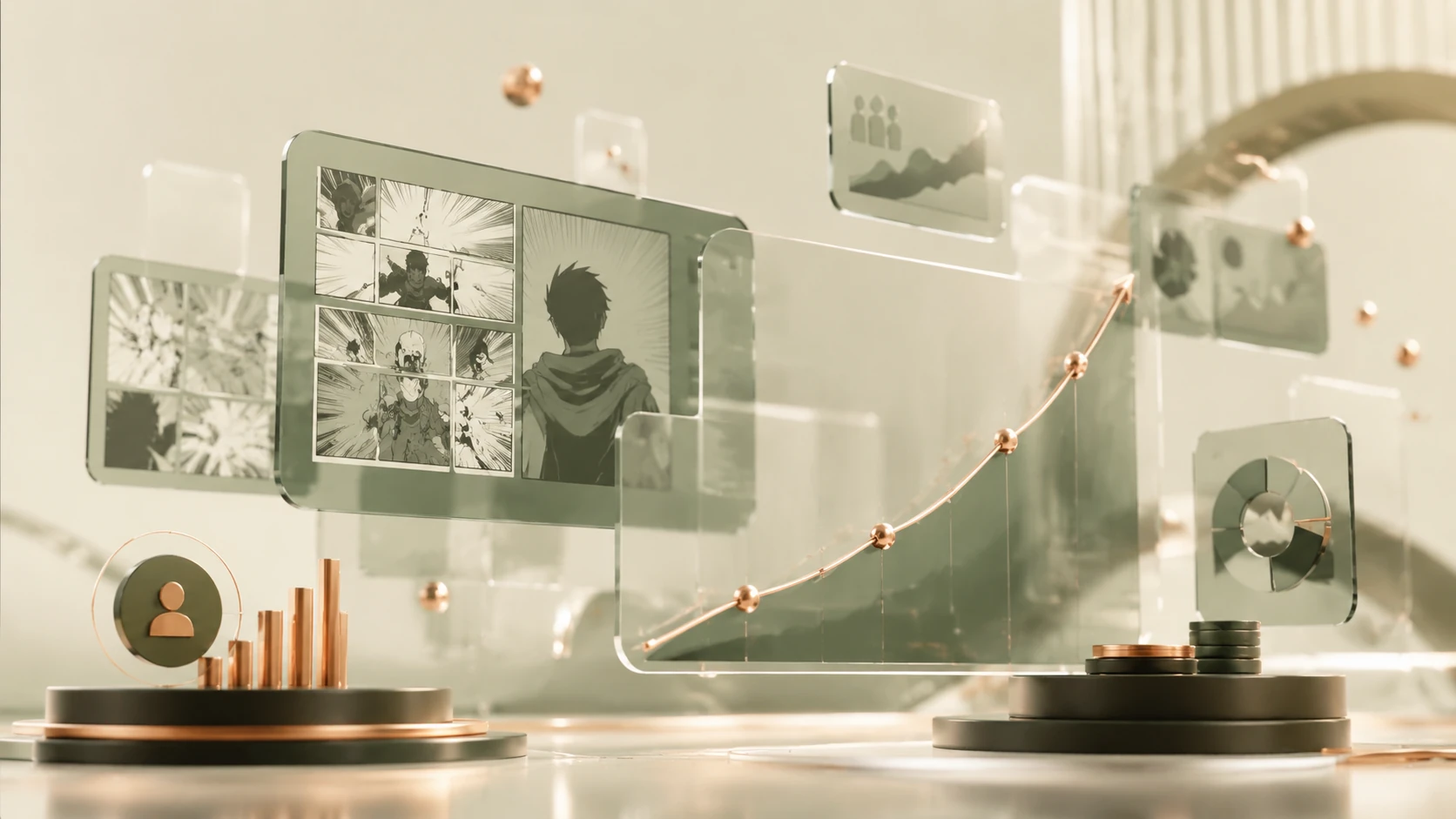
The digital comic industry has reached a pivotal junction in 2026. For years, creators relied on the 'platform-first' model, where success was measured in page views and a microscopic slice of advertising revenue. However, as algorithmic volatility and ad-blocker usage hit record highs, the industry is witnessing a massive migration toward Direct-to-Fan (D2F) ecosystems. This shift isn't just about survival; it's about the professionalization of the independent creator.
The Death of the 'Ad-Only' Strategy
In the early 2020s, many webtoon and manga platforms promised that high traffic would lead to sustainable living. By 2026, that promise has largely been broken for the middle-class creator. CPMs (Cost Per Mille) have stabilized at levels that require millions of monthly views just to cover basic production costs. Consequently, creators are now treating major platforms as 'top-of-funnel' discovery tools rather than their primary source of income. The focus has shifted to owned audiences—readers who are willing to pay for early access, exclusive lore, and a direct connection to the artist.
Micro-Memberships and Tiered Access
The rise of micro-memberships has redefined how stories are funded. Instead of one-time purchases, readers are opting for low-friction monthly subscriptions that offer more than just the comic. We are seeing a surge in 'Process-as-a-Product' trends, where fans pay to see behind-the-scenes AI-assisted workflows, script drafts, and character design iterations. This transparency builds a deeper E-E-A-T (Experience, Expertise, Authoritativeness, and Trustworthiness) signal that search engines and fans alike value in an era of generic content.
- Early access tiers (paying to read 3-5 chapters ahead of public release).
- Digital collectibles and limited-edition 'cover art' NFTs that grant community status.
- Interactive storytelling votes where high-tier supporters influence minor plot directions.
- Direct integration with tools like COMICLS to streamline asset creation and reduce overhead.
The Role of AI in Profit Margins
One of the most significant news stories of 2026 is how AI tools have transitioned from 'controversial' to 'essential.' Leading creators are using generative tools not to replace their art, but to automate the grueling aspects of production—flatting, background rendering, and 3D modeling. By reducing the time-to-market for a single episode from 60 hours to 20 hours, creators are effectively tripling their profit margins. This efficiency allows them to spend more time on community management and D2F marketing, which are the true drivers of revenue in the current landscape.
Hybrid Publishing: The Best of Both Worlds
We are also seeing the emergence of 'Hybrid Publishing.' This involves launching a series on a major platform for reach, while simultaneously hosting a high-fidelity, ad-free version on a personal site or a creator-centric app like COMICLS. This strategy ensures that while the algorithm handles discovery, the creator retains the data and the lion's share of the revenue. It is a safeguard against sudden platform policy changes or account deactivations.
As we look toward the second half of 2026, the trend is clear: the creators who own their platforms and their relationships will be the ones who define the next decade of digital storytelling. The 'Ad-Revenue Era' is ending; the 'Relationship Era' has begun.
FAQ
What is the best way to monetize a webtoon in 2026?
A hybrid approach is best: use large platforms for discovery and move your core audience to a direct-to-fan platform like COMICLS or a personal newsletter for early access and memberships.
Is ad-revenue still viable for new creators?
It is viable for reach and brand awareness, but rarely for a full-time income unless you are in the top 0.1% of traffic. Diversification is essential.
How does AI help with comic monetization?
AI reduces production costs and time, allowing creators to release content faster and focus on high-value tasks like marketing and community building.