The 2026 ‘Visual-Anchor’ Design System: Engineering IP for Multi-Format Recognition
Master the 2026 Visual-Anchor Design System to ensure your characters are instantly recognizable by AI search engines and cross-media pipelines. Learn to build semantic visual assets that protect your IP's identity across webtoons, games, and animation.
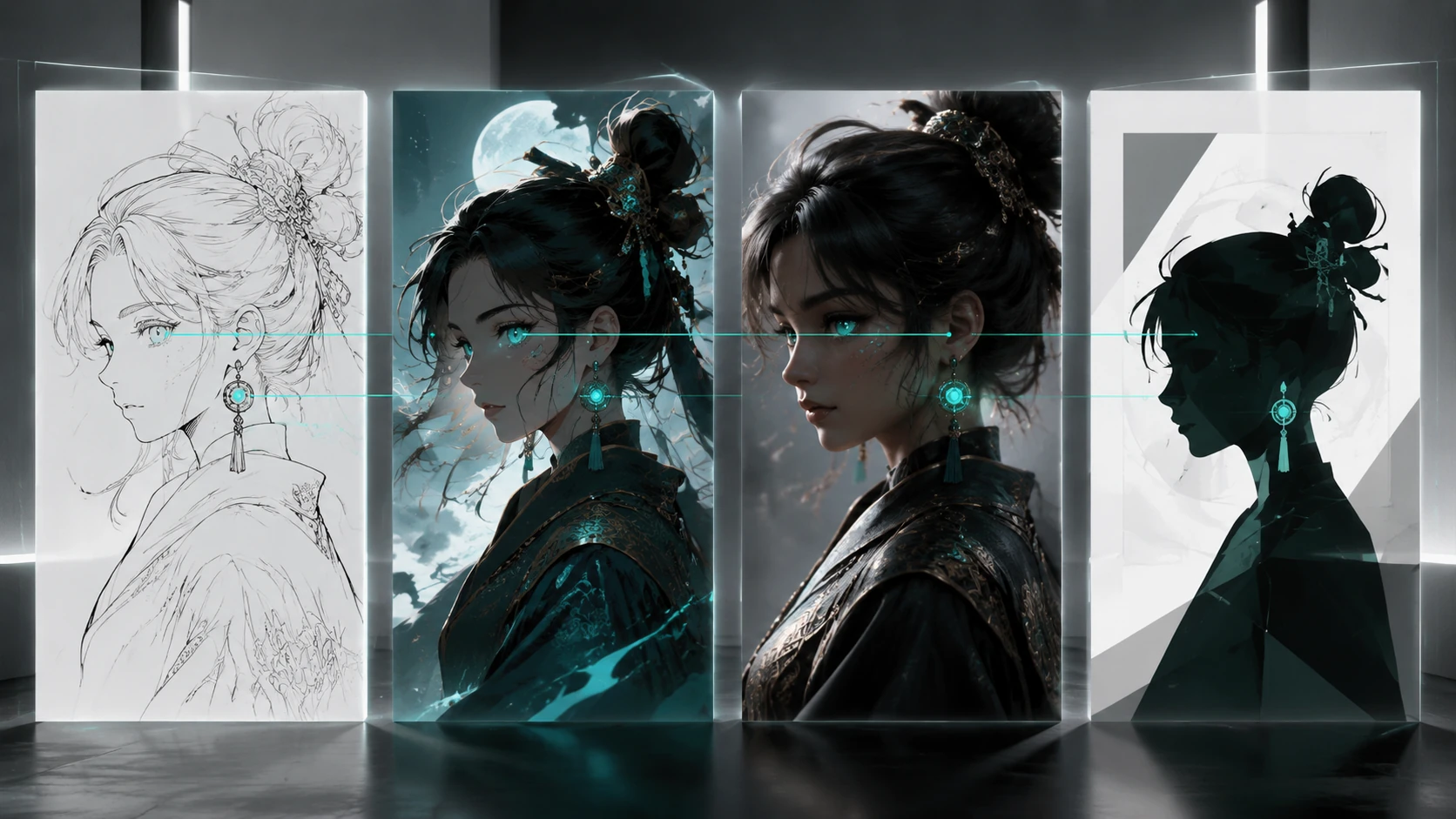
By 2026, the definition of 'Character Design' has shifted from purely aesthetic appeal to functional 'Entity Recognition.' As webtoons are increasingly discovered via AI-driven visual search engines and adapted into multi-format IP (games, XR, and anime) at breakneck speeds, creators can no longer rely on traditional character sheets. The 'Visual-Anchor' Design System is the new industry standard for engineering IP that maintains its semantic identity regardless of who—or what—is rendering the art. This guide explores how to build a visual system that ensures your characters are indexed as unique entities by search engines and remain consistent across a fragmented media landscape.
Understanding the Visual-Anchor Philosophy
Traditional character design focuses on 'looking good' in a specific style. In contrast, the Visual-Anchor system focuses on 'identifiability' across styles. A visual anchor is a set of non-negotiable geometric and chromatic constants that an AI vision model can use to identify your character even if the art style changes from 2D manhwa to 3D gaming assets. In 2026, search engines like Google and specialized comic discovery bots use these anchors to link fan art, social media clips, and official adaptations back to your original IP, directly impacting your 'Entity Authority' and search rankings.
The Three Pillars of Visual Anchoring
- Silhouette Geometry: The unique negative space and outline of the character, particularly the hair and primary accessories.
- Chromatic Signature: A specific 'Color Math' palette that uses precise hexadecimal ratios rather than just general hues.
- Semantic Markers: Distinct, repeatable symbols or 'props' that act as a visual fingerprint (e.g., a specific earring, scar, or glow pattern).
Step 1: Defining the Silhouette and Negative Space
The most powerful visual anchor is the silhouette. In 2026, AI recognition models prioritize 'edge-detection' to identify characters. To engineer a high-recognition silhouette, you must move beyond generic body types. Focus on the 'Hair-to-Shoulder Ratio' and the 'Primary Accessory Profile.' A successful Visual-Anchor system includes a 'Black-and-White Stress Test,' where the character must be 100% identifiable as a solid black shape. If your character looks like a generic protagonist when blacked out, your IP is at risk of being 'lost' in the semantic search noise.
Step 2: Engineering the Chromatic Identity
Color in 2026 is data. When creating your design system, you aren't just choosing colors; you are defining a 'Chromatic Signature.' This involves selecting a primary, secondary, and accent color that maintain a specific contrast ratio. Modern production pipelines use these ratios to automate color-grading across different lighting environments while keeping the character's 'essence' intact. For example, if your character’s signature is a 70/30 split of Charcoal and Electric Teal, that ratio must be maintained in both a bright slice-of-life scene and a dark horror sequence to ensure consistent AI indexing.
Step 3: Implementing Semantic Visual Metadata
The final step in the Visual-Anchor system is embedding metadata into the visual design itself. This is achieved through 'Semantic Markers'—physical traits that double as data points. In 2026, many creators include a specific geometric pattern on a character’s clothing or a unique glow-effect in their eyes that remains constant. These markers allow AI discovery agents to 'tag' the character automatically. When you upload your character sheet to a platform like COMICLS, this metadata is used to generate 'Visual SEO' tags, making your series appear in searches for 'characters with [Specific Marker].'
Common Pitfalls in 2026 Character Engineering
The biggest mistake modern creators make is over-complicating the design. High-fidelity detail is often the enemy of recognition. If a character has too many micro-details, an AI-driven adaptation pipeline might 'hallucinate' or simplify the wrong elements, leading to a loss of IP consistency. Another common error is 'Palette Drift,' where the character's colors are adjusted based on mood without maintaining the core Chromatic Signature. To avoid this, always refer back to your Visual-Anchor Master Document, which should serve as the 'Source of Truth' for all collaborators and AI tools.
The Future of Visual Anchors: 2027 and Beyond
As we move toward 2027, the Visual-Anchor Design System will integrate with 'Neural Style-Transfer' tools. This will allow creators to license their character's 'Visual Entity' to other artists or studios with the guarantee that the character will look identical in any style. By mastering these anchoring techniques today, you are not just drawing a comic; you are building a resilient, searchable, and highly monetizable digital asset that can survive and thrive in any medium.
FAQ
Does a Visual-Anchor system limit my artistic freedom?
Not at all. It provides a framework of constants (like eye shape or color ratios) while allowing you to experiment with style, line weight, and shading. It’s about ensuring the core 'Entity' is recognizable under any artistic lens.
How do Visual Anchors help with AI Search (SEO)?
AI search engines in 2026 use 'Visual Entity Linking.' If your character has consistent anchors, the AI can group all instances of that character across the web, boosting your IP's authority and search ranking.
Can I apply this to an existing webtoon character?
Yes. You can 'Retrofitted Anchoring' by identifying the most consistent traits in your current chapters and formalizing them into a design system for future chapters and adaptations.