The 2026 ‘Vibe-Check’ Economy: Engineering Atmospheric Storytelling for Gen Alpha Webtoon
In 2026, plot-driven narratives are taking a backseat to 'atmospheric storytelling' as Gen Alpha becomes the dominant reading demographic. Discover how to engineer the 'vibe' to boost retention and algorithmic discovery.
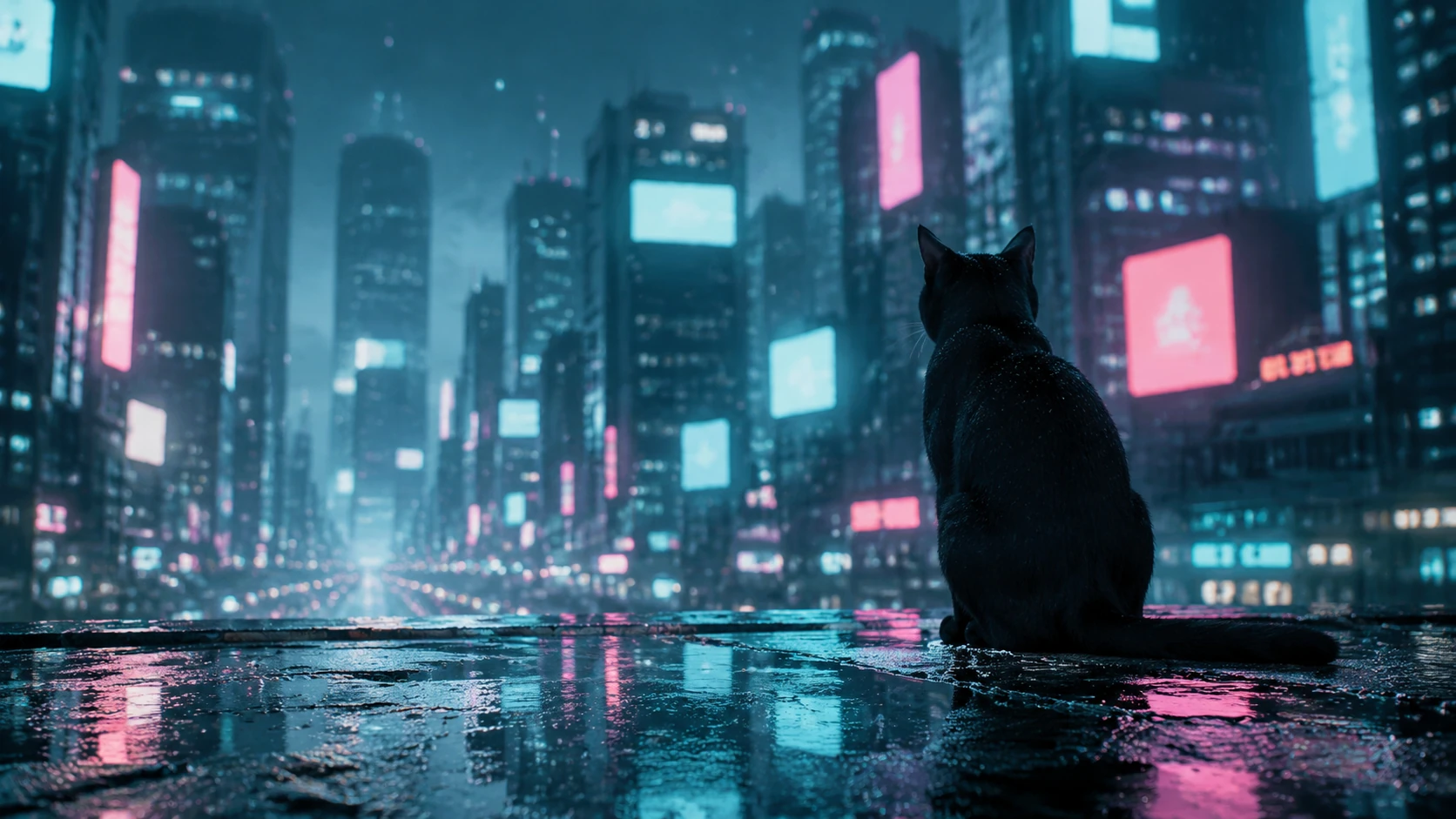
By 2026, the comic and webtoon industry has reached a pivotal demographic tipping point. Generation Alpha, the first cohort to be entirely 'digital-born,' is now the primary driver of growth on global platforms. Unlike Gen Z, who prioritized relatable characters and fast-paced plot subversion, Gen Alpha is ushering in what analysts call the 'Vibe-Check' Economy. This shift marks a move away from traditional 'what happens next' storytelling toward 'how it feels to be here.' Atmospheric storytelling—narratives where the mood, aesthetic, and sensory texture of the world take precedence over rapid plot progression—is no longer a niche artistic choice; it is a core requirement for retention in the 15-second attention economy.
The Sensory Pivot: Why Plot is Secondary to Atmosphere
The 2026 reader does not simply read a comic; they 'reside' in its aesthetic. Gen Alpha’s consumption habits are heavily influenced by ambient video content, ASMR, and visual mood boards. In response, successful webtoon studios are re-engineering their production pipelines to prioritize 'Sensory Anchor Points.' These are panels or sequences designed specifically to evoke a physiological mood—loneliness, coziness, or 'liminality'—rather than to advance the narrative. This atmospheric density serves as a 'vibe-check' that determines whether a reader will stay for the next 40 episodes. If the world doesn't feel right within the first three panels, the plot becomes irrelevant.
Visual ASMR and the 'Slow-Burn' Aesthetic
- Negative Space as Narrative: Using vast, quiet panels to simulate digital breathing room.
- Color Theory as Emotional Metadata: Moving beyond literal coloring to use palettes that signal the 'vibe' of a scene before a single line of dialogue is read.
- Ambient Motion: The use of subtle parallax and animated backgrounds to enhance the 'presence' of the setting.
Engineering the 'Vibe': A Strategic Framework
Creating an atmospheric hit requires more than just good art; it requires 'Atmospheric Engineering.' This involves the intentional synchronization of visual style, pacing, and sound (for audio-hybrid formats). Creators are now using 'Mood-to-Metric' analysis to see which specific aesthetic choices lead to the highest 'lo-fi' engagement—a metric that tracks how long a reader lingers on a non-dialogue panel. In 2026, the most successful IPs are those that allow the reader to project their own emotional state onto a beautifully rendered, atmospheric void. This 'elasticity of mood' is what makes a series go viral on visual-first search engines.
Algorithmic 'Mood-Matching' and the Future of Discovery
AI-driven discovery engines in 2026 have evolved beyond genre tags like 'Fantasy' or 'Romance.' They now use 'Semantic Mood Indexing' to match readers with content based on their current psychological intent. A user searching for 'rainy evening solitude' will be served webtoons that have been indexed for their atmospheric density and specific color palettes. Creators who fail to engineer their 'vibe' for these visual crawlers risk being buried by the algorithm, even if their plot is world-class. Atmospheric storytelling is the new SEO for the visual web.
Monetizing the Aesthetic: Beyond the Digital Page
The 'Vibe-Check' Economy extends into monetization. Gen Alpha is more likely to purchase 'Atmospheric Assets'—digital wallpapers, ambient soundtracks, and virtual room decor—than traditional physical merchandise. By engineering a strong, consistent atmosphere, creators are building lifestyle brands that transcend the story. This shift allows for a more sustainable revenue model where the IP's value is tied to its 'aesthetic presence' rather than just the publication of new chapters.
Implementation Checklist for 2026 Creators
- Audit your first 5 episodes for 'Atmospheric Gaps'—areas where the setting feels generic.
- Develop a 'World-Building Soundscape' even if your comic is silent, to help guide your visual choices.
- Use 'Liminal Space' design principles to create environments that feel hauntingly familiar to digital natives.
- Optimize panel transitions for 'Vertical Flow' that mimics the scrolling behavior of short-form video apps.
FAQ
What is atmospheric storytelling?
It is a narrative style that prioritizes mood, environment, and sensory experience over plot progression to build a deeper emotional connection with the reader.
Why does Gen Alpha prefer 'vibes' over plot?
Raised on short-form, sensory-heavy content like TikTok and Roblox, Gen Alpha values immediate aesthetic immersion and the 'feeling' of a digital space.
How do AI search engines index 'vibe'?
In 2026, AI uses visual semantic analysis to categorize comics based on color palettes, lighting patterns, and environmental density rather than just text tags.