The 2026 Vertical Integration Pivot: Why Webtoon Studios are Acquiring Gaming Micro-Studio
The traditional licensing model is collapsing in 2026 as webtoon studios move to acquire gaming talent in-house. This vertical integration pivot is redefining how narrative IP is scaled, monetized, and protected in a saturated digital market.
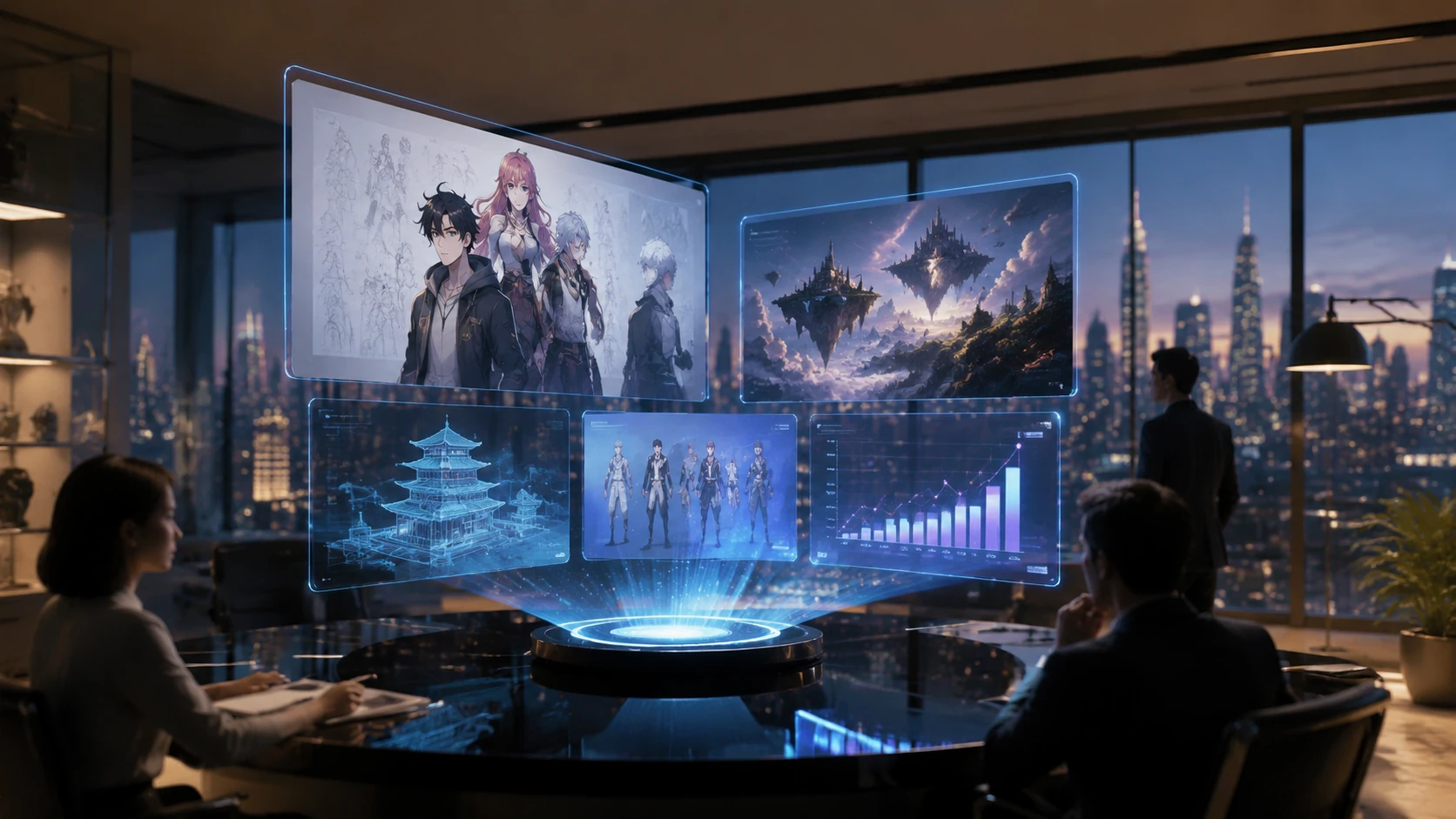
For over a decade, the relationship between webtoons and gaming was defined by the 'licensing-out' model: a comic studio would create a hit, wait for a gaming company to notice, and then sell the rights for a fixed fee or royalty. In 2026, this passive strategy has officially been declared obsolete. Major webtoon studios are no longer waiting for the call; they are making the acquisitions themselves. The pivot toward vertical integration—where a single entity owns the comic production, the game development, and the distribution platform—has become the dominant strategy for survival in an AI-saturated, high-competition IP market.
The Collapse of the Passive Licensing Model
The shift is driven by a fundamental realization: licensing out IP often leads to 'narrative leakage.' When a third-party developer handles the game adaptation of a popular manhwa or manga, the emotional frequency of the story and the visual integrity of the characters often suffer from translation errors between different studio cultures. By the time a game is released, the core webtoon audience may have moved on, or the game may fail to capture the 'soul' of the original work, damaging the long-term value of the IP.
In 2026, the 'Narrative Equity' of a series is its most valuable asset. Webtoon studios have realized that by acquiring micro-studios—small, agile teams of 5-15 developers specializing in narrative-driven mobile games—they can develop 'companion experiences' in parallel with the comic’s release. This allows for simultaneous launches that maximize marketing spend and keep readers locked within a single ecosystem.
Why Gaming Micro-Studios are the Target
The acquisition target is rarely the AAA giant. Instead, webtoon publishers are hunting for 'micro-studios' that possess expertise in specialized engines like Godot or modular Unreal setups. These teams are capable of building high-agency interactive experiences that don't require 100-hour playtimes but instead offer 15-minute 'narrative bursts' that complement a weekly chapter drop.
- Asset Synchronization: Using the same 3D character rigs and environment assets for both the webtoon backgrounds and the game levels.
- Lore Cohesion: Developers and comic artists working in the same Slack channels to ensure world-building consistency.
- Direct User Portability: Moving a reader from the final panel of a chapter directly into a mini-game via a single 'Play' button in the app.
- Revenue Stacking: Combining ad revenue from the comic with micro-transactions from the game without sharing a 50% cut with an outside publisher.
The 'Platform Identity' Moat
The true prize of vertical integration is data. When a reader consumes a webtoon on a platform and then plays the associated game on the same platform, the studio gains a 360-degree view of user behavior. In 2026, this 'Omni-Reader' data is used to predict churn before it happens. If a user stops reading the comic but continues playing the game, the studio can use in-game narrative triggers to pull them back into the reading experience, creating a self-reinforcing loyalty loop.
The Solis-Nebula Case Study
The most cited example of this trend is Studio Solis’s acquisition of the indie gaming outfit Nebula Interactive. By integrating Nebula’s choice-based engine into their publishing app, Solis allowed readers to 'play the cliffhanger' of their flagship series. This resulted in a 45% increase in Day-1 engagement for new chapters and a 300% increase in average revenue per user (ARPU) compared to their previous licensing deals.
Strategic Implications for Independent Creators
For the independent creator or boutique studio, this market shift changes the 'exit strategy.' Historically, creators hoped for a Netflix deal. Today, the most lucrative path is often positioning the IP as a 'multi-format starter kit.' This means building stories with 'game-ready' logic from day one—clearly defined power systems, modular environments, and characters with distinct, quantifiable attributes.
Risks of the Vertical Integration Model
However, the pivot is not without danger. The primary risk is 'Operational Bloat.' Managing a game studio requires a different set of KPIs and management skills than running a comic studio. Many mid-sized publishers have found themselves over-leveraged after acquisitions, struggling to maintain the quality of their core product while being distracted by the complexities of software bug-fixing and server maintenance.
Furthermore, there is the risk of 'Narrative Dilution.' When a story is forced into a gaming mold too early, the pacing of the webtoon can suffer, becoming a series of 'fetch quests' or 'boss battles' that alienate readers who are there for character depth rather than action mechanics.
Conclusion: The Ecosystem is the New Product
As we move further into 2026, the definition of a 'Webtoon Studio' is expanding. We are witnessing the birth of 'Narrative Ecosystem Houses'—entities that view the comic, the game, and the community as a single, inseparable product. For publishers and creators alike, the message is clear: owning the story is no longer enough. You must own the interaction.
FAQ
What is vertical integration in the webtoon industry?
It is a business strategy where a webtoon studio acquires or builds its own internal capabilities for game development, merchandise, and distribution, rather than licensing those rights to third parties.
Why are small gaming studios being acquired instead of large ones?
Micro-studios are more agile, cheaper to acquire, and easier to integrate into a narrative-first workflow. They focus on mobile-native, high-engagement experiences that complement weekly comic updates.
How does this benefit the reader?
Readers get a more immersive and consistent experience, often including interactive chapters, companion mini-games, and rewards that sync across the comic and game.