The 2026 ‘Transmedia-Simultaneity’ Playbook: A Case Study in High-Velocity IP Launch
Discover how the 2026 Transmedia-Simultaneity framework is disrupting the linear adaptation model. This case study examines how parallel development drives massive reader retention.
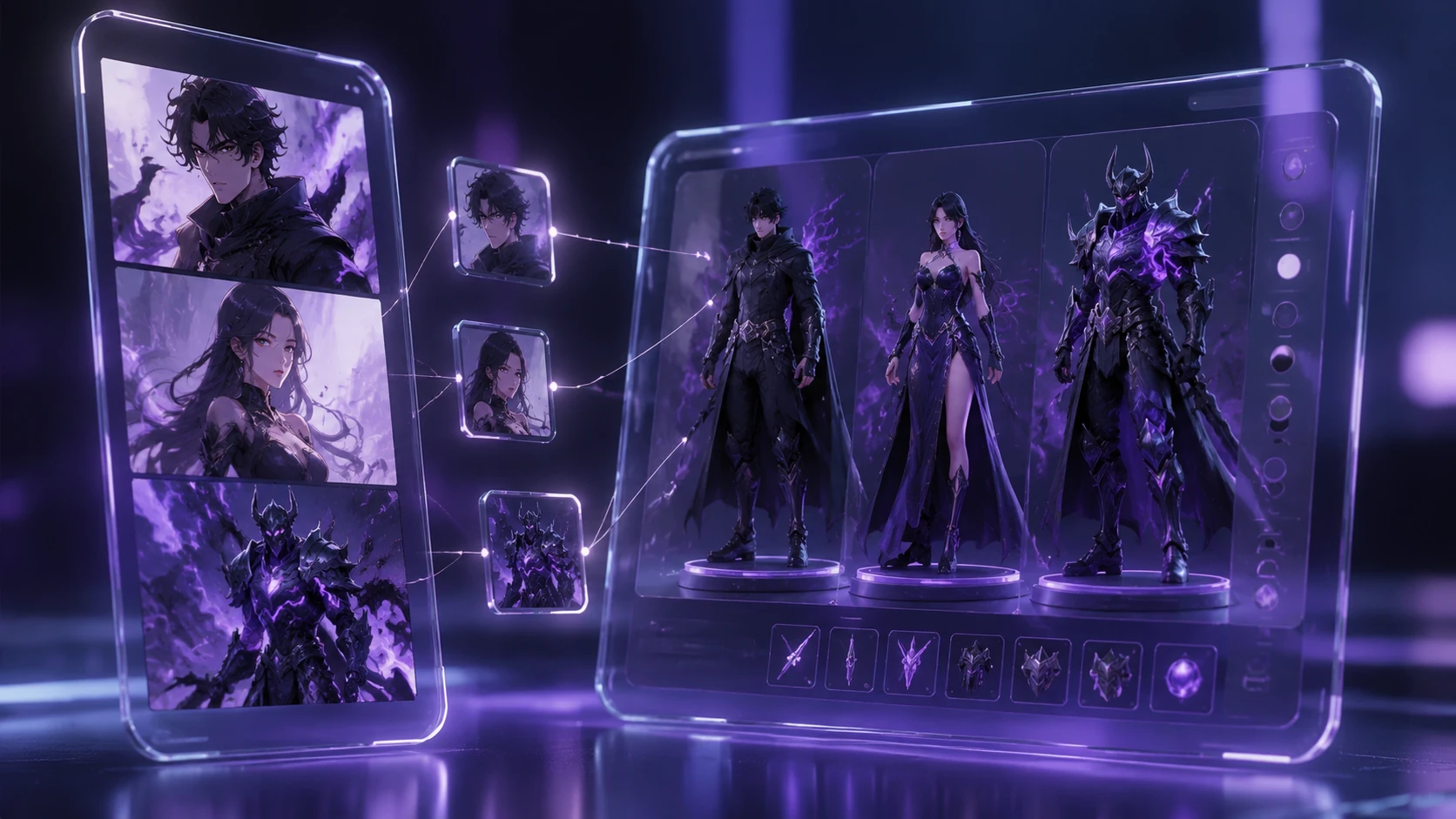
For decades, the comic industry followed a strict linear progression: establish a hit webtoon or manga, wait for a critical mass of readers, and then seek adaptation deals for gaming or film. However, in 2026, this 'wait-and-see' model has become an expensive liability. As audience attention fragments across platforms, the most successful studios are adopting 'Transmedia-Simultaneity.' This framework involves developing a comic IP and its interactive counterparts (games, AR, or social experiences) in parallel, ensuring that the narrative architecture is synchronized from day one. By launching multiple formats simultaneously, creators can capture the full breadth of a reader's digital lifestyle, turning a passive reading experience into an active, multi-format obsession that significantly lowers customer acquisition costs and boosts long-term loyalty.
The Scenario: Studio Chimera’s Challenge
In early 2026, Studio Chimera faced a common industry hurdle: launching a high-fantasy IP, 'Aegis of the Void,' in a market saturated with similar tropes. Traditional marketing metrics suggested that a standard webtoon launch would yield a 12% Day-30 retention rate, typical for the genre but insufficient for sustainable growth. The studio decided to bypass the linear model, utilizing the Transmedia-Simultaneity playbook. Instead of a pilot chapter, they engineered a 'Narrative Core'—a centralized database of assets, lore, and character logic that served both a vertical-scroll webtoon and a micro-companion game. This approach wasn't just about marketing; it was about technical synchronization, ensuring that every narrative beat in the comic had a corresponding interactive trigger in the game, creating a feedback loop that rewarded fans for engaging with both formats.
The Parallel Asset Engine
- Modular Character Rigging: Designing character models that function as 2D comic assets and 3D game assets simultaneously.
- Lore-Gated Interactivity: Placing 'secret' codes in the comic panels that unlock exclusive cosmetic items in the companion game.
- Synchronized Narrative Drops: Releasing weekly comic chapters that reflect the real-time 'world-state' of the game's community events.
- Unified Metadata: Using the 2026 Script-to-Engine (S2E) standard to auto-generate game dialogue from comic scripts.
Execution: Orchestrating the Multi-Format Debut
The execution phase of 'Project Aegis' focused on removing friction between the two mediums. Studio Chimera utilized a 'Shared Progress' system. When a reader finished Chapter 3 on a webtoon platform, a push notification invited them to participate in a 'Flash Quest' in the game that directly resolved the cliffhanger they just read. This wasn't a separate story; it was the same story, experienced through different lenses. The technical backbone relied on the 2026 Narrative Persistence Standard (NPS), which allowed the studio to track a user's progress across the comic app and the game engine seamlessly. By treating the comic as the 'narrative anchor' and the game as the 'emotional multiplier,' the studio ensured that the audience never felt they were repeating content, but rather deepening their understanding of the world.
Results: The 300% Retention Delta
The results of the 'Aegis of the Void' launch were transformative. While the industry average for Day-30 retention hovered at 12%, Studio Chimera achieved a staggering 38% retention rate. More importantly, the 'Cross-Pollination' metric showed that 65% of comic readers actively played the game at least three times a week. This behavior led to a 400% increase in Average Revenue Per User (ARPU), as players were more willing to spend on digital collectibles that had narrative significance in the comic they were reading. The case study proves that when an IP is architected for multiple formats from the start, it creates a 'gravity well' of engagement that single-format IPs cannot match. The cost of parallel development was 40% higher than a standard launch, but the Lifetime Value (LTV) of the acquired users was 250% higher, making the ROI undeniable.
Strategic Takeaways for Modern Studios
To replicate the success of Studio Chimera, creators must move beyond the 'adaptation' mindset and embrace 'origination.' This means hiring narrative architects who understand both game mechanics and comic pacing. The 2026 market does not reward slow movers; it rewards those who can build a coherent universe that exists wherever the reader goes. Studios should prioritize building a 'Lore Bible' that is machine-readable, allowing for rapid asset deployment across new platforms as they emerge. By investing in the Transmedia-Simultaneity playbook, independent creators and large studios alike can insulate themselves from platform-specific algorithmic shifts and build a sovereign, multi-format fan base that is resilient to market volatility.
FAQ
What is Transmedia-Simultaneity?
It is a development framework where a story is created for multiple formats (like comics and games) at the same time, using shared assets and synchronized narrative drops to maximize engagement.
Is parallel development too expensive for indie creators?
While the initial cost is higher, 2026 tools like AI-assisted asset extraction and the S2E standard have lowered the barrier, making parallel development viable for small teams focused on niche IPs.
Does this approach work for all genres?
It is most effective for world-building heavy genres like fantasy, sci-fi, and action-adventure where lore and character progression are central to the reader's experience.