The 2026 ‘Style-Asset’ Protection Protocol: Engineering Aesthetic Integrity in the Generat
In 2026, a creator's unique aesthetic is their most valuable currency, but also their most vulnerable asset. The Style-Asset Protection Protocol (SAPP) introduces a multi-layered defense system to secure artistic integrity against unauthorized generative cloning.
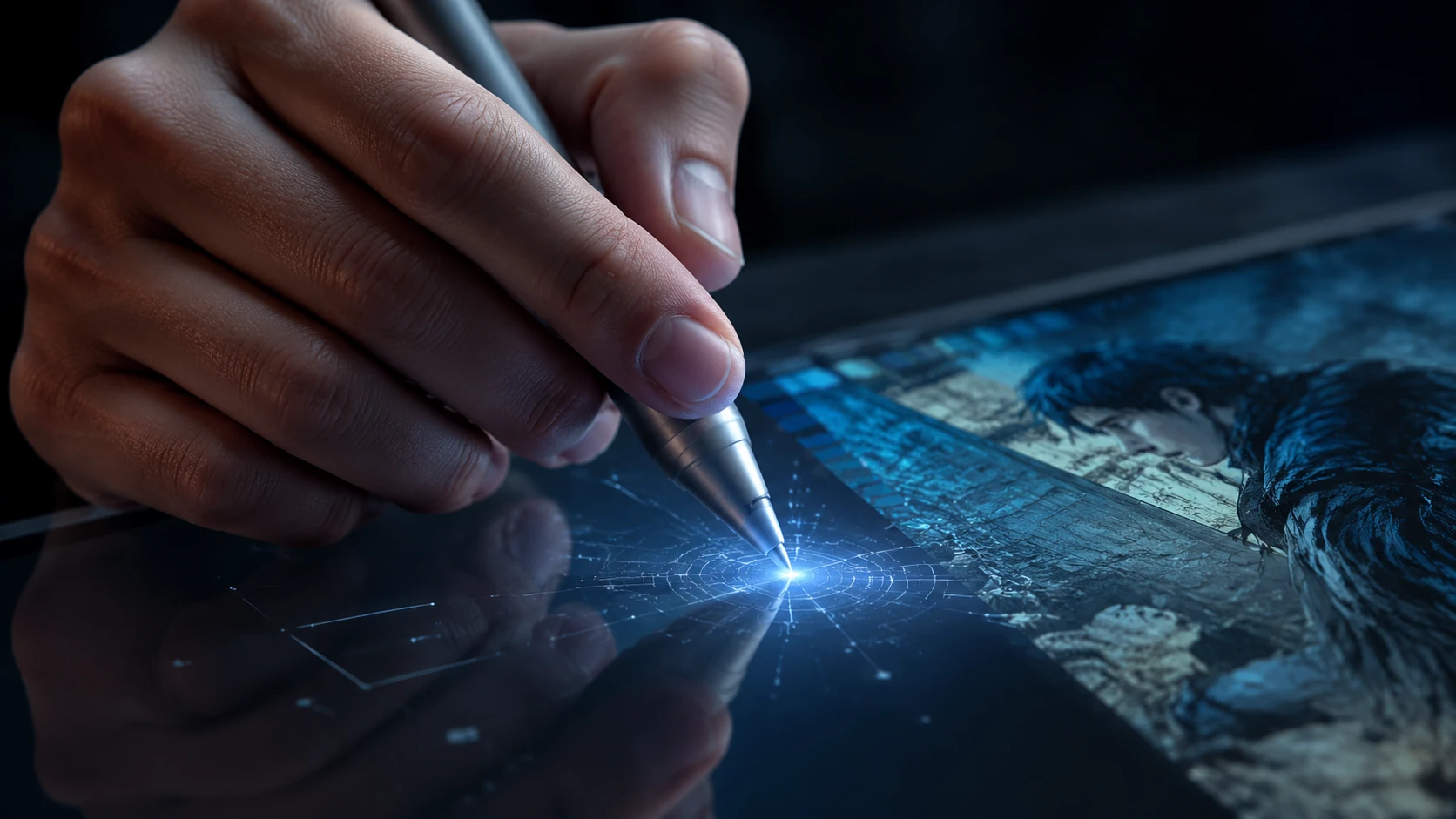
By 2026, the primary threat to independent comic creators and major webtoon studios has shifted from simple piracy to 'aesthetic extraction.' As generative models became more refined, the ability to clone a specific artist’s visual DNA—their line weight, color palette, and character geometry—via localized LoRA (Low-Rank Adaptation) training created a crisis of authorship. The 2026 Style-Asset Protection Protocol (SAPP) has emerged not merely as a legal suggestion, but as a technical necessity. This protocol represents a unified framework of adversarial noise, biometric metadata, and decentralized registry systems designed to make unauthorized style-cloning computationally expensive and legally indefensible. For creators navigating the hyper-competitive global market, understanding how to 'harden' their visual assets is now as fundamental as the drawing process itself.
The Rise of Aesthetic Sovereignty: Why Style Protection Matters Now
In the early 2020s, copyright focused on the 'final product'—the specific panel or character. However, 2026 market dynamics have proven that the 'process' and the 'aesthetic signature' are the true drivers of long-term IP value. When a creator’s style is cloned, it dilutes their brand authority and creates a flood of 'synthetic lookalikes' that confuse algorithmic discovery systems. The SAPP framework addresses this by treating an artist’s style as a proprietary dataset. By implementing this protocol, creators ensure that platforms like COMICLS and global publishers can verify the 'Proof of Origin' for every brushstroke. This is no longer about stopping AI; it is about establishing a clear boundary between human-engineered artistry and the uncompensated exploitation of stylistic patterns.
The Three Pillars of the 2026 SAPP Framework
The Style-Asset Protection Protocol is built on three distinct layers of defense that work in tandem to shield a creator's portfolio from scraper-based exploitation and model fine-tuning. These layers are integrated directly into the production export phase, ensuring minimal friction for the artist while maximizing technical resistance.
1. Latent-Space Adversarial Noise
This involves the application of invisible pixel-level perturbations—often referred to as 'cloaking.' To the human eye, the webtoon panel looks identical to the original artwork. To a machine learning model, however, these perturbations distort the feature extraction process. If a scraper attempts to train a style-mimicry model on 'cloaked' images, the resulting output is distorted, inconsistent, and commercially unusable. In 2026, high-end export tools now include 'Style-Shield' toggles that automatically apply these noise patterns based on the specific aesthetic profile of the artist.
2. Biometric Metadata Embedding
Beyond the image itself, SAPP requires the embedding of 'Provenance-First' metadata. This is a cryptographically signed record of the creation process, including time-stamped brushstroke telemetry and layer history. When a file is uploaded to a major platform, the system cross-references this biometric signature against a global registry. If the metadata is missing or tampered with, the content is flagged as 'Synthetic' or 'Unverified,' effectively de-ranking it in search results and preventing it from entering premium monetization tiers.
3. The Aesthetic Fingerprint Registry
The final pillar is the decentralized registration of a creator's 'Aesthetic Fingerprint.' Similar to a trademark, this registry documents the unique statistical characteristics of an artist's work. In 2026, legal precedents have begun to recognize 'Style-Likeness' as a protectable asset. Having a registered fingerprint allows creators to issue automated takedown notices against AI-generated content that exceeds a specific 'Similarity Threshold' in aesthetic composition, even if the character designs are technically different.
Implementation Guide: Securing Your Workflow
- Audit your portfolio: Identify your 'Core Aesthetic Assets'—those unique visual markers that define your brand.
- Enable Adversarial Exporting: Use tools that support 'Nightshade' or 'Glaze' style-shielding for all public-facing previews.
- Secure Your Raw Data: Never upload high-resolution unlayered files to public galleries without SAPP-compliant metadata wrappers.
- Register Your Fingerprint: Join a recognized creator collective that offers 'Style-Likeness' registration to ensure your legal standing in 2026 copyright disputes.
- Monitor with AI-Watchdogs: Utilize automated services that scan the web for 'Style-Clones' and synthetic lookalikes of your work.
Challenges and Future-Proofing
While the SAPP framework is a powerful deterrent, it is not an absolute shield. The 'Generative Arms Race' means that as protection tools evolve, so do the methods of bypass. However, the goal of the 2026 protocol is not necessarily to achieve 100% immunity, but to shift the economic incentives. By making style-cloning difficult and legally risky, we protect the premium market for human-led IP. Creators must remain vigilant, updating their protection layers as new model architectures emerge. The future of comics in 2026 is defined by those who can successfully blend their creative vision with robust technical sovereignty.
FAQ
Does the SAPP framework affect the visual quality of my webtoon?
No. Modern 2026 adversarial noise is calculated to be sub-perceptual, meaning it is invisible to human readers while remaining highly disruptive to AI training algorithms.
Can I use SAPP for my older comic archives?
Yes. Most 2026 IP management tools offer batch-processing for legacy files to add biometric signatures and adversarial layers before re-publishing.
Is style-cloning actually illegal in 2026?
Laws vary by region, but major jurisdictions now recognize 'Aesthetic Likeness' as part of a creator's right of publicity, especially when used for commercial gain without permission.