The 2026 Spin-Off Blueprint: Architecting Narrative Expansions for Webtoon Longevity
Scaling a single webtoon into a multi-series franchise requires more than just a popular character; it demands a strategic blueprint for narrative expansion. Master the 2026 standards for architecting spin-offs that enhance your main series without diluting the brand.
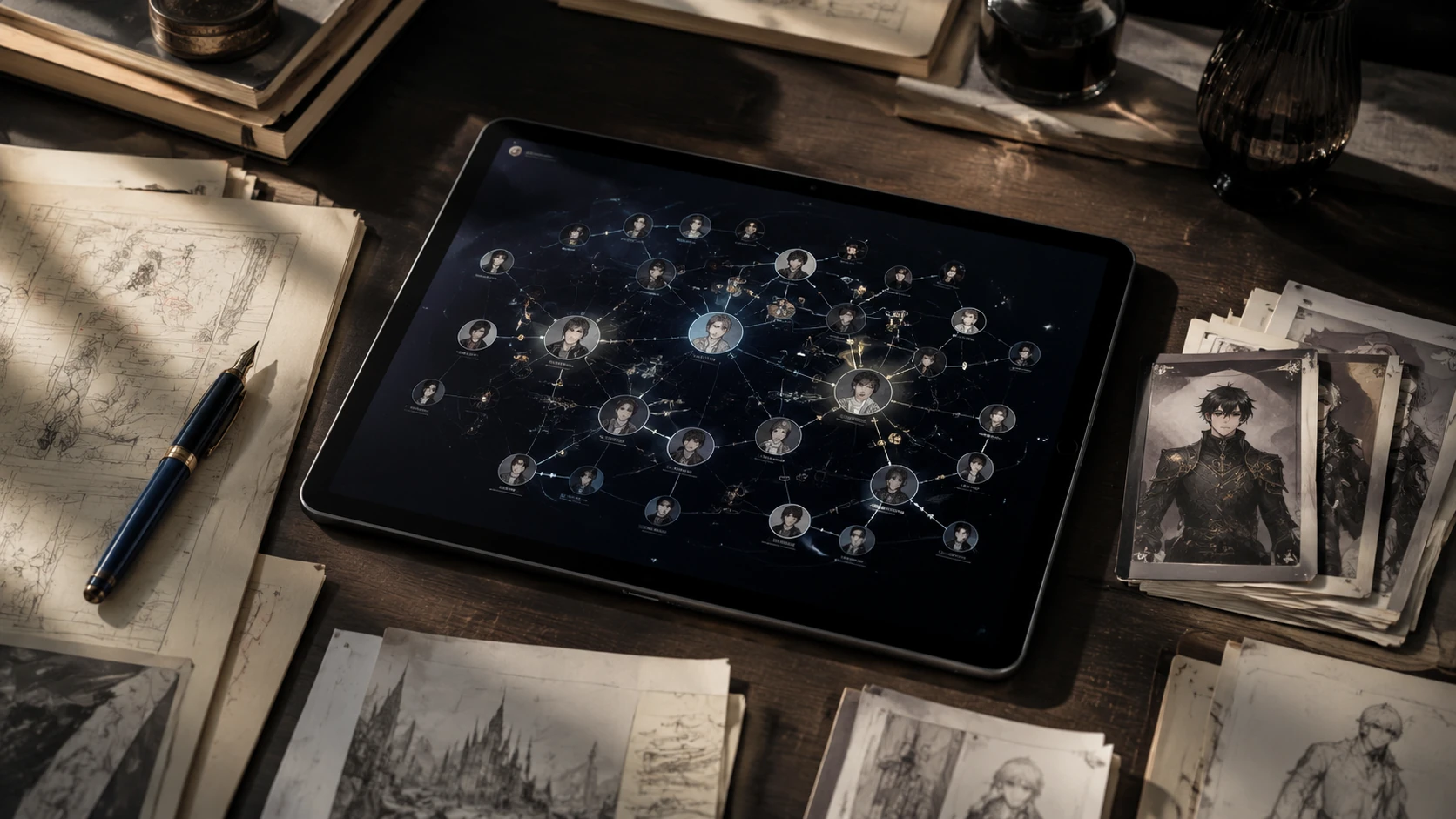
In the 2026 digital comic landscape, the transition from a 'one-hit series' to a 'sovereign narrative franchise' is the primary marker of professional success. As platforms shift toward high-density content ecosystems, creators are no longer just storytellers; they are architects of interconnected universes. However, the risk of 'franchise fatigue' is at an all-time high. A poorly executed spin-off can cannibalize the original series' audience or, worse, dilute the intellectual property (IP) value by introducing lore inconsistencies. This guide outlines the 2026 Spin-Off Blueprint, a strategic framework designed to help independent studios and solo creators expand their narratives while maintaining the integrity of their core brand and maximizing long-term ROI.
Phase 1: Identifying the Strategic Anchor
The first mistake most creators make is launching a spin-off based solely on character popularity. While fan-favorite characters provide a lower barrier to entry, a sustainable spin-off requires a 'Narrative Anchor'—a thematic or structural reason to exist beyond the main plot. In 2026, successful expansions usually fall into three categories: Prequels (World-Building), Side-Stories (Entity Exploration), and Sequels (Legacy Building). You must determine if your expansion is filling a 'Lore Gap' that readers are actively searching for or if it is exploring a 'Parallel Conflict' that utilizes the same world mechanics but different stakes.
- The Prequel Anchor: Focuses on the origins of world mechanics or historical catalysts (e.g., how the magic system was discovered).
- The Side-Story Anchor: Focuses on a supporting character whose internal motivations were restricted by the main protagonist's journey.
- The Thematic Anchor: Explores the same world through a different genre (e.g., a high-fantasy main series with a political thriller spin-off).
Phase 2: Lore-Consistency and the Universal Bible
Before a single panel is drawn for a spin-off, your 'World Bible' must be updated to include 'Interoperable Lore Assets.' In the 2026 studio model, lore consistency is managed through semantic tagging. This ensures that a character’s eye color, a city’s history, or a specific magic rule remains identical across all series. If your spin-off contradicts the main series, you risk 'Lore Collapse,' which significantly lowers the IP's value for future licensing in animation or film. Use a centralized lore engine to track character arcs across timelines, ensuring that the spin-off enhances the reader's understanding of the main series rather than confusing it.
Managing the 'Canon' Threshold
Clearly define what is 'Hard Canon' (essential to the main plot) and 'Soft Canon' (flavor text). Readers in 2026 value their time; if a spin-off feels like 'filler,' retention will drop. Every expansion should provide at least one 'Lore Revelation'—a piece of information that makes the reader look at the original series in a new light. This creates a symbiotic relationship where the spin-off drives traffic back to the legacy archive.
Phase 3: Production Pacing and Cannibalization Prevention
A common pitfall is 'Launch Overlap,' where a spin-off competes for the same weekly attention as the main series. To avoid audience burnout, 2026 studios utilize the 'Offset Release Cycle.' The spin-off should ideally launch during the main series’ mid-season hiatus or after a major story arc conclusion. This keeps the IP 'Always-On' in the platform’s algorithm without forcing readers to choose between two updates on the same day. Additionally, utilize modular production assets—backgrounds, 3D models, and color palettes—to reduce the TCO (Total Cost of Ownership) of the second series while maintaining visual continuity.
Common Mistakes in Franchise Expansion
The most damaging mistake is 'Stakes Inflation,' where the spin-off tries to have bigger world-ending consequences than the original series, making the main plot feel insignificant. In 2026, readers prefer 'Intimate Stakes' for spin-offs—personal, high-emotion stories that flesh out the world rather than trying to save it again. Another error is 'Visual Drift,' where the spin-off's art style deviates so far from the original that it feels like a different IP entirely. While slight stylistic shifts are acceptable for different genres, the core 'Visual DNA' (line weight, lighting style, panel pacing) should remain recognizable.
- Avoid 'Protagonist Cloning': Don't make the spin-off lead a carbon copy of your main hero.
- Avoid 'Lore Locking': Don't make the spin-off so dependent on the main series that new readers can't jump in.
- Avoid 'Quality Dilution': Outsourcing a spin-off to a lower-tier team without strict creative oversight will damage the brand's premium status.
The 2026 Spin-Off Launch Checklist
Before greenlighting your expansion, ensure these five pillars are in place to maximize the series' chance of becoming a secondary revenue engine.
- Lore Audit: Verified that no new plot points contradict the established world bible.
- Cross-Promotion Map: Defined specific 'Anchor Chapters' in the main series where the spin-off will be teased.
- Asset Library: Shared 3D assets and character sheets are organized for the production team.
- Monetization Strategy: Decided if the spin-off is a lead-magnet (free) or a premium revenue stream (paid/fast-pass).
- Unique Value Proposition (UVP): Clearly articulated why this story needs to be its own series instead of a flashback arc.
FAQ
When is the best time to launch a webtoon spin-off?
The ideal time is during a planned mid-season hiatus of the main series or immediately after a major finale, utilizing the peak engagement to transition readers into the new narrative.
Can I change the art style for a spin-off?
Yes, but maintain 'Visual DNA'—core elements like color palette or specific line-art characteristics—to ensure the IP remains recognizable as part of the same franchise.
Should a spin-off be readable as a standalone story?
In 2026, the 'Standalone-First' approach is preferred. It allows new readers to enter your universe through the spin-off without feeling like they have to do 'homework' on the main series.