The 2026 Showrunner Shift: Transitioning from Solo Artist to Creative IP Director
In the 2026 landscape, the value of the solo artist is being eclipsed by the 'Showrunner'—a creative director who orchestrates high-scale IP through vision and modular management. Discover how to transition your career from manual labor to high-level narrative leadership.
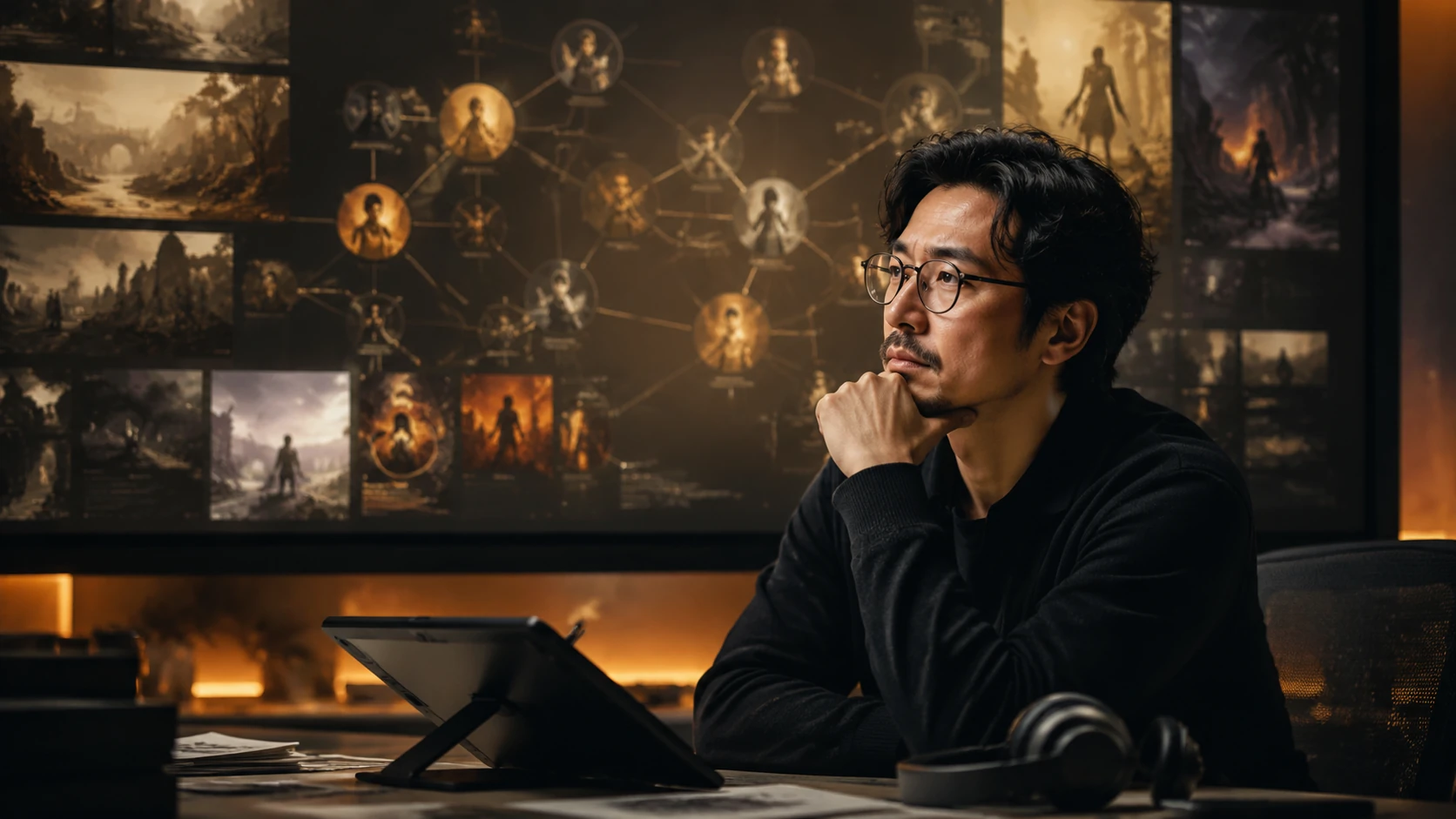
By 2026, the 'starving artist' trope has been replaced by a more lucrative but demanding reality: the Showrunner Model. As AI-assisted tools have commoditized the technical aspects of line art and coloring, the bottleneck in the comic industry has shifted from 'how to draw' to 'how to direct.' Readers are no longer just looking for pretty panels; they are seeking expansive, consistent, and emotionally resonant universes. This shift has forced a massive career pivot for top-tier talent. The most successful creators are no longer spending 60 hours a week at the drawing board. Instead, they are stepping into the role of the Creative IP Director, managing modular teams and automated pipelines to produce high-frequency, high-quality content that scales across platforms.
The Anatomy of the 2026 Comic Showrunner
A showrunner in the 2026 comic market functions much like a TV producer. They own the 'Vision Pipeline.' While they may still handle key character designs or critical emotional beats, their primary responsibility is the preservation of narrative integrity and brand voice. This involves defining the 'Source of Truth'—the comprehensive world bible, character DNA, and thematic pillars—that allows a modular team of human specialists and AI agents to execute the work without losing the original soul of the project. The transition from solo creator to showrunner requires a fundamental mindset shift: you are no longer the primary laborer; you are the architect of the experience.
Core Competencies of the Director Role
- Narrative Architecture: Designing story arcs that are optimized for retention and transmedia adaptation.
- Modular Management: Orchestrating freelance assets, specialized colorists, and AI-driven background engines.
- Quality Assurance (QA): Developing a critical eye for visual consistency and 'Human-in-the-loop' refinement.
- Brand Sovereignty: Managing the community and IP rights to ensure long-term ownership of the franchise.
Scaling Without Losing the Creative Soul
The biggest fear for any solo artist transitioning to a director role is the loss of personal style. However, 2026 technology allows for 'Style-Locked Pipelines.' By training custom, ethical models on their own legacy work, showrunners can automate the grunt work—like flatting, shading, and repetitive background assets—while focusing their manual energy on the 'Acting' of the characters. This modular approach allows a single creator to oversee three or four titles simultaneously, rather than being trapped in the production cycle of a single weekly update. The goal is to reach a level of 'Creative Leverage' where every hour of the director's time generates ten hours of production value.
The Business of IP Direction
The monetization landscape in 2026 rewards those who own the IP, not those who are paid by the page. As a showrunner, your revenue model shifts from work-for-hire to equity-based growth. This involves leveraging your established brand to secure direct licensing deals, merchandise rights, and cross-platform adaptations. By building a 'Modular Studio' rather than a traditional company, you maintain low overhead while retaining the capacity to scale rapidly when a series goes viral. This lean, director-led model is currently outperforming traditional publishers in terms of creator-side profit margins and creative freedom.
The 3-Step Transition Roadmap
- Phase 1: Audit your workflow. Identify the 20% of tasks that require your unique 'human' touch and the 80% that can be delegated or automated.
- Phase 2: Build your World Bible. Formalize your lore, visual standards, and narrative rules into a digital asset library.
- Phase 3: Prototype a modular episode. Run a single chapter where you only provide the script and the final 'polish' pass, managing external assets for the middle steps.
Ultimately, the rise of the showrunner is a democratization of power. It allows the most visionary storytellers to compete with massive studios by using technology as a force multiplier. In 2026, the question isn't whether you can draw a beautiful panel, but whether you can build a world that millions of people want to inhabit. The transition is difficult, but for those who master the art of direction, the rewards are a sustainable career and a legacy that outlives the daily grind of the drawing tablet.
FAQ
Does being a showrunner mean I stop drawing entirely?
Not necessarily. Most showrunners still handle key character expressions and 'hero' panels to maintain the soul of the work, but they delegate repetitive tasks like backgrounds, flatting, and layout.
How do I ensure style consistency with a modular team?
By creating a 'Source of Truth' asset library and using custom-trained AI models based on your own art, you can ensure that all contributors are working from the same visual DNA.
What is the biggest risk of the showrunner model?
The primary risk is 'Vision Drift,' where the project loses its emotional core because the director is too detached from the production. Frequent QA passes and strong narrative bibles are the solution.