The 2026 Semantic Lore Graph: Engineering Interconnected Universes for Reader Retention
In 2026, the most successful studios are moving beyond standalone hits to build 'Semantic Lore Graphs'—interconnected narrative ecosystems that turn readers into lifelong fans. This framework explains how to architect cross-series depth without alienating new audiences.
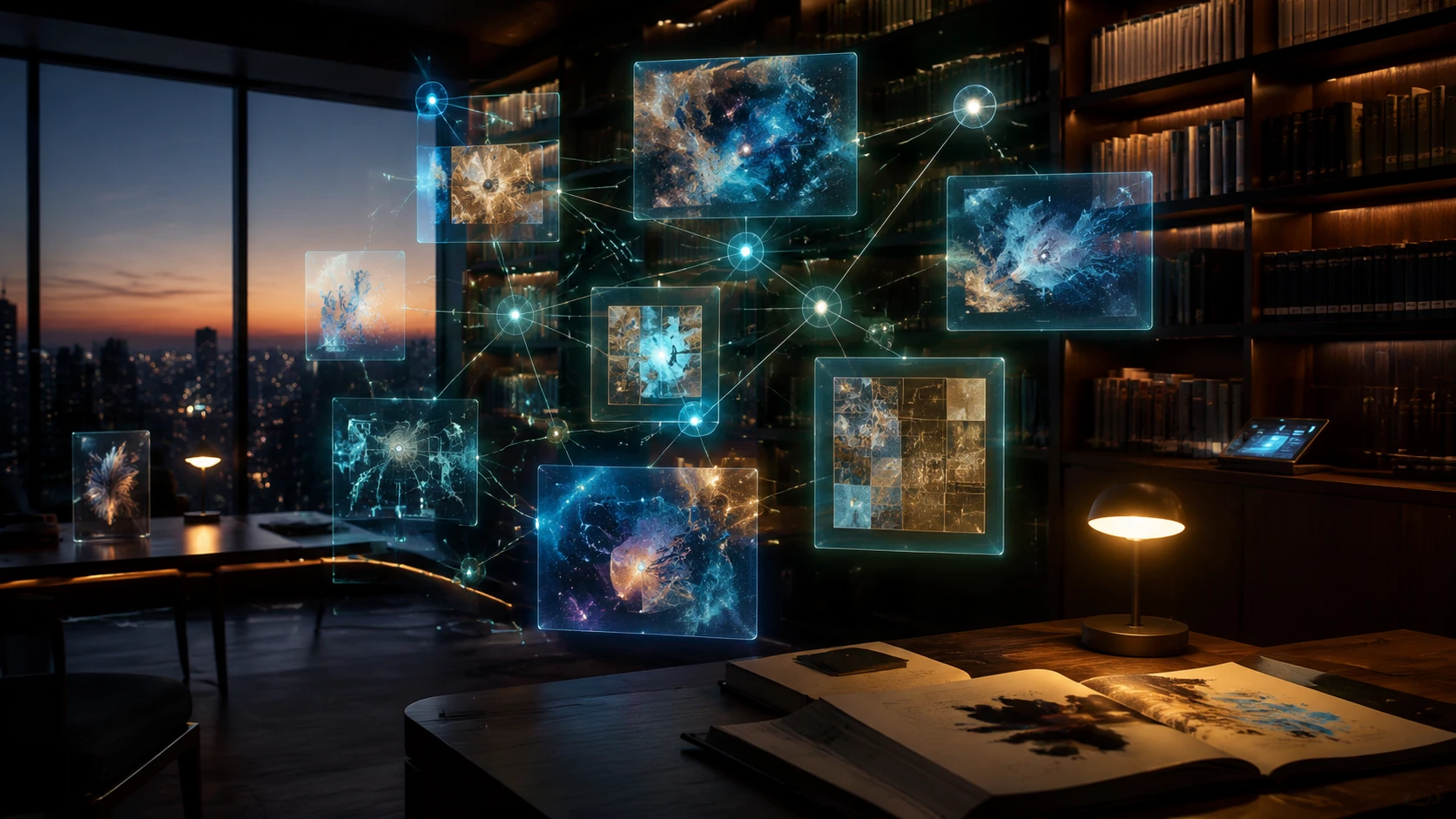
By 2026, the 'one-hit wonder' model in digital comics and webtoons has been largely replaced by the Lore Ecosystem. As global platforms become saturated with thousands of new titles weekly, creators are finding that individual series struggle to maintain long-term attention. The solution is the Semantic Lore Graph: a structural framework that treats characters, locations, and historical events as data points (entities) that can be shared across multiple series. This isn't just about 'shared universes' in the traditional sense; it is a sophisticated information architecture designed to trigger 'Lore Hunting'—a reader behavior where fans consume secondary and tertiary series simply to complete their understanding of a primary narrative. This article explores the 2026 standard for building these interconnected webs to maximize reader lifetime value (LTV) and IP resilience.
What is a Semantic Lore Graph?
Unlike a traditional 'world bible' or a fan-made wiki, a Semantic Lore Graph is a live, structural map used during the scripting phase. It defines the relationships between narrative entities using semantic logic—the same logic AI search engines use to understand context. For example, a character in Series A isn't just a cameo in Series B; they are an 'anchor entity' with specific attributes that remain consistent across the graph. In 2026, this graph allows studios to automate continuity checks and, more importantly, it enables AI-driven discovery engines to recommend Series B to a reader of Series A based on shared lore-nodes rather than just generic genres like 'Fantasy' or 'Romance.' This creates a 'sticky' ecosystem where readers feel rewarded for their specialized knowledge.
The Three Pillars of Lore Interconnectedness
To build a functional lore graph that drives retention without causing 'continuity fatigue,' creators must focus on three specific layers of connectivity. These layers ensure that the universe feels expansive yet accessible to newcomers.
1. The Entity Layer: Character and Location Anchors
- Primary Anchors: Characters who drive their own series but have established histories in others.
- Secondary Anchors: Locations (like a specific magic academy or a futuristic city) that serve as the recurring stage for different stories.
- Lore-Object Anchors: Unique artifacts or technologies whose origins are explored across multiple titles.
2. The Event Layer: Shared Timelines and Cataclysms
A shared timeline is the backbone of the Lore Graph. In 2026, studios use 'Universal Constant Events'—major narrative shifts that affect every series in the ecosystem simultaneously. When a 'Great Digital Blackout' occurs in a cyberpunk series, readers should see the fallout mentioned in the background of a street-level romance series set in the same city. This creates a sense of a living, breathing world that exists beyond the frame of a single scroll.
The Psychology of 'Lore Hunting' and Reader Retention
Why does this work? The Lore Graph taps into the human 'completionist' drive. When a reader discovers a hidden connection between two seemingly unrelated webtoons, it triggers a dopamine response similar to solving a puzzle. This 'Aha!' moment transforms a passive reader into an active lore-hunter. Data from 2025-2026 shows that series within a Lore Graph see a 35% higher 'cross-pollination' rate (readers moving from one series to another) compared to standalone sequels. By engineering these semantic bridges, creators reduce their reliance on platform algorithms and build a sovereign audience that follows the 'lore' regardless of which title is currently trending.
Managing Narrative Complexity: Avoiding Lore-Bloat
The biggest risk of building a lore-heavy universe is 'Lore-Bloat'—where the barrier to entry becomes so high that new readers are intimidated. To prevent this, 2026 professionals follow the 'Island Principle.' Each series must function as an independent 'island' that provides a complete emotional experience. The Lore Graph connections are the 'underwater cables'—invisible to those who just want to swim, but essential for those who want to build a network. If a reader *must* read Series A to understand Series B, you haven't built a Lore Graph; you've just built a very long, confusing sequel.
The Future: AI-Native Lore Discovery
As we move further into 2026, semantic lore graphs are becoming the primary signal for AI-driven comic discovery. Modern search engines and AI reading assistants no longer just look for keywords; they look for 'thematic clusters.' If your series is mapped into a coherent lore graph, it is much more likely to be surfaced to high-intent readers who are already engaged with similar narrative logic. This technical advantage makes the Lore Graph not just a creative tool, but a fundamental part of a modern comic SEO and marketing strategy.
FAQ
How is a Lore Graph different from a shared universe?
A shared universe is a creative concept; a Lore Graph is a technical and structural implementation using semantic metadata to link entities across series for better discovery and retention.
Do I need a large studio to build a Lore Graph?
No. Independent creators can build Lore Graphs by creating small connections between their own titles, effectively building a 'boutique universe' that encourages readers to explore their full catalog.
What is the biggest mistake when building lore ecosystems?
The 'Lore Wall,' where the narrative becomes so dependent on external knowledge that it stops being an enjoyable standalone story for new readers.