The 2026 ‘Reading Sanctuary’ Framework: Engineering the Physical Environment for Deep Comi
In 2026, reading digital comics has evolved from a distracted mobile habit into a dedicated physical ritual. Learn how to engineer your 'Reading Sanctuary' to maximize narrative absorption and eye-health.
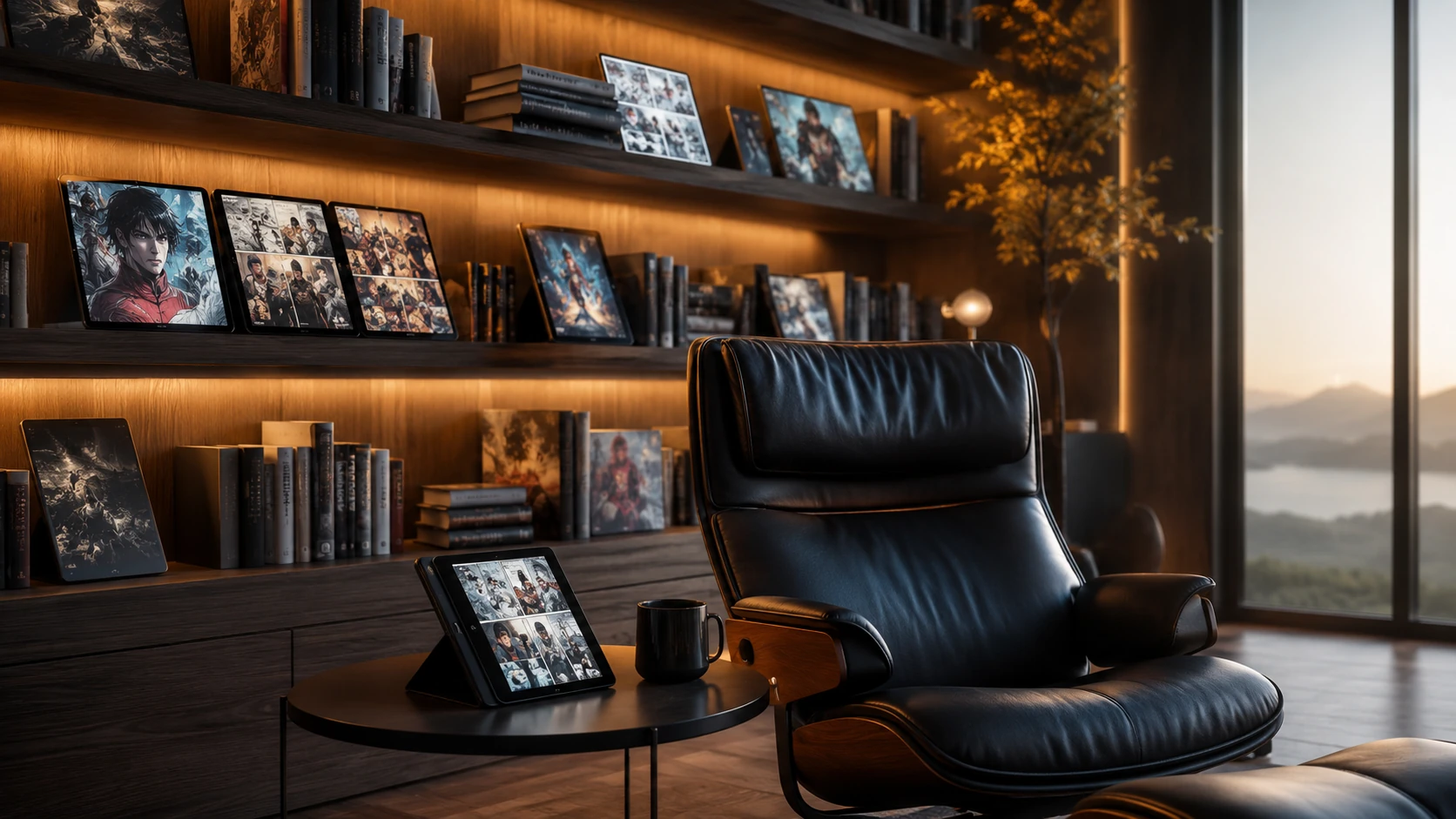
By 2026, the 'attention recession' has sparked a counter-movement in the comic industry: the transition from high-speed scrolling to 'Slow-Reading' rituals. While the early 2020s were defined by binging webtoons on crowded subways, the modern high-value reader now prioritizes the 'Reading Sanctuary'—a physical environment engineered specifically for deep narrative immersion. This shift isn't just about comfort; it is a response to the increased narrative density of modern IP and the need for cognitive recovery. For creators and platforms, understanding how the physical environment impacts reader retention is the new frontier of engagement. This guide outlines the 2026 standards for optimizing the physical and digital interface of your comic-reading experience.
The Ergonomics of Narrative Absorption
Deep reading requires a physiological state of 'rest and digest.' In 2026, ergonomics has moved beyond simple chair height to include visual focal planes and haptic feedback. Traditional mobile reading often leads to 'scroll fatigue,' where the brain prioritizes the mechanical act of moving the thumb over the processing of complex panel layouts. To combat this, the Reading Sanctuary Framework emphasizes fixed-axis reading. By using adjustable mounts or large-format foldable devices, readers can maintain a consistent focal distance, reducing the cognitive load required for eye-tracking across dynamic webtoon gutters.
- Focal Plane Stability: Positioning the device at eye level to prevent cervical strain and maintain narrative focus.
- Peripheral Neutrality: Minimizing visual noise in the reader's peripheral vision to increase immersion depth.
- Haptic Synchronization: Using devices that provide subtle tactile feedback during key narrative beats or chapter transitions.
Lighting and the 'Chromatic Comfort' Standard
Lighting is the most overlooked factor in digital comic consumption. In 2026, the 'Chromatic Comfort' standard dictates that ambient lighting must complement the color palette of the series being read. High-end reading setups now utilize smart-bulb integrations that sync with a comic’s metadata. If you are reading a 'Dark Fantasy' manhwa, the room's ambient light shifts to deep indigos and muted teals. This 'Atmospheric Immersion' reduces the harsh contrast between the screen and the room, preventing the pupillary fatigue that often ends a reading session prematurely.
Optimizing for E-Ink and Reflective Displays
The rise of 2026-gen color E-ink has revolutionized the sanctuary. Unlike emissive LED screens, these displays require external light sources. Engineering your sanctuary involves placing high-CRI (Color Rendering Index) lamps at 45-degree angles to the screen to eliminate glare while making the digital 'ink' pop with the vibrancy of a physical lithograph. This setup mimics the experience of reading a premium hardcover book while retaining the convenience of a digital library.
Step-by-Step: Engineering Your Sanctuary
Building a dedicated space for comic immersion doesn't require a massive budget, but it does require intentionality. Follow this workflow to optimize your environment for the 2026 reading standard:
- Select a Low-Traffic Zone: Immersion is fragile; choose a corner where visual and auditory interruptions are minimized.
- Calibrate Hardware for 'Ambient Mode': Ensure your device's blue-light filter is scheduled and that 'auto-brightness' is tuned to your specific room lighting.
- Implement 'Digital Distance' Protocols: Leave your smartphone in another room. Use a dedicated reading device that lacks social media notifications.
- Curate the Sensory Layer: Use 'Lo-Fi' or 'Ambient Lore' soundtracks that match the genre of your current series to anchor the auditory experience.
Why Creators Must Design for the 'Sanctuary Reader'
For creators, the shift toward sanctuary reading means your audience is paying closer attention than ever. 'Sanctuary Readers' represent the highest LTV (Lifetime Value) segment because they are more likely to notice subtle foreshadowing, intricate background art, and sophisticated lettering choices. When engineering your webtoon in 2026, consider 'Atmospheric Latency'—the practice of including wide, atmospheric panels that allow the reader to pause and soak in the environment you've built. This caters directly to the reader who has spent time and effort creating a physical space to enjoy your work.
FAQ
What is the best lighting for reading digital comics in 2026?
The 2026 standard recommends indirect, high-CRI (95+) LED lighting that can be color-tuned to match the comic's dominant palette, reducing eye strain and increasing immersion.
Are tablets or E-ink readers better for comic sanctuaries?
While tablets offer higher refresh rates for motion-heavy webtoons, E-ink is the preferred choice for long-form 'Slow Reading' due to its paper-like quality and zero blue-light emission.
How does environmental engineering affect reader retention?
By reducing physical discomfort and external distractions, readers can stay in a 'flow state' longer, leading to higher chapter completion rates and better memory of the narrative.