The 2026 Provenance-First IP Registry: Securing Original Comic Assets in the Age of Synthe
Discover the 2026 framework for establishing digital provenance to protect your comic IP in a high-speed synthetic market. Master the transition from passive copyright to active asset registration and smart licensing.
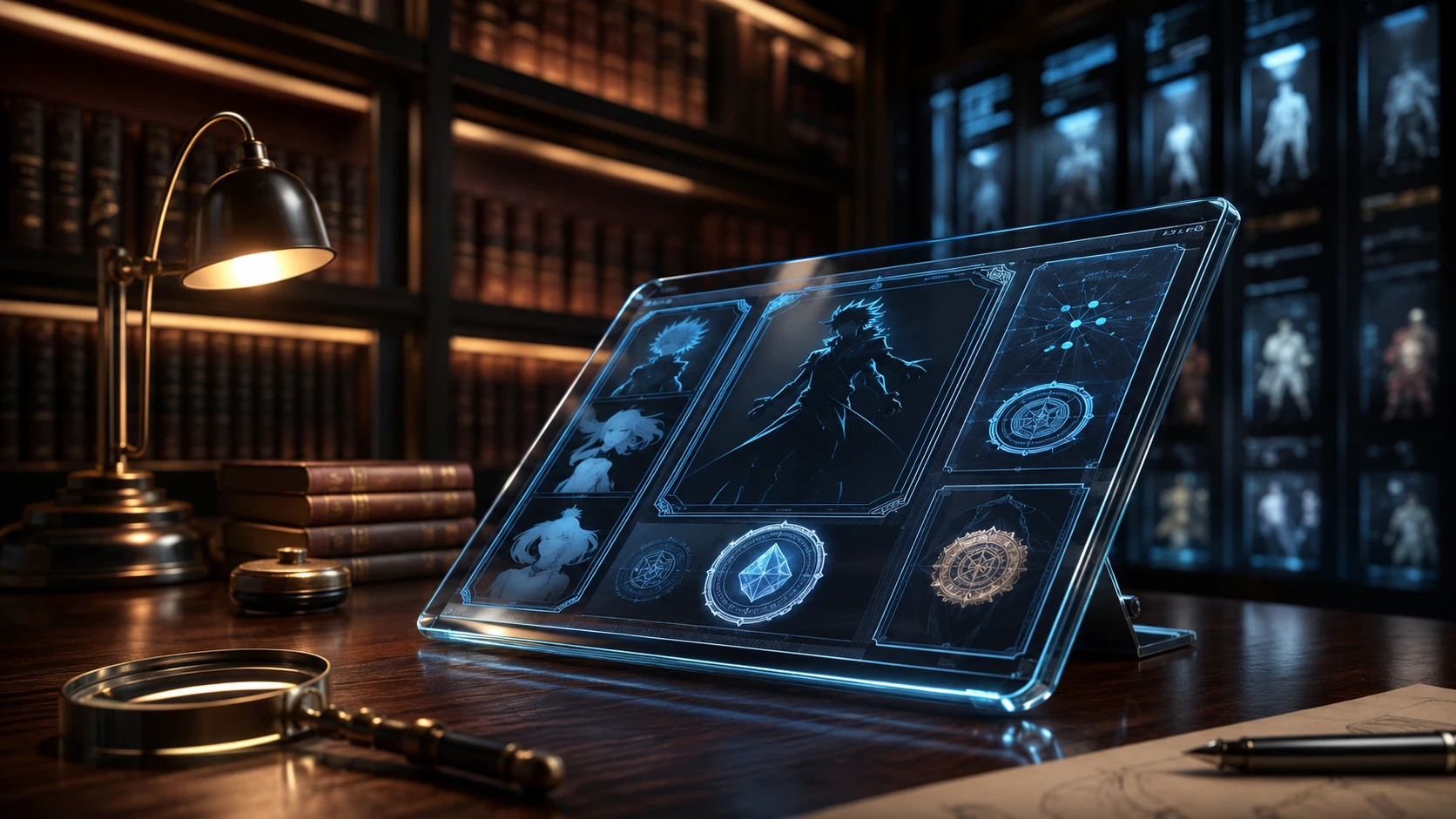
By 2026, the traditional model of copyright—registering a finished work after publication—has become insufficient for the high-velocity comic industry. With the rise of synthetic content generation and instant-scraping algorithms, creators are facing a 'dilution crisis' where character designs and narrative styles can be mimicked within hours of a digital drop. The 2026 Provenance-First IP Registry (PFIR) has emerged as the global gold standard for addressing this threat. Unlike legacy copyright systems, the PFIR focuses on the granular data of creation—timestamping sketches, layers, and character bibles at the point of origin. This shift from post-publication protection to real-time provenance ensures that creators maintain a verifiable 'source of truth' that AI models and third-party platforms are legally and technically obligated to recognize.
The Core Mechanics of Provenance-First IP
The PFIR operates on a decentralized ledger that records the 'genetic makeup' of a comic IP. This includes not just the final PNG or PDF, but the structural metadata: character color palettes, unique silhouette ratios, and specific narrative motifs. In the 2026 landscape, this metadata acts as a digital fingerprint that follows the asset across any platform, whether it’s a global webtoon hub or a niche social community. When an AI crawler or a third-party aggregator encounters this content, it triggers a 'Provenance Handshake.' This handshake informs the system of the creator's usage rights, training permissions, and royalty requirements instantly. This technology replaces the slow, reactive legal notices of the past with a proactive, machine-readable defense layer.
The Concept of 'Entity-Level' Protection
- Visual Anchors: Registering specific character features (e.g., eye shapes, costume components) to prevent 'prompt-injection' mimicry.
- Lore Hashing: Encrypting key plot points and world-building rules to prove original authorship in cases of narrative theft.
- Asset Versioning: Maintaining a chronological record of character evolution, from early thumbnails to final high-resolution renders.
- Training Opt-Out Metadata: Embedded signals that prevent modern 2026 Generative Engines from including the work in their training sets without an explicit smart contract.
Protecting the 'Human-in-the-Loop' Signature
In 2026, the value of 'Human-Authored' (HA) content has skyrocketed as the market becomes saturated with low-effort synthetic work. The PFIR serves as a certification of human labor. By logging the production hours, brushstroke patterns (via digital ink data), and iterative design changes, creators can earn a 'Verified Human' badge for their IP. This isn't just about pride; it is a commercial necessity. High-value distribution platforms now prioritize PFIR-verified content in their recommendation algorithms, as it carries lower legal risk and higher fan loyalty. For independent studios, this registry provides the evidence needed to secure IP insurance and venture capital, proving that the assets are legally sound and unencumbered by synthetic overlap.
Implementing the Registry into Your Workflow
Transitioning to a provenance-first workflow requires a shift in how creators manage their files. Instead of a single 'Final_Final.psd' save, creators are adopting 'Live-Sync' tools that push snapshots of the work-in-progress to their chosen registry. This creates an immutable trail of creation. If a dispute arises—for example, if a large studio releases a character strikingly similar to your independent webtoon—you can point to the PFIR records showing your design's development months prior to their release. This 'pre-emptive evidence' is often enough to settle disputes outside of court, as the technical proof is undeniable. Furthermore, these registries are increasingly integrated with modern comic creation software, making the process of 'claiming' a panel as simple as clicking a button.
Common Pitfalls: What to Avoid in 2026 IP Security
One of the most dangerous mistakes a creator can make in 2026 is relying solely on 'Common Law' copyright. While technically valid in many jurisdictions, it lacks the technical teeth to stop automated scraping or to satisfy the 'Entity-Based' search algorithms used by AI assistants. Another pitfall is the 'Delayed Registration' trap—waiting until a series is popular to secure its provenance. By the time a webtoon goes viral, its assets have likely already been cached and indexed by thousands of scrapers. To be effective, provenance must be established at the 'Point of Concept.' Creators who ignore this risk find themselves in costly 'style-appropriation' battles that are nearly impossible to win without a clear, timestamped ledger of their original creative process.
The Future: Smart Contracts and Automated Licensing
Looking toward 2027 and beyond, the PFIR is evolving into a launchpad for automated licensing. Once an asset’s provenance is secured, creators can attach 'Smart Licenses' to it. If a fan wants to use a character for a non-commercial fan-game, or if a retailer wants to print a limited-run t-shirt, the registry can handle the transaction and royalty split automatically. This reduces the administrative burden on small studios and allows them to monetize their IP in ways that were previously too complex to manage. The registry is no longer just a defensive shield; it is an active economic engine that empowers creators to control their stories in a borderless, digital-first economy.
FAQ
Does a provenance registry replace traditional copyright registration?
No, it complements it. While traditional copyright provides legal standing in court, a provenance registry provides the technical evidence and machine-readable data required to prevent theft and manage rights in real-time across digital platforms.
Can I register my comic IP if I use AI tools in my workflow?
Yes, but you must use 'Hybrid-Disclosure' metadata. The registry allows you to specify which elements are human-authored and which are AI-generated, ensuring transparency for buyers, platforms, and legal entities.
Is it expensive to use the 2026 Provenance-First IP Registry?
Most modern registries offer a 'freemium' model where basic timestamping is free, while advanced features like lore-hashing and automated smart licensing involve small micro-transactions or subscription fees.