The 2026 ‘Omni-Format’ Consumption Shift: Engineering IP for the Multi-Modal Reader Habit
The era of platform-exclusive formats is over. Discover how the 2026 Omni-Format shift is forcing creators to engineer IP that flows seamlessly between vertical scroll, paginated manga, and text-heavy light novels.
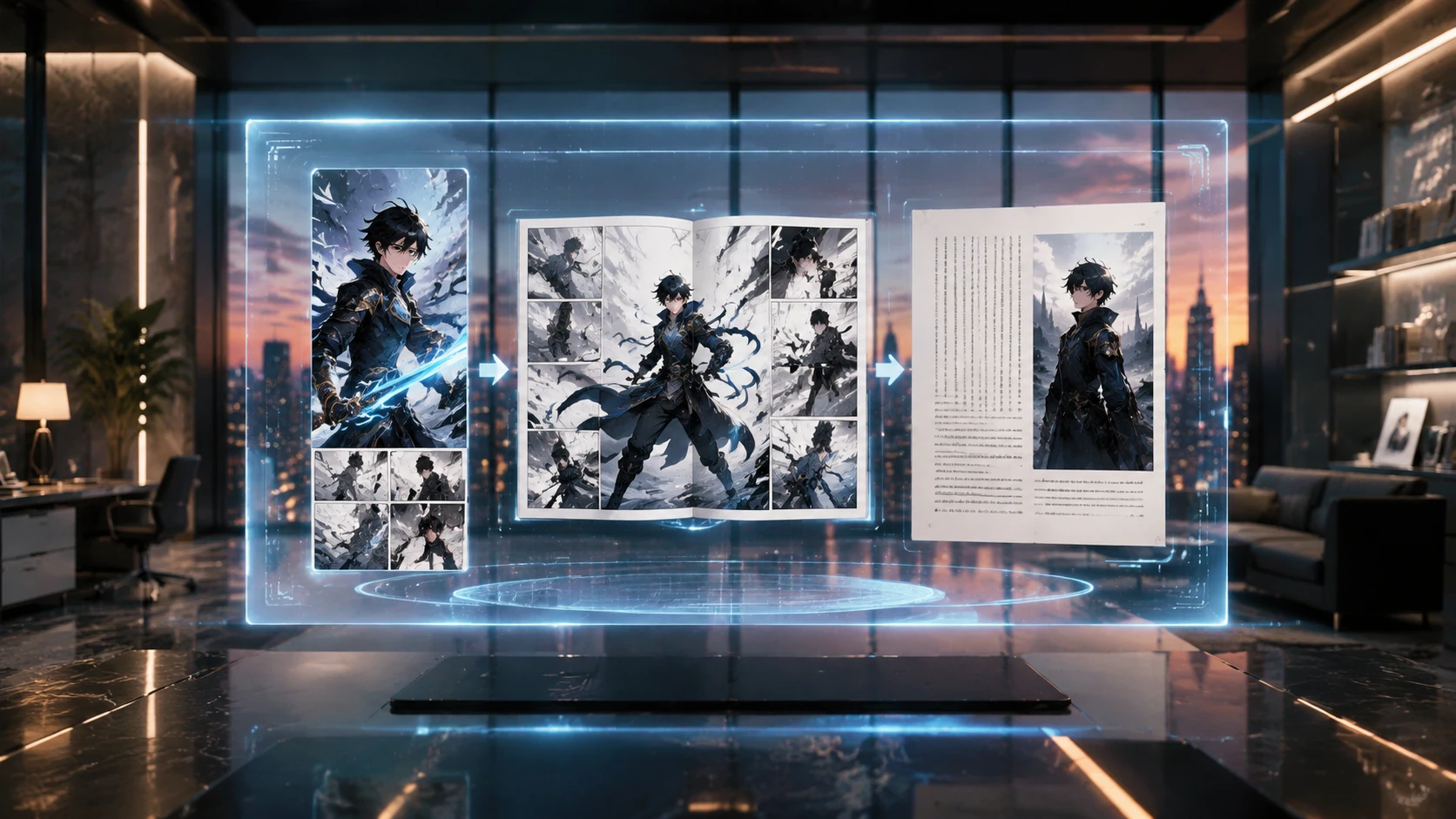
The 2026 comic landscape is no longer defined by format loyalty but by IP fluidity. Readers now move seamlessly between vertical webtoons for mobile consumption, paginated manga for deep visual engagement, and light novels for internal character monologues. This 'Omni-Format' shift is driven by a desire for contextual flexibility, where the environment—be it a crowded train or a quiet bedroom—dictates the chosen format of the story. For creators, this means the traditional 'adaptation' model is dead, replaced by a 'Simul-State' strategy where IP is engineered for multiple formats from its inception.
The Psychology of Multi-Modal Reading
In 2026, the 'Multi-Modal Reader' habit is the dominant consumer profile. Data shows that 68% of comic enthusiasts now consume at least two different formats of the same IP. This isn't just about repetition; it's about cognitive layering. A webtoon provides the visual action, while the light novel provides the psychological depth that panels sometimes lack. This 'Format-Switching' behavior significantly increases reader retention, as users who find a 'pacing lull' in one format often switch to another rather than abandoning the series entirely. Engineering IP for this behavior requires a deep understanding of how each format satisfies different reader needs.
The Core-Script Methodology
To handle the production demands of multi-modal releases, top studios have adopted the 'Core-Script' methodology. Instead of writing a script specifically for a comic, writers create a 'Narrative Bible' consisting of atomic story units. These units include dialogue, internal thoughts, action beats, and lore details. From this single source of truth, separate 'rendering' scripts are created for webtoons (pacing for the scroll), manga (composing for the page), and novels (expanding for the text). This ensures narrative consistency while optimizing the 'vibe' of each specific format.
- Webtoon State: Optimized for 15-second attention loops and vertical motion.
- Manga State: Optimized for visual impact, collector value, and complex paneling.
- Novel State: Optimized for search intent, lore-building, and high-density information.
Monetization and the IP Access Pass
Monetization in 2026 has shifted from per-chapter micropayments to the 'IP Access Pass.' By offering a subscription that covers all formats of a single story, publishers are seeing a 4.2x increase in Lifetime Value (LTV). This model rewards the most loyal fans with 'Omni-Access,' allowing them to read the light novel version for early plot reveals while waiting for the high-fidelity manga illustrations. This cross-pollination of formats creates a 'locked-in' ecosystem where the reader is constantly engaged with the brand across different touchpoints throughout their day.
FAQ
What is Omni-Format consumption in comics?
It is the 2026 trend where readers consume a single story across multiple formats (webtoon, manga, and novel) depending on their device, time of day, and preferred reading depth.
How do I adapt a webtoon into a light novel?
Don't just transcribe; use the 'Core-Script' method to expand on internal monologues and world-building that are visually implied in the comic but need textual depth in the novel.
Why is multi-modal reading important for SEO?
Different formats capture different search intents. Novels capture 'lore' and 'character history' searches, while webtoons capture 'action' and 'mobile reading' keywords, increasing your overall topical authority.