The 2026 Narrative Scarcity Playbook: A Case Study in High-Value Limited-Window Publishing
In an era of infinite content, scarcity is the ultimate premium. This case study breaks down how 'The Last Archivist' used time-limited access to redefine webtoon monetization.
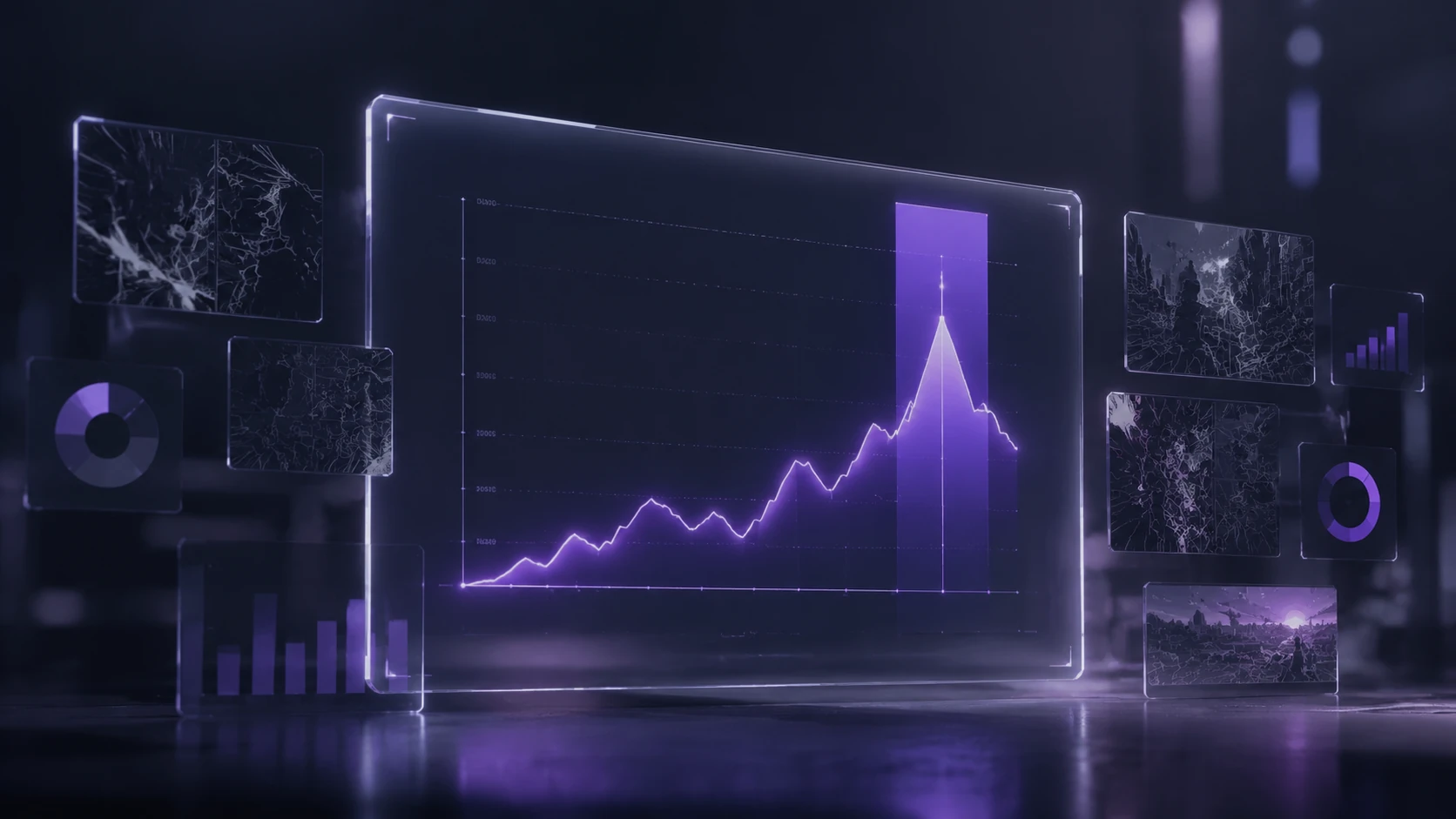
By mid-2026, the digital comic landscape reached a critical saturation point. With AI-assisted production pipelines flooding platforms with millions of high-quality panels daily, the 'Infinite Library' model—once the gold standard for subscription growth—began to falter. Readers, overwhelmed by choice, experienced unprecedented 'scroll fatigue,' leading to a sharp decline in Day-30 retention rates across major platforms. In this hyper-abundant environment, value shifted from volume to exclusivity. This case study examines Studio Solis, an independent production house that defied the 'always-on' publishing trend with their breakout hit, 'The Last Archivist.' By implementing a strict 'Narrative Scarcity' model—where chapters were only available for a 48-hour live window before entering a premium archive—they achieved engagement metrics that outperformed Tier-1 platform exclusives by a factor of three. This shift represents a fundamental change in how 2026 creators approach audience psychology and IP valuation.
The Scenario: Studio Solis and the 'Infinite Scroll' Fatigue
Studio Solis entered the market with a high-concept sci-fi series, 'The Last Archivist,' in early 2026. Initially, they followed the standard webtoon playbook: weekly updates, ad-supported free tiers, and a 'Fast Pass' for early access. However, their internal data revealed a disturbing trend: while total views were high, the 'Narrative Depth'—a metric measuring how much of each panel a reader actually consumes—was at an all-time low. Readers were skimming, not reading. To combat this, the studio decided to pivot from a library-first model to an event-first model. They realized that when content is always available, it is perceived as having low marginal value. By introducing artificial but meaningful scarcity, they aimed to transform the act of reading from a passive habit into a high-intent community event.
The Strategy: Engineering the 48-Hour Live Window
The core of the Studio Solis strategy was the 'Live Window' protocol. Every Friday at 6:00 PM GMT, a new chapter was released. Unlike traditional models, this chapter was only free to read for exactly 48 hours. After that window closed, the chapter was moved into a 'Deep Archive' accessible only via a high-cost digital ownership token or a premium tiered subscription. This created a recurring cultural moment. Fans knew that if they didn't participate during the weekend, they would miss the global conversation. This wasn't just about FOMO (Fear Of Missing Out); it was about 'Synchronous Consumption.' By forcing the audience to read at the same time, Studio Solis catalyzed massive spikes in social media activity and community theorizing, which in turn acted as a free discovery engine for the series.
Key Components of the Scarcity Engine
- Synchronous Release Cycles: Aligning global time zones to ensure the 48-hour window felt like a live event.
- The 'Ghost Archive': Showing the existence of locked chapters to new readers to emphasize the value of 'being there' next time.
- Community Rewards: Providing limited-edition digital badges for readers who participated in five consecutive Live Windows.
- Tiered Ownership: Allowing latecomers to 'buy in' to the archive, creating a secondary revenue stream from 'completionist' readers.
The Results: Retention, ARPU, and Community Density
The data from the six-month pilot of 'The Last Archivist' was staggering. Studio Solis reported a 92% week-over-week return rate for readers who engaged with the first three chapters. Because the content was scarce, readers paid closer attention to narrative details, leading to a 400% increase in comment section depth and theory-crafting. More importantly, the Average Revenue Per User (ARPU) increased by 210%. Fans who missed a window were significantly more likely to purchase a permanent 'Ownership Token' than they were to subscribe to a broad platform. The scarcity didn't just drive urgency; it increased the perceived psychological value of the IP. The studio successfully moved their audience from 'content consumers' to 'IP stakeholders.'
Comparative Performance Metrics (2026 Standards)
When compared to traditional 'Infinite Library' titles, 'The Last Archivist' showed a 65% higher 'Narrative Recall' score in reader surveys. This suggests that the pressure of the time limit forced a higher level of cognitive engagement. While a typical webtoon might see a 50% drop-off between chapters 1 and 10, Studio Solis maintained a near-flat retention curve. The 'Live Window' acted as a filter, attracting high-intent readers who were more likely to convert into long-term superfans and merchandise buyers. The studio effectively traded broad, shallow reach for narrow, deep loyalty—a trade-off that is becoming essential in the 2026 attention economy.
Risks and Mitigation: Avoiding Reader Frustration
Implementing narrative scarcity is not without risks. If executed poorly, it can alienate casual readers and create a 'hostile' UX that feels like a cash grab. Studio Solis mitigated this through transparency and a 'Grace Period' system. They utilized automated push notifications and cross-platform alerts to ensure no fan was unaware of a window closing. Furthermore, they introduced the 'Catch-Up Protocol': once every quarter, the archive would 'unlock' for a 24-hour marathon, allowing new fans to enter the ecosystem without a massive financial barrier. This 'Seasonal Thaw' prevented the scarcity from becoming a permanent wall, maintaining a balance between exclusivity and accessibility.
The 2026 Scarcity Playbook: Steps for Independent Studios
For creators looking to replicate the Studio Solis success, the process begins with narrative architecture. You cannot apply scarcity to low-quality or generic content; the story must be dense enough to warrant the 'event' status. Creators should start by auditing their current retention data to identify 'leaky' points in their narrative flow. Once a core audience is established, transitioning to a limited-window model should be handled as a 'Season 2' launch or a special event rather than an overnight change. The goal is to train your audience to value their time as much as they value your art. In 2026, the most successful creators will be those who curate not just their panels, but the time their readers spend with them.
FAQ
What is narrative scarcity in the context of 2026 webtoons?
It is a publishing strategy that limits the time a digital comic is available for free, turning the release into a synchronous community event to drive higher engagement and perceived value.
Doesn't limited-window publishing hurt new reader discovery?
While it limits casual browsing, it significantly increases the intensity of community discussion and 'social proof,' which often leads to higher-quality viral growth than a standard library model.
How do creators manage global time zones for 'Live Windows'?
Most 2026 studios use rolling 48-hour windows based on the user's localized IP or offer a 'Time-Zone Flex' pass that allows readers to choose their 48-hour start time.