The 2026 Narrative Portability Standard: Breaking Platform Lock-in for Webtoon and Manga C
The 2026 shift toward Narrative Portability is ending the era of platform silos, allowing creators to migrate lore assets and semantic metadata seamlessly. Learn how this new market standard protects creator sovereignty and preserves SEO authority across the multiversal comic ecosystem.
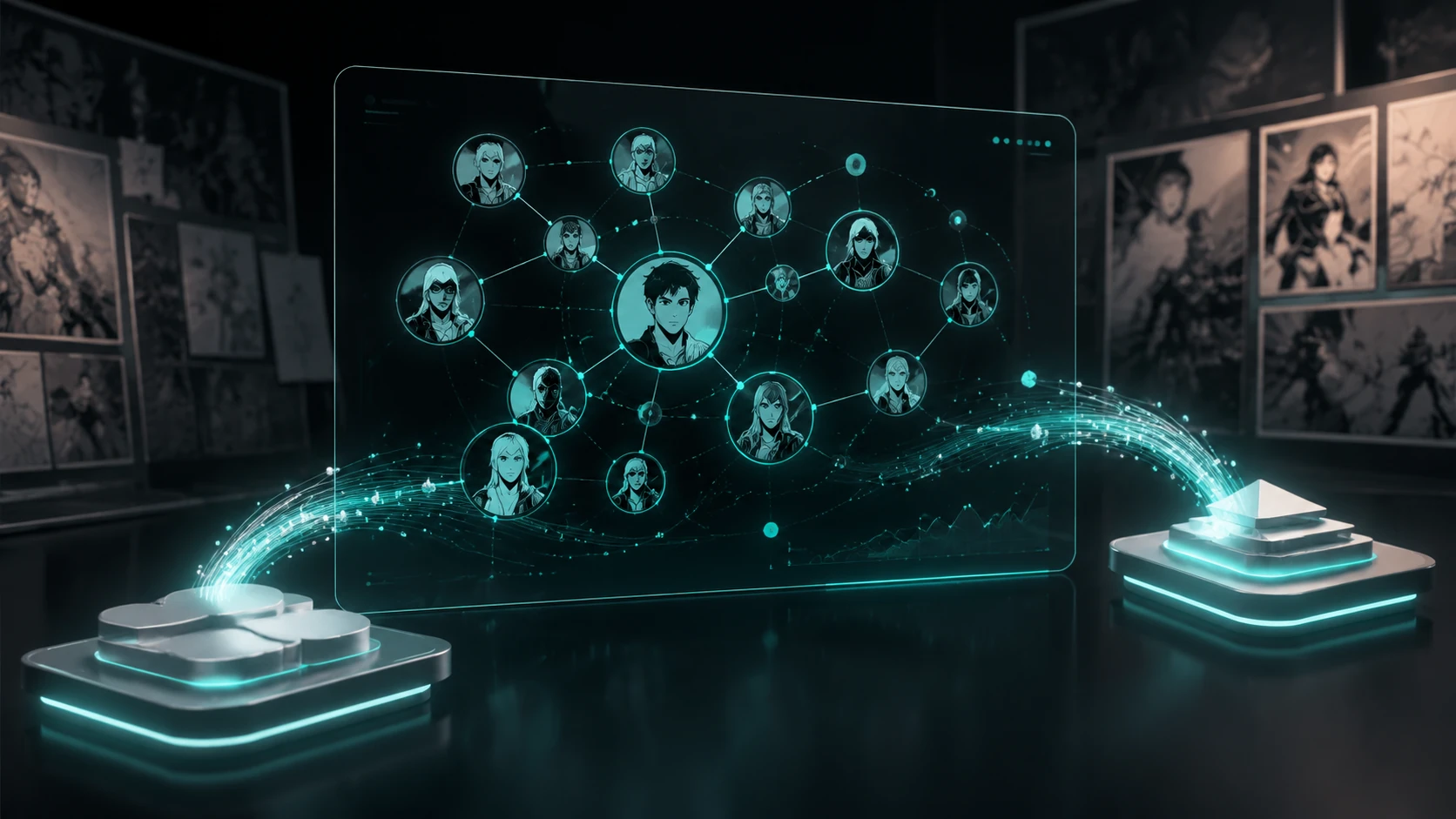
For over a decade, the digital comic industry was defined by 'walled gardens.' Creators who built their audience on a specific webtoon or manga platform were often tethered to that ecosystem, not just by contracts, but by technical friction. In 2026, this paradigm has officially collapsed with the adoption of the Narrative Portability Standard (NPS). This market-wide shift ensures that a creator's most valuable assets—their character DNA, world-building metadata, and reader engagement graphs—are no longer trapped within a single app's proprietary database. As we move toward a decentralized discovery era, the ability to migrate your narrative 'soul' from one platform to another without losing topical authority or SEO ranking has become the new benchmark for creator sovereignty. This transition isn't just a technical upgrade; it’s a fundamental realignment of power in the creator economy, favoring those who own their data over the platforms that host it.
What is the 2026 Narrative Portability Standard?
The Narrative Portability Standard is a technical and legal framework that allows storytellers to package their IP into 'Interoperable Lore Containers.' Unlike the old days of simply downloading high-res JPEGs, NPS involves exporting the semantic layer of a comic. This includes the 'World Bible' metadata, character entity relationships, and even the engagement heatmaps that define a series' success. In the 2026 market, if a creator decides to move from a major publisher to a sovereign digital brand, they can take their entire 'Narrative Graph' with them. This ensures that AI-driven search engines and discovery algorithms can immediately recognize the IP’s history, preserving the series' topical authority across the web. It essentially turns a comic from a static file into a portable, data-rich asset that carries its value into any environment it enters.
The End of the 'Zero-Start' Migration
- Semantic Continuity: Your story's metadata (tags, character links, lore) stays intact, ensuring search engines don't treat the move as a 'new' unranked entity.
- Audience Graph Export: Legal frameworks now allow creators to maintain direct communication channels with their readers, bypassing platform gatekeepers.
- Cross-Platform Syncing: Real-time updates across multiple storefronts are now possible through a single 'source of truth' lore engine.
- Valuation Transparency: Portable data makes it easier for independent studios to prove the market worth of their IP to investors and licensing partners.
Why Platform Interoperability is the New Gold Standard
In the 2026 attention economy, fragmentation is the greatest risk to a creator's revenue. Readers are no longer loyal to a single app; they follow stories across social feeds, VR libraries, and dedicated reading platforms. Platforms that once resisted portability are now forced to adopt it to attract elite talent. The market has realized that 'locking in' creators actually stifles IP growth by preventing transmedia adaptations. By allowing narrative data to flow freely, the industry has seen a 40% increase in webtoon-to-game and webtoon-to-film licensing speeds. When a studio can ingest a comic's NPS file and instantly have a structured map of the world’s rules and character arcs, the friction of development evaporates. This has made the 'Portable IP' significantly more valuable than 'Locked IP' in the eyes of venture capitalists and streaming giants.
The Technical Workflow: How Portability Works in Practice
Implementing the Narrative Portability Standard requires a shift in how creators manage their production files. Instead of keeping lore in scattered Word docs or Notion pages, 2026 studios use Lore-Consistency Engines (LCEs) that tag every panel and dialogue beat with semantic identifiers. These identifiers are platform-agnostic. When a creator 'publishes' to a platform, they are essentially granting that platform a license to display their NPS container. If the relationship ends, the creator 'unplugs' the container and moves it. Because the container holds the canonical record of the story's performance and entity structure, the new platform can instantly populate the series' profile with its full historical context, preventing the 'new series' slump that used to plague creators who switched platforms.
Common Pitfalls to Avoid
- Proprietary Tagging: Avoid using platform-specific metadata tools that don't export to universal NPS formats.
- Ignoring the Engagement Graph: Ensure you are capturing your own reader sentiment data, not just relying on the platform's dashboard.
- Fragmented Lore: A 'broken' Lore Bible will result in a messy migration; maintain a clean, centralized narrative database from day one.
The Future: A Multiversal Market for Comics
Looking toward 2027 and beyond, Narrative Portability is setting the stage for a truly multiversal comic market. We are moving toward a future where a reader can start a chapter on a mobile webtoon app, continue the lore exploration in a spatial computing environment, and finish with a high-end physical edition—all while their 'Read State' and engagement data travel with them. For the creator, this means the platform is no longer the owner of the relationship; it is merely a service provider. This shift is the ultimate realization of the sovereign creator movement, where the value lies in the narrative asset itself, not the digital shelf it happens to sit on. By mastering the Narrative Portability Standard today, creators are future-proofing their IP for a world where boundaries between platforms are increasingly irrelevant.
FAQ
What is the Narrative Portability Standard (NPS)?
It is a 2026 industry framework that allows creators to export their story's semantic metadata, lore assets, and reader engagement data in a format that other platforms can easily ingest.
How does NPS help with SEO?
By preserving the 'Narrative Graph' and entity metadata, NPS ensures that search engines recognize your series' history and authority even if you move to a new domain or platform.
Can I use NPS for my existing webtoon?
Yes, but you may need to retroactively tag your lore assets and convert your production files into an interoperable format using modern Lore Engines.
Is Narrative Portability legally required?
While not a universal law, it has become a mandatory market standard in 2026 for any platform wishing to host high-tier, professional IP.